
The specter of wildfire has long been a concerning reality for the sprawling metropolis of Los Angeles. As a city renowned for its iconic landmarks, vibrant lifestyle, and diverse tourism, Los Angeles also grapples with the unique challenges posed by its geography and climate. Understanding the origins of fires, particularly those that have impacted the region, is crucial for both residents and visitors seeking to appreciate the city’s allure while remaining aware of its environmental vulnerabilities. This exploration delves into the common causes and contributing factors behind Los Angeles fires, shedding light on how these destructive events typically begin.

Understanding the Genesis of Los Angeles Wildfires
The ignition of a wildfire is rarely a singular event but rather a confluence of factors. In a region like Los Angeles, which experiences prolonged dry seasons and is characterized by its chaparral-covered hillsides and urban-wildland interface, understanding the genesis of fires is paramount. These fires can be natural or human-caused, and often, the two intersect.
Natural Ignition Sources
While less common than human-caused ignitions in populated areas, natural sources can still spark wildfires.
Lightning Strikes
During infrequent but intense thunderstorms, lightning can strike dry vegetation, igniting fires. While California is not as prone to lightning-caused fires as some other regions, it remains a potential trigger, particularly in remote, mountainous areas surrounding Los Angeles. The dry conditions that often accompany these storms mean that a lightning strike can quickly escalate into a significant blaze if not contained in its early stages.
Volcanic Activity
Though Los Angeles itself is not situated in an active volcanic zone, historical volcanic activity in the broader region has contributed to the landscape’s flammable characteristics. However, direct volcanic ignition is not a contemporary concern for Los Angeles fires.
Human-Caused Ignition Sources
The vast majority of wildfires in and around Los Angeles have human origins, stemming from a variety of careless or accidental actions. The dense population and extensive infrastructure of the city mean that human activity is almost always a contributing factor in fire ignition.
Electrical Equipment and Power Lines
One of the most significant causes of wildfires in Southern California, including the Los Angeles area, is related to electrical infrastructure. This includes downed power lines, arcing from damaged equipment, and sparks generated by faulty transformers. During high winds, which are a common occurrence, especially with Santa Ana winds, vegetation can come into contact with power lines, or lines can sag and touch each other, creating sparks that ignite dry brush. This has been the cause of some of the most devastating fires in the region, impacting communities and infrastructure. Utility companies in California have implemented strategies such as proactive de-energization during extreme weather events and undergrounding of power lines to mitigate this risk.
Campfires and Outdoor Recreation
While regulations are in place, illegal or improperly extinguished campfires can easily spread into surrounding wildlands. This is particularly relevant in the many parks and recreational areas surrounding Los Angeles, such as those in the Santa Monica Mountains. Even a small ember that escapes a fire pit can be fanned by the wind and ignite dry grasses, leading to a rapidly growing wildfire. Fire restrictions are often implemented during dry periods to curb this risk.
Debris Burning
The burning of yard waste or agricultural debris, when not done with extreme caution and in compliance with local ordinances, can also lead to escaped fires. Embers from these fires can travel considerable distances, igniting surrounding flammable materials.
Vehicles and Equipment
Sparks from vehicles, particularly those with faulty exhaust systems or those driven off-road through dry vegetation, can be a source of ignition. Equipment used for construction or landscaping that produces sparks, such as mowers or grinders, can also pose a risk if not operated carefully in fire-prone areas.
Arson
Sadly, arson, the deliberate setting of fires, is another cause of wildfires in Los Angeles. Investigations into fire origins often include the possibility of intentional acts, and law enforcement works to apprehend individuals responsible for such destructive behavior.
Fireworks
The use of illegal fireworks, especially around holidays like the Fourth of July, presents a significant fire hazard. Fireworks produce sparks and flames that can easily ignite dry vegetation, leading to unexpected and dangerous fires in urban and wildland interfaces.
The Role of Environmental Factors in Fire Spread
Beyond the initial spark, a complex interplay of environmental factors dictates how quickly and intensely a wildfire will spread, particularly in the Southern California context. These elements are critical to understanding why fires in Los Angeles can become so devastating.
Fuel: The Flammable Landscape
The vegetation in and around Los Angeles is inherently flammable. The Mediterranean climate, characterized by hot, dry summers and mild, wet winters, promotes the growth of dense chaparral, coastal sage scrub, and grasses that become tinder-dry during the long summer and fall months.
Type of Vegetation
Different types of vegetation burn with varying intensities. Chaparral, for instance, is known for its high oil content, making it burn very hot and fast. Grasses can dry out quickly and act as fast-spreading fire fronts. The presence of dead trees and shrubs, often a result of drought or insect infestations, further increases the available fuel load.
Fuel Moisture Content
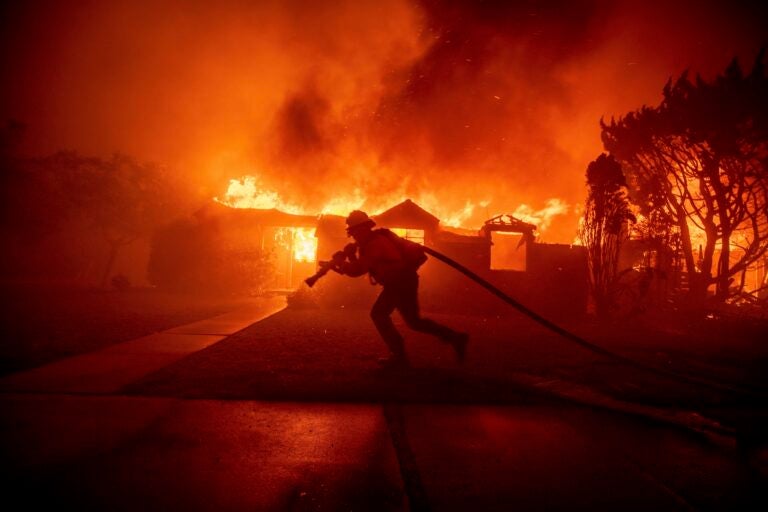
The amount of moisture in vegetation is a critical determinant of its flammability. When temperatures are high and humidity is low, vegetation dries out, becoming more susceptible to ignition and faster spread. This is why fire weather often coincides with periods of extreme dryness.
Fuel Load and Arrangement
The amount of combustible material (fuel load) and how closely it is packed together (fuel arrangement) significantly influences fire behavior. Areas with a heavy accumulation of dry brush and leaf litter, especially in the chaparral-covered hillsides that surround communities like Malibu or parts of the San Gabriel Mountains, provide ample fuel for fires to consume and spread rapidly. The vertical and horizontal arrangement of fuels can create pathways for fire to move from the ground into tree canopies, leading to more intense crown fires.
Weather: The Unpredictable Force
Weather patterns are arguably the most significant factor in the rapid escalation and spread of wildfires, especially in Los Angeles.
Wind
High winds are a major driver of wildfire spread. The infamous Santa Ana winds, hot, dry, and gusty winds that blow from the desert towards the coast, can push flames at incredible speeds, turning a small fire into an inferno within minutes. These winds can carry embers long distances, starting new spot fires ahead of the main fire front. This phenomenon was a critical factor in many of the large fires that have impacted communities like Santa Clarita and the San Fernando Valley.
Temperature and Humidity
High temperatures and low relative humidity create the perfect conditions for fire to ignite and spread. Elevated temperatures increase the rate of drying in vegetation, while low humidity means there is less moisture in the air to slow down combustion. These conditions are most pronounced during the late summer and fall months in Southern California.
Drought Conditions
Prolonged periods of drought, such as those experienced by California in recent years, exacerbate all other flammable conditions. Drought stresses vegetation, making it more susceptible to ignition and increasing the amount of dead, dry fuel available. This leads to a higher potential for large and intense wildfires across the landscape.
Topography: The Influence of Terrain
The shape and features of the land also play a crucial role in how fires behave.
Slope
Fires generally spread uphill much faster than they do downhill. This is because the heat from the fire preheats the fuel above it, causing it to ignite more readily. Steep slopes, common in the hills and mountains surrounding Los Angeles, can dramatically accelerate fire spread, making containment efforts more challenging for firefighters.
Canyons and Valleys
Canyons and narrow valleys can act like chimneys, channeling wind and concentrating heat, which can lead to rapid fire intensification and upslope runs. Fires burning in canyons can be particularly dangerous and difficult to control.
Mitigating Risks and Preventing Future Fires
Understanding the causes and contributing factors of Los Angeles fires is the first step towards prevention and mitigation. The city and its surrounding communities, along with various agencies, are continually working to reduce the risk and impact of these destructive events.
Defensible Space and Land Management
Creating and maintaining defensible space around homes and structures in the wildland-urban interface is crucial. This involves clearing away flammable vegetation, trimming trees, and removing dead plant material within a specified radius of properties.
Fuel Reduction Programs
Government agencies and fire departments implement various fuel reduction programs, including prescribed burns (controlled fires set under specific conditions to reduce fuel loads), mechanical thinning of vegetation, and grazing by goats in fire-prone areas. These efforts aim to reduce the amount of combustible material available to feed a wildfire.
Public Education and Awareness
Educating the public about fire safety is a cornerstone of prevention. Campaigns often focus on the dangers of illegal fireworks, the importance of properly extinguishing campfires, and the responsible use of equipment that can produce sparks. Encouraging residents to create defensible space and to be aware of fire weather warnings are also vital components.
Infrastructure Improvements
As mentioned earlier, investments in hardening electrical infrastructure, such as undergrounding power lines in high-risk areas and implementing advanced technologies for detecting and responding to equipment issues, are critical steps in reducing human-caused ignitions from utility sources.
Early Detection and Response
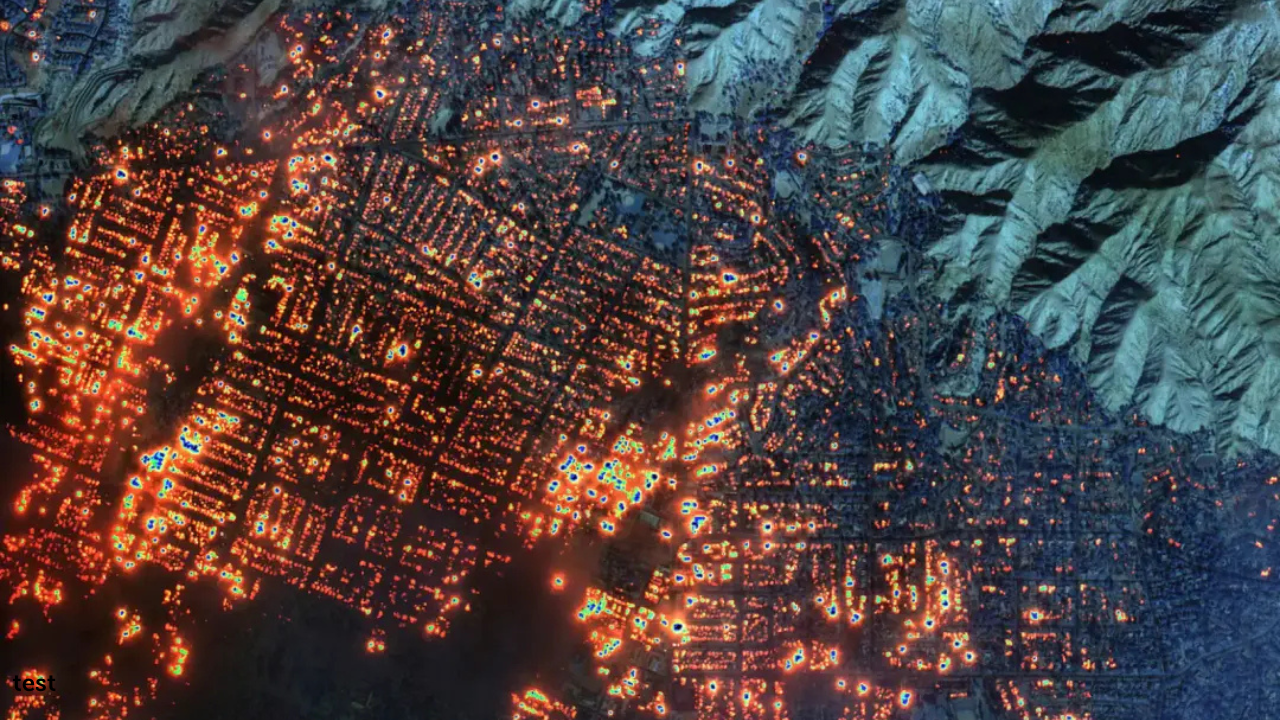
Rapid detection and initial attack are essential for containing fires before they grow large and unmanageable. This involves the use of lookout towers, aerial surveillance, and advanced sensor technologies to spot fires in their nascent stages. Well-equipped and highly trained firefighting crews are then deployed quickly to suppress the flames.
The origin of fires in Los Angeles is a multifaceted issue, driven by a combination of natural environmental conditions and human activities. By understanding these causes, from the spark of a downed power line to the extreme conditions that allow fires to rage, we can better appreciate the challenges faced by this iconic city and the ongoing efforts to protect its residents and its unique natural beauty. Whether you’re visiting world-famous landmarks like the Griffith Observatory or enjoying the diverse Los Angeles lifestyle, awareness of fire risks is an important aspect of responsible tourism and living in this dynamic region.
LifeOutOfTheBox is a participant in the Amazon Services LLC Associates Program, an affiliate advertising program designed to provide a means for sites to earn advertising fees by advertising and linking to Amazon.com. Amazon, the Amazon logo, AmazonSupply, and the AmazonSupply logo are trademarks of Amazon.com, Inc. or its affiliates. As an Amazon Associate we earn affiliate commissions from qualifying purchases.