
Louisiana, a state steeped in a rich tapestry of cultures, unparalleled culinary traditions, and a vibrant spirit, consistently ranks high on travelers’ wish lists. From the sultry rhythms of jazz echoing through its historic streets to the intoxicating aromas of its world-renowned cuisine, Louisiana offers an experience that engages all the senses. This captivating Southern state is a mosaic of influences, a place where French, Spanish, African, and Caribbean cultures have intertwined to create a truly unique identity. If you’re wondering what makes Louisiana so special, prepare to be enchanted by its music, its food, its history, and its undeniable charm.
The Soulful Sounds and Vibrant Rhythms of Louisiana
Louisiana’s musical heritage is as deep and diverse as its cultural roots. It’s a place where music isn’t just an art form; it’s a way of life, a pulsating heartbeat that drives the state’s infectious energy. The birthplace of jazz, Louisiana has gifted the world a genre that continues to evolve and inspire, and nowhere is this more evident than in its most famous city.
New Orleans: The Cradle of Jazz and Beyond
New Orleans is the undisputed epicenter of Louisiana’s musical legacy. The historic neighborhoods of the city, particularly the iconic French Quarter, are alive with the sounds of brass bands, soulful singers, and improvisational jazz musicians. Street performers line Bourbon Street, their melodies spilling out into the humid air, while legendary music clubs like Preservation Hall offer an authentic and intimate glimpse into the genre’s origins. The annual New Orleans Jazz & Heritage Festival draws music lovers from across the globe, celebrating not only jazz but also a wide spectrum of genres that have blossomed in Louisiana, including blues, Cajun, zydeco, and R&B.
Beyond jazz, the state is a fertile ground for other distinctive musical styles. Cajun music, with its lively accordions and fiddle melodies, tells stories of the Acadian people who settled in the region. Zydeco, a dynamic fusion of Cajun music and blues, often features the rubboard (or frottoir) and infectious dance rhythms that compel everyone to the dance floor. You can experience these vibrant sounds in smaller towns and rural communities, where local dances and festivals keep these traditions alive and thriving. Whether you’re seeking the sophisticated improvisations of a New Orleans jazz club or the foot-stomping energy of a Cajun dance hall, Louisiana’s music scene promises an unforgettable auditory journey.
A Culinary Landscape Like No Other
To speak of Louisiana without mentioning its food would be an egregious oversight. Louisiana’s cuisine is a gastronomic powerhouse, a complex and delicious fusion of the cultures that have shaped the state. It’s a cuisine that is both comforting and adventurous, deeply rooted in tradition yet constantly innovating.
The Iconic Flavors of Creole and Cajun Cuisine
At the heart of Louisiana’s culinary identity lie two distinct yet interconnected culinary traditions: Creole and Cajun cooking. While often used interchangeably, they each possess unique characteristics.
Creole cuisine, largely developed in New Orleans, is considered the cuisine of the city. It’s often characterized by its use of tomatoes, richer sauces, and more refined techniques, reflecting the French and Spanish influences with additions from African and Caribbean culinary practices. Classic Creole dishes include Gumbo (a rich, flavorful stew), Jambalaya (a rice dish often featuring seafood, chicken, and sausage), and Étouffée (seafood smothered in a rich sauce). The “holy trinity” of vegetables – onions, bell peppers, and celery – forms the aromatic base for many Creole dishes, building layers of flavor that are truly remarkable.
Cajun cuisine, on the other hand, originated with the Acadian people in the more rural, southwestern part of Louisiana. It’s known for its bold, spicy flavors and hearty, rustic preparations. While it also utilizes the “holy trinity,” Cajun cooking often relies more heavily on cayenne pepper for its signature heat. Dishes like Crawfish Boil, Andouille Sausage, and Red Beans and Rice are staples of Cajun cuisine, embodying the spirit of communal gatherings and farm-to-table simplicity. The emphasis is on fresh, local ingredients, often prepared in large batches for family and friends.
Beyond the Classics: Exploring Louisiana’s Diverse Food Scene
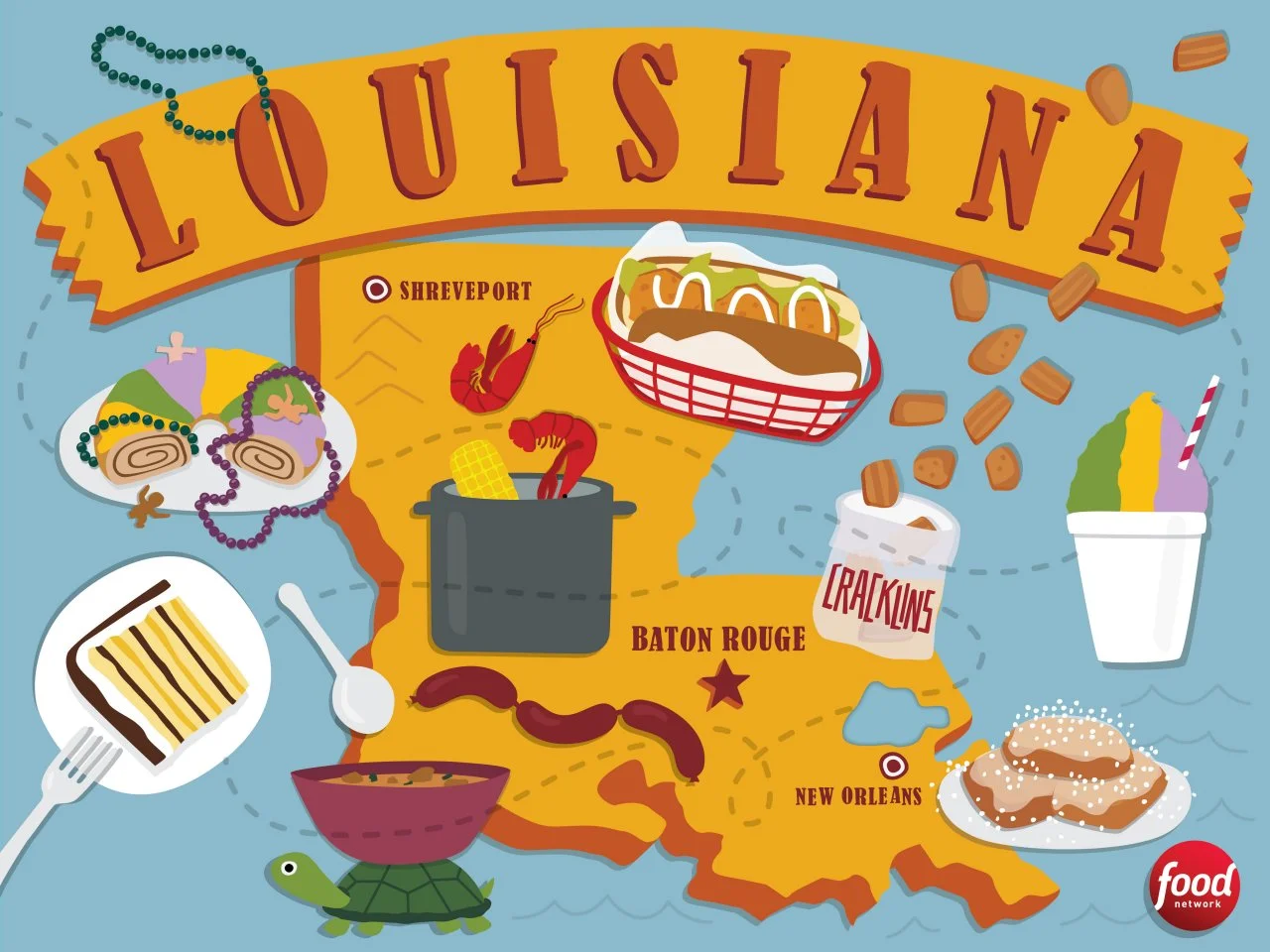
While Creole and Cajun dishes are undeniably iconic, Louisiana’s culinary landscape extends far beyond these celebrated traditions. The state’s extensive coastline means that seafood plays a starring role. From plump oysters harvested from the Gulf of Mexico to succulent shrimp and flaky fish, the bounty of the waters is celebrated in countless preparations.
Furthermore, the influence of Vietnamese and other immigrant communities has enriched the culinary scene. You’ll find exceptional Banh Mi sandwiches and pho, offering a delightful juxtaposition of flavors and traditions. The French influence is also evident in the exquisite pastries and breads found in bakeries across the state, particularly in New Orleans.
From casual roadside diners serving up plates of fried catfish to upscale restaurants offering innovative takes on traditional dishes, Louisiana’s food scene is a true adventure for the palate. No visit is complete without indulging in these culinary delights, experiencing the passion and history infused into every bite.
A Landscape of Historic Charm and Natural Wonders
Louisiana’s allure extends beyond its vibrant culture and delectable cuisine, drawing visitors with its captivating history, stunning architecture, and unique natural landscapes. From the grand antebellum plantations to the mysterious bayous, the state offers a rich tapestry of sights to behold.
Antebellum Plantations and Historic Cities
The legacy of the past is palpable in Louisiana’s numerous antebellum plantations. These grand estates, scattered along the Mississippi River, offer a poignant glimpse into the state’s complex history, its opulent past, and the lives of those who lived and worked on them. Visiting places like Oak Alley Plantation with its iconic avenue of live oaks, or Laura Plantation, known for its Creole architecture and detailed historical accounts, provides a deeper understanding of the region’s heritage.
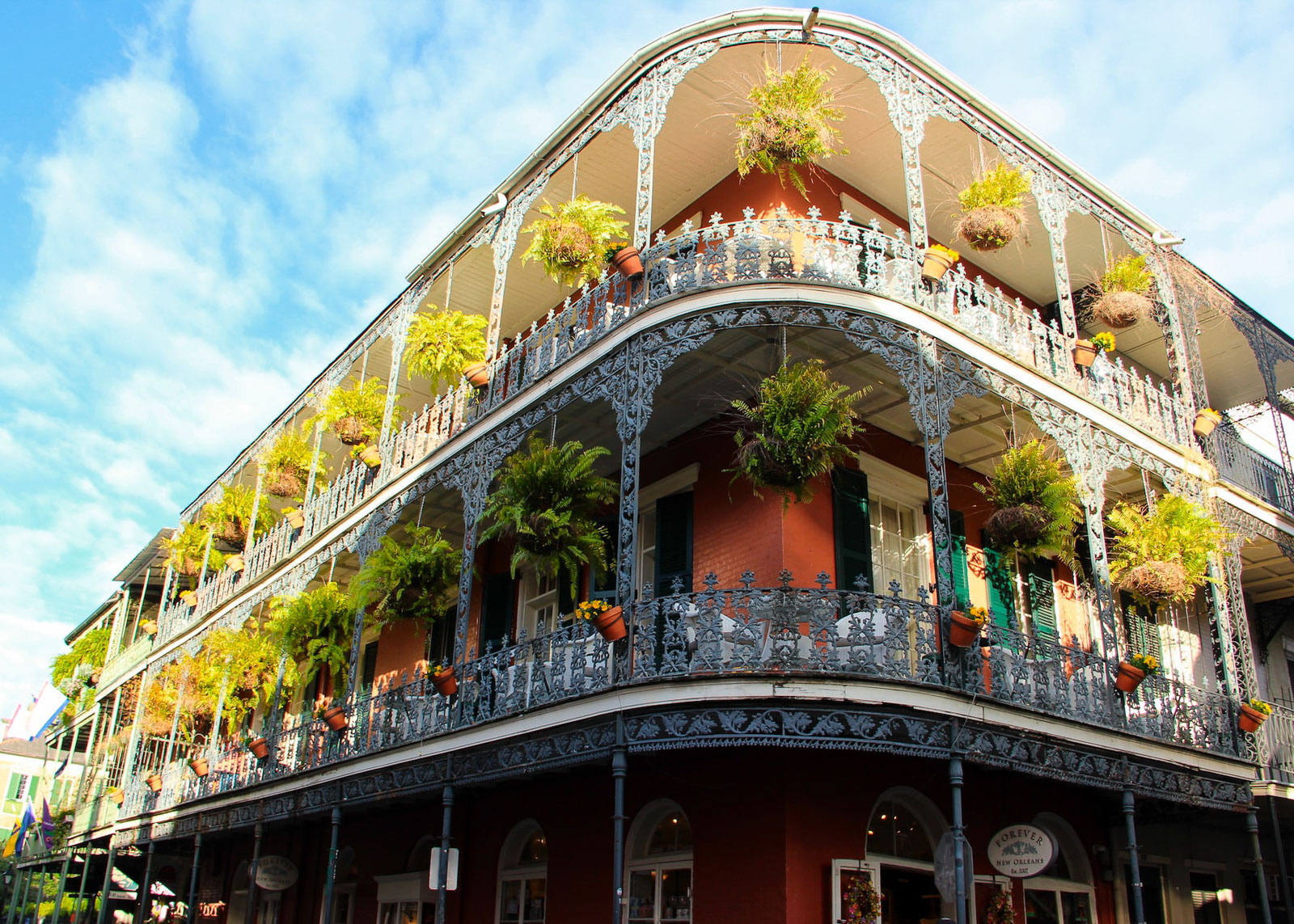
Beyond the plantations, the historic cities of Louisiana are treasures in themselves. New Orleans, with its distinct French Quarter, boasts a unique architectural style characterized by wrought-iron balconies, colorful Creole townhouses, and charming courtyards. The Garden District offers a different kind of grandeur with its stately mansions and lush gardens.
However, Louisiana’s historical appeal is not limited to its most famous city. Towns like Shreveport in the north and Lafayette in the heart of Cajun Country each possess their own unique charm and historical narratives. Exploring these locales allows for a more intimate connection with the state’s diverse past, revealing stories of French colonial roots, Spanish influences, and the resilient spirit of its people.

The Mystical Allure of Louisiana’s Bayous and Swamps
The natural landscape of Louisiana is as captivating and unique as its cultural offerings. The bayous and swamps are the very soul of the state, a labyrinth of waterways, cypress trees draped in Spanish moss, and abundant wildlife. These enigmatic ecosystems offer a tranquil yet thrilling escape from the everyday.
Taking a boat tour through the Atchafalaya Basin or the swamps surrounding Lafayette is an essential Louisiana experience. Glide past ancient cypress trees, observe alligators basking in the sun, and listen to the symphony of birdsong that fills the air. The bayous are not just picturesque; they are vital ecosystems that have shaped the lives and traditions of Louisianans for centuries. Many local communities are intrinsically linked to the rhythms of these waterways, relying on them for sustenance and maintaining a deep respect for their power and beauty.
The natural beauty of Louisiana is also found in its diverse flora and fauna. The state is a haven for birdwatchers, a crucial stopover point for migratory birds along the Mississippi Flyway. From the lush greenery of state parks to the shimmering waters of the lakes and rivers, Louisiana’s natural environment provides a breathtaking backdrop to its rich cultural heritage.
In conclusion, Louisiana is best known for a vibrant confluence of experiences that are deeply rooted in its history and culture. It’s the soulful melodies of jazz, the bold flavors of Creole and Cajun cuisine, the haunting beauty of its historic architecture, and the untamed allure of its bayous. It’s a destination that invites you to immerse yourself, to taste, to listen, to explore, and to feel the undeniable magic of the Bayou State. Whether you’re seeking adventure, relaxation, or a deep dive into a unique American culture, Louisiana promises a journey that will stay with you long after you’ve departed its sun-drenched shores.
LifeOutOfTheBox is a participant in the Amazon Services LLC Associates Program, an affiliate advertising program designed to provide a means for sites to earn advertising fees by advertising and linking to Amazon.com. Amazon, the Amazon logo, AmazonSupply, and the AmazonSupply logo are trademarks of Amazon.com, Inc. or its affiliates. As an Amazon Associate we earn affiliate commissions from qualifying purchases.