
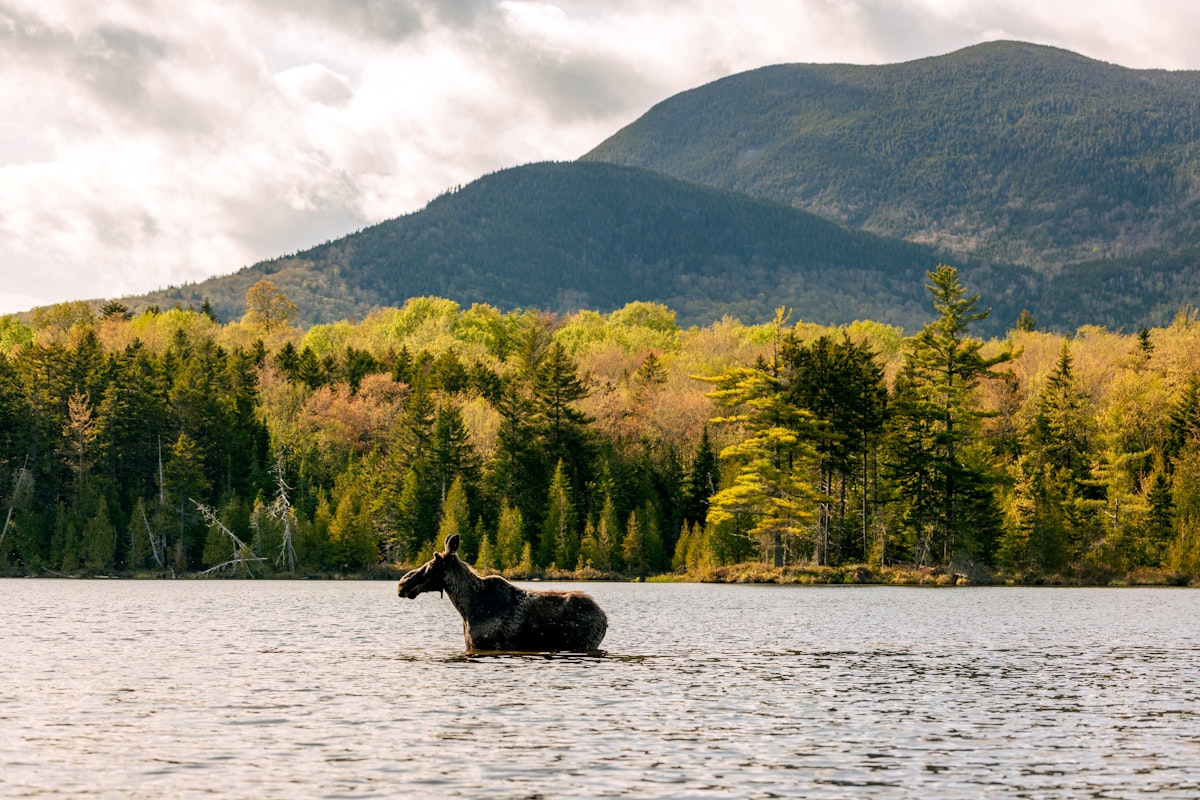
Maine, often dubbed “The Pine Tree State,” is a sanctuary for wildlife, and among its most iconic residents is the majestic moose. These formidable creatures, the largest members of the deer family, embody the wild spirit of New England. For many visitors, spotting a moose in its natural habitat is a quintessential Maine experience, a moment of profound connection with nature. With an estimated population exceeding 70,000, Maine boasts the highest moose density in the lower 48 states, making it an unparalleled destination for those eager to witness these gentle giants. However, finding a moose isn’t as simple as driving down any road; it requires insight into their preferred habitats, feeding patterns, and seasonal behaviors. This guide will illuminate the prime locations, optimal times, and essential tips to increase your chances of a memorable moose encounter in the wild landscapes of Maine. Prepare to embark on an adventure into the heart of moose country, where the rewards are as grand as the creatures themselves.
Prime Moose Viewing Regions in Maine
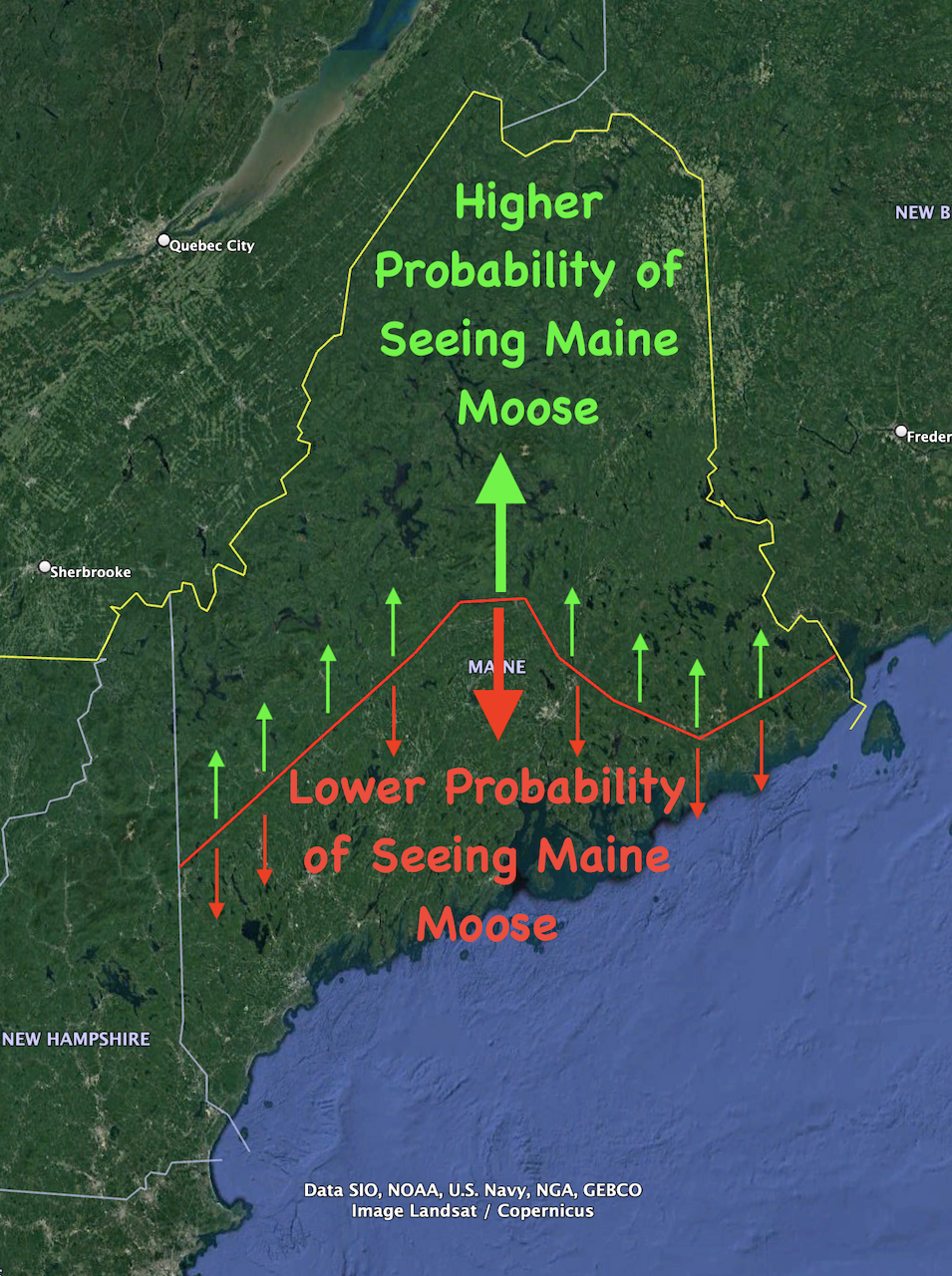
While moose roam extensively across Maine’s vast wilderness, certain regions offer significantly higher chances of sightings due to their specific ecological features—abundant wetlands, young forest growth, and minimal human disturbance. Focusing your search on these established hotspots will greatly enhance your moose-spotting success.
The Moosehead Lake Region
Synonymous with moose, the Moosehead Lake Region in northern Maine is arguably the state’s most famous moose viewing destination. Centered around the sprawling Moosehead Lake itself, this area encompasses vast tracts of forest, numerous ponds, and wetlands that provide ideal moose habitat. Towns like Greenville and Rockwood serve as excellent bases for exploration. Popular spots include the many logging roads that crisscross the region, particularly at dawn and dusk. Lily Bay State Park, on the eastern shore of Moosehead Lake, also offers good prospects, especially around its swampy areas. Guided tours, often departing from Greenville, are highly recommended here, as local guides possess intimate knowledge of current moose activity and hidden viewing locations.
Baxter State Park
A true wilderness gem, Baxter State Park is not only home to Mount Katahdin, the northern terminus of the Appalachian Trail, but also a thriving moose population. The park’s untouched forests, numerous ponds, and strict conservation policies create a pristine environment where moose flourish. The Katahdin Loop Road, particularly around dawn and dusk, is a well-known area for sightings. However, the undisputed king of moose viewing within the park is Sandy Stream Pond. An easy walk from the Roaring Brook Campground leads to an observation area where moose are frequently seen feeding in the pond, often providing spectacular photographic opportunities. Access to Baxter State Park is limited and requires reservations, especially during peak seasons, so plan well in advance.
Aroostook County
Stretching across Maine’s northernmost reaches, Aroostook County is a vast expanse of potato fields, dense forests, and countless lakes and rivers. This sparsely populated region offers an authentic wilderness experience and a high probability of moose encounters. The Allagash Wilderness Waterway, a 92-mile stretch of lakes, ponds, rivers, and streams, is particularly rich in moose. Canoeists and kayakers often report multiple sightings along its remote shores. Even driving through the county on routes like US Route 1 or Route 11 can yield sightings, especially near wet areas or clearings at dawn and dusk. Towns such as Fort Kent and Presque Isle serve as good starting points for exploring the county’s northern reaches.
Western Maine Mountains
The rugged and picturesque Western Maine Mountains also offer excellent opportunities for moose viewing, combining stunning scenery with abundant wildlife. This region includes the Rangeley Lakes Region, renowned for its expansive lakes and forested slopes. Route 16 and Route 4, particularly around the towns of Rangeley and Oquossoc, are known for roadside sightings. The numerous public lands and forests, including portions of the White Mountain National Forest that extend into Maine, provide ample habitat. Grafton Notch State Park, with its dramatic gorges and waterfalls, also features areas where moose are frequently observed, especially near water sources in the early morning.
The Best Times for Moose Spotting
Successful moose viewing is often a matter of timing. Understanding when moose are most active and where they prefer to be during different seasons and times of day significantly increases your chances of a sighting.
Seasonal Considerations
Moose behavior and visibility change with the seasons.
- Spring (Late May to Early July): This is an excellent time for moose viewing. As snow melts and new vegetation emerges, moose are drawn to roadsides and clearings to feed on tender new growth. Calves are often seen with their mothers, adding to the charm of spring sightings. The lack of dense foliage also makes spotting easier.
- Summer (July to August): While moose are present, viewing can be more challenging during the peak summer months. They often retreat into thicker forests during the day to escape heat and biting insects. Dawn and dusk remain the best times, especially near water sources where they cool off and feed on aquatic plants.
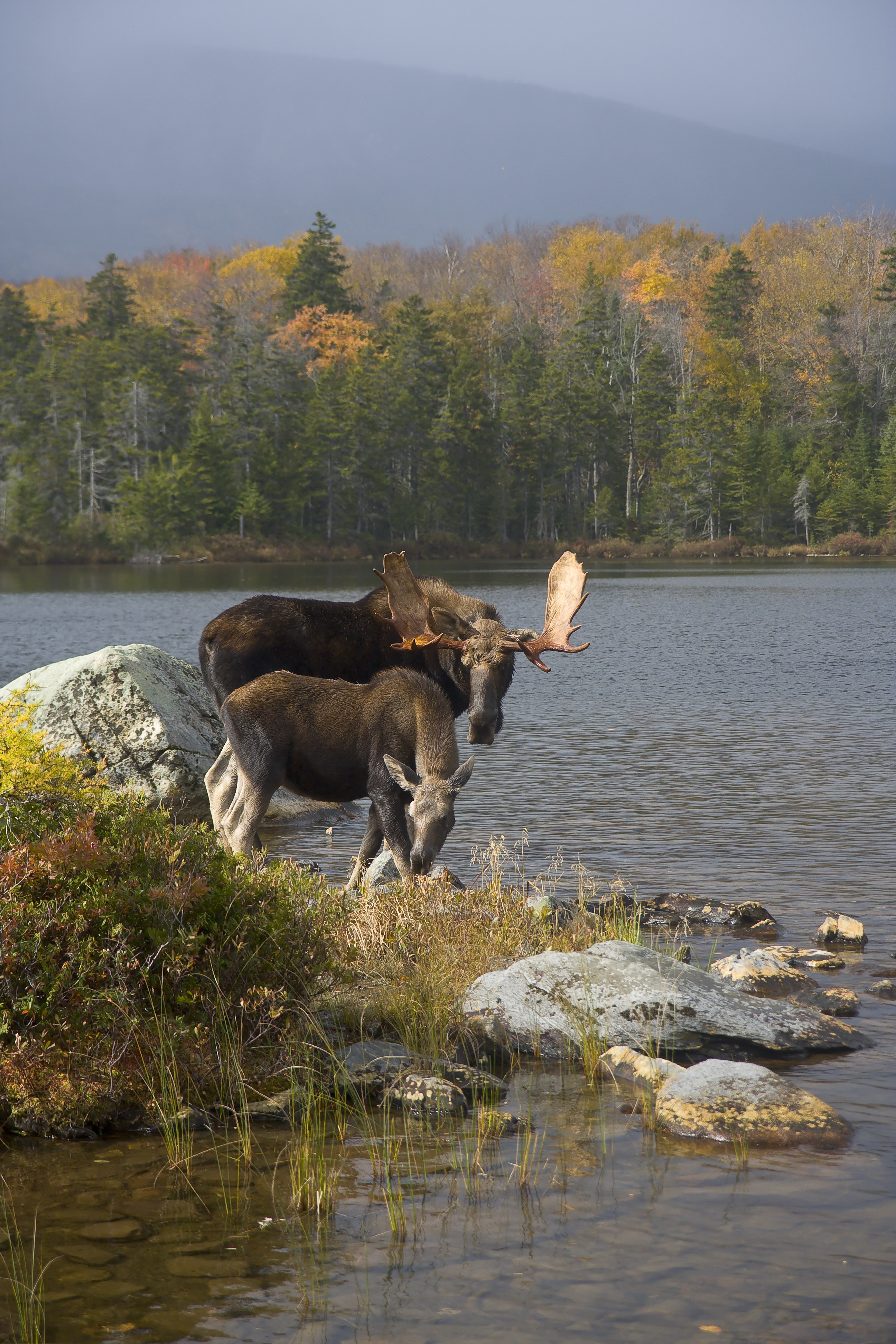
- Autumn (September to October): Fall is another prime season, particularly during the moose rut (mating season). Bulls become more active and visible as they search for cows, often displaying impressive antlers. The vibrant fall foliage provides a stunning backdrop for sightings. Moose are also preparing for winter, feeding heavily.
- Winter (November to April): Moose are harder to spot in winter. They conserve energy by moving less and often seek shelter in dense conifer forests. However, fresh snow can make tracks easier to follow, and moose may be seen along plowed roads in search of exposed browse.
Time of Day
Regardless of the season, moose are most active during specific times of day.
- Dawn and Dusk: These twilight hours are unequivocally the best times for moose sightings. Moose are crepuscular, meaning they are most active at dawn and dusk, when temperatures are cooler and predators (like black bears) are less active. They emerge from the woods to feed in open areas, along roadsides, and in shallow water. Plan your excursions to coincide with these crucial windows, arriving at your chosen viewing spot before sunrise or an hour or two before sunset.
Maximizing Your Moose Encounter: Tips and Etiquette
Encountering a moose in the wild is a privilege that comes with responsibility. Adhering to certain guidelines will not only increase your chances of a safe and successful sighting but also ensure the well-being of these magnificent animals and their habitat.
Essential Gear
Preparation is key to a comfortable and effective moose-spotting trip.
- Binoculars and Camera: These are indispensable. Binoculars allow for close-up views from a safe distance, while a camera (preferably with a zoom lens) captures those unforgettable moments without disturbing the animal.
- Appropriate Clothing: Dress in layers, as temperatures can fluctuate. Wear sturdy, waterproof footwear, especially if you plan on light hiking near wetlands.
- Insect Repellent: Mosquitoes, black flies, and ticks can be prevalent, especially near water and during warmer months. A strong insect repellent is a must.
- Maps and Navigation: Many prime moose viewing areas are in remote locations with limited cell service. Carry physical maps or a reliable GPS device.
Safety and Respect
Moose are wild animals and, despite their seemingly placid demeanor, can be unpredictable and dangerous, especially if they feel threatened.
- Maintain Distance: Always keep a safe and respectful distance, typically at least 50 yards (the length of half a football field). Never attempt to approach, feed, or corner a moose.
- Never Approach Calves: A cow moose protecting her calf can be extremely aggressive. If you see a calf, assume the mother is nearby and be extra cautious.
- Be Aware of Surroundings: Look for signs of moose, such as tracks, droppings, and broken branches. Be particularly vigilant when driving, especially at dawn and dusk, as moose often wander onto roads.
- During the Rut: Moose, particularly bulls, can be more agitated and unpredictable during the fall rut (mating season). Exercise extreme caution during this period.
- If a Moose Charges: If a moose appears agitated (ears back, hair raised) or begins to charge, do not run in a straight line. Try to get behind a large tree or solid object.
Where to Look
Moose have specific preferences when it comes to their environment.
- Wetlands, Bogs, Ponds, and Rivers: Moose are semi-aquatic and love water. They frequent shallow bodies of water to feed on aquatic vegetation, cool off, and escape insects. Focus your search around these areas.
- Clearings and Logging Roads: New growth in clear-cut areas and along the edges of logging roads provides a readily available food source. These open areas also make it easier to spot moose from a distance.
- Forest Edges: The transition zone between dense forest and open areas is often a good place to look, as moose can quickly retreat into cover if disturbed.
Consider a Guided Tour
For an optimal and worry-free experience, consider joining a guided moose tour. Local guides are experts in tracking moose, knowing their habits, and identifying their current whereabouts. They offer several advantages:
- Local Expertise: Guides know the best spots, often on private lands or remote logging roads inaccessible to the general public.
- Safety: They are trained in wildlife observation and safety protocols, ensuring a secure experience for all.
- Increased Success Rates: Their knowledge significantly increases your chances of a sighting.
- Educational Experience: Guides can provide fascinating insights into moose behavior, ecology, and conservation efforts. Tours range from canoe trips to van excursions, catering to different preferences.
Beyond the Sighting: The Maine Moose Experience
While the thrill of seeing a moose is paramount, the overall experience of searching for them in Maine’s wilderness extends far beyond a simple sighting. It’s an immersion into an ecosystem, an appreciation for conservation, and a deeper understanding of these magnificent creatures.
Understanding Moose Behavior
To truly appreciate a moose sighting, it helps to understand a bit about their lives. Moose are herbivores, primarily browsing on twigs, leaves, bark, and aquatic plants. They are solitary animals, except for cows with calves or during the rut. Their distinctive large antlers, found only on males, are shed and regrown annually. Observing their feeding, their cautious movements, or even the subtle flick of an ear offers a window into their wild existence. Learning about their diet, their keen sense of smell, and their surprisingly good hearing adds layers to the viewing experience.
Protecting Maine’s Wildlife
Participating in moose viewing also means supporting responsible tourism and conservation. Maine’s moose population faces challenges, including winter tick infestations and habitat loss in some areas. By practicing ethical wildlife viewing—maintaining distance, minimizing disturbance, and taking nothing but pictures—you contribute to the preservation of these animals and their habitat for future generations. Many guided tours and parks also contribute to conservation efforts through their fees and educational programs, making your travel dollars support vital work. Your presence as a respectful observer helps foster an appreciation for the delicate balance of Maine’s natural environment.
Ultimately, seeking out moose in Maine is an adventure that offers more than just a potential wildlife sighting. It’s an invitation to explore some of the most pristine and beautiful wilderness in the United States, to breathe in the crisp forest air, and to connect with nature on a profound level. With patience, respect, and the right information, your journey into Maine’s moose country is bound to be an unforgettable chapter in your travel story.
LifeOutOfTheBox is a participant in the Amazon Services LLC Associates Program, an affiliate advertising program designed to provide a means for sites to earn advertising fees by advertising and linking to Amazon.com. Amazon, the Amazon logo, AmazonSupply, and the AmazonSupply logo are trademarks of Amazon.com, Inc. or its affiliates. As an Amazon Associate we earn affiliate commissions from qualifying purchases.