
Navigating the process of claiming unemployment benefits in Nevada can feel daunting, especially during uncertain economic times. Whether you’ve recently been laid off, your hours have been significantly reduced, or you’re self-employed and facing a substantial drop in income, understanding your eligibility and the application procedure is crucial. This guide aims to demystify the process, providing clear, step-by-step instructions to help you secure the financial support you need. While the Nevada Department of Employment, Training and Rehabilitation (DETR) oversees these benefits, and the core purpose is financial assistance during unemployment, the underlying principles of seeking support during challenging periods can resonate with broader themes of life transitions, akin to planning a new adventure or finding temporary accommodation when circumstances change.
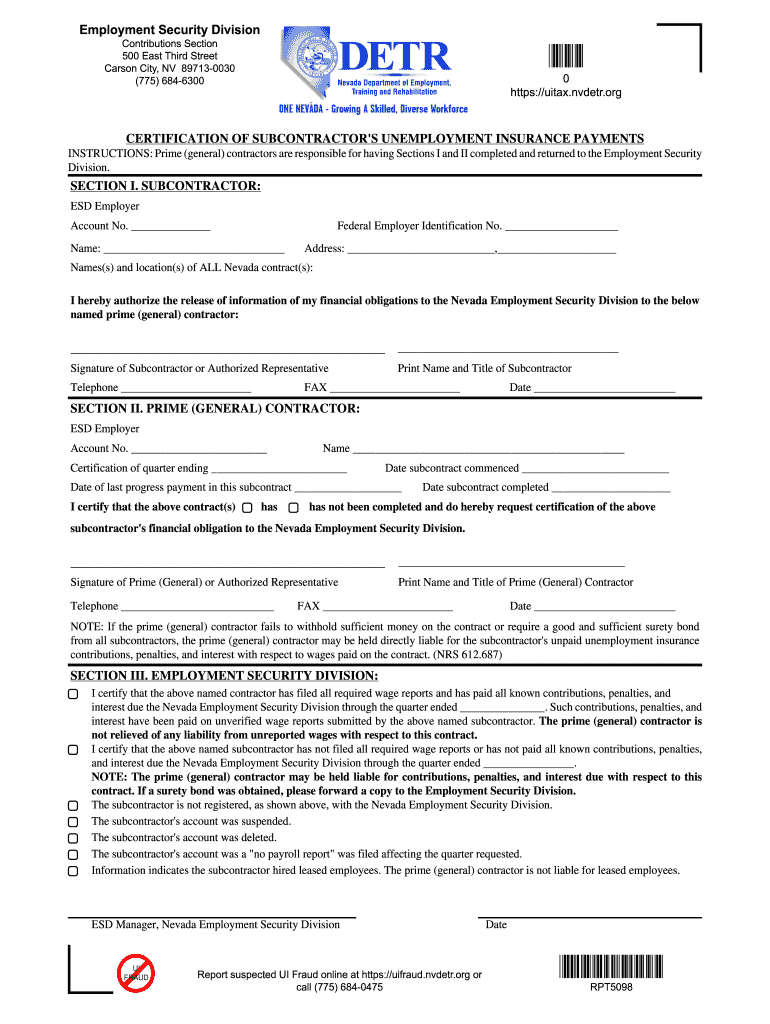
The Nevada DETR is committed to assisting individuals who find themselves out of work. The unemployment insurance program, funded by employer contributions, is designed to provide a safety net, offering temporary financial relief while individuals search for new employment opportunities. This period, though often stressful, can also be viewed as an unexpected pause, much like a planned hiatus from a demanding lifestyle, offering a chance for reflection and a strategic approach to future endeavors, perhaps even exploring new destinations or experiences before re-entering the workforce.
Understanding Eligibility and Requirements
Before you begin the application process, it’s essential to understand if you meet the basic eligibility criteria for Nevada unemployment benefits. These requirements are in place to ensure that the benefits are distributed to those genuinely in need and who have contributed to the system through their past employment.
Base Period Earnings
A primary requirement is demonstrating sufficient earnings during a specific 12-month period known as the “base period.” The Nevada DETR uses your earnings from the first four of the last five completed calendar quarters preceding your claim filing date. To qualify, you must have earned a minimum amount in wages during this base period, and a certain portion of these wages must have been earned in at least one quarter. The exact monetary thresholds are subject to change and are best confirmed directly with the Nevada DETR website or by contacting their office. This financial foundation is critical, much like having a solid budget for a planned luxury travel experience or ensuring sufficient funds for a comfortable long-term stay in a new city.
Reason for Separation
The circumstances under which you left your previous employment play a significant role in your eligibility. Generally, you must be unemployed through no fault of your own. This typically includes situations such as:
- Layoffs: When an employer reduces staff due to economic reasons, restructuring, or lack of work.
- Lack of Work: Similar to layoffs, this covers situations where your position is eliminated due to business downturns.
- Discharge (Not for Misconduct): If you were fired for reasons not related to willful misconduct, you might still be eligible. For instance, if your position was eliminated or you were terminated due to performance issues that were not a direct violation of company policy, you may qualify.
- Quitting with Good Cause: In certain specific circumstances, quitting your job can be considered “with good cause,” making you eligible. This usually involves compelling reasons such as unsafe working conditions, a substantial reduction in wages, or significant changes to your job duties that were not originally part of your agreement.
Conversely, if you voluntarily quit your job without good cause or were discharged for willful misconduct (e.g., theft, insubordination, or repeated unexcused absences), you are generally disqualified from receiving unemployment benefits. The DETR will investigate the circumstances of your separation from employment, often contacting your former employer for verification. Understanding these nuances is akin to understanding the terms and conditions of a hotel booking or the rules governing a budget travel itinerary; careful attention to detail prevents future complications.
Actively Seeking Work
A fundamental requirement for receiving ongoing unemployment benefits is that you must be able, available, and actively seeking suitable work. This means you cannot be physically unable to work, nor can you be unavailable for work due to reasons like attending a full-time educational program without specific DETR approval or being incarcerated.
“Actively seeking work” involves making a diligent effort to find employment. This can include, but is not limited to:
- Registering with the Nevada JobConnect system and utilizing its resources.
- Searching for job openings online and through other travel or career portals.
- Attending job fairs and career workshops.
- Submitting applications and resumes.
- Participating in interviews.
- Networking with professionals in your field.
You will be required to document your job search activities, often through a log or diary, which the DETR may request to review. Failure to demonstrate a consistent and documented job search can result in the suspension or denial of your benefits. This emphasis on proactive engagement mirrors the spirit of exploring new attractions or immersing oneself in local culture when visiting a new place; it requires an active and curious mindset.
The Application Process: Step-by-Step
Applying for Nevada unemployment benefits is primarily done online, offering a convenient and efficient way to submit your claim. Familiarizing yourself with the process beforehand can significantly streamline your application and reduce potential delays.
Step 1: Gather Necessary Information
Before you begin your online application, ensure you have the following information readily available. Having these details organized will make the application process smoother and more accurate:
- Personal Information: Your Social Security number, date of birth, and mailing address.
- Employment History: A list of all employers you’ve worked for in the last 18-24 months, including their names, addresses, phone numbers, and dates of employment.
- Reason for Separation: A clear explanation of why you are no longer employed by your most recent employer.
- Wage Information: Your gross earnings for each employer, if you have that information. If not, the DETR can usually obtain this from your employers.
- Bank Account Information: For direct deposit of your benefits, you’ll need your bank name, account number, and routing number. This is a common preference for many, much like choosing a resort with specific amenities for a comfortable stay.
- Identification: You may be asked to provide proof of identity, such as a driver’s license or state ID.
Step 2: File Your Initial Claim Online
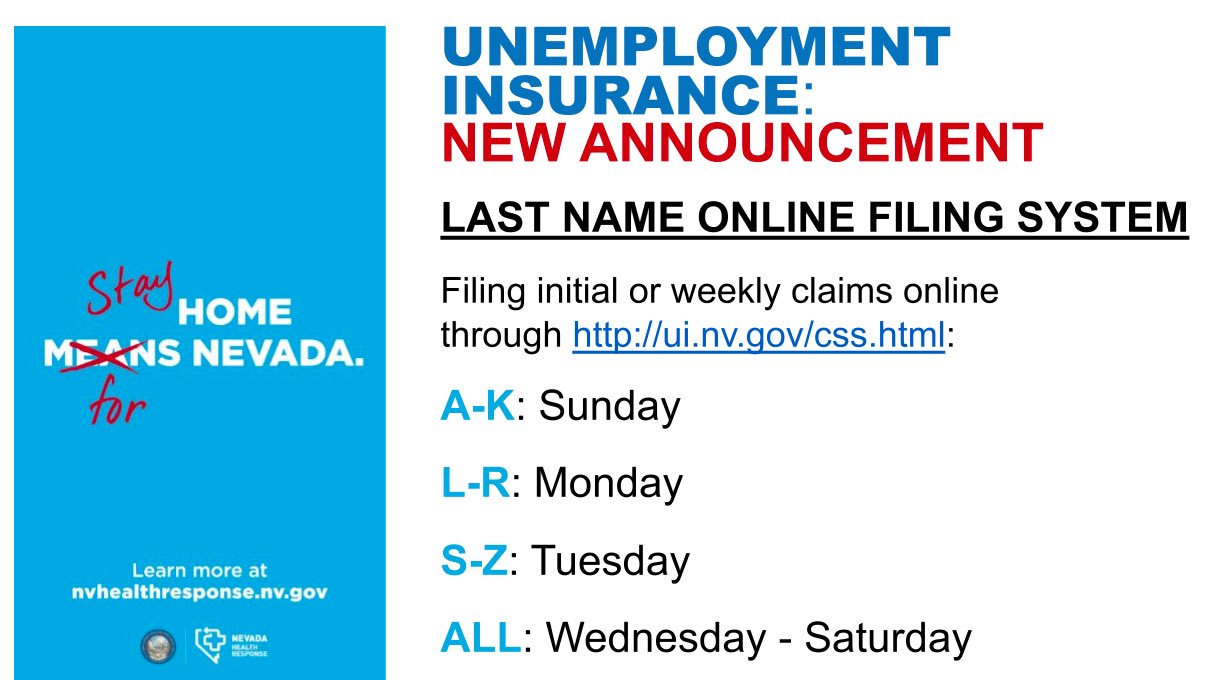
The Nevada DETR’s official website is the primary portal for filing an unemployment claim. Navigate to their unemployment insurance section and look for the link to file a new claim. You will be prompted to create a user account if you don’t already have one.
- Complete the Online Application: Carefully fill out all sections of the online application form. Be truthful and accurate with all information provided. Inaccurate or incomplete information can lead to significant delays or denial of your claim.
- Review and Submit: Before submitting, take the time to review all the information you have entered. Ensure there are no typos or errors. Once you are confident, submit your application. You should receive a confirmation number or email.
Step 3: Claimant Identification Verification
After submitting your initial claim, Nevada DETR will likely require you to verify your identity. This is a crucial step in preventing fraud. The method of verification can vary, but it often involves providing specific documentation through an online portal or by mail. Follow the instructions provided by DETR precisely. This verification process is similar to confirming your identity when checking into a hotel or accessing exclusive experiences; accuracy and proper procedure are key.
Step 4: Waiting Period and Potential Interview
There is typically a one-week waiting period after you file your claim before you can begin receiving benefits. During this week, the DETR will process your application and begin verifying your eligibility with your former employer(s).
In some cases, DETR may schedule an interview with you. This is usually done if there are discrepancies in your claim or if the circumstances of your separation are unclear. Be prepared to provide further details and documentation during this interview.
Maintaining Your Claim and Receiving Benefits
Filing your initial claim is just the first step. To continue receiving unemployment benefits, you must adhere to ongoing requirements and responsibilities.
Weekly Certifications
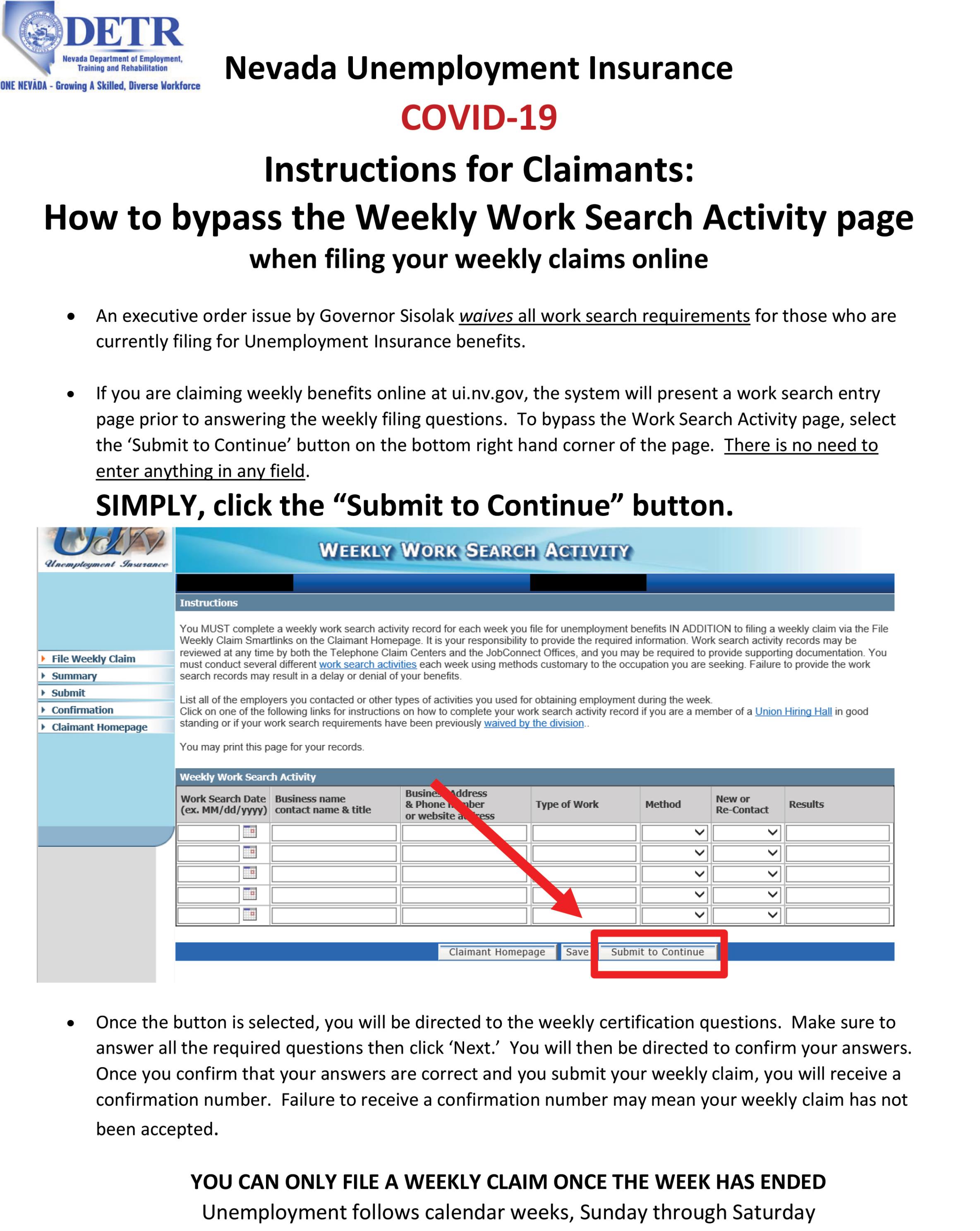
Each week that you wish to claim benefits, you must “certify” your claim. This is done online through your DETR claimant portal. During the weekly certification, you will be asked a series of questions, including:
- Were you able and available for work during the week?
- Did you look for work? If so, what efforts did you make?
- Did you refuse any work offers?
- Did you earn any wages during the week?
You must answer these questions truthfully. Providing false information can lead to severe penalties, including the repayment of benefits received and potential criminal charges. This regular check-in is vital, much like reviewing your itinerary for a family trip or checking the reviews for a potential long-term stay to ensure everything remains on track.
Actively Seeking Employment (Reiteration)
As mentioned earlier, the requirement to actively seek work continues throughout your benefit period. You must maintain a record of your job search activities and be prepared to provide this to DETR upon request. Some benefit claims may require you to register with Nevada JobConnect and participate in their reemployment services. This proactive engagement is key to your return to employment and is a core tenet of many travel guides that encourage visitors to explore local activities and landmarks.
Reporting Earnings
If you perform any work during a week for which you are claiming benefits, even if it’s just a few hours of freelance work or part-time employment, you must report these earnings to DETR. Failing to report earnings is considered fraud and can have serious consequences. The amount of benefits you receive may be reduced based on the wages you earn, but it’s always better to report accurately. This transparency is essential, similar to being upfront about your budget travel constraints when planning a trip.
Understanding Benefit Payments
If your claim is approved and you meet all weekly requirements, your unemployment benefits will be paid directly to your bank account via direct deposit. The payment amount will be based on your past earnings and is subject to maximum weekly benefit amounts set by the state. The duration for which you can receive benefits is also limited and is determined by state law and your work history.
Navigating unemployment is undoubtedly challenging, but by understanding the eligibility criteria, meticulously following the application process, and diligently adhering to ongoing requirements, you can successfully claim the unemployment benefits you are entitled to in Nevada. Remember that the DETR is there to assist you, and utilizing their resources can make the journey smoother. This period, while difficult, can also present opportunities to reassess your career path, explore new experiences, or even discover hidden gems within your local tourism landscape, much like a well-planned business stay that offers opportunities for exploration.
LifeOutOfTheBox is a participant in the Amazon Services LLC Associates Program, an affiliate advertising program designed to provide a means for sites to earn advertising fees by advertising and linking to Amazon.com. Amazon, the Amazon logo, AmazonSupply, and the AmazonSupply logo are trademarks of Amazon.com, Inc. or its affiliates. As an Amazon Associate we earn affiliate commissions from qualifying purchases.