
Navigating the sprawling metropolis of New York City is an experience in itself, and for most visitors and residents alike, the New York City Subway system is the lifeblood of that journey. Whether you’re an eager tourist ready to tick off iconic landmarks, a business traveler with a packed schedule, or a local resident commuting daily, understanding the cost of accessing this extensive transit network is crucial for planning your adventures and managing your budget. This guide delves into the current pricing structure of New York City Subway passes, offering clarity on the options available to ensure your travels through the city are both seamless and cost-effective.
The New York City Subway is operated by the Metropolitan Transportation Authority (MTA), a public benefit corporation responsible for providing public transportation in the New York metropolitan area. The system is one of the oldest and most extensive in the world, boasting over 472 stations and more than 660 miles of track. Its sheer scale means that a reliable and affordable way to traverse its five boroughs – Manhattan, Brooklyn, Queens, the Bronx, and Staten Island – is essential.
Understanding Subway Fares and Payment Options
The primary method of fare payment for the New York City Subway is through the OMNY system, which allows riders to tap their contactless credit or debit card, or a smart device, directly on the reader at the turnstile. Alternatively, Metro-Cards are still available, although the MTA is phasing them out in favor of OMNY. Understanding the different fare structures, such as pay-per-ride and unlimited options, is key to choosing the most economical pass for your needs.
Pay-Per-Ride Fares
For those who plan on taking only a few subway rides during their stay, the pay-per-ride option is the most straightforward. Each ride costs a set amount, and your fare is deducted from your OMNY account or Metro-Card balance as you enter the system.
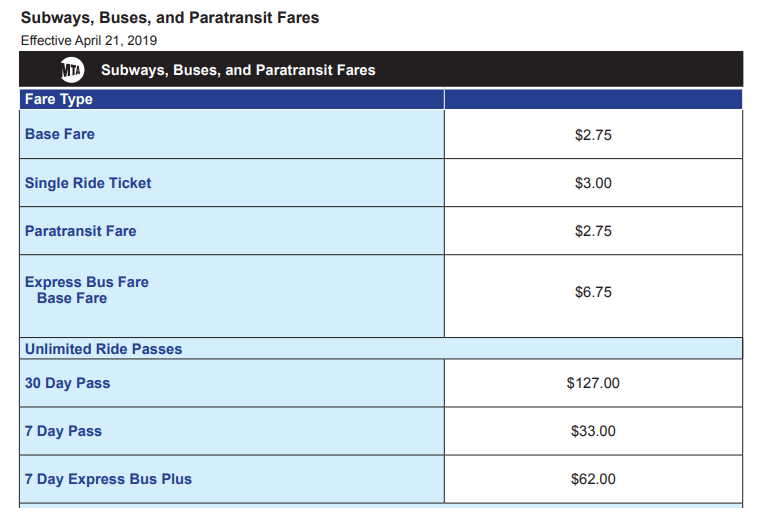
The current base fare for a single subway ride in New York City is $2.90. This fare applies to both the New York City Subway and local MTA Bus services. If you’re only visiting a few attractions like Times Square, the Empire State Building, or exploring Central Park, this might be the most cost-effective solution.
For those using a Metro-Card, you can add value to it in increments. A minimum of $5.80 is required for a new card purchase to cover the cost of the card itself and at least one ride. However, for frequent riders or those who want the convenience of not worrying about individual fares, unlimited options are generally more advantageous.
Unlimited Ride Options
The MTA offers several types of unlimited ride passes, designed to provide cost savings for individuals making multiple journeys within a specific timeframe. These passes are particularly popular with tourists who want to explore extensively and locals who rely on public transport for their daily commute.
The 7-Day Unlimited Ride Metro-Card
This pass allows for unlimited subway and local bus rides for seven consecutive days, starting from the first time you use it. It’s an excellent value for visitors staying in New York City for a week, as it covers unlimited travel across all boroughs.
The current price for a 7-Day Unlimited Ride Metro-Card is $34.00.
This translates to approximately $4.86 per day if you use it every day. However, the real savings kick in if you take more than 12 rides within those seven days. For example, if you take four rides per day, you’d spend $2.90 x 4 x 7 = $81.20 without the unlimited pass, highlighting the significant discount offered by the 7-day option. This pass is ideal for those planning to visit attractions like the Statue of Liberty, ride the Staten Island Ferry (which remains free), explore museums on Museum Mile, and experience the diverse neighborhoods of New York City.
The 30-Day Unlimited Ride Metro-Card

For extended stays or for residents who use public transport regularly, the 30-day unlimited ride pass offers even greater value. This pass functions similarly to the 7-day pass, providing unlimited subway and local bus rides for 30 consecutive days.
The current price for a 30-Day Unlimited Ride Metro-Card is $132.00.
This works out to about $4.40 per day. If you take an average of two rides per day, the 30-day pass already provides savings compared to paying the base fare for each ride. It’s a practical choice for those planning to experience New York City for an extended period, perhaps staying in an apartment in Greenwich Village or a hotel in Midtown. This pass can also be a cost-effective option for those who might be staying in longer-term accommodations like those offered by services comparable to Sonder or apartment rentals, and who intend to explore beyond the immediate vicinity of their lodging.
The OMNY Advantage: Fare Capping
A significant advantage of the OMNY system is its fare capping feature, which is particularly beneficial for both infrequent and frequent riders. Under this system, you will never pay more than the cost of a 7-Day Unlimited Ride pass within a 7-day period.
Here’s how it works:
- Accumulated Fares: As you tap your contactless card or device to pay for individual rides, OMNY keeps track of your spending.
- Fare Cap Trigger: Once your total spending within a rolling 7-day period reaches the equivalent of a 7-Day Unlimited Ride pass ($34.00), you will no longer be charged for subsequent rides on the subway or local buses within that same 7-day period.
- Automatic Savings: This means that even if you don’t purchase an unlimited pass upfront, you automatically benefit from the savings of an unlimited pass if your usage reaches that threshold.
This fare capping system makes OMNY a very user-friendly and economical choice. It eliminates the need to pre-purchase a pass if you’re unsure of your travel needs and guarantees that you won’t overspend on fares. It’s a boon for those who might be mixing and matching different types of travel, perhaps using the subway for longer distances and walking or taking short bus rides for local exploration.
Other Considerations and Special Fares
While the base fare and unlimited passes cover the majority of New York City Subway users, there are a few other points to note:
- Express Buses: MTA Express Buses have a higher fare than local buses and subways, typically costing $7.00 per ride. These are not included in the unlimited ride passes.
- Reduced Fares: Eligible individuals, such as seniors (65 and older) and people with disabilities, can apply for a Reduced-Fare program. This allows them to purchase unlimited ride passes at a significantly discounted rate. Information on eligibility and application can be found on the MTA website.
- Children: Children 44 inches tall and under can ride for free when accompanied by a fare-paying adult. A maximum of three children can ride for free per adult.
- Transferring: Transfers between subway lines are free. When transferring between a subway and a local bus, or vice-versa, within a two-hour window using a Metro-Card or OMNY, the second leg of the journey is also free.
For travelers looking for a luxury travel experience, even while utilizing public transport, understanding these fares is still part of the practical planning. A luxury hotel stay in Manhattan might place you near excellent subway access, allowing you to easily reach attractions without relying on expensive taxis or ride-sharing services. Similarly, for a budget travel approach, mastering the subway system is paramount for saving money while exploring New York City.
Where to Purchase and How to Use
OMNY: The easiest and most modern way to pay is through OMNY. Simply look for the OMNY readers at the turnstiles. You can tap any contactless credit/debit card, smartphone, or wearable device. Your fare is automatically deducted, and the fare capping works seamlessly. You can also set up an OMNY account online to manage your fares, view your trip history, and set up automatic replenishment if desired.
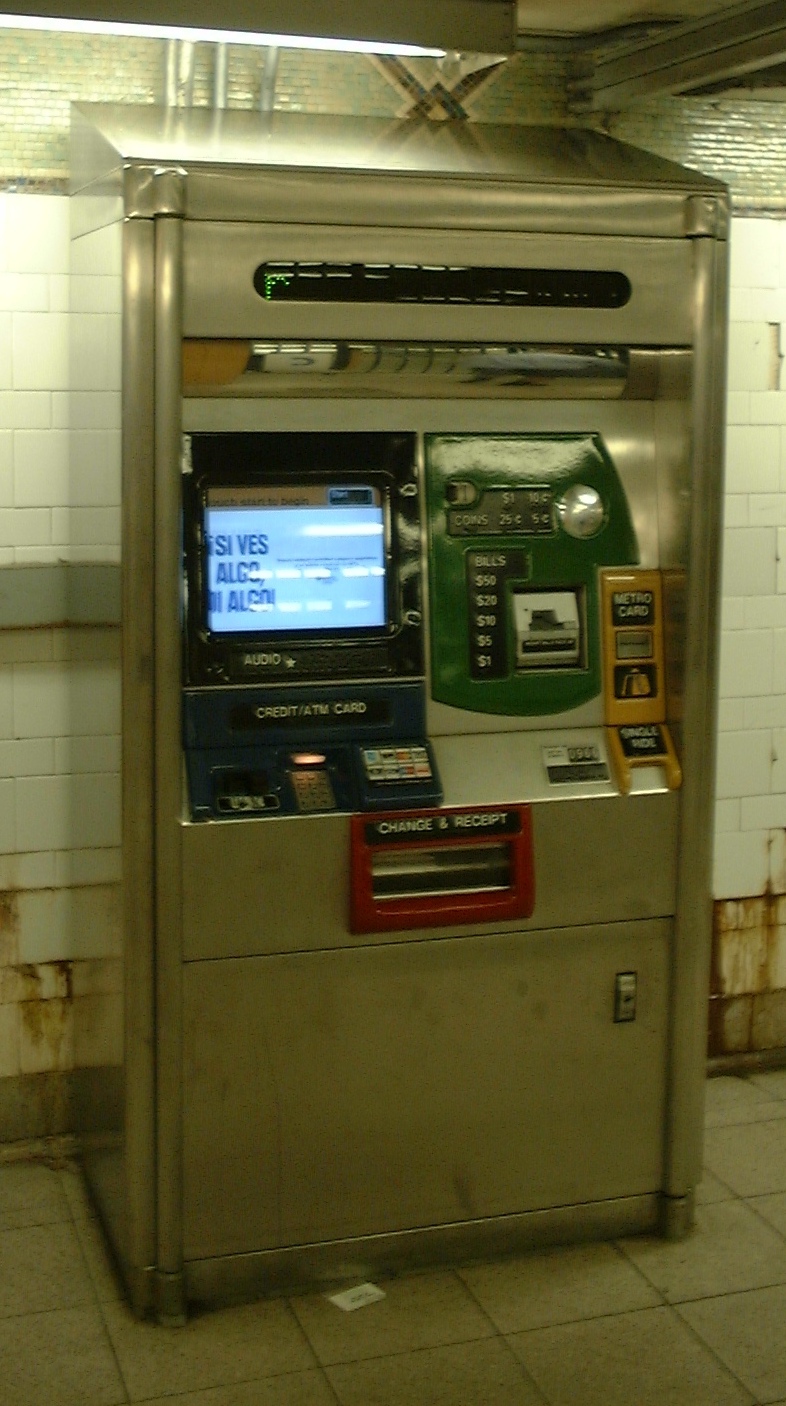
Metro-Cards: While being phased out, Metro-Cards are still available. You can purchase them at vending machines located in most subway stations. These machines accept cash and credit cards. You can load both pay-per-ride value and unlimited passes onto a Metro-Card. When purchasing an unlimited pass, ensure you select the correct duration (7-day or 30-day). Remember to swipe your Metro-Card at the turnstile to enter the system.
Tips for Travelers:
- Plan Your Rides: If you’re on a tight budget or have a specific itinerary, estimate the number of rides you’ll take. If you anticipate more than 12 rides in a week, a 7-Day Unlimited Pass or leveraging the OMNY fare cap is likely your best bet.
- Download a Subway Map App: New York City Subway apps like Citymapper or Google Maps are invaluable for navigating the system, finding the fastest routes, and checking for service changes.
- Be Aware of Express vs. Local Trains: Express trains skip some stations, while local trains stop at every station. Pay attention to the train signs to ensure you board the correct one for your destination.
- Keep Your Pass Handy: Whether it’s your phone for OMNY or your Metro-Card, have it ready as you approach the turnstile to avoid holding up the line.
In conclusion, the cost of a New York City Subway pass is designed to cater to a variety of travel needs. For a single ride, expect to pay $2.90. For those planning extensive exploration, the 7-Day Unlimited Ride pass at $34.00 or the 30-Day Unlimited Ride pass at $132.00 offer significant value. The OMNY system’s fare capping further ensures that you’ll never pay more than the cost of a 7-day pass within any rolling 7-day period, making it a smart and convenient payment method for all. By understanding these options, you can efficiently and affordably navigate the vibrant streets and iconic landmarks of New York City.
LifeOutOfTheBox is a participant in the Amazon Services LLC Associates Program, an affiliate advertising program designed to provide a means for sites to earn advertising fees by advertising and linking to Amazon.com. Amazon, the Amazon logo, AmazonSupply, and the AmazonSupply logo are trademarks of Amazon.com, Inc. or its affiliates. As an Amazon Associate we earn affiliate commissions from qualifying purchases.