
The question of whether assisted death is legal in California delves into complex legal, ethical, and personal considerations that have shaped modern healthcare and individual rights discussions. For many facing terminal illness, the ability to choose the timing and manner of their passing is a profound aspect of personal autonomy, a concept deeply ingrained in the broader discourse of lifestyle and individual liberty.
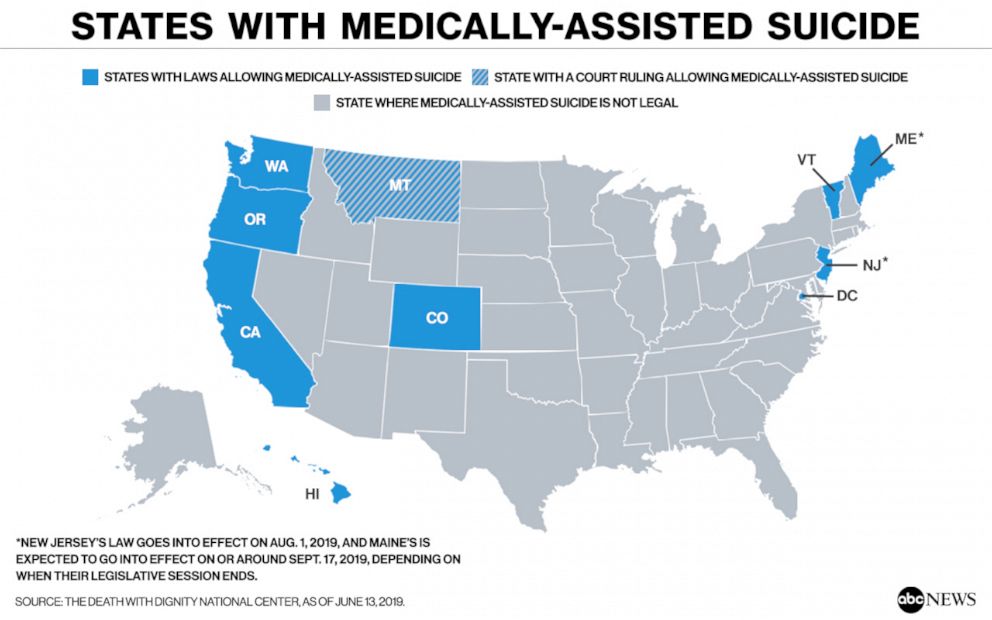
In a landmark decision that reflected evolving societal views on end-of-life care, California indeed legalized medical aid in dying. This decision, enshrined in the End of Life Option Act, marked a significant shift in the state’s approach to terminal illness and individual choice, offering a specific pathway for eligible adults to request medication to end their lives peacefully. Understanding the intricacies of this legislation, its historical context, and its practical implications is crucial for anyone seeking clarity on this sensitive subject. The Act represents a compassionate, albeit controversial, recognition of the suffering that can accompany terminal conditions and the desire for dignity in death. It also places California among a growing number of jurisdictions that have adopted similar laws, sparking national conversations about the right to die and the role of medicine beyond simply prolonging life. This article will explore the legal framework, the process involved, and the broader societal impact of assisted death in California.

The Dawn of Choice: Understanding California’s End of Life Option Act
The path to legalizing assisted death in California was a protracted and emotionally charged journey, reflecting a national debate about personal autonomy, religious beliefs, and medical ethics. The state’s End of Life Option Act, signed into law in 2015 and implemented in 2016, allows certain terminally ill adults to obtain a prescription for life-ending medication. This legislative act was not merely a legal change but a profound societal shift, acknowledging the desire of individuals to exert control over their final moments.
Historical Context and Legislative Journey
The movement for medical aid in dying in California gained significant momentum following the highly publicized case of Brittany Maynard, a young woman diagnosed with terminal brain cancer who moved from California to Oregon in 2014 to utilize that state’s Death with Dignity Act. Her story ignited a passionate debate across the United States, bringing the issue of end-of-life choices to the forefront of public consciousness.
Before the End of Life Option Act was passed, similar legislative efforts in California had repeatedly failed, largely due to strong opposition from religious groups and disability rights advocates who raised concerns about potential abuse and the sanctity of life. However, Maynard’s compelling narrative, combined with sustained advocacy from organizations like Compassion & Choices, helped shift public opinion and political will.
The legislative process involved intense debate within the California State Legislature, with lawmakers grappling with ethical dilemmas, medical implications, and the rights of patients and healthcare providers. After being passed by the legislature, Governor Jerry Brown, a former Jesuit seminarian, signed the bill into law during a special legislative session. His decision came with a statement acknowledging the profound moral questions involved, stating, “I have searched my conscience and my heart on this issue. I am certain of the capability of suffering that I have seen in others and experienced myself. I have considered the theological and religious perspectives, which compel us to believe that God alone makes these decisions. But in the end, I was left to reflect on what it would be like to be in an agonizing and protracted process of dying. I do not know what I would do if I were dying in prolonged and excruciating pain. I am certain, however, that it would be a comfort to be able to consider the options afforded by this bill.”
Key Provisions and Eligibility Requirements
The End of Life Option Act is meticulously structured to include stringent safeguards designed to protect vulnerable individuals and ensure that the choice for medical aid in dying is both informed and voluntary. To be eligible, an individual must meet several strict criteria:
- Terminal Illness: The patient must have a terminal illness confirmed by two physicians, with a prognosis of six months or less to live.
- Mental Capacity: The individual must be deemed mentally competent to make their own healthcare decisions. This means they must understand their diagnosis, prognosis, and the implications of requesting aid-in-dying medication. Psychological evaluations are often required if there are any concerns.
- Voluntary Request: The request for aid-in-dying medication must be entirely voluntary and made by the patient themselves, free from coercion or undue influence.
- California Resident: The patient must be a resident of California. This residency requirement prevents individuals from traveling to California solely for the purpose of utilizing the Act, a common provision in similar laws across other states.
- Self-Administration: The patient must be physically capable of self-administering the prescribed medication. This ensures that the act of ending one’s life remains entirely within the patient’s control and distinguishes it from euthanasia, where a third party administers the lethal dose.
- Multiple Requests: The patient must make at least two oral requests to a physician, separated by a minimum of 15 days, followed by a written request signed by the patient in the presence of two witnesses. One of the witnesses cannot be an heir, an attending physician, or employed by a healthcare facility where the patient is receiving care.
These provisions are fundamental to the Act’s purpose, aiming to strike a balance between respecting individual autonomy and safeguarding against potential misuse.
Distinguishing Between Assisted Death and Euthanasia
It is critical to clarify the distinction between medical aid in dying, as permitted by California’s End of Life Option Act, and euthanasia. While both involve actions that lead to a patient’s death, the critical difference lies in who administers the life-ending medication.
Medical Aid in Dying (Assisted Death): In this context, a physician provides the terminally ill patient with a prescription for medication that the patient self-administers to end their life. The physician’s role is to confirm eligibility, provide information, and prescribe the medication; the final act is performed by the patient themselves. This process is often referred to as physician-assisted suicide in other jurisdictions, though advocates for the term “medical aid in dying” argue it better reflects the compassionate intent and clinical nature of the practice.
Euthanasia: This involves a physician or another third party administering the medication directly to the patient to end their life. Euthanasia is illegal in California and throughout the United States. The legal frameworks that permit medical aid in dying are explicitly designed to prevent euthanasia, emphasizing the patient’s active role in their own death. This distinction is paramount in understanding the legal and ethical boundaries within end-of-life care.
Navigating the Legal and Medical Landscape
Implementing the End of Life Option Act in California has required extensive collaboration between legal professionals, medical practitioners, and patient advocacy groups. The process is not straightforward, involving multiple layers of medical assessment, legal compliance, and emotional support. It underscores the profound responsibility placed upon all parties involved to ensure that the patient’s choice is honored within a framework of safety and dignity.
The Role of Physicians and Medical Professionals
Physicians play a central and critical role in the medical aid-in-dying process. They are the gatekeepers who confirm eligibility, provide comprehensive information, and ultimately write the prescription for the life-ending medication. However, participating in the Act is entirely voluntary for healthcare providers. No physician, nurse, or other medical professional is compelled to participate if it conflicts with their ethical, moral, or religious beliefs.
When a patient expresses interest in medical aid in dying, the attending physician must:
- Confirm Diagnosis and Prognosis: Verify the patient’s terminal illness with a prognosis of six months or less to live. This often involves reviewing medical records and potentially consulting with specialists.
- Assess Mental Capacity: Determine if the patient has the mental capacity to make an informed decision. If there’s any doubt, a psychological or psychiatric evaluation is mandatory.
- Inform the Patient: Thoroughly explain all end-of-life options, including palliative care, hospice care, pain management, and the risks and benefits of the aid-in-dying medication.
- Ensure Voluntariness: Confirm that the patient’s request is voluntary and not influenced by coercion.
- Referrals: If unwilling to participate, the physician must inform the patient of their policy and refer them to another willing provider or organization, if available.
This intricate dance of medical assessment, patient education, and ethical consideration highlights the demanding nature of the physician’s role within the Act.
Safeguards and Patient Protections
The End of Life Option Act is replete with safeguards designed to protect patients and prevent abuse. These protections are a cornerstone of the legislation, addressing many of the concerns raised by opponents during its passage. Key safeguards include:
- Multiple Physician Consultations: Two physicians must confirm the terminal diagnosis and prognosis, and agree that the patient meets all eligibility criteria.
- Mental Health Evaluation: If either physician has concerns about the patient’s mental health or capacity, a mandatory referral for a mental health specialist evaluation is required to ensure the patient is not suffering from depression or other conditions that might impair their judgment.
- Witness Requirements: The written request must be signed by the patient in front of two adult witnesses who attest to the patient’s identity and voluntary choice. These witnesses have strict limitations on their relationship to the patient to prevent undue influence.
- Residency Requirement: As mentioned, the patient must be a California resident, verified by specific documentation.
- Opportunity to Rescind: A patient can withdraw their request at any time and in any manner, underscoring the voluntary nature of the decision until the very last moment.
- Reporting Requirements: The California Department of Public Health collects data on the implementation of the Act, including the number of prescriptions written and dispensed, and patient demographics. This transparency helps monitor the Act’s impact and identify any potential issues.
These robust safeguards are crucial for ensuring that the option of medical aid in dying is exercised responsibly and compassionately, reflecting a balanced approach to individual rights and societal protections.
The Process: From Request to Prescription
The journey from a patient’s initial request to receiving the aid-in-dying medication involves a structured, multi-step process:
- Initial Oral Request: The patient must make a clear and unequivocal request for medical aid in dying to their attending physician.
- First Physician Assessment: The attending physician evaluates the patient for eligibility, including terminal diagnosis, prognosis, and mental capacity.
- Consulting Physician Assessment: A second, consulting physician independently reviews the patient’s medical records and performs their own examination to confirm the diagnosis, prognosis, and mental capacity.
- Mental Health Evaluation (If Required): If either physician has concerns about the patient’s mental health, a licensed mental health specialist (psychiatrist or psychologist) must perform an evaluation.
- Second Oral Request: After a minimum of 15 days following the first oral request, the patient must make a second oral request to their attending physician. This waiting period provides a crucial opportunity for reflection.
- Written Request: The patient must complete a specific written request form, signed in the presence of two qualified witnesses.
- Prescription and Dispensing: Once all criteria are met and forms are completed, the attending physician may write the prescription for the aid-in-dying medication. The medication must then be obtained from a pharmacy.
- Self-Administration: The patient must self-administer the medication. Healthcare providers are explicitly prohibited from administering the drug.
This methodical process ensures thoroughness, deliberation, and patient autonomy at every stage. It underscores the profound gravity of the decision and the commitment to safeguarding patient rights throughout the end-of-life journey.
Public Perception and Ethical Debates
The legalization of medical aid in dying in California has ignited fervent public discussion and profound ethical debates that continue to shape the state’s social and moral landscape. These conversations touch upon fundamental questions of life, death, individual liberty, and the role of healthcare. Understanding these differing viewpoints is crucial for a complete picture of the End of Life Option Act’s place in society.
Arguments For and Against Assisted Death
The debate surrounding assisted death is characterized by strong arguments from both proponents and opponents:
Arguments For:
- Patient Autonomy and Dignity: Proponents emphasize the right of terminally ill individuals to make choices about their own lives and deaths, maintaining dignity and control in their final moments. It is seen as an extension of other end-of-life decisions, such as refusing life-sustaining treatment.
- Alleviation of Suffering: For patients facing unbearable and intractable pain or suffering that cannot be adequately managed, medical aid in dying offers a merciful option to end their suffering peacefully.
- Compassion: Advocates argue that allowing a terminally ill person to choose a peaceful death is an act of profound compassion, preventing prolonged agony for both the patient and their loved ones.
- Personalized End-of-Life Care: It provides another option within the spectrum of end-of-life care, allowing patients to plan their final days according to their own values and preferences.
Arguments Against:
- Sanctity of Life: Many religious and moral traditions hold that all human life is inherently sacred and that intentionally ending a life, even one’s own, is morally wrong.
- Potential for Abuse and Coercion: Opponents fear that vulnerable individuals, particularly the elderly, disabled, or those lacking adequate support, could be pressured into choosing assisted death.
- Misdiagnosis and Prognosis Errors: Concerns exist about the accuracy of terminal diagnoses and prognoses, arguing that some patients might live longer or improve unexpectedly.
- “Slippery Slope” Concerns: Critics worry that legalizing assisted death for the terminally ill could lead to an expansion of eligibility criteria, potentially including individuals with non-terminal conditions, disabilities, or mental health issues.
- Role of Physicians: Some medical professionals believe their primary role is to preserve life and alleviate suffering, not to facilitate death, seeing it as a violation of the Hippocratic Oath.
- Lack of Access to Palliative Care: A significant concern is that the focus on assisted death might divert resources or attention away from improving access to comprehensive palliative and hospice care, which could alleviate much of the suffering that drives requests for aid in dying.
These diverse viewpoints highlight the deeply personal and often irreconcilable nature of the debate, where different values and ethical frameworks clash.
Impact on Patients, Families, and Healthcare Providers
The implementation of the End of Life Option Act has had a multifaceted impact on various stakeholders:
- Patients: For eligible patients, the Act offers a profound sense of peace and control, knowing that an option exists to prevent prolonged suffering. Many who obtain the medication do not ultimately take it, finding comfort simply in having the choice. For those who do proceed, it allows for a planned, peaceful departure, often surrounded by loved ones.
- Families: The impact on families is complex. While some find solace in honoring their loved one’s wishes and witnessing a peaceful death, others may struggle with grief, guilt, or ethical reservations about the decision. Open communication and support systems are crucial for families navigating this choice.
- Healthcare Providers: Healthcare providers face unique challenges. Those who choose to participate do so out of a sense of compassion and a commitment to patient autonomy, but they must also navigate the emotional toll and the stringent legal requirements. Providers who conscientiously object must navigate referring patients while respecting their own ethical boundaries. Hospitals and healthcare systems must develop policies that accommodate both participating and non-participating staff, ensuring patient access while respecting individual conscience.
The Evolving Conversation in California
Since its implementation, the conversation around assisted death in California has continued to evolve. Reports from the California Department of Public Health provide data on the usage of the Act, showing a steady increase in the number of prescriptions issued and patients who have utilized the law. This data informs ongoing discussions about the Act’s efficacy, its impact on end-of-life care, and potential areas for refinement.
The COVID-19 pandemic also introduced new considerations, as it highlighted the vulnerabilities of terminally ill patients and the importance of accessible, compassionate end-of-life options. Advocacy groups continue to push for expansions, such as reducing the 15-day waiting period, which was temporarily suspended during the pandemic, and making the option available to non-residents, though these proposals often meet significant resistance. The dialogue in California remains active, reflecting the profound societal implications of allowing individuals to make such ultimate lifestyle choices.
Challenges, Criticisms, and Future Considerations
Despite the End of Life Option Act’s establishment, its implementation has not been without challenges and ongoing criticisms. These issues often relate to accessibility, institutional policies, and the broader societal implications of normalizing medical aid in dying. Addressing these concerns is vital for ensuring the Act functions equitably and ethically in California.
Access Barriers and Disparities
While legal, accessing medical aid in dying can still be a significant hurdle for many eligible Californians. Several factors contribute to these access barriers:
- Physician Willingness: As participation is voluntary, many physicians and healthcare systems choose not to participate due to personal, ethical, or religious objections. This can make it difficult for patients, especially in rural areas or those with limited healthcare options, to find a willing provider.
- Institutional Policies: Even if an individual physician is willing, the hospital or healthcare system they work for may have policies prohibiting participation in medical aid in dying on its premises. Patients may need to transfer care or rely on home hospice services, which can be logistically challenging.
- Geographic Disparities: Patients residing in less populated areas, such as Eureka or Redding, may find it particularly difficult to locate two willing physicians and a dispensing pharmacy, leading to disparities in access compared to urban centers like Los Angeles or San Francisco.
- Financial and Insurance Coverage: While the medication itself may be covered by some insurance plans, other costs associated with the process (e.g., multiple physician visits, psychological evaluations) may not be fully covered, posing a financial barrier for some.
- Complexity of the Process: The multiple steps, waiting periods, and documentation requirements, while designed as safeguards, can also be overwhelming for a terminally ill patient and their family.
Addressing these disparities requires ongoing efforts to educate healthcare providers, establish clear referral pathways, and advocate for more inclusive institutional policies.
Conscientious Objection and Institutional Policies
The right to conscientious objection is a critical component of the End of Life Option Act, respecting the moral and ethical autonomy of healthcare providers and institutions. However, this right also creates complexities for patients seeking to utilize the Act.
- Individual Providers: Physicians, nurses, and other healthcare professionals are not required to participate in medical aid in dying if it conflicts with their beliefs. They must, however, inform the patient of their non-participation and, if possible, refer them to a willing provider.
- Healthcare Institutions: Hospitals, hospice providers, and other healthcare facilities can also establish policies prohibiting medical aid in dying on their premises or by their staff. For example, Catholic hospitals, which adhere to ethical directives opposing assisted death, generally do not permit it.
The challenge lies in balancing the rights of providers and institutions to object with the rights of patients to access a legal medical option. This balance often requires careful policy development within healthcare systems to ensure that patients are not unduly penalized by an institution’s stance and that clear pathways for referral and information exist.

Potential Amendments and Legal Challenges
Since its initial passage, the End of Life Option Act has faced both legal challenges and legislative attempts to amend its provisions.
- Legal Challenges: Opponents of the Act have filed lawsuits, primarily arguing that it violates the California Constitution or is a form of illegal physician-assisted suicide. While these challenges have largely been unsuccessful, they underscore the ongoing legal scrutiny and debate surrounding the law.
- Legislative Amendments: Advocates for medical aid in dying have pushed for several amendments to improve accessibility and streamline the process. A significant amendment was enacted in 2021, which reduced the mandatory 15-day waiting period between oral requests to 48 hours and removed the sunset clause (which would have required the law to be re-passed). Other proposed amendments have included allowing nurse practitioners to prescribe the medication (currently limited to physicians) and expanding access to non-residents, though these have not yet passed.
- Data and Oversight: The ongoing collection and review of data by the California Department of Public Health are crucial for informed policy-making. This data helps policymakers understand who is using the Act, common reasons for requests, and any emerging patterns of access or barriers.
The future of assisted death in California will likely involve continued legislative fine-tuning, ongoing legal challenges, and evolving societal discussions. As more experience is gained with the Act, and as public understanding deepens, the framework for end-of-life choices in the state will continue to adapt, seeking to balance individual autonomy with robust safeguards and ethical considerations. For those seeking clarity on end-of-life choices as a part of their personal lifestyle planning, understanding these evolving dynamics is paramount.
LifeOutOfTheBox is a participant in the Amazon Services LLC Associates Program, an affiliate advertising program designed to provide a means for sites to earn advertising fees by advertising and linking to Amazon.com. Amazon, the Amazon logo, AmazonSupply, and the AmazonSupply logo are trademarks of Amazon.com, Inc. or its affiliates. As an Amazon Associate we earn affiliate commissions from qualifying purchases.