
Oregon, a jewel of the Pacific Northwest, beckons with its diverse landscapes, from rugged coastlines and lush forests to high deserts and majestic mountains. Millions of visitors are drawn each year to explore its natural beauty, vibrant cities, and unique cultural experiences. However, like much of the western United States, Oregon faces an annual wildfire season, a natural phenomenon that can significantly impact tourism. For prospective travelers and those currently exploring the state, understanding where wildfires are, their potential effects, and how to plan accordingly is paramount to ensuring a safe, enjoyable, and responsible visit. This guide delves into the realities of Oregon’s wildfire landscape, offering insights and practical advice specifically tailored for tourists.
Understanding Oregon’s Wildfire Dynamics and Tourist Season
Wildfires are an integral, albeit often challenging, part of Oregon’s ecosystem. They are driven by a combination of factors including climate, vegetation, and human activity, and their presence can dramatically alter the tourist experience.
The Annual Cycle of Fire in the Pacific Northwest
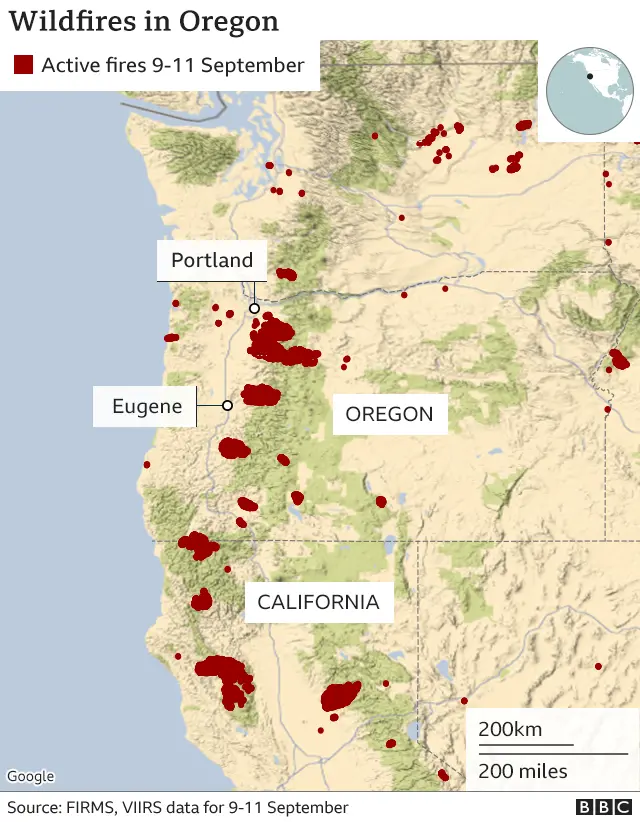
Oregon’s wildfire season typically runs from late spring through early autumn, peaking in August and September. This period coincides with the warmest and driest months, creating ideal conditions for fires to ignite and spread. Extended droughts, hotter temperatures, and an accumulation of dry vegetation contribute to increased fire risk. While wildfires have always been a natural occurrence, climate change is exacerbating their intensity and duration, leading to larger, more destructive fires in recent decades. Understanding this annual cycle is the first step for any tourist planning a trip to Oregon during these months. It means being prepared for potential smoke, trail closures, or even altered travel itineraries.
Key Geographic Areas Prone to Fire
While wildfires can theoretically occur anywhere in Oregon where there is dry vegetation, certain regions are historically more susceptible. The vast, forested expanses of the Cascade Mountains, the dry forests of Central Oregon, and the timberlands of Southern Oregon are often at higher risk. Areas like the Columbia River Gorge and around Mount Hood, popular for hiking and scenic drives, have also experienced significant fires. Conversely, the immediate Oregon Coast, with its cooler, wetter climate, generally experiences much lower fire risk, though smoke from inland fires can still drift to coastal communities, impacting air quality. Knowing these patterns helps tourists assess the general risk of their intended destinations.
How Wildfires Impact Tourist Planning
For tourists, wildfires present a unique set of planning challenges. The most immediate concerns include personal safety, road closures, and compromised air quality due to smoke. Beyond these, fires can lead to the closure of national forests, state parks, and popular hiking trails, limiting access to some of Oregon’s most beloved natural attractions. Local businesses, dependent on tourism, can also be severely affected, even in areas not directly threatened by fire, due to reduced visitor numbers. This necessitates a flexible approach to travel, with contingency plans and a willingness to adapt itineraries based on real-time information.
Current and Historical Impact on Key Tourist Regions
Wildfires don’t uniformly affect all of Oregon’s diverse tourist regions simultaneously. Understanding the localized impact is crucial for informed decision-making.
The Columbia River Gorge and Mount Hood Area
The Columbia River Gorge, renowned for its spectacular waterfalls and lush hiking trails, has unfortunately been the site of significant fires, such as the Eagle Creek Fire in 2017. While many areas have reopened and nature is resiliently recovering, some trails may remain closed for extended periods due to ongoing restoration efforts or hazardous conditions. Similarly, the forested slopes of Mount Hood, a hub for summer hiking and winter sports, are prone to fire. Tourists planning to visit these areas should check the status of specific trails, campgrounds, and scenic viewpoints well in advance and be prepared for potential closures or restrictions, particularly concerning campfires.
Southern Oregon’s Valleys and Crater Lake National Park
Southern Oregon, encompassing areas like Ashland and the Rogue Valley, frequently experiences some of the most intense wildfire activity, particularly in the surrounding Siskiyou Mountains. This region is home to world-class attractions such as the Oregon Shakespeare Festival and a burgeoning wine industry. While cities like Ashland themselves may not be directly in the path of fires, smoke can severely degrade air quality, impacting outdoor activities and the overall enjoyment of the area. Further east, Crater Lake National Park, one of Oregon’s most iconic natural wonders, has also faced threats from nearby fires. Visitors to Crater Lake National Park during fire season must be vigilant about air quality alerts and potential road or trail closures within the park, which can sometimes affect access to the rim.
Central Oregon’s High Desert Destinations
The high desert region of Central Oregon, centered around Bend, is a mecca for outdoor enthusiasts, offering rock climbing, mountain biking, and white-water rafting. This area, with its ponderosa pine forests and arid climate, is particularly susceptible to wildfires. Smoke from fires here or elsewhere in the state can settle in Bend and surrounding communities, making outdoor recreation uncomfortable or unhealthy. Tourists should monitor air quality index (AQI) reports meticulously and be prepared to shift plans from strenuous outdoor activities to indoor alternatives, such as visiting breweries or museums, if smoke levels are high.
The Oregon Coast as a Potential Refuge
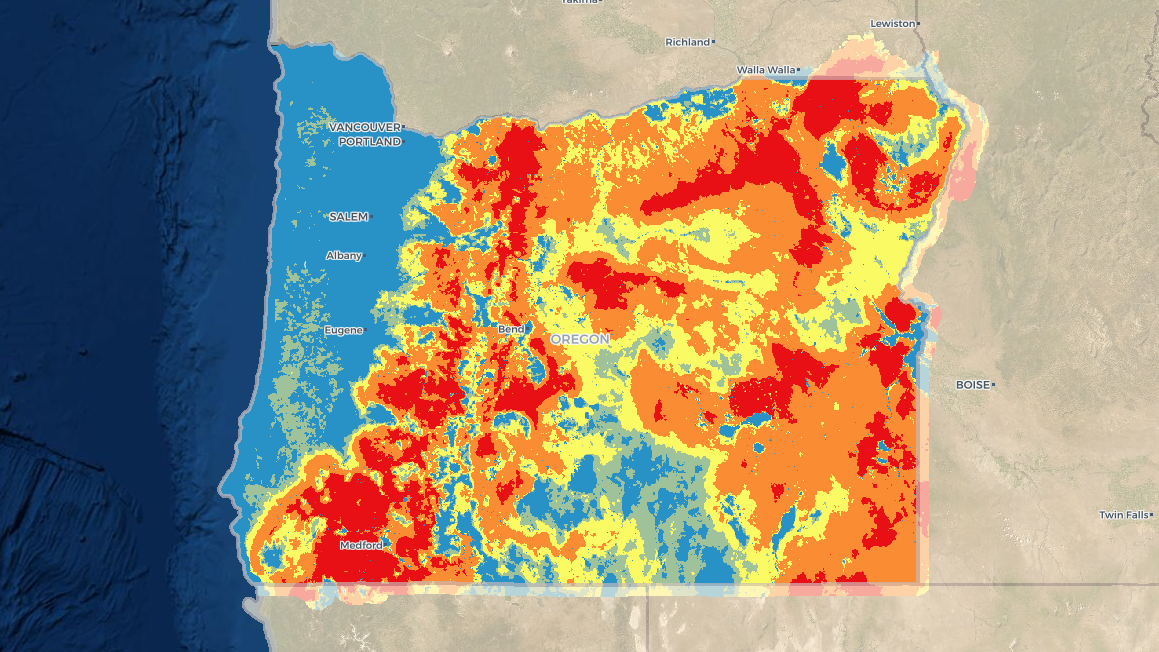
While no place is entirely immune to the indirect effects of wildfires, the Oregon Coast often serves as a relatively smoke-free haven during severe fire seasons. Its proximity to the Pacific Ocean brings cooler temperatures and moist air, significantly reducing local fire risk. Tourists might find that heading to coastal towns like Cannon Beach, Newport, or Astoria offers a welcome escape from inland smoke. However, it’s important to note that prevailing winds can sometimes carry smoke to coastal areas, albeit usually in lighter concentrations and for shorter durations. The Oregon Coast remains a viable alternative for those looking to experience Oregon’s beauty during wildfire season, but checking local conditions remains essential.
Essential Safety and Planning Tips for Oregon Travelers
Responsible tourism during wildfire season involves proactive planning, staying informed, and prioritizing safety.
Staying Informed: Official Sources and Real-time Updates
The most critical step for any tourist is to gather accurate, real-time information. Rely on official sources such as the Oregon Department of Forestry, the Oregon Office of Emergency Management, and local county emergency services. Websites like InciWeb provide detailed information on active wildfires across the country, including those in Oregon. For road conditions and closures, the Oregon Department of Transportation’s TripCheck website is invaluable. Before and during your trip, check these resources daily. Consider signing up for local emergency alerts if you’re staying in one area for an extended period.
Air Quality Considerations and Health Precautions
Wildfire smoke contains fine particulate matter that can be harmful to health, especially for children, the elderly, and individuals with respiratory or heart conditions. Monitor the Air Quality Index (AQI) using resources like AirNow.gov or the Oregon Department of Environmental Quality’s reporting. If AQI levels are unhealthy, minimize time outdoors, keep windows and doors closed, use air purifiers if available, and wear an N95 mask if you must be outside. Many communities also have “clean air shelters” or public buildings with good air filtration where you can seek refuge. Consulting the Smoke Ready Oregon campaign provides additional guidance.
Adjusting Outdoor Activity Plans
Flexibility is key. If your planned hike or camping trip is in an area affected by fire or smoke, be prepared to change course. Many outdoor recreation areas might implement fire restrictions (e.g., no campfires) or even full closures. Instead of heading to a smoke-filled national forest, consider visiting an indoor attraction in Portland, Salem, or Eugene, or exploring the relatively clear skies of the Oregon Coast. Embrace the opportunity to discover different facets of Oregon’s offerings that might be less susceptible to wildfire impacts.
Preparedness for Evacuations and Road Closures
While direct evacuations of tourists are rare, being prepared for potential road closures or advisories is essential. Always have a full tank of gas, carry an emergency kit with water and snacks, and have multiple routes planned for your journey. Understand the local evacuation levels (Level 1: Be Ready, Level 2: Be Set, Level 3: Go Now) and comply immediately with any official instructions. If traveling by RV or with a trailer, ensure you know how to quickly secure and move your vehicle if necessary.
Supporting Oregon’s Tourism Economy Amidst Challenges
Even during wildfire season, Oregon remains open for business, and responsible tourism can play a vital role in supporting local communities.
Responsible Tourism Practices
When traveling during fire season, adopt practices that minimize your environmental footprint and reduce fire risk. This includes being meticulously careful with anything that could spark a fire: properly extinguishing cigarettes, avoiding any outdoor burning or campfires unless explicitly permitted, and never parking hot vehicles in dry grass. Educate yourself on local regulations and adhere strictly to them. Furthermore, consider supporting local businesses in unaffected areas. Dine at local restaurants, shop at small boutiques, and visit local attractions. Your presence and patronage help sustain the economy during challenging times.
Economic Resilience and Community Support
Wildfires inflict a heavy economic toll, not only through property damage but also through lost tourism revenue. Many small towns and businesses in Oregon are heavily reliant on visitors. By making informed choices about where and how to travel, tourists can contribute to the state’s resilience. If a specific area is heavily impacted, consider postponing your trip rather than canceling outright, or redirect your travel to a nearby unaffected region. When you do visit, be patient and understanding with locals who may be dealing with the stress and aftermath of fire events. Your thoughtful engagement can make a significant difference.
The Future of Oregon Tourism in a Changing Climate
Oregon is actively working on strategies to mitigate wildfire risks and adapt to a changing climate, which includes making tourism more resilient. This involves ongoing efforts in forest management, early warning systems, and public education. For tourists, this means that while wildfire season will likely remain a factor, the state is committed to ensuring visitors can continue to experience its unparalleled beauty safely and responsibly. By staying informed, being flexible, and practicing responsible tourism, you contribute to Oregon’s enduring appeal and the sustainability of its cherished natural and cultural attractions for generations to come. Your visit, carefully planned and executed, reinforces the message that Oregon remains a premier destination, ready to welcome explorers.
LifeOutOfTheBox is a participant in the Amazon Services LLC Associates Program, an affiliate advertising program designed to provide a means for sites to earn advertising fees by advertising and linking to Amazon.com. Amazon, the Amazon logo, AmazonSupply, and the AmazonSupply logo are trademarks of Amazon.com, Inc. or its affiliates. As an Amazon Associate we earn affiliate commissions from qualifying purchases.