
Planning a trip along California’s stunning coast often involves navigating the distances between its iconic cities. A popular and incredibly rewarding journey for many travelers is the route from the vibrant metropolis of San Francisco down to the charming coastal city of Monterey. Beyond a simple mileage count, this trip offers a diverse tapestry of landscapes, cultural experiences, and scenic vistas that transform a drive into an unforgettable adventure. Whether you’re seeking efficiency or eager to immerse yourself in the journey itself, understanding the distance, typical travel times, and available routes is crucial for planning your perfect California escapade.
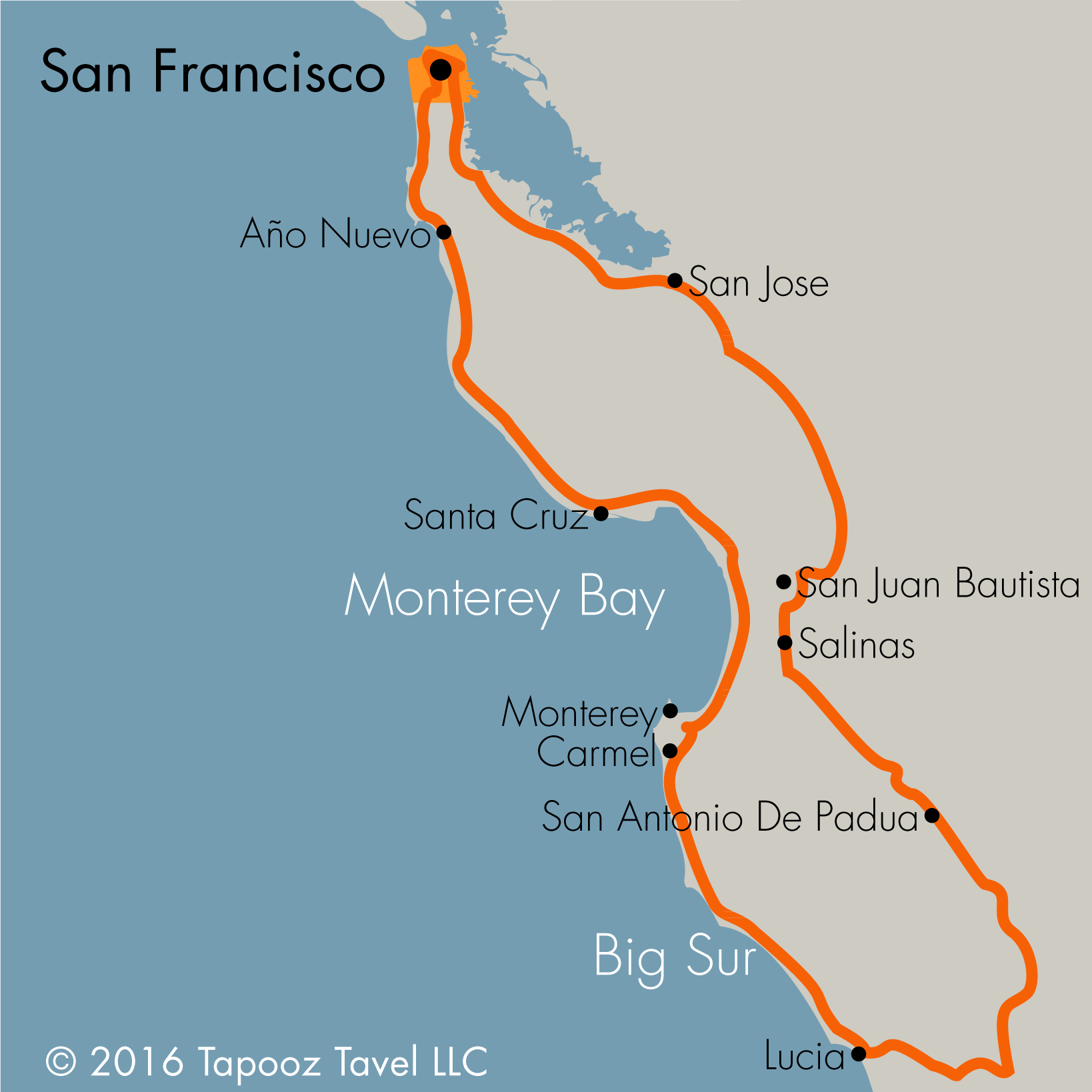
This guide will demystify the logistics of traveling between San Francisco and Monterey, offering insights into the various paths you can take, the time commitment for each, and the unmissable sights that make this particular stretch of the Golden State a world-renowned destination. Prepare to discover the pragmatic and picturesque aspects of this quintessential California road trip.
The Direct Answer: Distance and Travel Time
At its core, the question of “how far” between San Francisco and Monterey can be answered quite simply. The average driving distance is approximately 100 to 120 miles (160 to 193 kilometers), depending on the specific starting point in San Francisco and the chosen route. However, predicting travel time is a more nuanced affair, as it’s heavily influenced by traffic, the route taken, and how many scenic stops you decide to make.
Typical Driving Time Without Stops
Under ideal conditions, with minimal traffic and a direct route, the drive from San Francisco to Monterey can take anywhere from 1 hour and 45 minutes to 2 hours and 30 minutes. This estimate assumes you are taking the fastest available freeway option.
However, “ideal conditions” are often a luxury, especially when departing from or arriving in San Francisco during peak commute hours. Factor in potential delays, and it’s prudent to budget at least 2.5 to 3 hours for the most direct drive. For those opting for the more scenic coastal route, the driving time significantly increases, not just due to lower speed limits and winding roads, but primarily because of the irresistible urge to pull over and admire the breathtaking views.
Choosing Your Route: Scenic vs. Efficient
The journey from San Francisco to Monterey offers two primary driving routes, each with its own distinct character and appeal. Your choice will largely depend on your priorities: speed and efficiency, or breathtaking scenery and leisurely exploration.
U.S. Route 101: The Inland Express
For travelers prioritizing speed and directness, U.S. Route 101 is the preferred option. This freeway route primarily runs inland, bypassing much of the immediate coastline but still offering glimpses of the diverse California landscape.
- Distance: Approximately 100-110 miles (160-177 km).
- Driving Time: 1 hour 45 minutes to 2 hours 30 minutes (without significant traffic or stops).
- Pros: Generally faster, fewer winding roads, less susceptible to coastal fog, and often has more gas stations and dining options directly off the highway. It’s the go-to for business travelers or those on a tighter schedule.
- Cons: Less scenic compared to the coastal route. You’ll primarily see urban sprawl transitioning into agricultural lands and the foothills of the Coastal Range.
- Journey: After navigating out of San Francisco, you’ll head south through the Peninsula cities, past the tech hub of Silicon Valley, before cutting west towards Monterey via California State Route 156 or Highway 1 for the final stretch.
Highway 1: The Coastal Marvel
For those with more time and a desire for stunning panoramas, California State Route 1, more famously known as Highway 1 or the Pacific Coast Highway, is an unparalleled choice. This iconic road hugs the coastline, offering dramatic cliffs, pristine beaches, and charming seaside towns.
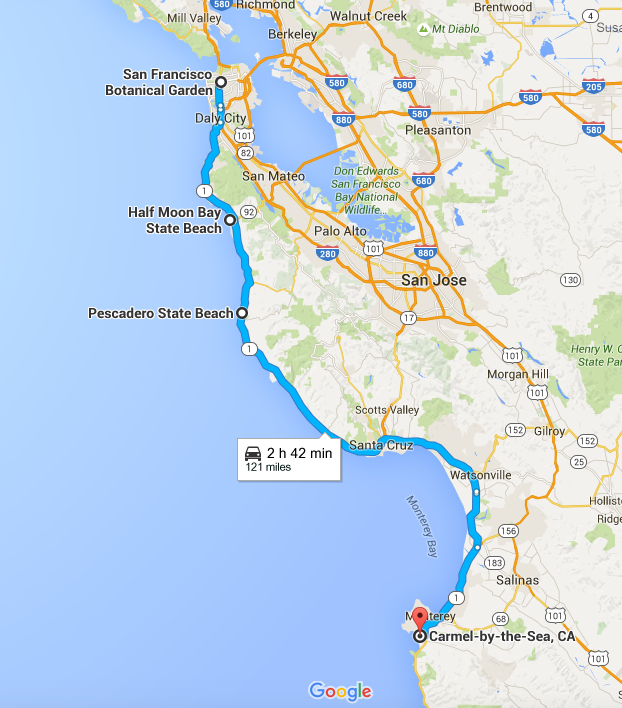
- Distance: Approximately 110-120 miles (177-193 km).
- Driving Time: 3 hours to 5+ hours (easily much longer with stops). This route demands a leisurely pace.
- Pros: Absolutely breathtaking scenery at every turn. You’ll drive past rugged cliffs, expansive ocean views, and picturesque coastal communities. It’s an experience in itself, not just a means to an end.
- Cons: Slower driving speeds, winding roads, potential for heavy fog, and fewer opportunities for quick stops. The road can be narrow in parts, and cell service can be spotty. Rockslides and road closures can occasionally affect certain sections, especially during or after heavy rains. Always check road conditions before departing.
- Journey: From San Francisco, Highway 1 takes you south through charming towns like Pacifica and Half Moon Bay, continuing along the coast to Santa Cruz before reaching Monterey. This route is highly recommended for first-time visitors or anyone with a love for natural beauty.
Essential Stops and Attractions Along the Way
Regardless of whether you choose the express route or the scenic coastal drive, there are numerous opportunities to enhance your journey with memorable stops. The true magic of this trip lies not just in the destination but in the captivating experiences along the way.
From San Francisco to Santa Cruz
The stretch from San Francisco down to Santa Cruz offers a delightful array of attractions, particularly if you opt for Highway 1.
- Half Moon Bay: A picturesque coastal town famous for its pumpkin festival in the fall, excellent surfing spots like Mavericks (for experts), and beautiful beaches. It’s a great place to stop for fresh seafood or a stroll along the harbor.
- Pigeon Point Lighthouse: A historic lighthouse offering stunning ocean views and often a chance to spot migrating whales. The grounds are accessible, providing excellent photo opportunities.
- Año Nuevo State Park: Home to a large mainland breeding colony of northern elephant seals. Depending on the season, you can observe these massive marine mammals in their natural habitat from designated viewing areas, often requiring reservations during peak breeding season (December-March).
- Santa Cruz: A quintessential California beach town. The Santa Cruz Beach Boardwalk, a historic seaside amusement park, is a popular draw. You can also explore the surfing museum at Steamer Lane, walk along the wharf, or wander through the vibrant downtown area.
Santa Cruz to Monterey
Continuing south from Santa Cruz, the landscape shifts, leading you closer to the unique charm of the Monterey Bay area.
- Capitola: A charming village adjacent to Santa Cruz, known for its colorful Venetian-themed hotel and unique wharf. It’s a pleasant spot for a quick break.
- Moss Landing: A working harbor town that’s a prime spot for wildlife viewing, particularly sea otters in the Elkhorn Slough. Several companies offer kayak rentals and wildlife tours here. It also boasts excellent fresh seafood restaurants.
- Castroville: If you’re taking U.S. Route 101, you’ll pass near Castroville, proudly self-proclaimed the “Artichoke Center of the World.” It’s a fun, quirky stop if you’re interested in local agriculture and perhaps want to try some artichoke-themed dishes.
- Carmel-by-the-Sea: Just south of Monterey, this incredibly picturesque village is famous for its fairytale cottages, art galleries, high-end boutiques, and beautiful Carmel Beach. It’s an ideal detour for a romantic stroll or some window shopping.
- 17-Mile Drive: A privately owned scenic toll road through Pebble Beach and Pacific Grove, offering iconic views of the Lone Cypress Tree, world-class golf courses, and stunning coastal estates. It’s a must-do if you have the time and are willing to pay the entrance fee.
Tips for a Smooth Journey
To ensure your drive from San Francisco to Monterey is as enjoyable and stress-free as possible, consider these practical tips.
Best Time to Travel
- Weekdays vs. Weekends: Traveling on weekdays generally means less traffic, especially on U.S. Route 101. Weekends, particularly during summer or holidays, can see significant congestion on both routes.
- Time of Day: Depart early in the morning (before 8 AM) or later in the afternoon (after 6 PM) to avoid San Francisco’s notorious rush hour traffic if taking U.S. Route 101. For Highway 1, early mornings offer clearer skies and fewer crowds at popular viewpoints.
- Seasonality: Spring (April-May) and Fall (September-October) often provide the best weather conditions – fewer crowds than summer, less fog, and pleasant temperatures for coastal exploration. Summer can be busy and foggy, while winter can bring rain and potential road closures on Highway 1.
Essential Packing and Preparations
- Navigation: While cell service is generally good on U.S. Route 101, it can be spotty on sections of Highway 1. Download offline maps for your chosen route.
- Layered Clothing: Coastal California weather is famously unpredictable. Bring layers to accommodate sudden changes from sunny warmth to cool, foggy breezes.
- Snacks and Water: Especially if you’re taking Highway 1 and plan to make several stops, food and drink options can be spaced out.
- Camera: The scenery is spectacular. Ensure your camera or phone is charged and has plenty of storage space.
- Check Road Conditions: Before embarking on your journey, particularly if opting for Highway 1, check the California Department of Transportation (Caltrans) website for any road closures or advisories, especially after heavy rains.
Fueling Up
- Gas stations are plentiful along U.S. Route 101 and in the larger towns on Highway 1. However, be aware that gas prices tend to be higher in smaller coastal towns. It’s wise to fill up your tank before leaving San Francisco or in larger cities along the way.
The drive from San Francisco to Monterey is more than just a commute; it’s an integral part of the California experience. With careful planning and an openness to explore, you can transform a simple question of distance into an extraordinary journey filled with unforgettable sights and memories.
LifeOutOfTheBox is a participant in the Amazon Services LLC Associates Program, an affiliate advertising program designed to provide a means for sites to earn advertising fees by advertising and linking to Amazon.com. Amazon, the Amazon logo, AmazonSupply, and the AmazonSupply logo are trademarks of Amazon.com, Inc. or its affiliates. As an Amazon Associate we earn affiliate commissions from qualifying purchases.