
The question of whether Puerto Rico wants to be a state has been a persistent and complex one, echoing through its history and influencing its present and future. As a vibrant island territory with a rich culture and a unique political status, Puerto Rico has navigated a long and often contentious journey regarding its relationship with the United States. This exploration delves into the historical context, the nuances of public opinion, and the tangible implications of statehood, offering a multifaceted perspective on a debate that continues to shape the island’s destiny.
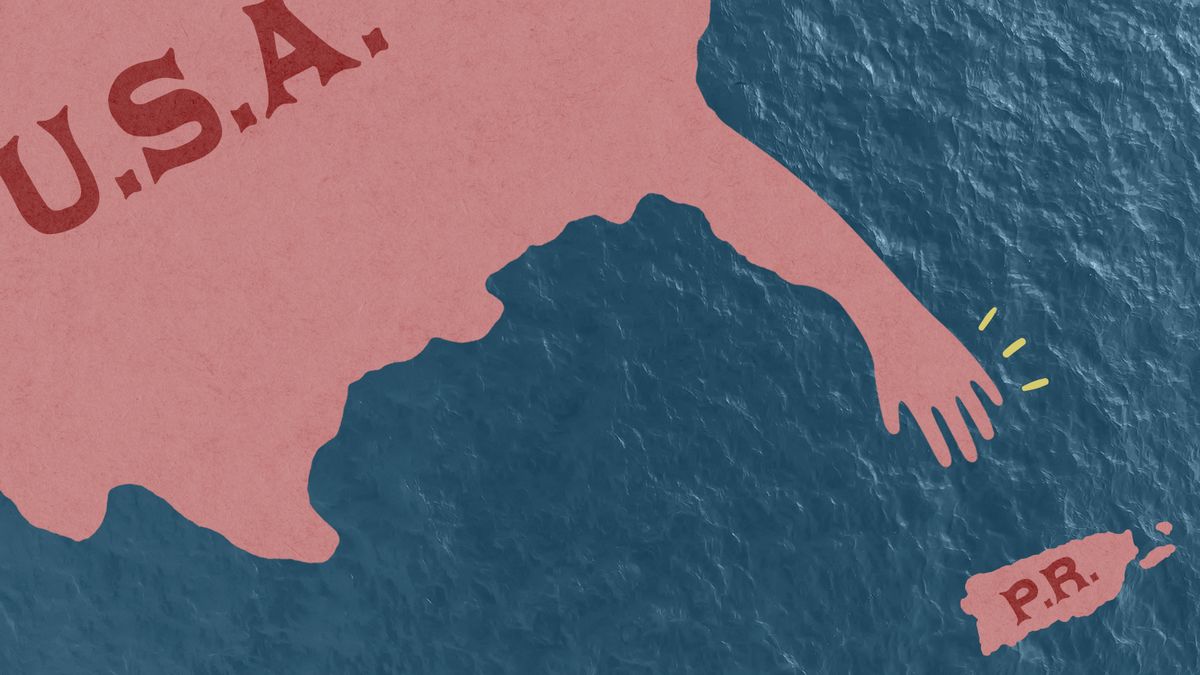
A Shifting Political Landscape: From Colony to Commonwealth
The United States acquired Puerto Rico from Spain in 1898 following the Spanish-American War. Initially, the island was governed as a military possession. Over time, its political status evolved. In 1917, the Jones-Shafroth Act granted Puerto Ricans statutory U.S. citizenship, a significant development that tied the island’s inhabitants more closely to the mainland. However, this citizenship did not automatically confer the full rights and representation of citizens residing in a state.
A pivotal moment arrived in 1952 with the establishment of the Commonwealth of Puerto Rico. This move, hailed by many as a step towards greater self-governance, created a unique political arrangement. Puerto Rico gained a degree of autonomy, with its own constitution and elected governor. Yet, it remained subject to U.S. federal law, and its residents, despite being U.S. citizens, could not vote in U.S. presidential elections and lacked voting representation in Congress. This “commonwealth” status, while granting some local control, also cemented a subordinate relationship, a point of contention for many who felt it fell short of true self-determination or full equality.
The Persistent Question of Statehood
The debate over Puerto Rico‘s ultimate political status has never truly abated. For decades, various factions have advocated for different paths: independence, enhanced commonwealth status, or statehood. Among these, statehood has consistently garnered significant support, albeit with fluctuating intensity. Proponents of statehood argue that it represents the most viable path to full equality for Puerto Rico‘s citizens. They envision statehood as the key to unlocking economic prosperity, ensuring equal participation in the U.S. political system, and resolving the inherent inequalities of the current territorial status.
Arguments for statehood often highlight the benefits of full representation in Congress, including voting senators and representatives who can advocate for the island’s interests. This increased political clout, it is believed, would lead to greater federal funding, more equitable treatment in federal programs, and a stronger voice in national policy decisions. Furthermore, proponents suggest that statehood would stimulate economic growth by eliminating certain trade barriers and fostering greater investment confidence, integrating Puerto Rico more seamlessly into the U.S. economy. This perspective often points to the economic disparities between Puerto Rico and the continental United States as a stark illustration of the limitations of its current status.
Referendums and Shifting Public Opinion
The question of Puerto Rico‘s status has been put to the vote multiple times through referendums. These plebiscites, however, have often been marred by controversy, varying levels of participation, and differing interpretations of their mandates.
Early Referendums and Their Ambiguities
The first major status plebiscite was held in 1967. In this vote, the majority of Puerto Ricans opted to retain the commonwealth status. Subsequent referendums in 1993 and 1998 also saw commonwealth status emerge as the preferred option or secure significant support, though statehood consistently garnered a substantial minority of votes.

However, these early referendums were often criticized for their wording, the options presented, and the political climate in which they were held. Critics argued that the options were not always clearly defined, leading to confusion among voters. The results, while indicating a preference for the status quo at the time, did not definitively settle the debate.
The 2012 and 2017 Plebiscites: A Shift in Momentum?
A more decisive, though still debated, shift in public opinion appeared to emerge in the 2012 and 2017 plebiscites. In the 2012 vote, 54% of voters rejected the current commonwealth status and expressed a desire for a new, undefined status. When presented with specific options in a second question, 61% chose statehood. This result was seen by many as a clear mandate for statehood, galvanizing supporters and prompting increased attention from the U.S. federal government.
The 2017 plebiscite, however, faced significant challenges. Turnout was exceptionally low, with less than 25% of eligible voters participating. This low turnout was partly due to a boycott by pro-commonwealth and pro-independence groups who deemed the referendum flawed. The results, though overwhelmingly favoring statehood (with over 97% of the votes cast), were therefore seen as lacking broad legitimacy by many. Despite the controversy, the sheer dominance of the statehood vote in the limited participation was undeniable and kept the statehood question on the political agenda.
The Complex Realities of Statehood
The prospect of Puerto Rico becoming the 51st state is not merely a political question; it carries profound economic, social, and cultural implications. For any meaningful change to occur, it would require an act of the U.S. Congress, which has the ultimate authority to admit new states.
Economic and Social Ramifications
The economic arguments surrounding statehood are particularly complex. Proponents envision increased federal funding, particularly in areas like Medicare, Medicaid, and infrastructure development, which could significantly boost the island’s economy. However, critics raise concerns about the potential impact of federal taxes on individuals and businesses in Puerto Rico, which currently does not pay federal income tax on income earned on the island. There are also debates about whether statehood would truly alleviate the island’s long-standing economic challenges, which are influenced by a myriad of factors beyond its political status, including its debt crisis and reliance on federal aid.
From a social and cultural perspective, statehood would mean full integration into the U.S. system. This could lead to greater access to federal programs and benefits, potentially improving living standards. However, there are also concerns about the potential erosion of Puerto Rico‘s distinct cultural identity. While U.S. citizenship is already a reality, the full embrace of statehood might bring about greater pressures for linguistic assimilation and cultural alignment with the mainland, a prospect that worries many who cherish Puerto Rico‘s unique heritage, its vibrant music, its distinct cuisine, and its Spanish-speaking identity.
The U.S. Congress and the Path Forward
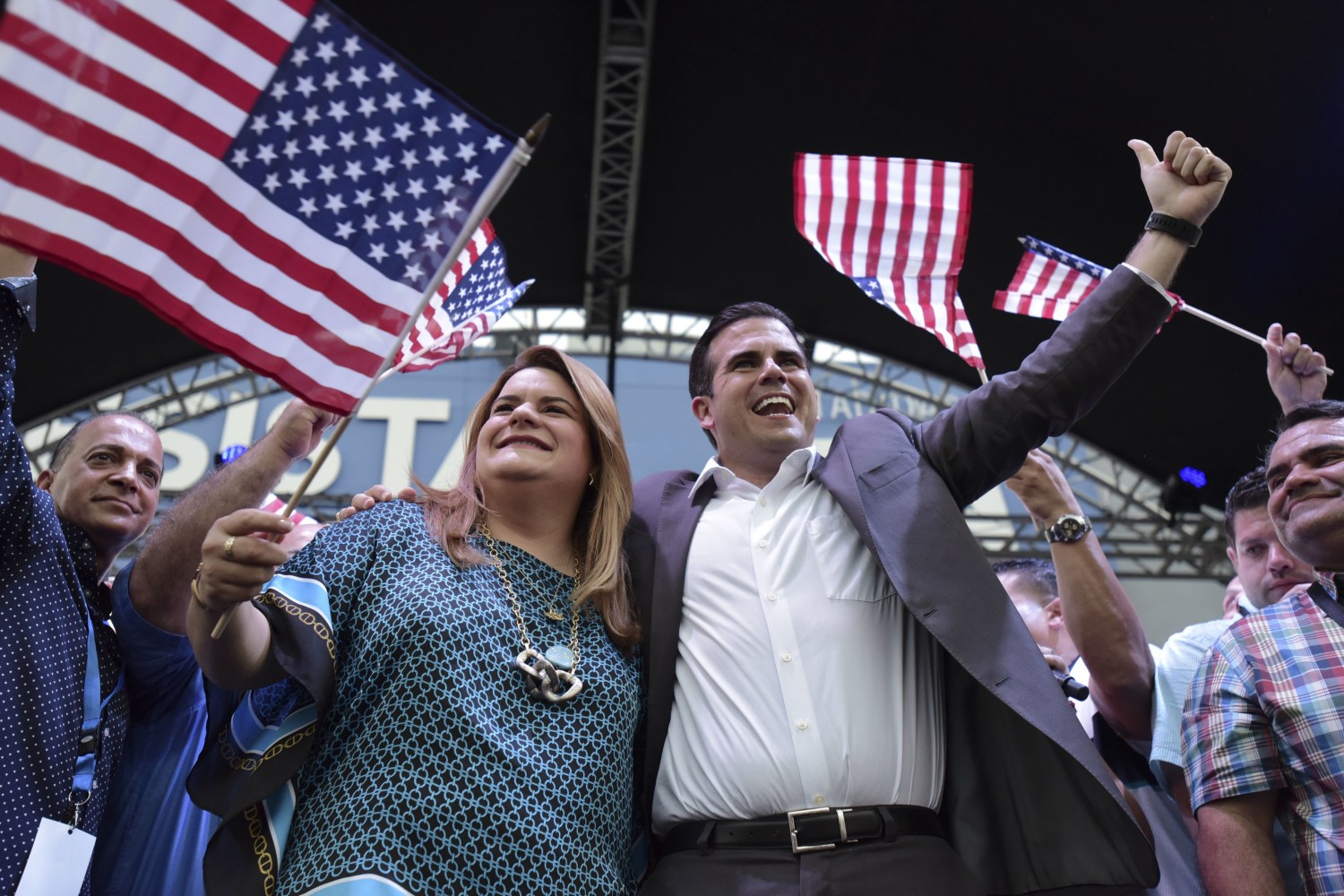
Ultimately, the decision of whether Puerto Rico becomes a state rests with the U.S. Congress. While referendums express the will of the Puerto Rican people, they do not automatically enact change. The island’s political representatives in Washington, D.C., have been actively advocating for statehood, introducing legislation and seeking to build bipartisan support. However, the political climate in the United States has often been divided on the issue, with various factions within both major parties holding differing views.
The journey towards statehood, or any other permanent political status for Puerto Rico, is a testament to the enduring complexities of self-determination, political representation, and national identity. The question of “Did Puerto Rico want to be a state?” is not a simple yes or no. It is a question that has been answered differently by different groups of Puerto Ricans at different times, reflecting a dynamic and deeply personal aspiration for a future that offers equality, prosperity, and the preservation of its cherished culture. The ongoing dialogue and the pursuit of a definitive resolution continue to shape the narrative of this fascinating Caribbean island.
LifeOutOfTheBox is a participant in the Amazon Services LLC Associates Program, an affiliate advertising program designed to provide a means for sites to earn advertising fees by advertising and linking to Amazon.com. Amazon, the Amazon logo, AmazonSupply, and the AmazonSupply logo are trademarks of Amazon.com, Inc. or its affiliates. As an Amazon Associate we earn affiliate commissions from qualifying purchases.