
Las Vegas, Nevada, often referred to as Sin City, is a premier global destination renowned for its vibrant nightlife, world-class entertainment, luxurious resorts, and diverse culinary scene. While the bright lights of The Strip capture immediate attention, for many travelers, especially those planning to drive to or around this desert oasis, a practical question looms large: “How much is gas in Las Vegas?” Understanding fuel costs is an essential component of any travel budget, impacting everything from rental car choices to day trip feasibility. This guide delves into the specifics of gas prices in Las Vegas, offering insights into what influences them, how to budget effectively, and strategies for minimizing your spend while maximizing your travel experience.
The Current Landscape of Fuel Prices in Las Vegas
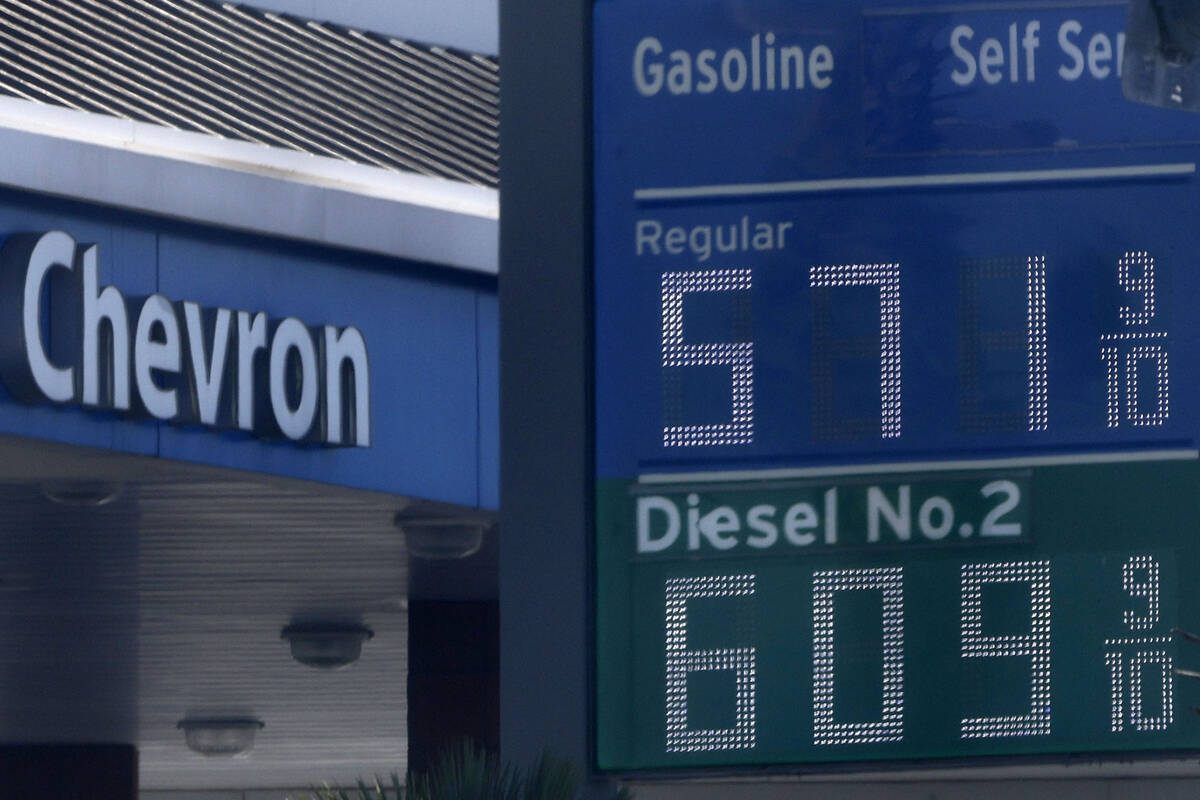
Fuel prices are a dynamic and often unpredictable factor in travel planning. In a city like Las Vegas, which attracts millions of visitors annually, understanding these costs is paramount. Nevada generally sees gas prices that are higher than the national average, a trend that is often amplified in major tourist hubs like Las Vegas itself.
Understanding Nevada’s Gas Market
Nevada’s geographical location plays a significant role in its fuel pricing. The state is landlocked, meaning most of its refined petroleum products are transported via pipelines from refineries in California or Utah, or by truck from other states. This reliance on external supply chains adds to the cost of transportation, which is ultimately passed on to the consumer. Furthermore, state and federal taxes contribute a substantial portion to the pump price. Nevada’s excise tax on gasoline, coupled with federal taxes, places it among the states with higher fuel taxes, further elevating the base price before any market fluctuations.
Factors Influencing Las Vegas Fuel Costs
Beyond the general state-level factors, several specific elements can drive up or down gas prices within Las Vegas itself:
- Proximity to The Strip and Tourist Areas: Unsurprisingly, gas stations located directly on or immediately adjacent to The Strip or in high-traffic tourist zones tend to have the highest prices. Convenience often comes at a premium, and these stations cater to travelers willing to pay more for ease of access.
- Local Competition: The level of competition among gas stations in a particular area can influence pricing. Areas with numerous stations vying for customers might see more competitive rates compared to isolated locations.
- Brand and Station Type: Major brand-name stations might sometimes charge a bit more due to perceived quality or amenities. Independent stations or those associated with large retailers (like Costco or Sam’s Club) often offer more competitive prices, especially if they require a membership.
- Time of Year and Demand: Seasonal variations in tourism can subtly affect gas prices. Peak tourist seasons (e.g., major holidays, spring break, summer) might see slight increases due to higher demand. However, broader global and national oil market trends usually have a more significant impact than local seasonal demand.
- Global Oil Prices and Refinery Issues: The most significant influence on gas prices, both locally and nationally, remains the global price of crude oil and the operational status of refineries. Geopolitical events, supply chain disruptions, and refinery maintenance schedules can cause rapid and significant price swings.
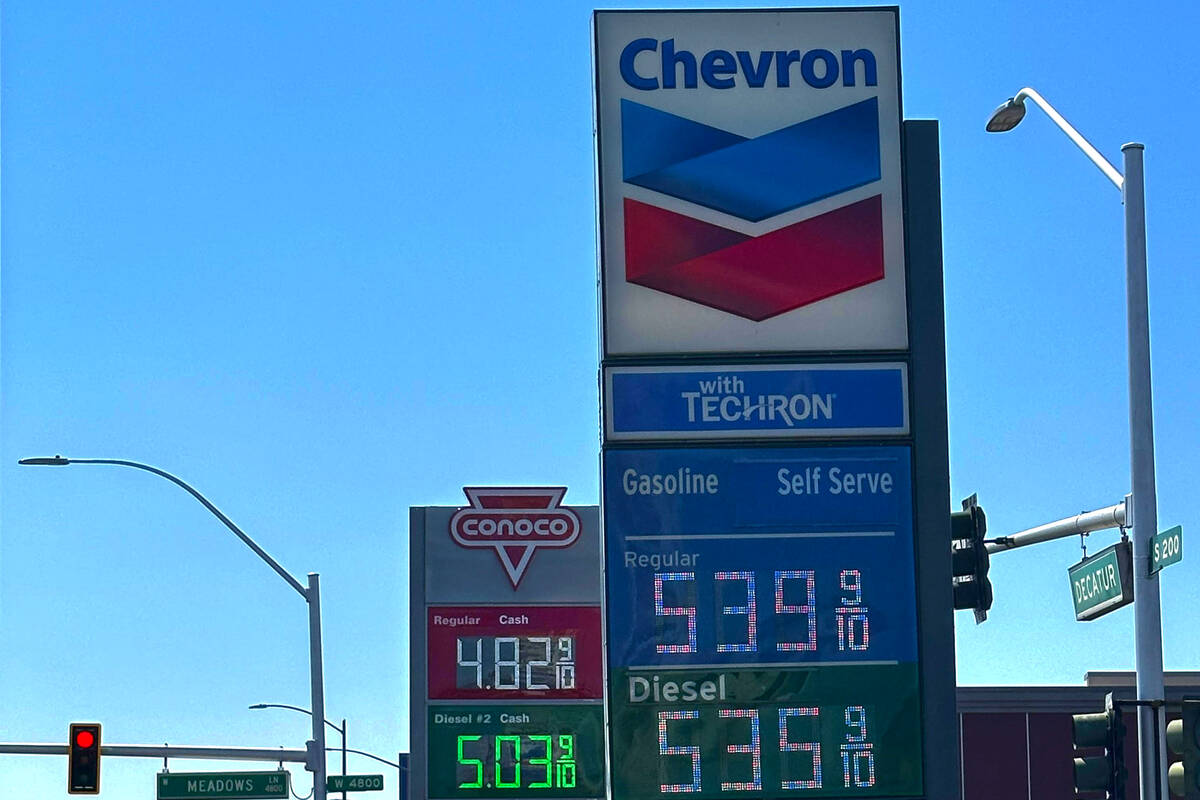
Travelers should anticipate gas prices in Las Vegas to generally hover above the national average, often fluctuating within a range that is comparable to or slightly higher than prices in California. Checking current average prices just before your trip is always advisable.
Budgeting for Gas on Your Las Vegas Trip
Effective budgeting is crucial for any successful travel experience, and understanding your potential fuel expenses in Las Vegas is no exception. Whether you’re flying in and renting a car or driving your own vehicle, planning ahead can prevent unexpected costs.
Estimating Your Driving Needs
The amount you’ll spend on gas in Las Vegas largely depends on your itinerary. If your plan is to stay exclusively on The Strip and utilize taxis, rideshares, or the monorail, your gas expenses will be minimal, perhaps just for airport transfers. However, if you intend to explore:
- Off-Strip Attractions: Visiting downtown Las Vegas (Fremont Street Experience), checking out local parks, or exploring neighborhoods like Henderson or North Las Vegas will require some driving.
- Day Trips: Las Vegas is a fantastic base for exploring iconic natural wonders. Popular day trips include Red Rock Canyon (about 17 miles west), the Hoover Dam (about 35 miles southeast), Lake Mead (similar distance), or even more ambitious ventures like Death Valley National Park (California, 120 miles west) or the Grand Canyon West Rim (Arizona, 120 miles east). Each of these requires significant fuel consumption.
Calculate your estimated mileage for your planned activities and factor in your vehicle’s fuel efficiency (MPG). A rough estimate can be made by taking the total round-trip mileage for your longest planned drives, adding a buffer for local cruising, and dividing by your car’s MPG. Multiply this by the current average gas price to get a ballpark figure.
Rental Car Considerations
When renting a car in Las Vegas, several gas-related factors come into play:
- Fuel Policy: Most rental companies operate on a “full-to-full” policy, meaning you pick up the car with a full tank and return it full. Failing to refuel will result in exorbitant per-gallon charges from the rental company. Always fill up yourself before returning the vehicle.
- Vehicle Type: Economy cars are more fuel-efficient than SUVs or luxury vehicles. Consider your group size and luggage needs against potential fuel savings.
- Pre-Paid Fuel Option: Rental companies often offer a pre-paid fuel option where you buy a tank of gas at a discounted rate. This can be convenient, but it’s rarely cost-effective unless you plan to return the car with an absolutely empty tank, which is hard to achieve. For most travelers, filling up independently is the cheaper option.
- Airport Surcharge: Gas stations immediately surrounding McCarran International Airport (now Harry Reid International Airport) may have slightly higher prices due to convenience for returning rental cars. It’s often worth driving a few miles away to find a better deal.
Strategies for Finding Cheaper Gas in Sin City
While gas prices in Las Vegas might be higher than in some other parts of the country, there are definite strategies you can employ to save money at the pump. Smart planning can significantly reduce this travel expense, freeing up funds for other experiences.
Leveraging Technology and Apps
The digital age has made finding affordable gas easier than ever.
- GasBuddy and Similar Apps: Apps like GasBuddy, Waze, or Google Maps allow users to report current gas prices at stations in real-time. By checking these apps, you can quickly identify the cheapest gas within your vicinity, often saving significant amounts per gallon. Always check the last updated time to ensure accuracy.
- Membership Discounts: If you’re a member of AAA or other similar organizations, check for any partnerships or discounts they may offer at certain gas stations.
- Loyalty Programs: Some gas station chains have loyalty programs that offer per-gallon discounts. If you’re staying for an extended period or planning a road trip through Nevada, it might be worth signing up.
Best Areas for Fueling Up
Avoiding The Strip and downtown is the golden rule for finding cheaper gas in Las Vegas. Instead, venture to these areas:
- Residential Neighborhoods: Areas like Henderson, North Las Vegas, or suburban spots west of The Strip (e.g., along I-215 or near major shopping centers) typically have more competitive pricing due to higher local competition and less tourist demand.
- Major Retailers: Stations associated with large retailers like Costco, Sam’s Club, or even some grocery stores often offer the lowest prices, especially if you have a membership. Plan your refueling stops around these locations.
- Off Major Highways (Slightly): While stations directly on I-15 or other major highways might be convenient, they sometimes charge more. A quick detour (1-2 miles) into a nearby town or commercial area can yield better prices.
Avoiding Premium Prices
Unless your vehicle specifically requires premium fuel (check your owner’s manual), always opt for regular unleaded. Modern engines are designed to run efficiently on regular gasoline, and paying extra for premium when it’s not needed is a waste of money that offers no performance benefits. Be mindful of rental car requirements as well; most standard rentals only need regular fuel.
Impact of Gas Prices on Las Vegas Travel Experiences
While gas prices are a practical concern, they also influence how visitors choose to experience Las Vegas and its surroundings. Understanding this impact can help you make informed decisions about your itinerary.
Exploring Beyond The Strip
High gas prices can sometimes deter travelers from venturing beyond The Strip’s immediate vicinity. However, Las Vegas offers so much more than its central entertainment hub. Downtown’s Fremont Street Experience, the Arts District, and numerous local eateries provide unique cultural insights. If your budget allows for it, or if you employ the fuel-saving strategies mentioned above, making these short drives is highly recommended. The local perspective can significantly enrich your trip.
Day Trips and Excursions
Las Vegas’ strategic location makes it an ideal launchpad for exploring some of the most breathtaking natural landscapes in the American Southwest.
- Red Rock Canyon National Conservation Area: A mere 30-minute drive, this area offers stunning scenic drives, hiking trails, and rock climbing. Its proximity makes it a very fuel-efficient day trip.
- Hoover Dam and Lake Mead: Approximately an hour’s drive, this iconic engineering marvel and the vast reservoir provide historical interest and recreational opportunities.
- Valley of Fire State Park: About an hour northeast, Nevada’s oldest state park is famous for its vibrant red Aztec sandstone outcrops.
- Grand Circle Tours: For those willing to invest more time and fuel, multi-day trips to the Grand Canyon (South or West Rim), Zion National Park, or Bryce Canyon National Park are unforgettable experiences. When gas prices are high, these longer excursions require more significant budgeting. Carpooling, if traveling with a group, can help mitigate individual costs.
Balancing Costs with Convenience
Ultimately, the decision of how much to drive and where to fuel up comes down to a balance between cost savings and convenience. Sometimes, paying a few cents more per gallon at a closer station is worth the time saved, especially if you’re on a tight schedule or unfamiliar with the area. However, for those with a keen eye on their budget, a little extra planning and a short detour can lead to substantial savings over the course of a trip. Consider the overall value and experience you’re seeking.
Future Outlook and Long-Term Planning
While short-term gas prices can be volatile, understanding broader trends can help with long-term travel planning, especially if you frequently visit Las Vegas or are planning a future road trip.
Seasonal Trends and Economic Factors
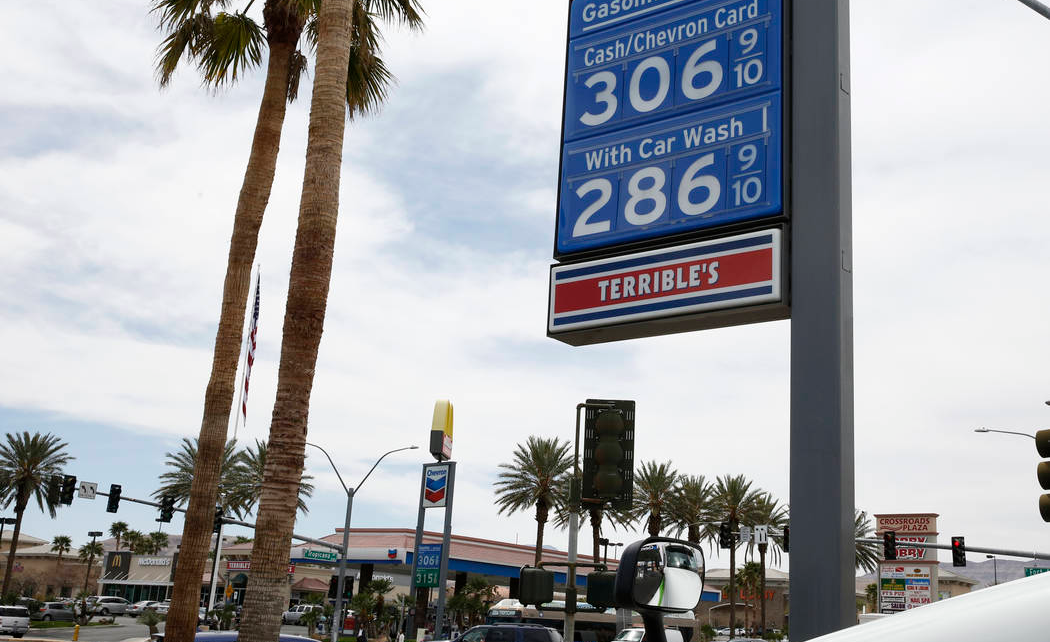
Historically, gas prices tend to rise in the spring and summer months due to increased demand from summer travel and the switch to more expensive summer-blend gasoline. Prices often cool down in the fall and winter. However, global events, production cuts, and economic shifts (like recessions or booms) can override these seasonal patterns. Staying informed about energy market news from reliable sources can provide a general sense of where prices might be headed.
Sustainable Travel Alternatives
For travelers concerned about both gas prices and environmental impact, Las Vegas and its surrounding areas are slowly expanding options for sustainable travel. Electric vehicle (EV) charging stations are becoming more prevalent, particularly at newer resorts and public charging networks. If you own an EV or are considering renting one, research charging infrastructure along your planned routes. While still a developing option, embracing electric or hybrid vehicles could be a long-term strategy for mitigating fuel costs and reducing your carbon footprint during your Las Vegas adventures.
In conclusion, gas prices in Las Vegas, Nevada, are generally above the national average due to a confluence of state taxes, transportation costs, and local demand. However, with careful budgeting, strategic use of technology, and an awareness of where to find the best deals, travelers can effectively manage their fuel expenses and enjoy all that Sin City and its stunning surroundings have to offer without breaking the bank. Always check current prices before you travel, plan your routes efficiently, and prioritize your spending to ensure a smooth and enjoyable journey.
LifeOutOfTheBox is a participant in the Amazon Services LLC Associates Program, an affiliate advertising program designed to provide a means for sites to earn advertising fees by advertising and linking to Amazon.com. Amazon, the Amazon logo, AmazonSupply, and the AmazonSupply logo are trademarks of Amazon.com, Inc. or its affiliates. As an Amazon Associate we earn affiliate commissions from qualifying purchases.