
The Lone Star State, a vast expanse of diverse landscapes and booming metropolises, beckons travelers with its unique blend of Western charm and modern sophistication. From the sun-drenched coasts of the Gulf of Mexico to the rolling hills of the Hill Country and the rugged beauty of West Texas, the appeal of Texas is undeniable. But beyond its captivating attractions and vibrant culture, a fundamental question often arises for those planning a visit or simply curious about this immense state: “How Many People Are In Texas?” Understanding the population of Texas is not just an academic exercise; it provides crucial context for planning your adventures, from navigating bustling city centers to finding serene escapes.
This guide delves into the demographic heartbeat of Texas, exploring its population dynamics and what it means for your travel experiences. We’ll touch upon the most populous areas that draw millions, the growth trends shaping the state’s future, and how this population density influences everything from the availability of luxury accommodations to the vibrant tapestry of local cuisine. Whether you’re considering a stay at the Four Seasons Hotel Austin, exploring the historic streets of San Antonio, or embarking on a road trip through the vast plains, knowing the pulse of the state will enrich your journey.
The Shifting Sands of Texas Demographics
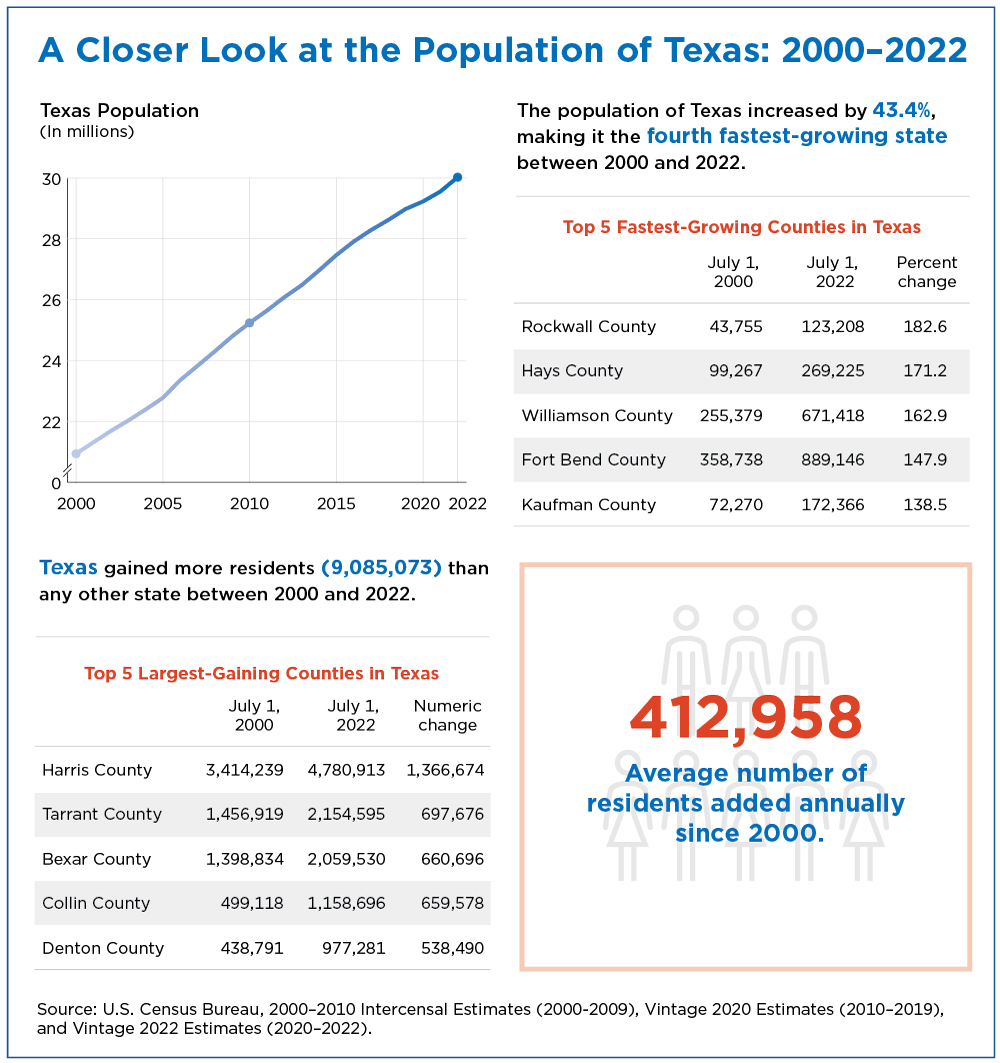
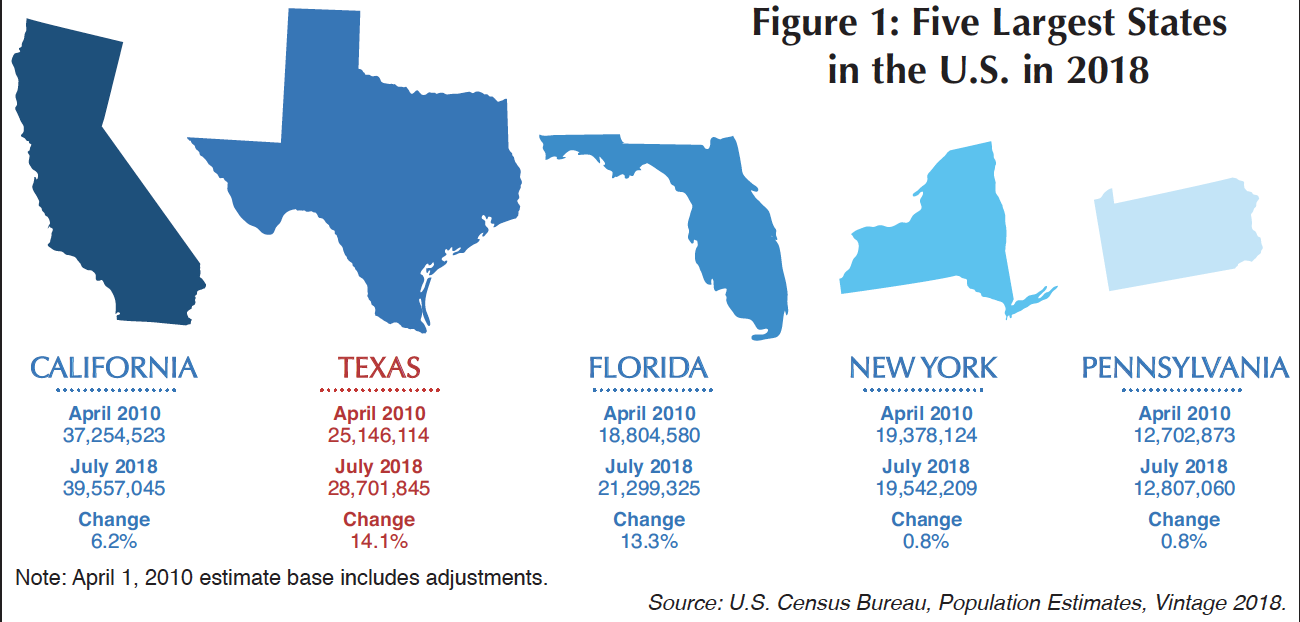
Texas is not a static entity; it’s a state in constant motion, characterized by rapid population growth and evolving urban landscapes. As of recent estimates, the population of Texas has surged past the 30 million mark, making it the second-most populous state in the United States, trailing only California. This remarkable growth isn’t a recent phenomenon; it’s a sustained trend driven by a confluence of economic opportunities, a lower cost of living compared to other major states, and an attractive lifestyle that appeals to a diverse range of people.
This population surge has a direct impact on the travel and tourism industry. It means more vibrant cities, more diverse culinary scenes, and a wider array of experiences to be discovered. It also implies a need for robust infrastructure to accommodate the influx of residents and visitors alike. Understanding where these millions of people are concentrated is key to planning your exploration of Texas.
The Metropolitan Magnets: Where Most Texans Call Home
The population of Texas is not evenly distributed. Instead, it’s concentrated in its major metropolitan areas, which serve as economic powerhouses and cultural hubs. These sprawling urban centers offer a wealth of attractions, from world-class museums and live music venues to an eclectic mix of dining and shopping experiences.
The Big Four: Pillars of Texas Population
At the forefront of Texas’s population centers are its four largest metropolitan areas, often collectively referred to as the “Big Four.” Each of these regions boasts a population in the millions, contributing significantly to the state’s overall demographic profile.
-
Houston Metropolitan Area: As the most populous metropolitan area in Texas and the fourth-largest in the United States, the Houston region is a global center for energy, medicine, and aerospace. Its diverse population fuels a rich cultural tapestry and an incredible culinary scene, with everything from authentic Vietnamese pho to upscale Tex-Mex. For travelers, Houston offers attractions like the Space Center Houston and the renowned Museum District, with accommodations ranging from the luxurious Hotel ZaZa Museum District to budget-friendly apartments.
-
Dallas-Fort Worth Metroplex: This dynamic region, often abbreviated as DFW, is a major economic and cultural hub in North Texas. It’s a land of sprawling suburbs, bustling business districts, and a thriving arts and entertainment scene. Dallas itself is known for its upscale shopping, vibrant nightlife, and significant historical sites like the Sixth Floor Museum at Dealey Plaza. Fort Worth, on the other hand, embraces its Western heritage with the iconic Fort Worth Stockyards National Historic District and world-class rodeos. The DFW area offers a vast array of hotels, from luxury resorts like the Ritz-Carlton Dallas to boutique hotels catering to every traveler’s needs.
-
San Antonio Metropolitan Area: Steeped in history and rich with Spanish colonial heritage, San Antonio offers a unique cultural experience. Its most famous landmark, The Alamo (The Alamo), draws millions of visitors annually, alongside the picturesque Riverwalk, lined with restaurants, shops, and hotels. The city’s population is a testament to its enduring appeal, blending Texan traditions with a distinctively Mexican influence. For accommodation, you can find charming boutique hotels near the Riverwalk or expansive resorts for a more leisurely stay.
-
Austin Metropolitan Area: Known as the “Live Music Capital of the World,” Austin is a vibrant and eclectic city that attracts a young and dynamic population. Its thriving music scene, innovative tech industry, and commitment to outdoor living contribute to its unique lifestyle. Visitors flock to Austin for its live music venues on Sixth Street, its beautiful parks and lakes, and its renowned culinary offerings, from food trucks to farm-to-table restaurants. Accommodation in Austin ranges from trendy boutique hotels to comfortable suites, catering to both budget-conscious travelers and those seeking a touch of luxury.
These four metropolitan areas, while distinct in their character and offerings, collectively house a significant portion of Texas’s population. This concentration of people directly translates into a wealth of travel opportunities, from exploring diverse neighborhoods to experiencing world-class amenities.
Beyond the Big Four: Growing Pockets of Population
While the Big Four dominate the population landscape, it’s important to acknowledge the growth and significance of other urban centers and their surrounding regions across Texas. As metropolitan areas expand, their influence often spills over into adjacent counties, creating larger, interconnected economic and social zones.

-
San Antonio-Austin Corridor: The stretch of highway between San Antonio and Austin has become one of the fastest-growing regions in the nation, with cities like San Marcos and New Braunfels experiencing significant population booms. This corridor offers a unique blend of natural beauty, with rivers and rolling hills, and a growing number of attractions and dining options, making it an increasingly popular destination for both long-term stays and short visits.
-
El Paso Metropolitan Area: Located on the western tip of Texas, bordering Mexico, El Paso boasts a rich cultural heritage influenced by its border location. Its population contributes to a vibrant local culture and a distinctive culinary scene. Visitors can explore historical missions and enjoy the dramatic desert landscapes surrounding the city.
-
The Panhandle and West Texas: While less densely populated, regions like the Texas Panhandle, centered around Amarillo, and West Texas, with cities like Lubbock, are also experiencing growth. These areas offer a different kind of Texas experience, characterized by wide-open spaces, rugged natural beauty, and a strong sense of history. Attractions like the Palo Duro Canyon State Park near Amarillo provide opportunities for outdoor adventure.
The growth in these secondary urban areas and corridors means that even outside the major metropolises, Texas offers a diverse range of experiences and accommodations. Travelers seeking a more laid-back atmosphere or interested in exploring the state’s vast natural landscapes will find plenty to discover.
The Impact of Population on Your Texas Travel Experience
The sheer number of people in Texas has a palpable impact on how you experience the state. From booking your accommodations to navigating attractions, understanding the demographic context can help you plan a more enjoyable and seamless trip.
Accommodation and Availability
With millions of residents and a constant stream of tourists, the demand for accommodation in Texas is consistently high, particularly in popular destinations.
-
Booking in Advance: For major cities like Austin, Dallas, and Houston, especially during peak seasons or around major events, booking hotels, apartments, or villas well in advance is crucial. Popular choices, such as the Thompson Austin or the Rosewood Mansion on Turtle Creek, can fill up months ahead of time.
-
Variety of Options: The large population and diverse visitor base have spurred a wide range of accommodation options. You can find everything from luxurious resorts offering extensive amenities like spas and fine dining, such as the Omni Barton Creek Resort & Spa, to budget-friendly hotels, charming bed and breakfasts, and serviced apartments for longer stays. This variety ensures that travelers of all budgets and preferences can find a comfortable base.
-
Long-Term Stays: For those considering a more extended visit, perhaps for business or to explore a region in depth, serviced apartments and extended-stay hotels are readily available in most major cities, offering the convenience of home-like amenities with the flexibility of hotel living.
Navigating Attractions and Experiences
The popularity of Texas as a travel destination, fueled by its large resident population and growing tourism, means that popular attractions can get crowded.
-
Popular Landmarks: Iconic sites like The Alamo (The Alamo), the Space Center Houston, and the Texas State Capitol in Austin are magnets for visitors. Visiting during off-peak hours or weekdays can offer a more relaxed experience. Pre-booking tickets for popular attractions is often recommended to avoid long queues.
-
Culinary Delights: The diverse population of Texas has created an extraordinary culinary landscape. From authentic barbecue joints and Tex-Mex cantinas to innovative fine-dining establishments, the food scene is a major draw. Popular restaurants, especially those with a unique concept or a celebrated chef, can require reservations, sometimes weeks in advance. Exploring local food tours can be a fantastic way to experience the diverse flavors of cities like Houston or San Antonio.
-
Outdoor Activities: Texas boasts incredible natural beauty, from the beaches of the Gulf Coast to the vastness of Big Bend National Park (Big Bend National Park). While these natural wonders can accommodate large numbers of people, popular trailheads and campsites can become busy, especially during weekends and holidays. Planning your visit to national and state parks with an understanding of potential crowds can enhance your enjoyment of the natural landscapes.
In conclusion, the question of “How Many People Are In Texas?” opens up a fascinating discussion about a state that is not only vast in size but also immense in its human presence. With a population exceeding 30 million and a growth trajectory that continues to shape its identity, Texas offers an ever-evolving canvas for exploration. Whether you are drawn to the bustling energy of its major cities, the serene beauty of its natural landscapes, or the rich tapestry of its local cultures, understanding the demographic heartbeat of the Lone Star State will undoubtedly enrich your travel experiences and help you navigate its many wonders with ease. The sheer number of people is not just a statistic; it’s a testament to the enduring appeal and dynamic spirit of Texas.
LifeOutOfTheBox is a participant in the Amazon Services LLC Associates Program, an affiliate advertising program designed to provide a means for sites to earn advertising fees by advertising and linking to Amazon.com. Amazon, the Amazon logo, AmazonSupply, and the AmazonSupply logo are trademarks of Amazon.com, Inc. or its affiliates. As an Amazon Associate we earn affiliate commissions from qualifying purchases.