
The allure of Texas is undeniable, a state synonymous with wide-open spaces, a rich cultural tapestry, and a booming economy. For many, the dream of owning a piece of this vast landscape, whether for a sprawling ranch, a new business venture, or a peaceful retreat, is a powerful one. But when considering such a significant investment, the question naturally arises: How much does an acre of land actually cost in the Lone Star State? The answer, as with most things in Texas, is not a simple one. The cost of land is a complex mosaic, influenced by a multitude of factors, from its geographical location within the state to its intended use and the prevailing economic winds.
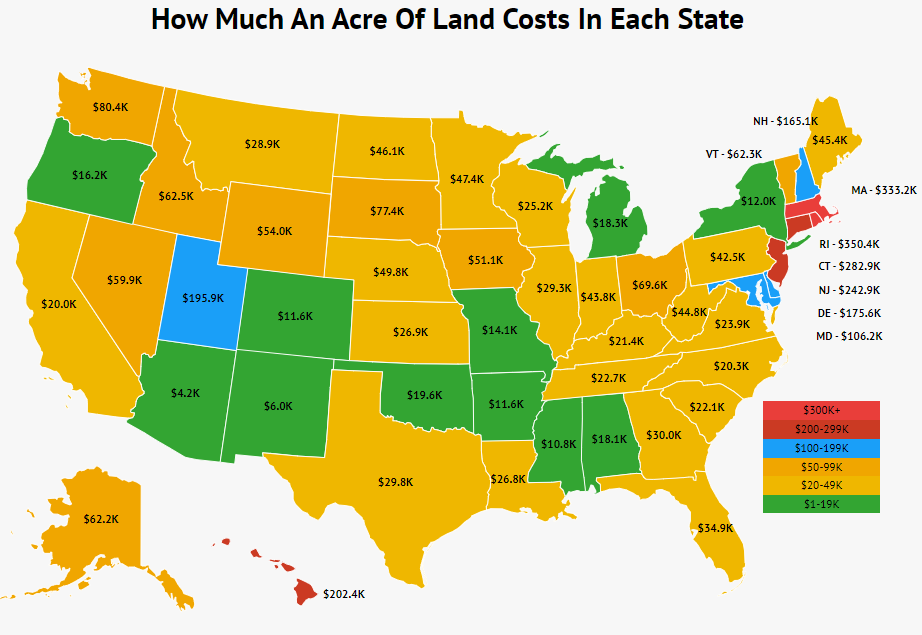
While Texas is the second-largest state in the United States by both area and population, its land prices vary dramatically. From the bustling metropolises like Houston and Dallas-Fort Worth to the more remote, rugged terrain of West Texas, each region presents a unique financial landscape for prospective landowners. Understanding these nuances is crucial for anyone looking to invest in Texas real estate, ensuring they make informed decisions and find the right property at the right price. This exploration will delve into the various elements that shape land prices in Texas, offering insights into what you can expect when embarking on your land-buying journey.
Unpacking the Factors Influencing Texas Land Prices
The price of an acre of land in Texas is far from uniform. Several key determinants work in tandem to create a diverse range of values across the state. A comprehensive understanding of these factors is essential for potential buyers to accurately assess the market and budget effectively.
Location, Location, Location: The Primary Driver
As with any real estate, location reigns supreme in determining land value. Texas is a state of immense geographical diversity, and this directly translates to land prices.
- Proximity to Major Cities and Growth Corridors: Land closer to major metropolitan areas such as Dallas, Fort Worth, Houston, San Antonio, and Austin will command significantly higher prices. This is due to the increased demand for housing, commercial development, and the overall economic activity these cities generate. Suburbs experiencing rapid growth often see their surrounding undeveloped land appreciate at a rapid pace. For instance, land on the outskirts of Austin, a city known for its booming tech industry and vibrant lifestyle, will be substantially more expensive than comparable acreage in a more rural part of West Texas.
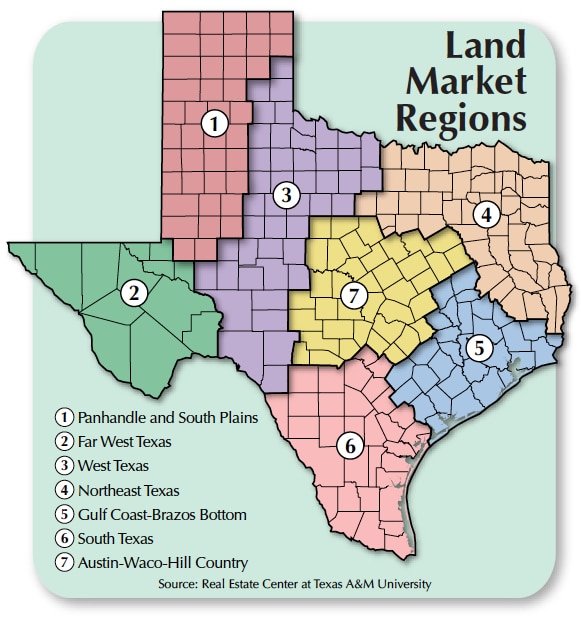
- Regional Differences: Beyond city proximity, the broader geographic region within Texas plays a critical role.
- East Texas: Known for its piney woods and fertile soil, this region can be attractive for timber and agricultural purposes. Prices here might be moderate, especially away from rapidly growing urban fringes.
- Central Texas: This is a highly desirable area, encompassing cities like Austin and San Antonio. It offers a blend of natural beauty and economic opportunity, leading to higher land values.
- West Texas: Vast and characterized by arid landscapes and oil and gas production, land prices in West Texas can be quite varied. Areas rich in mineral rights may fetch higher prices, while more remote ranches might be more affordable.
- The Panhandle: This northernmost region is known for its agriculture and cattle ranching. Land prices are often driven by agricultural productivity and access to water.
- South Texas: This region, bordering Mexico, has diverse agricultural potential and is influenced by proximity to the border and port cities like Brownsville.
Land Characteristics: More Than Just Acreage
Beyond its geographical position, the inherent characteristics of the land itself significantly impact its value.
- Topography and Usability: Flat, easily buildable land is generally more valuable than steep, heavily wooded, or rocky terrain that requires extensive clearing and preparation for development or agriculture. Usable land for farming, ranching, or construction is a premium.
- Water Access and Resources: Access to reliable water sources is a critical factor in Texas, especially in more arid regions. Land with access to rivers, lakes, aquifers, or established irrigation systems will be considerably more valuable. Water rights can also be a significant component of land value.
- Soil Quality: For agricultural purposes, the quality of the soil is paramount. Fertile soil that is conducive to various crops will command higher prices than less productive land.
- Vegetation and Natural Features: While dense forests or rolling hills might be desirable for recreational purposes or aesthetic appeal, they can also increase the cost of development. Conversely, land with valuable timber resources might fetch a higher price for that specific use. Natural features like lakes, ponds, or scenic vistas can also add to the land’s appeal and value.
- Utilities and Infrastructure: The availability of utilities such as electricity, water, sewer, and internet access is a major consideration. Land that is already connected to or has easy access to these services will be more valuable than raw land requiring extensive and costly infrastructure development. Roads and accessibility are also crucial; land with good road frontage or an established easement is more desirable.
Economic and Market Influences: The Broader Picture
The Texas land market is not immune to broader economic forces.
- Demand and Supply: Like any market, the price of land is driven by the fundamental principles of supply and demand. High demand for land, whether for residential expansion, commercial development, or investment, will push prices up, especially if the supply of available land is limited in desirable areas.
- Economic Growth and Job Market: Texas has experienced robust economic growth in recent years, attracting new residents and businesses. A strong job market and a thriving economy generally lead to increased demand for land and, consequently, higher prices.
- Interest Rates: Mortgage interest rates can influence the affordability of land purchases, indirectly affecting demand and pricing.
- Mineral Rights: In many parts of Texas, the presence of valuable mineral rights (oil, gas, etc.) can significantly increase the value of the land, even if the surface rights themselves are not particularly valuable for other uses. The potential for royalty income can make land with proven or potential mineral wealth highly sought after.
- Zoning and Land Use Regulations: Local zoning ordinances and land use regulations can impact what a property can be used for, thereby affecting its value. Land zoned for commercial or high-density residential development will typically be more expensive than land zoned for agricultural or low-density residential use.
Land Price Ranges: A Snapshot of the Texas Market
Given the multitude of influencing factors, providing a precise dollar figure for an acre of land in Texas is challenging. However, we can offer a general overview of the price ranges one might encounter. These figures are estimates and can fluctuate based on the specific circumstances of the property and the current market conditions.

Rural vs. Urban Land Costs
The most significant price differentiation will be between rural and urban or exurban properties.
- Rural Land: In the most remote areas of Texas, far from major cities, you might find land priced as low as $2,000 to $5,000 per acre. This type of land is typically used for large-scale cattle ranching, hunting, or timber production and may lack readily available utilities or infrastructure. These areas might offer a sense of true escape, with properties in places like far West Texas or parts of the Panhandle falling into this category.
- Agricultural Land: Land suitable for farming or ranching, with decent soil and water access, will generally range from $3,000 to $10,000 per acre, depending on the region and its specific productivity. Areas in Central Texas with good blackland soil might be at the higher end of this spectrum.
- Exurban and Developing Areas: As you move closer to the outskirts of growing cities or into areas with development potential, prices begin to climb. Land in these regions, suitable for smaller ranchettes, future housing developments, or commercial use, could range from $10,000 to $30,000 per acre, and often much higher. This is where the influence of a strong job market and population growth is most acutely felt.
- Prime Development Land: Land with excellent accessibility, utilities, and zoning for commercial or high-density residential development in or near major metropolitan areas can easily exceed $50,000 to $100,000 per acre, and in some prime locations, even reach into the millions of dollars per acre for smaller, strategically located parcels. For example, a commercial lot in a booming corridor of Dallas or Houston would command a significantly higher price per acre than a vast ranch in West Texas.
Factors Within Price Ranges
Even within these broad ranges, specific attributes will further refine the cost.
- Acreage Size: Larger tracts of land often come with a lower per-acre price compared to smaller parcels. This is because the cost of infrastructure and development is spread over more acreage. Conversely, a small, well-situated lot might have a higher per-acre cost due to its prime location or suitability for a specific high-value purpose.
- Improvements: Land with existing improvements, such as fences, barns, wells, or even a habitable structure, will naturally be more expensive than raw, undeveloped land.
- Views and Scenery: In desirable areas, particularly those with scenic beauty, lake frontage, or mountain views, landowners can command a premium.
Navigating Your Texas Land Purchase
Embarking on the journey to buy land in Texas is an exciting prospect, but it requires careful planning and due diligence. Understanding the market, the influencing factors, and the potential pitfalls will ensure a smoother and more successful acquisition.
Research and Due Diligence: Your Most Important Tools
Before even setting foot on a property, extensive research is paramount.
- Understand the Local Market: Spend time researching land prices in the specific area you are interested in. Talk to local real estate agents who specialize in land sales. Websites dedicated to land listings can also provide valuable insights into current pricing trends.
- Identify Your Needs and Purpose: Clearly define why you want to purchase land. Are you looking for a place to build your dream home, a property for agricultural use, a hunting retreat, or an investment? Your intended use will dictate the type of land you should look for and the price you should expect.
- Professional Advice: Engage with professionals. A qualified real estate agent specializing in rural or land properties can be invaluable in identifying suitable properties and negotiating prices. A real estate attorney should be consulted to review all contracts and ensure clear title. If mineral rights are a concern, consider consulting with a landman or an attorney specializing in oil and gas law.
The Purchase Process: Steps to Consider
The process of buying land in Texas involves several key steps:
- Securing Financing: If you are not paying cash, explore your financing options. Land loans can differ from traditional home mortgages, so shop around for the best rates and terms.
- Making an Offer: Once you find a property you are interested in, you will make an offer through your real estate agent. This offer will include the proposed purchase price, any contingencies (such as financing, inspection, or survey), and a closing date.
- Due Diligence Period: This is a critical phase where you conduct thorough inspections of the property. This may include a land survey to confirm boundaries, an environmental assessment, a water well inspection, and a review of any existing leases or easements.
- Closing: Once all contingencies are met and financing is secured, the closing will take place. This is where the ownership of the land is legally transferred from the seller to you, and the funds are exchanged.
Long-Term Considerations: More Than Just the Purchase Price
Beyond the initial purchase, consider the ongoing costs and responsibilities associated with land ownership in Texas. Property taxes are a significant annual expense. Depending on the location and the land’s use, these taxes can vary considerably. You’ll also need to factor in the costs of maintaining the property, such as fencing, brush clearing, or any necessary infrastructure upgrades. If the land is intended for development or agriculture, you will need to consider permits, regulations, and potential future investments.
Owning land in Texas is a dream for many, and while the price per acre can be a significant hurdle, understanding the factors that influence it and navigating the purchase process wisely can turn that dream into a tangible reality. The vastness and diversity of Texas offer opportunities for almost every vision, from the quiet solitude of a West Texas ranch to the potential of a developing corridor near Dallas. With careful planning and informed decision-making, your piece of the Lone Star State awaits.
LifeOutOfTheBox is a participant in the Amazon Services LLC Associates Program, an affiliate advertising program designed to provide a means for sites to earn advertising fees by advertising and linking to Amazon.com. Amazon, the Amazon logo, AmazonSupply, and the AmazonSupply logo are trademarks of Amazon.com, Inc. or its affiliates. As an Amazon Associate we earn affiliate commissions from qualifying purchases.