
The term “Florida Cracker” evokes images of a bygone era, a rugged past deeply etched into the fabric of the Sunshine State. Far from a pejorative, it is a badge of honor, a cultural identifier proudly claimed by many native Floridians, particularly those descended from the intrepid pioneers who settled the state’s untamed interior. Understanding what a Florida Cracker is offers a profound glimpse into the state’s unique history, its resilient people, and the enduring spirit that shaped its distinct local culture. It speaks to a heritage of self-sufficiency, an intimate connection with the land, and a way of life forged in the challenging, yet beautiful, Florida wilderness. For visitors seeking to delve beyond the beaches and theme parks, exploring the legacy of the Florida Cracker unlocks an authentic and often overlooked dimension of the state’s identity.

The Historical Roots of the Florida Cracker Identity
The story of the Florida Cracker is fundamentally one of pioneering spirit, adaptation, and survival. It is a narrative born out of the necessity and challenges faced by early settlers.
Pioneer Spirit and Early Settlement
The origins of the term “Cracker” are debated but most commonly attributed to the sound of whips cracking. These weren’t whips used for punishment, but rather for herding cattle—a distinct crack echoing across the open prairies as cowboys moved their herds. This practice was particularly prevalent among Scots-Irish and English settlers who ventured into the undeveloped territories of the American South, including Florida, in the 18th and 19th centuries.
These early pioneers, often seeking new opportunities and land, settled in areas far removed from established coastal communities like St. Augustine. They arrived in a land that was wild and unforgiving, characterized by vast swamps, dense pine forests, scorching heat, and an abundance of mosquitoes and other wildlife. Survival demanded resilience, resourcefulness, and a deep understanding of the natural environment. They cleared land, built homes from local timber, and established farms and ranches, laying the groundwork for what would become modern Florida. Their indomitable spirit in the face of immense adversity forged a distinct identity, one rooted in independence and a strong connection to the harsh yet bountiful land.
A Unique Agrarian Lifestyle
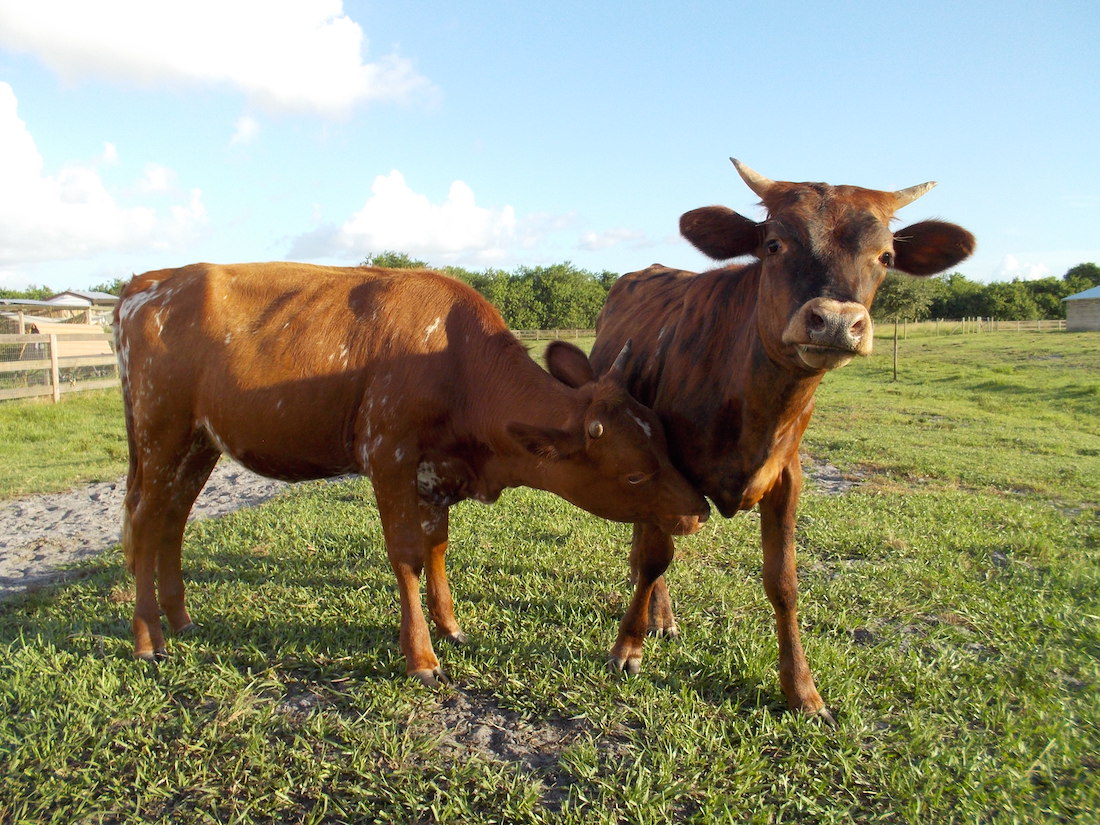
The lifestyle of the Florida Cracker was one of profound self-sufficiency. Cattle ranching, using hardy “Cracker cattle” descended from Spanish breeds, was a cornerstone of their economy and identity. These cattle were smaller and more agile than modern breeds, perfectly suited to foraging in the state’s dense palmetto scrub and wetlands. The cowboys, known as cow hunters, would navigate vast tracts of land, often on horseback, herding their cattle to market.
Beyond ranching, Crackers were adept farmers, growing crops like corn, cotton, and various vegetables, often using subsistence farming techniques. Hunting and fishing were not merely recreational pursuits but essential for sustenance, providing wild game like deer, turkey, and an abundance of freshwater and saltwater fish. Their homes, often simple and functional, were built to withstand the Florida climate, featuring elevated foundations to avoid flooding and wide porches for shade and ventilation. This agrarian lifestyle fostered tight-knit communities, where neighbors relied on each other for assistance and shared knowledge, further solidifying their unique cultural bonds.
Cultural Hallmarks of the Florida Cracker
The indelible mark of the Florida Cracker extends beyond their historical lifestyle, permeating various aspects of culture, from communication to architecture.
Language and Dialect
One of the most immediate indicators of Cracker heritage can be found in their language. The Florida Cracker dialect is a distinctive variant of Southern American English, heavily influenced by its Scots-Irish and Old English roots. It’s characterized by unique pronunciations, grammatical structures, and a rich lexicon of colloquialisms that paint vivid pictures of their environment and experiences. Phrases like “fixin’ to” (about to do something), “critter” (animal), or “swamp buggy” (a specialized vehicle for traversing wetlands) are common. The rhythm and cadence of Cracker speech often reflect a slower pace of life, emphasizing storytelling and direct communication, connecting back to generations of oral tradition. While modern influences have diluted some of these linguistic specificities, pockets of this traditional dialect persist, offering a linguistic window into the past.
Music and Storytelling
Music and storytelling have always been vital threads in the tapestry of Florida Cracker culture. Folk music, often featuring banjos, fiddles, and guitars, served as both entertainment and a means of preserving history and communal memory. Ballads and songs recounted tales of everyday life, hard work, love, loss, and the beauty of the Florida landscape. These musical traditions are closely related to bluegrass and early country music, with lyrics often reflecting agrarian themes and a strong sense of place.
Storytelling, however, might be the most powerful vehicle for transmitting Cracker heritage. Generations gathered on porches or around campfires, sharing oral histories, family legends, and humorous anecdotes. These stories often feature larger-than-life characters, encounters with wild animals, and chronicles of resilience against natural forces. This rich oral tradition not only entertained but also served as a crucial educational tool, imparting wisdom, moral lessons, and a shared understanding of their collective past and values.
Cracker Architecture and Homesteads
Cracker architecture is a testament to ingenious adaptation to the challenging Florida climate. Unlike more ornate styles, Cracker homes were built for practicality, comfort, and sustainability. Key features included:
- Elevated Foundations: Houses were often built on stilts or piers to protect against flooding and allow for air circulation underneath, cooling the structure.
- Dogtrot or Breezeway Designs: Many homes featured an open, covered passageway running through the center of the house, connecting two enclosed sections. This “dogtrot” acted as a natural air conditioner, allowing breezes to pass through and cool the interior.
- Wide Porches: Expansive wrap-around porches provided crucial shade from the intense Florida sun and offered outdoor living spaces for relaxation and socializing.
- Local Materials: Constructed primarily from readily available timber, such as heart pine and cypress, these homes showcased resourcefulness and a deep connection to local resources.
- High Ceilings and Large Windows: Designed to maximize airflow and ventilation, allowing hot air to rise and escape, and inviting cross-breezes.

These simple yet effective designs allowed settlers to live comfortably without modern air conditioning, demonstrating a profound understanding of passive cooling techniques long before they became a subject of contemporary architecture.
The Enduring Legacy: Influence on Modern Florida
While the pioneering days may be past, the spirit and influence of the Florida Cracker continue to resonate throughout the state, particularly in its culinary traditions and its approach to conservation.
Cuisine and Culinary Traditions
Florida Cracker cuisine is a delightful blend of Southern comfort food with a distinctive Florida twist, deeply rooted in the state’s natural bounty. It emphasizes fresh, local ingredients and practical, hearty dishes designed to sustain a hardworking population. Staples include:
- Grits: A corn-based porridge, often served with breakfast or as a side dish, emblematic of Southern cooking.
- Collard Greens: Stewed with ham hocks or bacon, a quintessential side dish.
- Wild Game: Dishes featuring venison, quail, or squirrel, reflecting the importance of hunting.
- Freshwater and Saltwater Seafood: Catfish, mullet, snapper, and shrimp feature prominently, prepared simply—fried, grilled, or stewed.
- Frog Legs and Alligator Tail: More adventurous but traditional options showcasing the unique ecology of Florida’s wetlands.
- Citrus: Oranges, grapefruits, and tangerines are not just for juice but are used in desserts, marinades, and as fresh accompaniments.
- Key Lime Pie: Though often associated with Key West, its simple, tart, and sweet profile embodies the resourcefulness of utilizing local ingredients.
These dishes are more than just food; they are an edible history, telling tales of the land, the rivers, and the resourcefulness of the people who settled here.
Conservation and Connection to Nature
The Florida Cracker’s existence was inextricably linked to the natural world. Their survival depended on a deep understanding of the ecosystem—the ebb and flow of the seasons, the behavior of animals, and the properties of native plants. This intimate relationship fostered an innate respect for nature, even if their early practices were driven by subsistence. Many modern conservation efforts in Florida can draw a lineage back to the practical environmental knowledge passed down through Cracker generations. The appreciation for the state’s vast wilderness, from the Everglades to the pine forests, often stems from this heritage. Fishing and hunting, though adapted to modern regulations, remain important cultural and recreational activities, reinforcing the bond between Floridians and their natural surroundings.
Preserving the Heritage
In an increasingly urbanized and tourist-driven Florida, efforts to preserve and celebrate Cracker culture are gaining momentum. Institutions and events aim to educate both residents and visitors about this vital part of the state’s identity.
- Cracker Country: Located at the Florida State Fairgrounds in Tampa, this living history museum features authentic 19th-century buildings, offering a tangible glimpse into Cracker life.
- Florida Folk Festival: Held annually in White Springs, this festival showcases traditional music, dance, crafts, and storytelling from various Florida cultures, with Cracker heritage being a prominent feature.
- Local Museums and Heritage Parks: Throughout central and northern Florida, numerous smaller museums and historical societies are dedicated to documenting and presenting Cracker history.
These initiatives ensure that the stories, traditions, and resilience of the Florida Cracker are not lost to time but remain a vibrant and understood part of the state’s cultural landscape.
Embracing the Florida Cracker Spirit as a Tourist
For tourists, engaging with the Florida Cracker culture offers a unique and enriching experience that goes beyond typical vacation stereotypes.
Experiencing Authentic Florida
To truly experience authentic Florida Cracker culture, visitors should venture off the beaten path.
- Explore Rural Towns: Visit small towns in central Florida like Okeechobee, Arcadia, or Punta Gorda where ranching traditions are still alive.
- Visit State Parks and Wildlife Management Areas: Engage with the natural environment that shaped Cracker life. Activities like hiking, fishing, and birdwatching in places like Myakka River State Park or the Kissimmee Prairie Preserve State Park offer insights into the wilderness these pioneers navigated.
- Airboat Tours: Taking an airboat tour through the Everglades or other wetlands provides a thrilling way to see Florida’s wild side, connecting you to the landscape just as the early cow hunters did.
- Local Diners and Markets: Seek out small, family-run restaurants that serve traditional Florida dishes. Visit farmers’ markets for fresh, local produce and perhaps a chance to chat with long-time residents.
Respectful Engagement
When encountering Cracker culture, it’s crucial to approach it with respect and an open mind. Understand that “Cracker” is a term reclaimed and celebrated by many as a symbol of their heritage. Engage with locals, listen to their stories, and appreciate the resilience and resourcefulness that define this unique identity. By doing so, you gain not just a tourist experience, but a deeper understanding of Florida’s soul.
In conclusion, a Florida Cracker is much more than a historical footnote; it is a living legacy that embodies the pioneering spirit, the deep connection to the land, and the rich cultural traditions of generations of native Floridians. It speaks to a proud, self-reliant people who shaped the state from its wild beginnings into the vibrant place it is today. For any visitor keen to truly understand the Sunshine State beyond its modern facade, exploring the enduring spirit of the Florida Cracker offers an insightful and profoundly engaging journey into the heart of its unique heritage.
LifeOutOfTheBox is a participant in the Amazon Services LLC Associates Program, an affiliate advertising program designed to provide a means for sites to earn advertising fees by advertising and linking to Amazon.com. Amazon, the Amazon logo, AmazonSupply, and the AmazonSupply logo are trademarks of Amazon.com, Inc. or its affiliates. As an Amazon Associate we earn affiliate commissions from qualifying purchases.