
The allure of Miami is undeniable. Its sun-drenched beaches, vibrant nightlife, and rich cultural tapestry draw millions of travelers each year. Whether you’re planning a luxurious escape, a budget-friendly adventure, a family vacation, or a quick business trip, understanding the flight duration is a crucial first step in your travel planning. This comprehensive guide will delve into the specifics of how long you can expect to be in the air en route to this dynamic South Florida metropolis, considering various departure points and factors that influence flight times.
The duration of a flight to Miami is not a one-size-fits-all answer. It’s a complex equation influenced by a multitude of variables, primarily the departure location, the presence and length of any layovers, prevailing wind conditions, and the specific airline and aircraft operating the flight. For those embarking on domestic journeys within the United States, flight times can range dramatically. A direct flight from a major East Coast hub like New York City or Atlanta will be considerably shorter than a flight originating from the West Coast, such as Los Angeles or San Francisco. International travelers will find that flight durations can extend significantly, depending on their starting point in the world.
Understanding these variables will not only help you manage expectations regarding your travel time but also assist in choosing the most efficient routes, especially when considering options with layovers. A seemingly shorter flight with a lengthy connection might, in reality, result in a longer overall travel experience compared to a direct flight, even if the latter is a bit more expensive.
Flight Durations by Departure Region
The geographical distance between your starting point and Miami International Airport (MIA) is the most significant determinant of flight duration. Let’s break down typical flight times from different major regions.
Flights from the East Coast and Southeast US
For travelers residing on the East Coast of the United States, reaching Miami is generally a breeze. Direct flights from major cities like:
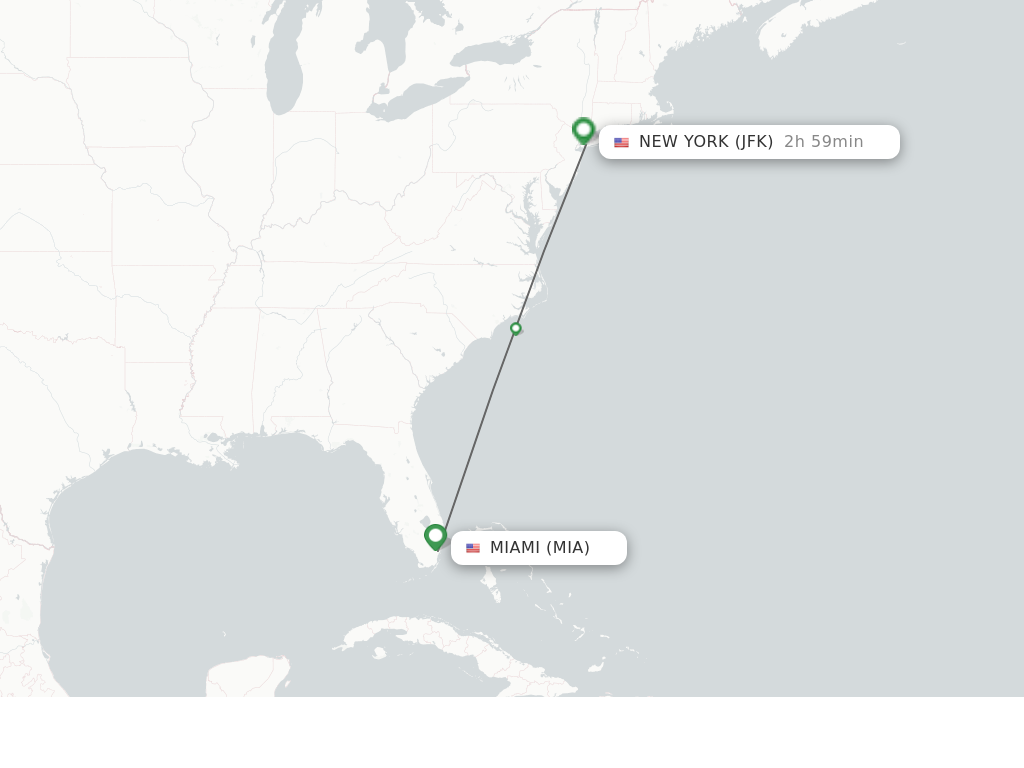
- New York City: Expect flight times to be around 3 to 3.5 hours. Cities such as New York City, Boston, and Philadelphia are within a relatively close proximity.
- Atlanta: Flights from Atlanta typically last 2 to 2.5 hours. Being a major hub for Delta Air Lines, Atlanta offers frequent and efficient service to Miami.
- Washington D.C.: Similar to New York City, flights from the nation’s capital are usually in the 2.5 to 3-hour range.
- Orlando: For those in Central Florida, the flight is very short, often around 1 to 1.5 hours, making for a quick getaway or business trip.
These shorter flight times make spontaneous weekend trips to Miami quite feasible, allowing travelers to maximize their time enjoying the destination rather than being confined to an aircraft.
Flights from the Midwest and Central US
Moving westward, flight durations begin to extend. Travelers from the Midwest and Central regions of the United States will experience longer airborne journeys.
- Chicago: Flights from Chicago to Miami typically range from 3.5 to 4.5 hours.
- Dallas: For those in the heart of Texas, flights to Miami usually last around 3 to 3.5 hours.
- Denver: Flights from the Mile High City are longer, averaging 4 to 5 hours.
These routes often involve major airline hubs, and while direct flights are common, layovers can add significant time to the overall journey.
Flights from the West Coast and Pacific US
The longest domestic flight times to Miami originate from the West Coast.
- Los Angeles: Expect flight durations of approximately 5 to 6 hours for a direct flight.
- San Francisco: Similar to Los Angeles, direct flights from San Francisco are in the 5.5 to 6.5-hour range.
- Seattle: Flights from the Pacific Northwest are even longer, typically ranging from 6 to 7 hours.
These transcontinental journeys are substantial, and travelers often consider booking flights with layovers in central US hubs, which can sometimes offer more competitive pricing or better flight schedules, though at the cost of extended travel time.
International Flights to Miami
For international travelers, the flight to Miami can vary enormously. Miami International Airport serves as a major gateway to Latin America and the Caribbean, as well as a connection point for flights from Europe and beyond.
- Caribbean and Central America: Flights from nearby destinations are generally quite short, often ranging from 1 to 4 hours. For example, a flight from Nassau, The Bahamas might be around 1 hour, while a flight from Mexico City, Mexico could be around 3.5 to 4 hours.
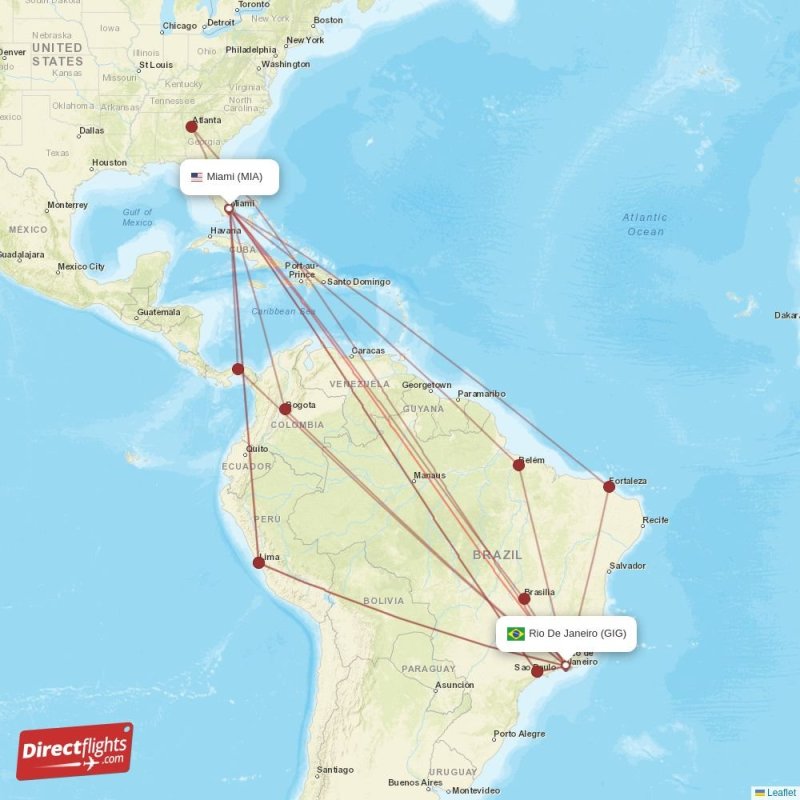
- South America: Depending on the specific city, flight times can range from 4 hours (e.g., from Bogota, Colombia) to 9+ hours (e.g., from Buenos Aires, Argentina).
- Europe: Direct flights from major European cities like London, United Kingdom or Paris, France typically last 8 to 9 hours. Flights from further afield in Europe, such as Rome, Italy, could be around 10 to 11 hours.
- Asia: Flights from Asia involve very long travel times, often requiring multiple layovers. Direct flights are rare, and the total journey could easily exceed 20 hours.
When planning international travel to Miami, it’s essential to factor in time for immigration and customs, especially at Miami International Airport, which is a significant hub.

Factors Affecting Flight Duration
Beyond the sheer geographical distance, several other factors can influence how long your flight to Miami will take. Understanding these can help you interpret flight schedules and make informed decisions.
Direct vs. Connecting Flights
This is perhaps the most significant factor after departure location.
- Direct Flights: These are the most straightforward and generally the quickest way to reach Miami from a particular origin. You board the plane and disembark in Miami without any intermediate stops. The flight times mentioned earlier primarily refer to direct flights.
- Connecting Flights (Layovers): Flights with one or more layovers will, by definition, take longer. The total travel time for a connecting flight is the sum of:
- Flight time to the layover city.
- The duration of the layover itself (which can range from less than an hour to several hours).
- Flight time from the layover city to Miami.
While connecting flights can sometimes be cheaper, they significantly increase your overall travel time and the potential for delays, especially if the connection is tight. Choosing the right layover airport and allowing ample time is crucial. For instance, a layover at a busy hub like Chicago O’Hare International Airport (ORD) might require more time than a layover at a smaller, less congested airport.
Wind Conditions and Jet Streams
The Earth’s atmosphere is constantly in motion, and prevailing winds, particularly the jet stream, can have a noticeable impact on flight times.
- Tailwinds: When flying eastward, as many flights to Miami from the western United States or Europe do, a strong tailwind can significantly shorten the flight duration. The plane essentially gets a push from the wind.
- Headwinds: Conversely, flying westward, or when encountering headwinds on an eastward journey, can extend flight times as the aircraft has to work harder to overcome the opposing air current.
While airlines cannot control the weather, pilots do take wind conditions into account when planning routes and estimating flight times. The “estimated flight time” you see when booking is an average, and actual flight times can vary by 15-30 minutes or more due to wind.
Airline and Aircraft Type
Different airlines operate different fleets, and the type of aircraft can also play a minor role in flight duration. Faster aircraft, such as newer models of narrow-body or wide-body jets, may technically be capable of slightly higher cruising speeds. However, in commercial aviation, flight paths are often standardized, and speed is regulated for efficiency and safety, so the difference between aircraft types is usually minimal compared to factors like distance and wind. More importantly, an airline’s route network and scheduling strategies can influence whether they offer direct flights or common connecting points.
Maximizing Your Miami Travel Experience
Once you have a good understanding of your flight duration to Miami, you can better plan your itinerary and accommodation. The city offers a diverse range of experiences to suit every traveler.
Accommodation Options in Miami
Miami boasts an impressive array of accommodation, from luxurious beachfront resorts to charming boutique hotels and convenient apartments.
- Luxury Resorts: For those seeking an indulgent escape, consider hotels like the Fontainebleau Miami Beach or the Carillon Miami Wellness Resort. These properties offer world-class amenities, stunning ocean views, and impeccable service, perfect for a lifestyle of luxury travel.
- Boutique Hotels: If you prefer a more intimate and unique stay, explore the vibrant hotel scene in areas like South Beach or the Design District. These often provide a more personalized experience and access to local culture.
- Apartments and Villas: For longer stays or for families and groups, renting an apartment or villa can offer more space and flexibility. Platforms like Airbnb and Vrbo list numerous options across different neighborhoods, from the energetic pulse of Miami Beach to the quieter, upscale residential areas.
- Budget-Friendly Stays: Miami also caters to budget-conscious travelers. Hostels and more affordable hotels can be found, particularly a bit further from the prime beachfront areas, offering a great base for exploring without breaking the bank.
When booking accommodation, consider its proximity to attractions, transportation links, and the overall vibe you’re looking for in your Miami experience.
Essential Miami Attractions and Activities
Miami is a city brimming with iconic landmarks and diverse activities.
- South Beach and Art Deco Historic District: This world-renowned area is famous for its pastel-hued buildings, vibrant street life, and, of course, the beautiful beach. Take a stroll along Ocean Drive to soak in the atmosphere and admire the unique architecture.
- Wynwood Walls: Immerse yourself in a kaleidoscope of color and creativity at Wynwood Walls, an outdoor museum showcasing magnificent murals by renowned street artists from around the globe.
- Little Havana: Experience the heart and soul of Cuban culture in Little Havana. Enjoy authentic Cuban cuisine, listen to lively music, and witness the daily rituals of this vibrant neighborhood.
- Everglades National Park: A short drive from Miami, this unique ecosystem offers a chance to see alligators, diverse birdlife, and lush mangrove forests. Airboat tours are a popular way to explore this natural wonder.
- Bayside Marketplace: This lively waterfront marketplace offers a mix of shopping, dining, and entertainment, with regular live music performances and boat tours departing from its marina.
- Vizcaya Museum & Gardens: Step back in time at this stunning estate, a former winter home of industrialist James Deering. The European-inspired architecture and meticulously manicured gardens offer a glimpse into a bygone era.
Whether you’re drawn to the natural beauty of South Florida, the pulsating energy of its urban centers, or the rich cultural heritage, Miami promises an unforgettable travel experience. Understanding your flight time is the first step to unlocking all that this captivating destination has to offer.
LifeOutOfTheBox is a participant in the Amazon Services LLC Associates Program, an affiliate advertising program designed to provide a means for sites to earn advertising fees by advertising and linking to Amazon.com. Amazon, the Amazon logo, AmazonSupply, and the AmazonSupply logo are trademarks of Amazon.com, Inc. or its affiliates. As an Amazon Associate we earn affiliate commissions from qualifying purchases.