
Navigating the financial landscape of any travel destination can be a bit like deciphering a new map, and when it comes to Texas, that map often includes sales tax. For travelers, tourists, and even those considering a longer stay, understanding how Texas sales tax works is crucial for budgeting and avoiding any unwelcome surprises. This guide aims to demystify the process, breaking down the key elements of Texas sales tax, from state rates to local additions, and how it applies to various aspects of your journey, whether you’re enjoying the vibrant nightlife of Austin, exploring the historic missions of San Antonio, or indulging in a luxurious resort experience in the Texas Hill Country.

Understanding the Foundation: Texas State Sales Tax
At its core, Texas sales tax is a combination of a state rate and local rates. The state of Texas imposes a uniform sales and use tax rate across all cities and counties. This base rate is the starting point for calculating the total sales tax you’ll encounter. As of recent regulations, the state sales tax rate in Texas is 6.25%. This percentage is applied to the sale of tangible personal property and certain taxable services. Think of it as the foundation upon which all other local taxes are built. When you purchase souvenirs in Galveston, book a night at a charming bed and breakfast in Marfa, or dine at a popular restaurant in Houston, this 6.25% state tax is always a component of the final price.
It’s important to distinguish between sales tax and use tax. Sales tax is collected by the seller at the time of purchase. Use tax, on the other hand, is a tax imposed on taxable items purchased out of state for use, storage, or consumption in Texas. This is particularly relevant for online shoppers or those who might purchase items while traveling outside of Texas and bring them back. The rate for use tax is the same as the sales tax rate. So, if you buy a piece of art from an online gallery based in another state and have it shipped to your home in Dallas, you’re likely responsible for paying Texas use tax on that purchase. The goal is to ensure that Texas residents and businesses are not at a disadvantage compared to out-of-state purchases, effectively leveling the playing field for commerce within the state.
What is Taxable?
The scope of what is considered taxable in Texas can be broad, but there are general categories to keep in mind. Most tangible personal property is subject to sales tax. This includes everything from clothing and electronics to furniture and decorative items. When you’re browsing the boutiques along the River Walk in San Antonio or picking up essentials for a family trip to Big Bend National Park, sales tax will likely be applied.
Beyond physical goods, certain services are also taxable. These can include things like:
- Repair and remodeling of real property: If you’re undertaking a renovation project at a vacation rental property you own in Texas, the labor and materials for those services will typically be taxed.
- Information services: Certain data processing and credit reporting services can be subject to sales tax.
- Amusement services: Tickets to sporting events, concerts, or movie theaters are generally taxed. Enjoying a show at the Majestic Theatre in San Antonio or cheering on the Dallas Cowboys will include sales tax on your ticket price.
- Lodging: Hotels, motels, and other forms of temporary lodging are subject to sales tax. This is a significant component for travelers. When you book a stay at a luxury resort in Austin or a cozy cabin in the Texas Hill Country, the nightly rate will have sales tax added.
- Admissions and professional services: The sale of tickets for events and certain professional services can also fall under the taxable umbrella.
There are, of course, exemptions. Food and drinks purchased for home consumption are generally not taxed at the state level, though local taxes can apply in some instances. Prescription medications and certain other essential items are also exempt. Understanding these exemptions can help you identify where your travel budget might stretch further.
The Impact of Local Taxes: Adding to the Base Rate
While the 6.25% state sales tax provides a uniform base, the total sales tax you pay in Texas is almost always higher due to local additions. These local taxes are levied by cities, counties, and special districts, and they are added on top of the state rate. This means that the sales tax you encounter can vary significantly depending on where you are in the Lone Star State.
City and County Sales Taxes
Cities and counties in Texas have the authority to impose their own sales and use taxes. These rates are set by the local taxing authorities and are subject to certain limitations. The maximum combined rate that can be imposed by a city, county, and special districts is capped, ensuring that local taxes do not become prohibitively high. However, even within these caps, the variations can be substantial.
For instance, the combined state and local sales tax rate can range from 8.25% to over 10%, depending on the specific location. This means that a purchase of the same item in Houston might have a slightly different total tax than the exact same item purchased in El Paso. This is why it’s essential to be aware of your location when calculating potential expenses. If you’re planning a trip that involves visiting multiple cities or regions within Texas, it’s wise to research the specific sales tax rates for those areas. This is especially true when making larger purchases, as even a small percentage difference can add up.
Special Districts
In addition to city and county taxes, certain special districts can also impose a sales tax. These districts are often created for specific purposes, such as funding transportation projects or cultural facilities. For example, transit authorities or municipal development districts might have their own sales tax add-ons. These are less common than city and county taxes but can contribute to the overall tax burden in specific areas. When exploring attractions in a particular locale, it’s worth noting if any special district taxes are in effect.
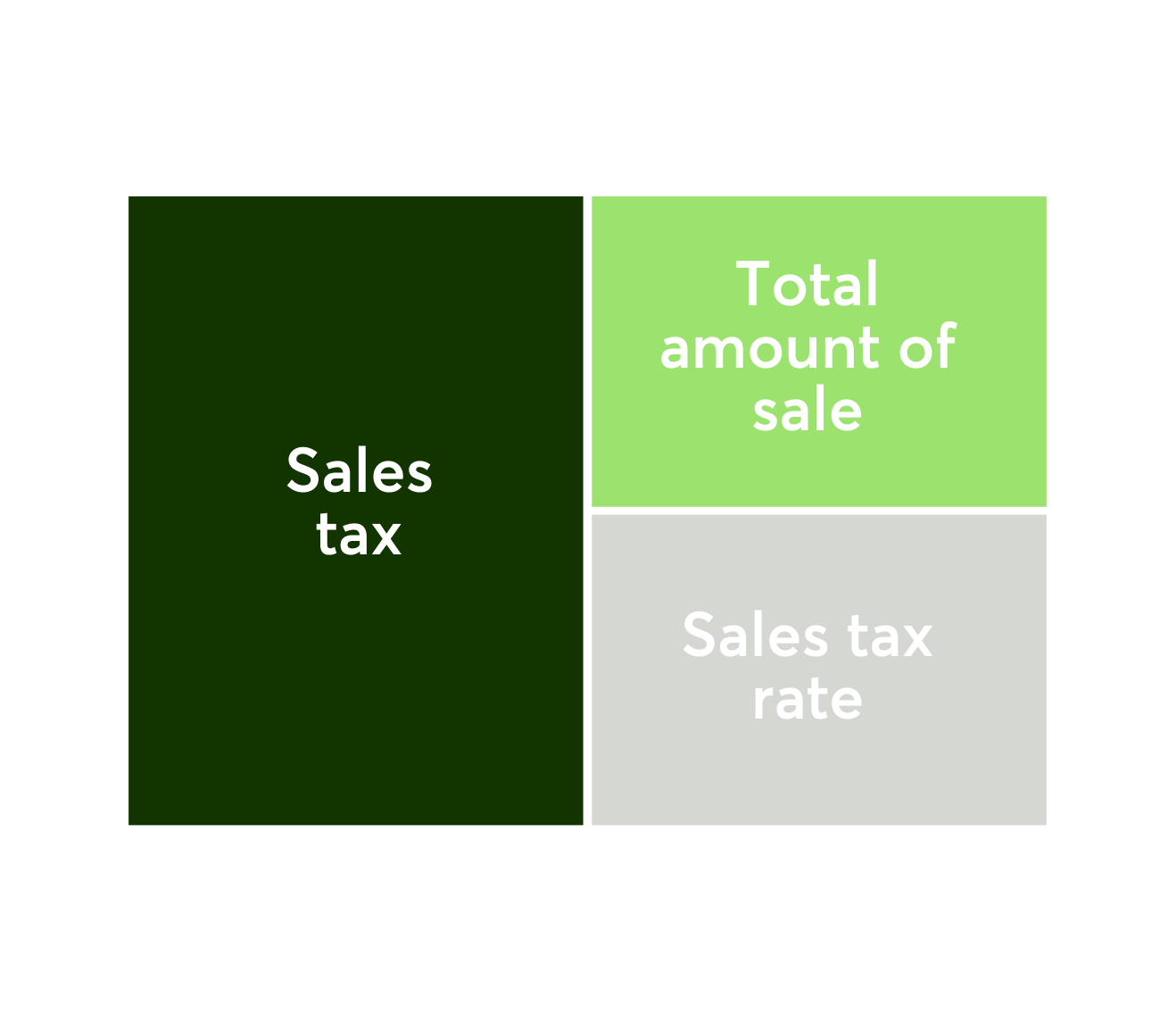
Practical Application: How to Figure Your Texas Sales Tax
Now that you understand the components, let’s look at how to practically figure out Texas sales tax for your travel needs. The calculation is straightforward: State Rate + Local Rate = Total Sales Tax Rate.
Let’s break this down with examples relevant to travel and accommodation.
Calculating Tax on Accommodation
When you book a hotel, resort, or any other form of accommodation in Texas, the sales tax is applied to the room rate.
Example:
Suppose you’re staying at the Omni Dallas Hotel in Dallas, Texas. The base room rate for your stay is $200 per night.
- Determine the total sales tax rate for Dallas: You’ll need to find the combined state and local sales tax rate for Dallas. Let’s assume for this example that Dallas has a combined rate of 8.25% (6.25% state + 2.00% local). Note: Actual rates can vary and are subject to change.
- Calculate the sales tax amount: Multiply the room rate by the total sales tax rate.
- Sales Tax Amount = Room Rate × Total Sales Tax Rate
- Sales Tax Amount = $200 × 8.25% (or 0.0825)
- Sales Tax Amount = $16.50
- Calculate the total cost: Add the sales tax amount to the room rate.
- Total Cost = Room Rate + Sales Tax Amount
- Total Cost = $200 + $16.50
- Total Cost = $216.50
So, your nightly stay at the Omni Dallas Hotel would cost $216.50, including sales tax. This principle applies to all forms of taxable lodging, whether it’s a luxurious suite at the St. Regis Houston or a budget-friendly motel in a smaller town. Always check the total tax rate for your specific destination.
Calculating Tax on Purchases
The same calculation applies to any taxable goods you purchase while exploring Texas. If you buy a unique piece of art from a gallery in Fort Worth, a new pair of cowboy boots in Abilene, or souvenirs from a shop near Space Center Houston, the total sales tax rate of that specific location will be applied.
Example:
You’re in San Antonio and decide to buy a piece of handcrafted jewelry for $150. The combined sales tax rate in San Antonio is 8.25%.
- Calculate the sales tax amount:
- Sales Tax Amount = Purchase Price × Total Sales Tax Rate
- Sales Tax Amount = $150 × 8.25% (or 0.0825)
- Sales Tax Amount = $12.375 (typically rounded to $12.38)
- Calculate the total cost:
- Total Cost = Purchase Price + Sales Tax Amount
- Total Cost = $150 + $12.38
- Total Cost = $162.38
This makes budgeting for your shopping excursions much simpler.

Resources for Accurate Rates
The Texas Comptroller of Public Accounts is the official state agency responsible for administering tax laws. Their website provides a wealth of information, including detailed explanations of taxable items, exemptions, and tools to look up sales tax rates by address. For the most accurate and up-to-date information, especially when planning your trip, consulting the Texas Comptroller’s website or using their online lookup tools is highly recommended. Many hotel booking sites and e-commerce platforms will also display the applicable sales tax before you finalize a purchase, which can be a convenient way to get an immediate estimate.
Understanding Texas sales tax is a vital part of responsible travel planning. By knowing the state and local components, and how they are applied, you can better manage your budget, make informed purchasing decisions, and fully enjoy all that Texas has to offer, from its vast landscapes and vibrant cities to its rich culture and hospitality. Whether you are embarking on a luxurious escape, a family adventure, or a budget-conscious exploration, a little knowledge about sales tax can go a long way in ensuring a smooth and financially sound journey.
LifeOutOfTheBox is a participant in the Amazon Services LLC Associates Program, an affiliate advertising program designed to provide a means for sites to earn advertising fees by advertising and linking to Amazon.com. Amazon, the Amazon logo, AmazonSupply, and the AmazonSupply logo are trademarks of Amazon.com, Inc. or its affiliates. As an Amazon Associate we earn affiliate commissions from qualifying purchases.