
The landscape of reproductive rights in the United States has undergone significant shifts in recent years, and the state of Texas has been at the forefront of these changes. Understanding the specifics of the Texas abortion law is crucial for anyone seeking to navigate reproductive healthcare in the state, as well as for those considering travel to or from Texas for such purposes. The laws are complex, have evolved through various legislative actions and court challenges, and carry significant implications.
The core of the current Texas abortion law is rooted in the state’s Senate Bill 8 (SB8), often referred to as the “heartbeat bill,” which went into effect on September 1, 2021. This legislation effectively banned abortions after approximately six weeks of pregnancy, a point at which many individuals may not yet know they are pregnant. Unlike previous bans, SB8’s enforcement mechanism is unique, empowering private citizens to sue anyone who “aids or abets” an abortion. This includes physicians who perform the procedure, as well as individuals who help a person obtain an abortion, such as by providing transportation or financial assistance.

This innovative enforcement model has been a central point of contention and legal debate. Instead of state officials enforcing the ban, it relies on civil lawsuits, which can be filed in Texas courts against individuals accused of violating the law. The law also includes provisions for statutory damages, typically $10,000 per violator, which can be awarded to the successful plaintiff, plus attorney’s fees. This private enforcement mechanism has made it exceedingly difficult for abortion providers to challenge the law through traditional legal avenues, as they often cannot identify a specific state actor to sue.
The Legal Foundation and Evolution of Texas Abortion Restrictions
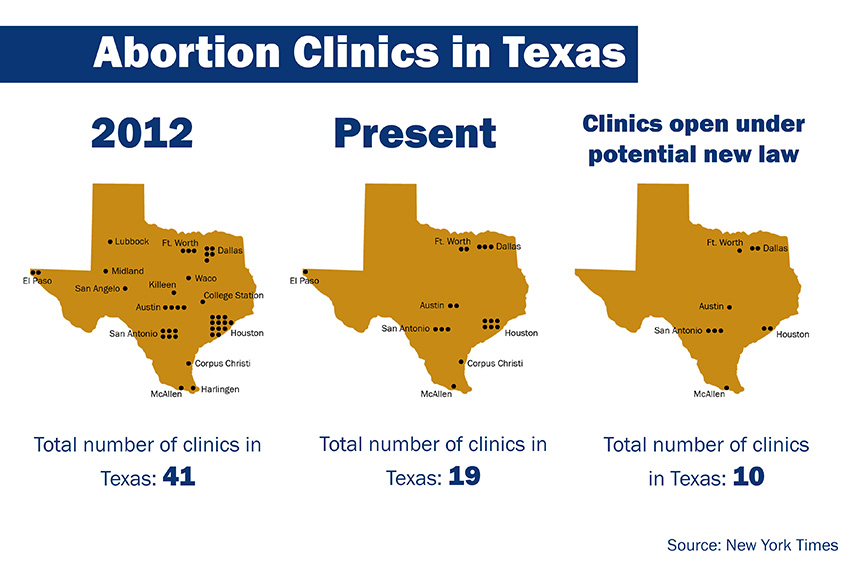
The legal framework surrounding abortion in Texas has a long and contentious history, predating SB8. For decades, Texas has been a state with some of the most restrictive abortion laws in the nation. These restrictions have included mandatory waiting periods, parental consent requirements for minors, and limitations on abortion providers, such as clinic regulations that were part of what were known as TRAP (Targeted Regulation of Abortion Providers) laws.
The passage of SB8 marked a significant escalation of these restrictions. Its six-week ban was a substantial departure from previous legal standards, and its novel enforcement mechanism drew widespread condemnation from reproductive rights advocates and legal scholars alike. The Supreme Court’s decision in Roe v. Wade (1973), which established a constitutional right to abortion, had long been the benchmark, but SB8 sought to circumvent this by placing the enforcement power in the hands of private citizens.
Following the Supreme Court’s decision in Dobbs v. Jackson Women’s Health Organization in June 2022, which overturned Roe v. Wade, the landscape of abortion access in Texas shifted dramatically again. The Dobbs decision eliminated the federal constitutional right to abortion, returning the authority to regulate or ban abortion to individual states.
Post-Dobbs Landscape in Texas

In the wake of the Dobbs decision, Texas had a pre-Roe trigger law in place that banned abortion. This law, along with the existing framework of SB8, created a near-total ban on abortion services in the state. The trigger law, specifically House Bill 1280, was enacted in 2021 but only took effect upon the certification of the overturning of Roe v. Wade. It makes performing an abortion a felony offense, punishable by up to life in prison and significant fines.
The combination of SB8’s six-week ban and the post-Dobbs trigger law has effectively halted most abortion procedures in Texas. The legal nuances of these laws create a complex web of restrictions, making it exceedingly difficult for individuals to access abortion care within the state.
The practical implications of these laws extend far beyond the state’s borders, particularly impacting individuals who may need to consider travel for healthcare.
Navigating Reproductive Healthcare in Texas
For individuals residing in or traveling to Texas who are seeking abortion care, the current legal environment presents significant challenges. With abortions largely prohibited after six weeks of gestation, and effectively banned post-Dobbs, seeking care within the state is severely limited.
This has led to an increase in the number of individuals from Texas traveling to other states where abortion remains legal. These states include, but are not limited to, New Mexico, Colorado, and Kansas. The logistics of such travel can be extensive, involving the costs of transportation, accommodation, lost wages, and the procedure itself.
Various organizations have emerged to assist individuals in navigating these challenges. These Texas abortion funds provide financial and logistical support to help individuals cover the costs associated with traveling out of state for abortion care. These funds play a critical role in ensuring that geographic and economic barriers do not prevent access to essential reproductive healthcare.
For those considering traveling to Texas for other reasons, it’s important to be aware of the state’s stringent abortion laws. The private enforcement mechanism of SB8 means that even individuals assisting someone with an abortion, even if they are not a resident of Texas, could potentially face legal action if they are found to have aided or abetted an abortion performed in violation of the law. This raises complex questions about liability for individuals who may be involved in facilitating reproductive healthcare decisions.
The legal status of abortion in Texas is a dynamic and evolving issue. While SB8 remains a significant piece of legislation, the post-Dobbs era has seen the full weight of the state’s trigger law come into effect, creating one of the most restrictive abortion environments in the United States. The repercussions of these laws are felt by individuals seeking care, healthcare providers, and the broader Texas community, influencing lifestyle decisions, travel plans, and access to fundamental reproductive health services. The ongoing legal battles and advocacy efforts continue to shape the future of abortion access in Texas and across the nation.
For those planning a trip to Texas for any reason, understanding the legal climate is paramount. While Texas offers numerous attractions, from the vibrant culture of Austin to the historical significance of San Antonio and the sprawling landscapes of West Texas, the legal restrictions on abortion are a critical aspect of the state’s current reality. Visitors may find that hotels and tourism information generally do not focus on this sensitive topic, but it is a significant factor for those who may need to consider reproductive health during their stay. The landmarks of Texas, such as the Alamo or the Space Center Houston, remain popular destinations, but the legal framework surrounding reproductive rights is a crucial backdrop for any visitor to understand.
LifeOutOfTheBox is a participant in the Amazon Services LLC Associates Program, an affiliate advertising program designed to provide a means for sites to earn advertising fees by advertising and linking to Amazon.com. Amazon, the Amazon logo, AmazonSupply, and the AmazonSupply logo are trademarks of Amazon.com, Inc. or its affiliates. As an Amazon Associate we earn affiliate commissions from qualifying purchases.