
The vast expanse of Texas is a land of extremes, a state where the sun can beat down with unwavering intensity and the wind can carry a crisp, cool bite. When planning a trip to the Lone Star State, understanding its diverse climate is paramount to crafting an unforgettable experience. From the humid subtropical regions of the east to the arid plains of the west, Texas presents a spectrum of temperatures and weather patterns that change dramatically with the seasons and even by geographic location. This comprehensive guide delves into the nuances of Texas weather, offering insights to help you pack the right clothes, plan the perfect activities, and book the most suitable accommodation, whether you’re seeking a luxurious resort or a charming bed and breakfast.
Understanding Texas’s Diverse Climates
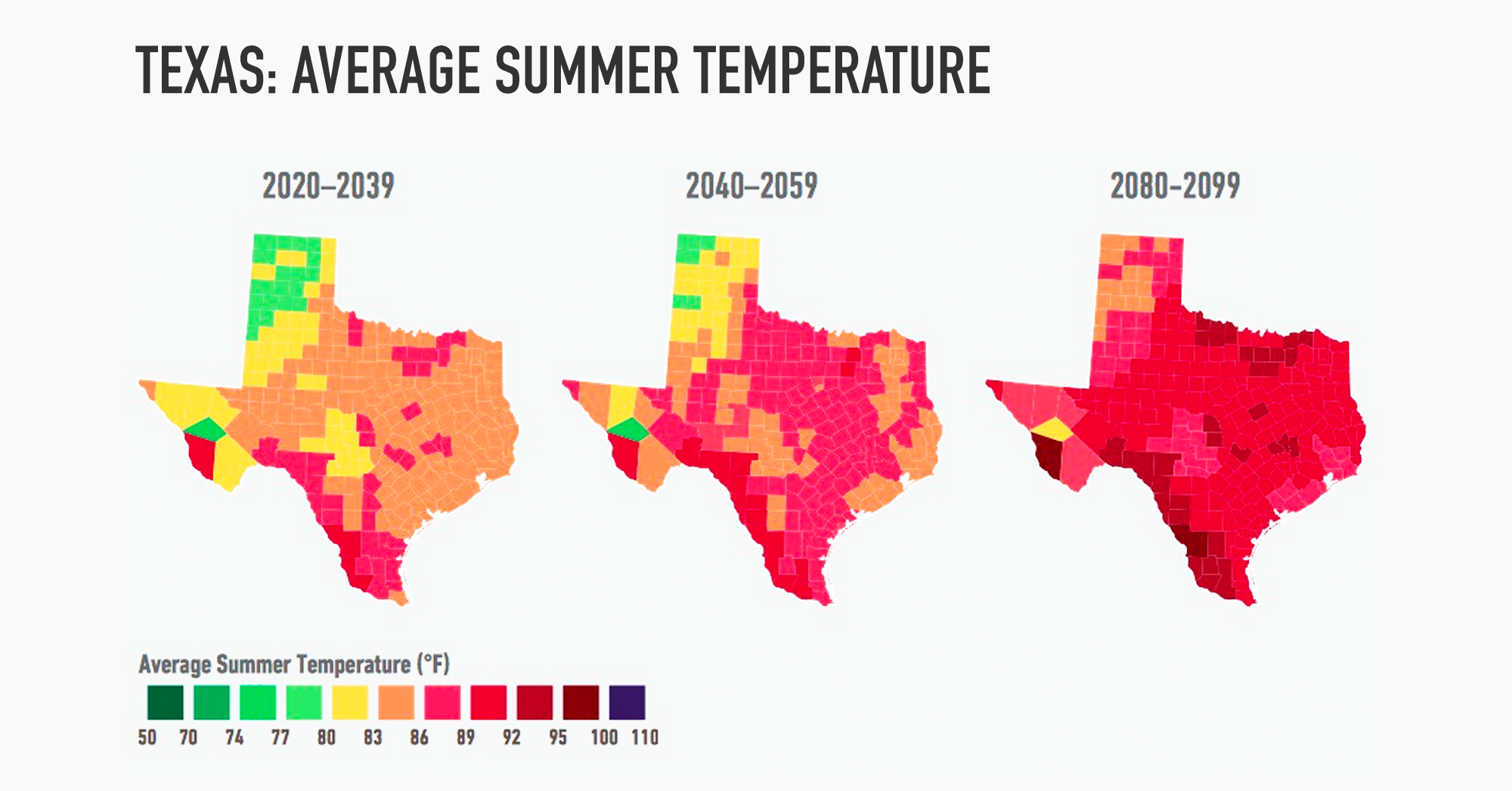
Texas is a sprawling territory, and its climate is far from uniform. The sheer size of the state, stretching over 268,596 square miles, means that weather conditions can vary significantly from one region to another. Broadly speaking, Texas can be divided into several climatic zones, each with its own unique temperature profiles and seasonal characteristics.
East Texas: The Humid Subtropical Embrace
The eastern part of Texas, encompassing areas like Houston and Dallas, experiences a humid subtropical climate. This means that summers are typically hot and very humid, with high dew points that can make the air feel even hotter than the thermometer suggests. Afternoon thunderstorms are common during the summer months, offering brief but welcome respite from the heat. Winters in East Texas are generally mild, with occasional dips into freezing temperatures, and rare snowfalls. Spring and autumn are arguably the most pleasant seasons, offering warm days and cooler evenings, perfect for exploring the region’s numerous attractions.
Central Texas: The Transition Zone
Central Texas, including cities like Austin and San Antonio, lies in a transitional zone. It shares some of the humidity of East Texas but also begins to experience the drier conditions found further west. Summers here are still hot, but the humidity levels might be slightly less oppressive than in the eastern regions. Winters are generally mild, with occasional cold snaps. Spring and fall are delightful, with blooming wildflowers in the spring and vibrant foliage in the autumn. This region is popular for its outdoor activities and vibrant cultural scene.
West Texas: The Arid and Semi-Arid Frontier
The western part of Texas, characterized by the vast plains and desert landscapes around El Paso, experiences an arid to semi-arid climate. Summers are intensely hot, but the lower humidity means that the heat can feel more bearable, and nights often cool down considerably. Winters are mild and dry, with very little precipitation. The dramatic temperature swings between day and night are a hallmark of West Texas. This region is ideal for stargazing and exploring unique natural wonders.
The Panhandle: A Cooler, More Extreme Climate
The Panhandle of Texas, the northernmost part of the state, experiences a more continental climate. Summers are hot, and winters can be quite cold, with a higher likelihood of significant snowfall and ice compared to the rest of the state. The wind is a constant factor here, often contributing to a significant wind chill factor during the colder months.
Seasonal Temperature Trends Across Texas
Understanding the general temperature trends throughout the year will help you tailor your visit to your preferred climate. Whether you’re dreaming of a sun-drenched beach vacation or a cozy escape to a historic inn, knowing what to expect temperature-wise is key.
Summer in Texas: A Fiery Affair
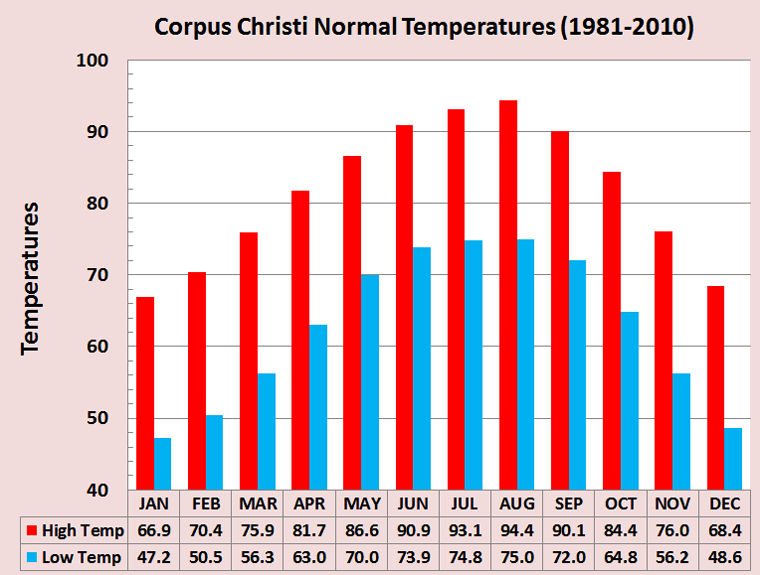
From June through August, Texas is synonymous with heat. Daytime temperatures across much of the state frequently soar into the 90s and can even reach triple digits, particularly in West Texas. The Gulf Coast region, while experiencing coastal breezes, can also suffer from intense humidity, making outdoor activities feel more challenging. Houston, for example, often sees high humidity levels that push the “feels like” temperature significantly higher than the actual air temperature. For those who can tolerate the heat, summer offers opportunities for water sports along the coast, exploring air-conditioned museums, and enjoying evening outdoor events. If you’re traveling during this period, staying hydrated and seeking out shaded activities or indoor attractions like the San Antonio Riverwalk or the museums in Dallas is highly recommended. Many resorts offer expansive pool areas, providing a perfect way to cool off.

Autumn in Texas: The Golden Season
September to November marks a significant shift in Texas weather, ushering in what many consider the most pleasant season. The oppressive heat of summer begins to dissipate, replaced by milder temperatures and lower humidity. Daytime highs in the 70s and 80s are common, with cooler evenings perfect for enjoying outdoor dining or exploring Texas‘s charming small towns. Fall foliage can be spectacular in East Texas, offering beautiful scenery for scenic drives. This is an ideal time for visiting Big Bend National Park or exploring the historic missions in San Antonio. For travelers seeking a comfortable climate for outdoor adventures and cultural exploration, autumn is a prime choice.
Winter in Texas: Mild with Occasional Chills
Texas winters are generally mild, especially compared to northern states. December through February sees average daytime temperatures ranging from the 50s to the 60s in many parts of the state. However, Texas is not immune to cold snaps. Arctic air masses can occasionally push southward, bringing freezing temperatures and even light snow, particularly to North Texas and the Panhandle. The Gulf Coast remains relatively mild, though chilly winds can make it feel cooler. For those seeking to escape harsher winter conditions, a Texas winter can be quite inviting, allowing for comfortable exploration of cities like Fort Worth or enjoying a quiet stay at a lakeside cabin.
Spring in Texas: A Burst of Life and Warmth
March through May is a period of transition and vibrant life in Texas. Temperatures gradually warm up, with daytime highs often in the 70s and 80s. This is the season of blooming wildflowers, with the iconic bluebonnets carpeting the landscape, especially in the Hill Country. Spring weather can be unpredictable, however, with a risk of severe thunderstorms and even tornadoes, particularly in North Texas. The early spring months can still experience cooler days, while late spring can feel quite warm and humid, hinting at the approaching summer. This is a beautiful time to visit for nature lovers and those interested in outdoor festivals and events.
Planning Your Texas Adventure: Temperature-Specific Tips
Armed with an understanding of Texas‘s climate, you can now make informed decisions about your travel plans, ensuring comfort and maximizing your enjoyment of all the Lone Star State has to offer.
Packing Essentials for Every Season
Regardless of when you visit, some universal packing items are essential for Texas. Comfortable walking shoes are a must for exploring cities like Austin or hiking in Palo Duro Canyon State Park. Sunscreen, sunglasses, and a hat are crucial year-round due to the strong Texas sun.
- Summer: Lightweight, breathable clothing is paramount. Think cotton t-shirts, shorts, sundresses, and light trousers. Don’t forget swimwear, even if you’re not staying at a resort with a pool, as many cities have public splash pads and water parks. An umbrella or light rain jacket is advisable for sudden summer downpours.
- Autumn: Layers are your best friend. Pack a mix of short-sleeved shirts, long-sleeved shirts, and a light jacket or sweater for cooler evenings. Jeans or comfortable trousers are ideal.
- Winter: While not as severe as in many other states, pack warmer clothing. A medium-weight jacket, sweaters, long-sleeved shirts, and trousers are recommended. If you’re traveling to North Texas or the Panhandle, consider a warmer coat and perhaps gloves and a hat.
- Spring: Similar to autumn, packing in layers is key. You’ll likely need a mix of lighter clothing for warm days and a jacket or sweater for cooler mornings and evenings. Rain gear is a good idea, as spring showers can be frequent.
Choosing the Right Accommodation and Activities
Your choice of accommodation can significantly impact your comfort, especially when dealing with Texas temperatures.
- For Summer Heat: Consider staying in hotels with excellent air conditioning and fantastic pool facilities. Resorts in areas like the Texas Hill Country often offer beautiful pools and shaded lounging areas. If you prefer a more independent stay, look for apartments or villas with good climate control. For those planning extensive outdoor activities, an early start to the day or opting for late afternoon excursions is wise. Many attractions, such as the Perot Museum of Nature and Science in Dallas or the Space Center Houston, are indoors and offer a perfect escape from the heat.
- For Cooler Months: Cozy inns and historic hotels can be particularly charming during the fall and winter. Imagine yourself by a fireplace in a rustic lodge near Big Bend or enjoying a warm beverage in a boutique hotel in Galveston. Outdoor activities like visiting The Alamo or exploring the Texas State Capitol in Austin are highly enjoyable when the weather is mild.
- Activities by Temperature:
- Hot Temperatures: Water parks (e.g., Schlitterbahn), swimming, visiting indoor museums and art galleries, enjoying air-conditioned shopping malls, evening strolls along the San Antonio Riverwalk, and catching a movie.
- Mild Temperatures: Hiking and camping in state parks, exploring historical sites and landmarks, wine tasting in the Texas Hill Country, attending outdoor festivals and concerts, cycling, and exploring the Texas State Railroad.
- Cool Temperatures: Visiting the Fort Worth Stockyards, enjoying live music in Austin, exploring the art scene in Marfa, attending rodeos, and enjoying hearty Texas cuisine at local diners.
Navigating Texas’s Vastness
Remember that Texas is enormous. A road trip from Houston to El Paso can take over nine hours of driving. Factor in travel time and the potential for different weather conditions along your route. Using weather apps and checking local forecasts frequently is essential. If your itinerary spans different regions of Texas, be prepared for temperature variations. For instance, a morning spent in the cooler climate of the Panhandle could be followed by an afternoon in the hotter plains.
Ultimately, Texas offers a diverse and dynamic climate that can be enjoyed year-round with a little planning. Whether you’re drawn by the allure of its iconic landmarks, the warmth of its hospitality, or the excitement of its vibrant cities, understanding the temperature is your first step towards an unforgettable journey.
LifeOutOfTheBox is a participant in the Amazon Services LLC Associates Program, an affiliate advertising program designed to provide a means for sites to earn advertising fees by advertising and linking to Amazon.com. Amazon, the Amazon logo, AmazonSupply, and the AmazonSupply logo are trademarks of Amazon.com, Inc. or its affiliates. As an Amazon Associate we earn affiliate commissions from qualifying purchases.