
The vast, rugged, and strategically significant state of Alaska often evokes images of breathtaking wilderness, abundant wildlife, and extreme climates. For many, it’s a dream destination for adventure travel and unparalleled natural beauty. However, its geographical position also brings to mind its crucial role in national defense, especially given its proximity to Russia and its extensive coastline. This naturally leads to questions about military presence, particularly the existence of naval bases within its borders. While the answer might not be as straightforward as a simple yes or no, delving into Alaska’s military history and current installations reveals a fascinating interplay between strategic defense and the captivating allure of its landscapes for travelers and tourists.
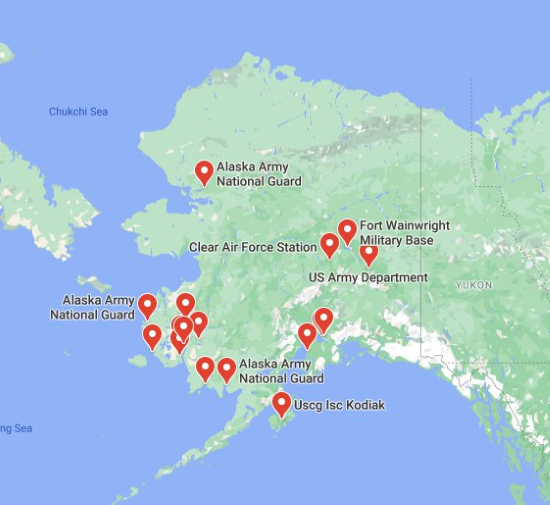
Historically, Alaska’s role in naval operations has been significant, particularly during periods of global conflict. However, the nature of military operations and installations has evolved considerably. Today, while the United States Navy does not maintain large, conventional naval bases in the same vein as those found in Norfolk, Virginia, or San Diego, California, its presence is felt through various support facilities and, most notably, the substantial operations of the United States Coast Guard. This distinction is crucial for understanding the military landscape of the Last Frontier. Far from being a purely military discussion, this exploration also opens doors to understanding the unique travel opportunities, the historical landmarks, and the vibrant local culture that have grown around these strategic locations. From bustling cities like Anchorage to remote Aleutian Islands outposts, Alaska offers a blend of defense heritage and unparalleled tourist experiences, inviting visitors to explore its depths.
Alaska’s Strategic Importance and Military Footprint
Alaska’s geographical location at the crossroads of the Arctic and Pacific Oceans, coupled with its vast natural resources, has always made it a region of immense strategic importance. This significance peaked during World War II and the Cold War, and it continues to be a critical area for national security in the modern era. While large-scale conventional naval bases are absent, the state hosts a robust network of military installations belonging to other branches, which directly or indirectly support maritime operations and provide vital defense capabilities.
Historical Context of Naval Operations
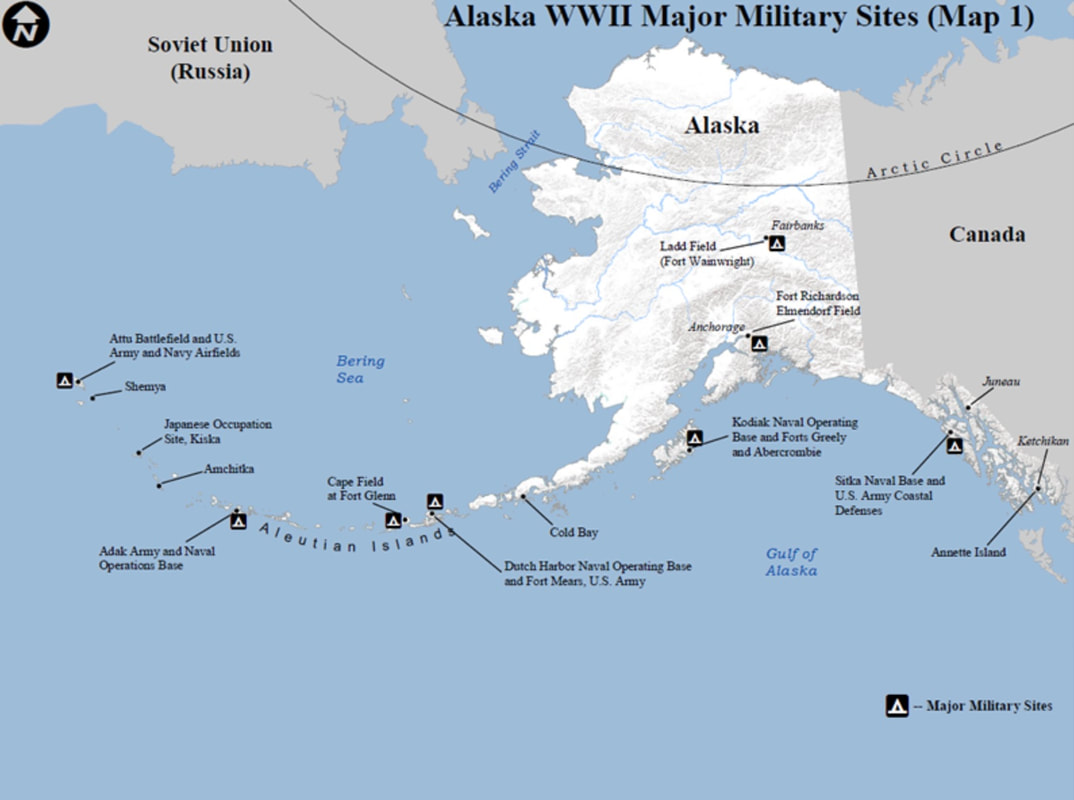
During World War II, Alaska became a focal point of the Pacific Theater, particularly with the Japanese occupation of Attu and Kiska islands in the Aleutian chain. This prompted a significant build-up of naval and air assets to defend the continental United States and reclaim the occupied territories. Naval air stations and support facilities were established in various locations, including Dutch Harbor on Unalaska Island and Adak. Dutch Harbor endured a notable attack in 1942, underscoring the fierce naval battles that took place in the region.
After the war, with advancements in technology and changes in global geopolitics, many of these temporary naval facilities were either decommissioned or repurposed. The strategic focus shifted from forward-deployed naval fleets to air and land-based missile defense and rapid deployment capabilities. However, the legacy of these historical naval engagements remains, with many sites now serving as poignant landmarks for history enthusiasts and a testament to the sacrifices made in the remote Alaskan wilderness. Visiting these areas offers a unique glimpse into military history intertwined with breathtaking natural beauty, appealing to those interested in both historical tourism and adventure travel.
Current Military Installations: A Multifaceted Presence
Today, Alaska’s military footprint is predominantly characterized by U.S. Air Force and U.S. Army installations, along with a crucial U.S. Coast Guard presence that fulfills many of the traditional roles of a navy in coastal and Arctic regions.
The largest and most prominent installations include:
- Joint Base Elmendorf-Richardson (JBER): Located near Anchorage, JBER is a consolidation of the U.S. Air Force’s Elmendorf Air Force Base and the U.S. Army’s Fort Richardson. It is the largest installation in Alaska and serves as a power projection platform for the Pacific Theater, focusing on air defense, combat operations, and joint training. While not a naval base, its logistics and strategic importance indirectly support broader defense strategies that include maritime assets. For travelers, Anchorage provides an excellent base for exploring the region, with numerous hotels, resorts, and vacation rentals catering to diverse accommodation needs.
- Fort Wainwright: Situated in Fairbanks, Fort Wainwright is a key Army installation focusing on Arctic warfare training and operations. Its presence contributes to the strategic defense of the region, complementing the air assets further south. Fairbanks itself is a popular destination for tourists seeking the Northern Lights, Arctic adventures, and a taste of interior Alaskan life.
- Clear Space Force Station: Near Anderson, this installation plays a critical role in missile defense and space surveillance, highlighting Alaska’s modern defense capabilities.
- Eielson Air Force Base: Also near Fairbanks, Eielson is vital for training and projecting air power in the Arctic region.
While these are predominantly Air Force and Army facilities, the maritime domain is expertly covered by the U.S. Coast Guard. The Coast Guard operates several stations and air facilities across Alaska, including major commands in Juneau, Kodiak, and Valdez. Their missions encompass search and rescue, maritime law enforcement, environmental protection, and aids to navigation in some of the world’s most challenging waters. The Coast Guard base on Kodiak Island is particularly significant, being one of the largest and most strategically important Coast Guard installations globally, effectively serving as a vital naval presence in the region. Travelers to Kodiak can witness the rugged beauty that supports these critical operations, often spotting Coast Guard vessels and aircraft while enjoying world-class fishing and wildlife viewing.
Exploring Alaska’s Military Heritage: A Traveler’s Perspective
For those intrigued by the confluence of military history and natural wonder, Alaska offers a unique travel experience. While direct access to active military installations is typically restricted, the areas surrounding these sites, and historically significant locations, provide ample opportunities for exploration, tourism, and understanding the lifestyle shaped by this strategic presence.
Anchorage: A Hub for Exploration and Accommodation
As Alaska’s largest city and home to Joint Base Elmendorf-Richardson, Anchorage is an excellent starting point for any Alaskan adventure. The city itself boasts a vibrant culture, diverse culinary scene, and a range of accommodation options from luxury resorts to budget-friendly hotels and charming bed-and-breakfasts. Visitors can explore the Alaska Native Heritage Center to learn about indigenous cultures, or visit the Anchorage Museum for insights into the state’s art, history, and science, including its military past.
For those interested in the military aspect, the proximity to JBER provides a backdrop of active defense operations, though public access is limited. However, scenic drives like the Turnagain Arm offer stunning views of the surrounding mountains and coastline, where one can imagine the historical maritime vigilance. The Alaska Wildlife Conservation Center near Girdwood is another popular attraction, allowing visitors to see Alaskan wildlife up close, all within a short drive from Anchorage. When planning a trip, visitors can find numerous hotels in Anchorage such as the Hotel Captain Cook for luxury stays or the Comfort Inn Downtown for more budget-conscious options, ensuring comfortable accommodation close to all amenities.
Fairbanks and the Interior: Wilderness and Military Links
Further north, Fairbanks serves as the gateway to the Alaskan interior and is home to Fort Wainwright and Eielson Air Force Base. This region is famous for its extreme temperatures, the midnight sun in summer, and the spectacular Northern Lights in winter. While the military bases are closed to the public, the general atmosphere of Fairbanks reflects its enduring connection to the military, with a strong community of service members and their families.
Tourism in Fairbanks focuses on unique Arctic experiences. Visitors can explore the Fountainhead Antique Auto Museum, take a scenic riverboat cruise on the Chena River, or embark on an adventure to see the Trans-Alaska Pipeline. For a true Alaskan lifestyle experience, consider a stay at an ice hotel or a remote lodge specifically designed for Northern Lights viewing. Hotels like the Wedgewood Resort or the SpringHill Suites by Marriott Fairbanks offer comfortable stays in the city, while numerous cabins and remote lodges provide an authentic wilderness accommodation experience. The history of military aviation and ground forces is palpable here, adding another layer to the region’s rich narrative for visitors.
Coastal Communities: Gateway to Natural Wonders
Alaska’s vast coastline, stretching over 34,000 miles, is where the U.S. Coast Guard truly shines, acting as the primary naval presence. Communities like Kodiak, Juneau, Sitka, and Valdez are not only crucial for Coast Guard operations but also rank among Alaska’s most stunning travel destinations.
- Kodiak Island: Home to a significant Coast Guard base, Kodiak is often called the “Emerald Isle” and is famous for its immense Kodiak bears and rugged fishing industry. Visitors can explore the Kodiak National Wildlife Refuge, engage in sport fishing, or visit the Kodiak History Museum to learn about the island’s Russian-American heritage and maritime past. Accommodation on Kodiak ranges from cozy lodges to waterfront hotels, offering a truly immersive coastal experience.
- Juneau: The state capital is only accessible by air or sea, creating a unique travel experience. Juneau hosts Coast Guard Sector Juneau and is a popular cruise ship destination. Attractions include the majestic Mendenhall Glacier, whale watching tours, and exploring the historic downtown. Hotels in Juneau vary from boutique stays to well-known chains, providing comfortable options for exploring this stunning capital.
- Sitka: Rich in Tlingit and Russian-American history, Sitka also has a Coast Guard air station. The Sitka National Historical Park and the Alaska Raptor Center are must-visit landmarks. The town’s picturesque setting and deep historical roots make it an attractive destination for cultural tourism and outdoor activities.
- Valdez: Known as the “Switzerland of Alaska” for its stunning mountain backdrop and deep-water port, Valdez is another hub for Coast Guard operations, especially concerning oil spill response and maritime safety in the crucial Prince William Sound. Tourists flock here for glacier tours, sea kayaking, and ice climbing. The combination of industrial importance and natural beauty makes Valdez a fascinating stop on any Alaskan itinerary, with various hotels and lodges offering convenient accommodation.
These coastal communities, with their inherent maritime focus, provide a tangible link to Alaska’s naval and Coast Guard history. They also serve as incredible destinations for those seeking adventure, cultural immersion, and close encounters with Alaska’s legendary wildlife, from whales and seals to puffins and bears.
Travel and Tourism Near Alaska’s Military Sites
When considering travel to Alaska, its military presence, though not always directly accessible, often intertwines with the overall experience, providing a unique dimension to exploration. The infrastructure and communities that developed around these strategic points now serve as vital tourist hubs, offering a wide array of attractions and accommodation options for every type of traveler.
Must-Visit Landmarks and Attractions
Beyond the immediate vicinity of military installations, Alaska is a treasure trove of natural and historical landmarks. From the majestic peaks of Denali National Park and Preserve (accessible from both Anchorage and Fairbanks) to the glacial fjords of Kenai Fjords National Park (near Seward), the state promises unparalleled outdoor adventures.
- Denali National Park and Preserve: Home to North America’s highest peak, Denali, this park offers incredible wildlife viewing opportunities, hiking, and bus tours deep into the wilderness. Many tours depart from Anchorage and Fairbanks, linking these military-associated cities with prime tourist attractions.
- Kenai Fjords National Park: Easily accessible from Seward (a historic port town that once played a role in supply chains for military operations), this park is famous for its tidewater glaciers, marine wildlife, and stunning coastal scenery. Boat tours are a popular way to experience the park.
- Alaska Railroad: This iconic railroad connects Seward, Anchorage, Denali, and Fairbanks, offering a scenic and comfortable way to travel between key destinations. It provides a unique perspective on Alaska’s diverse landscapes and passes by numerous historical sites that speak to the state’s development, often intertwined with strategic needs.
- Museums and Cultural Centers: Cities like Anchorage, Fairbanks, and Juneau feature excellent museums detailing Alaska’s history, from its indigenous roots to its Russian colonial past and its modern development, including significant military contributions. The Alaska Aviation Museum in Anchorage highlights the crucial role of aviation in the state’s defense and development.
Accommodation Options for Every Lifestyle
Alaska’s tourism infrastructure caters to a wide range of budgets and travel styles. Whether you’re planning a luxurious honeymoon, a budget-friendly family trip, or an adventurous solo expedition, suitable accommodation is available throughout the popular tourist corridors that often coincide with areas of military significance.
- Luxury Travel: Upscale lodges and resorts offer gourmet dining, guided excursions, and spa services in breathtaking settings. Examples include remote wilderness lodges near Denali or specialized cruise packages that offer opulent amenities while exploring the Inside Passage. In Anchorage, hotels like the Captain Cook provide a premium experience.
- Budget Travel: Hostels, motels, and campgrounds provide affordable options for backpackers and those looking to stretch their travel budget. Many towns, including those near military bases, have well-maintained public campgrounds and smaller, locally owned accommodations. The Holiday Inn Express and Super 8 chains are also present in larger cities.
- Family Trips: Resorts with family-friendly amenities, vacation rentals (like Airbnb or VRBO), and cabins are popular choices. Many properties offer kitchens, multiple bedrooms, and easy access to family-oriented activities.
- Business Stays: Major cities like Anchorage and Fairbanks have conference facilities and business-oriented hotels, such as Marriott or Hilton properties, catering to business travelers and conventions, often drawing on the presence of large government and military operations.
Booking accommodation in advance is always recommended, especially during the peak summer season (June-August), as popular lodges and hotels fill up quickly.
Experiencing Alaskan Culture and Activities
Beyond sightseeing, immersing oneself in the unique Alaskan culture and participating in local activities enhances any visit.
- Outdoor Adventures: From hiking and fishing to kayaking, dog sledding (Iditarod Trail Sled Dog Race starts near Anchorage), and glacier trekking, Alaska is an outdoor enthusiast’s paradise. The vast Chugach National Forest and Tongass National Forest offer countless trails and recreational opportunities.
- Local Culture and Cuisine: Experience the rich traditions of Alaska Native cultures, sample fresh Alaskan seafood (especially salmon and halibut), and enjoy the hospitality of small-town diners and breweries. Festivals and local events, often celebrating the state’s rugged spirit and unique heritage, are common throughout the year.
- Wildlife Viewing: Alaska is one of the best places in the world to see wildlife in its natural habitat, including bears, moose, caribou, whales, and eagles. Guided tours specializing in wildlife photography and observation are widely available.
In conclusion, while Alaska may not host large, conventional U.S. Navy bases today, its military presence is robust and vital, primarily through the Air Force, Army, and the indispensable Coast Guard. This strategic importance has historically shaped, and continues to influence, the communities and landscapes that draw millions of visitors each year. For the discerning traveler, understanding this military backdrop adds depth to an already extraordinary journey, revealing layers of history, resilience, and unique opportunities for travel, tourism, and accommodation amidst the Last Frontier’s unparalleled natural splendor.
LifeOutOfTheBox is a participant in the Amazon Services LLC Associates Program, an affiliate advertising program designed to provide a means for sites to earn advertising fees by advertising and linking to Amazon.com. Amazon, the Amazon logo, AmazonSupply, and the AmazonSupply logo are trademarks of Amazon.com, Inc. or its affiliates. As an Amazon Associate we earn affiliate commissions from qualifying purchases.