
Navigating the complexities of the legal system can be an overwhelming experience, especially when facing a possession charge in Alabama. While the core of this issue lies within the legal realm, the strategies and mindset employed in defending oneself often draw parallels to how one might approach challenges in other aspects of life, such as planning a memorable trip or securing the perfect accommodation. This article aims to demystify the process of confronting a possession charge in Alabama, offering insights into potential defense strategies and highlighting the importance of informed decision-making, much like planning a trip to a new destination or choosing a comfortable resort.
Understanding Possession Charges in Alabama
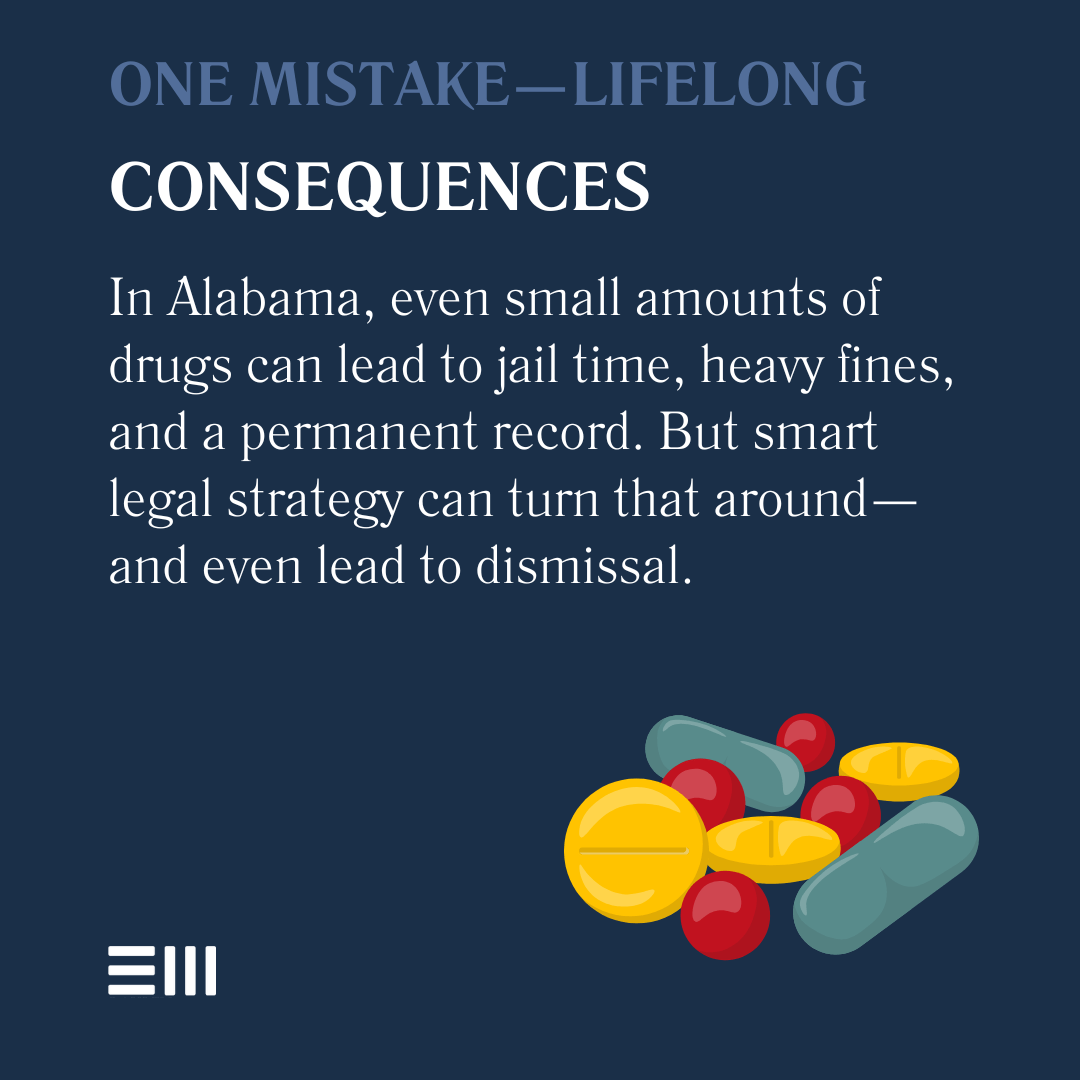
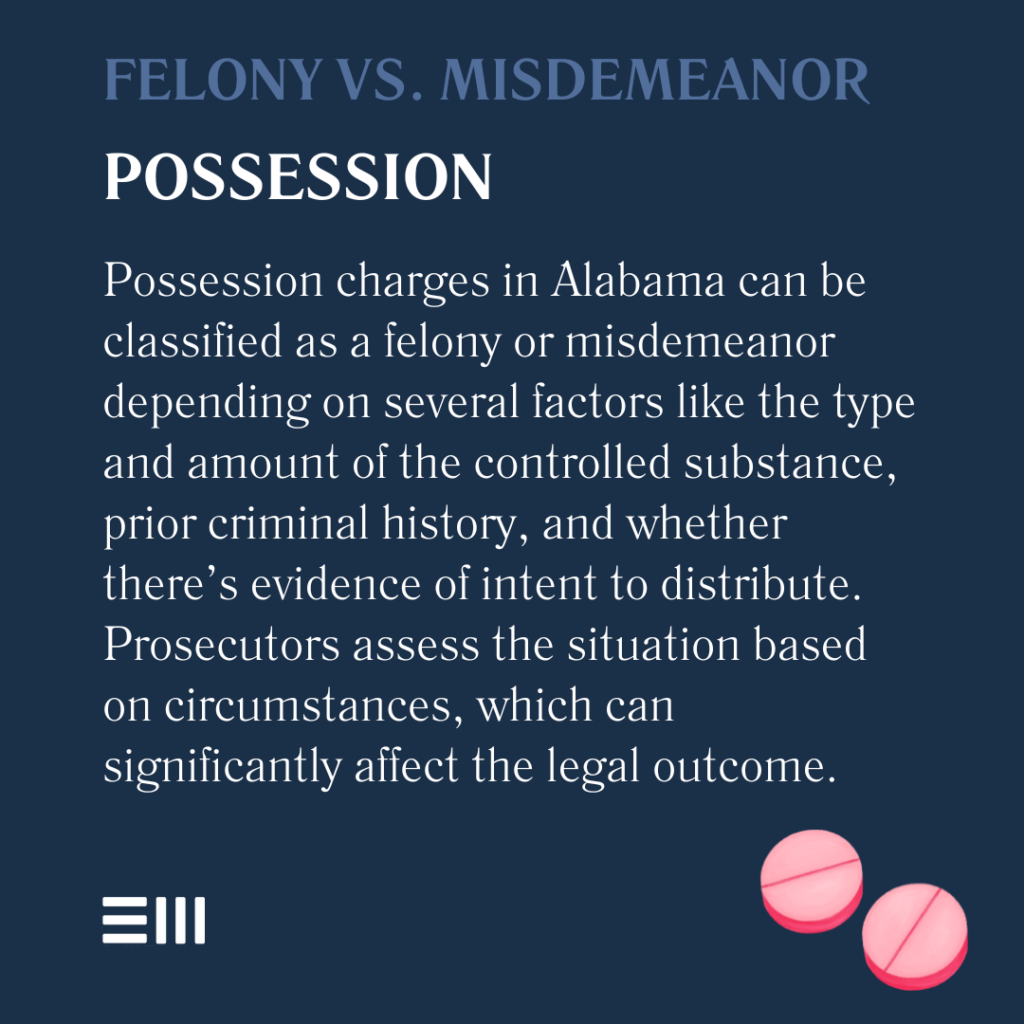
In Alabama, a possession charge typically refers to the unlawful possession of a controlled substance. The severity of the charge, and consequently the potential penalties, depends on several factors. These include the type of substance, the quantity possessed, and whether there is intent to distribute. For instance, possessing a small amount of marijuana for personal use will be treated differently than possessing a larger quantity of cocaine.
The law in Alabama is particularly strict regarding drug offenses. Possession of Schedule I and II controlled substances, such as heroin, cocaine, methamphetamine, and LSD, often carry harsher penalties than those for Schedule III, IV, or V substances. The presence of paraphernalia associated with drug use, like pipes or syringes, can also lead to additional charges or be used as evidence to support intent.
Understanding the specific statutes that govern possession charges is crucial. Alabama Code Title 13A, Chapter 12, outlines various offenses related to controlled substances. Familiarizing yourself with these laws, or having them explained by a legal professional, is the first step in building a defense. This mirrors the initial research one would do before traveling to an unfamiliar city, like Montgomery, to understand local customs and potential challenges. Just as you wouldn’t want to be caught unaware of local ordinances, understanding the legal framework surrounding a possession charge is paramount.
Common Defenses Against Possession Charges
When facing a possession charge in Alabama, several defense strategies can be explored. The effectiveness of each strategy depends heavily on the specific details of the case. A seasoned legal professional will analyze every facet of the arrest, from the initial stop to the evidence collected.
Challenging the Legality of the Search
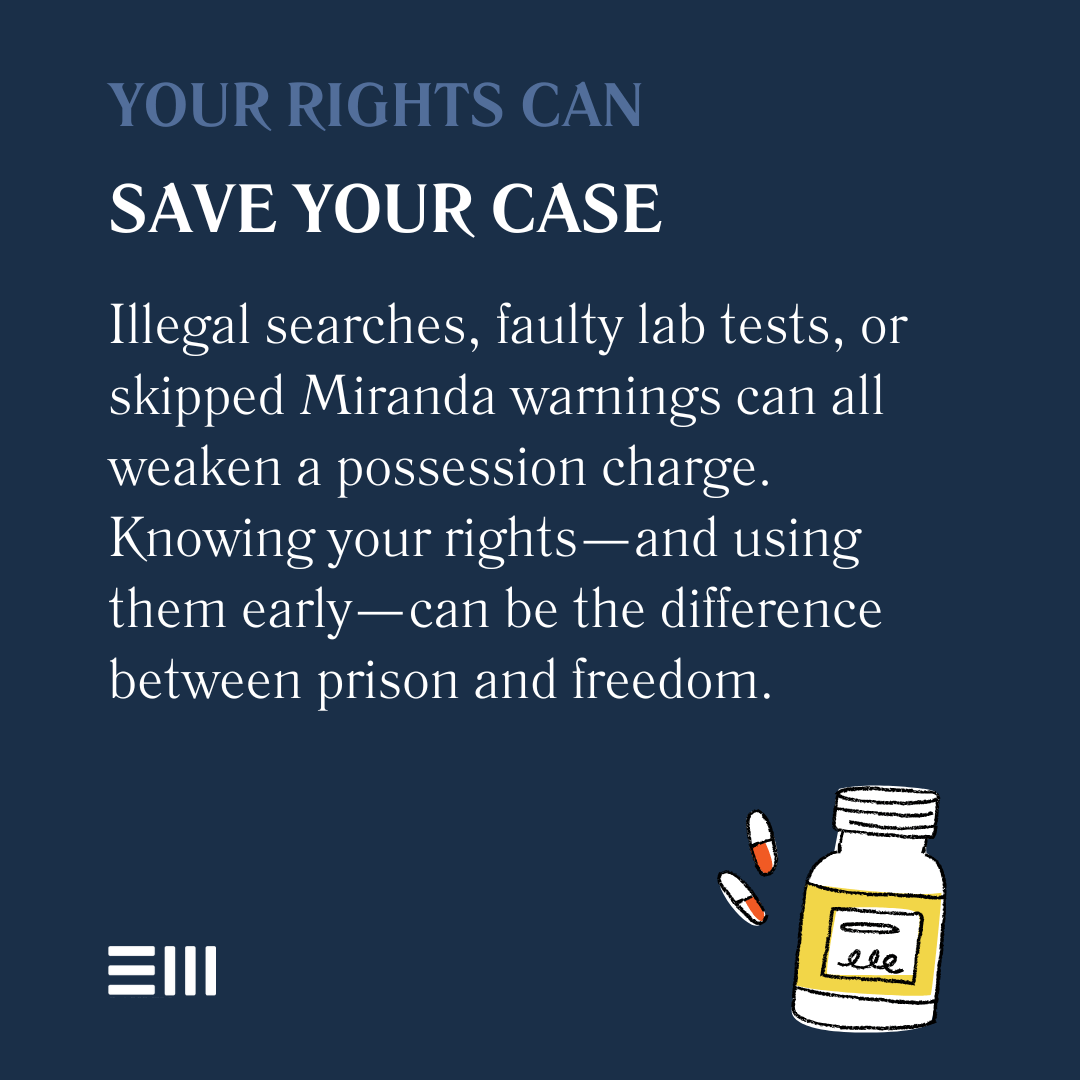
One of the most common and effective defense strategies involves challenging the legality of the search that led to the discovery of the alleged contraband. For a search to be lawful in Alabama, it generally must be conducted with a warrant issued by a judge, or fall under one of the recognized exceptions to the warrant requirement.
- Lack of Probable Cause: Law enforcement officers need probable cause to stop a vehicle or approach an individual. If the initial stop or interaction lacked sufficient probable cause, any evidence discovered as a result may be suppressed. This is akin to a tour guide in Birmingham explaining the history of a landmark; without proper context and evidence, the narrative loses its credibility.
- Unlawful Stop or Detention: Individuals have rights against unreasonable searches and seizures under the Fourth Amendment of the U.S. Constitution, as well as under Alabama state law. If an officer detained an individual or stopped a vehicle without reasonable suspicion or probable cause, the subsequent search and any evidence found could be deemed inadmissible in court.
- Improper Warrant Execution: Even if a warrant exists, its execution must be lawful. This includes ensuring the warrant is specific, the search is conducted within the scope of the warrant, and proper procedures are followed. For example, if an officer searched an area not specified in the warrant, the evidence found in that area might be excluded.
- Plain View Doctrine: This exception allows officers to seize contraband that is in plain view if they are lawfully present in a location. However, the “plain view” must be immediately apparent, and the officer cannot have used their senses in an illegal manner to discover the item.
By meticulously examining the circumstances of the search, a defense attorney can identify violations of constitutional rights. If a violation is proven, the court may suppress the evidence, effectively dismantling the prosecution’s case. This rigorous examination is comparable to a travel blogger meticulously reviewing hotel amenities and comparing prices for their audience, ensuring they provide accurate and actionable information.
Questioning Possession
Another critical defense angle is to question whether the individual actually possessed the controlled substance. Possession can be actual or constructive. Actual possession means the substance was found on the person. Constructive possession means the substance was found in an area where the individual had dominion and control, even if it wasn’t on their person.
- Lack of Knowledge: The prosecution must prove that the individual knowingly possessed the substance. If the substance was found in a shared space, such as a vehicle with multiple occupants or a common area in a residence, it can be argued that the individual was unaware of its presence or did not have control over it. For instance, if drugs were found in a car with several passengers, a defense attorney might argue that the driver had no knowledge of the drugs hidden by another passenger.
- Third-Party Possession: It can be argued that someone else had possession of the substance, and the individual was merely in proximity to it. This defense requires presenting evidence to show that another person had control over the item.
Successfully challenging the element of possession can lead to dismissal of the charges. This requires a thorough investigation into the circumstances surrounding the discovery of the substance and the relationships between the individuals involved. This meticulous attention to detail is akin to planning a detailed itinerary for a family trip to Orlando, ensuring every activity is accounted for and enjoyable for everyone.
Entrapment
Entrapment is a defense that argues law enforcement improperly induced an individual to commit a crime they would not have otherwise committed. This defense is challenging to prove, as it requires demonstrating that the government’s actions went beyond mere opportunity and actively persuaded or coerced the individual into criminal activity. This would involve showing that the police provided the drugs and persuaded the person to possess them, rather than simply observing an already-committed offense.
Prescription Defense
If the substance was found to be a prescription medication, a crucial defense is to demonstrate that the individual had a valid prescription for it. This includes possessing the medication in its original container with a proper label, and that the quantity possessed is consistent with the prescription. For instance, if someone is found with Adderall, but has a prescription for it, this would be a strong defense against a possession charge. This is analogous to presenting a valid booking confirmation for a suite at a luxury hotel in New Orleans; it validates your right to be there and use the amenities.
Steps to Take After an Arrest
Being arrested for a possession charge in Alabama can be a frightening experience, but it is essential to remain calm and understand the immediate steps to take. These actions can significantly impact the outcome of the case.
Remain Silent
The most crucial piece of advice after an arrest is to exercise your right to remain silent. Anything you say to law enforcement can be used against you in court. Do not attempt to explain your situation, offer excuses, or apologize. Politely state that you wish to remain silent and want to speak with an attorney. This is similar to respecting the quiet ambiance of a secluded villa; you don’t want to disturb it unnecessarily with premature or ill-considered actions.
Secure Legal Representation
Hiring an experienced criminal defense attorney is paramount. An attorney specializing in Alabama drug laws will understand the nuances of the legal system, the strategies that have proven effective, and the best approach for your specific situation. They can navigate the legal process, protect your rights, and build a strong defense. Do not attempt to represent yourself; the legal landscape is too complex, and the stakes are too high. This is akin to seeking a professional travel agent to book a complex international trip to Paris; their expertise ensures a smoother, more informed journey.
Gather Information
While you should not speak to law enforcement, it is important to gather any information that might be relevant to your case. This could include details about where you were, who you were with, and any circumstances surrounding the arrest. Your attorney will guide you on what information is relevant and how to best present it. This information gathering is much like a traveler collecting souvenirs and memories from a trip to Rome; each piece helps to recount the experience.
Understand the Charges
Work with your attorney to fully understand the specific charges against you. Know the type of controlled substance, the quantity, and the potential penalties associated with the offense. This understanding will empower you and your legal team to formulate the most effective defense strategy. Just as one researches the best luxury resorts in Maui before booking, understanding the charges is the first step in addressing them.
Potential Outcomes and Legal Strategies
The legal process following a possession charge in Alabama can lead to various outcomes, ranging from dismissal of charges to conviction and sentencing. The specific outcome depends on the evidence, the defense strategy, and the prosecutor’s discretion.
Plea Bargaining
In many cases, a plea bargain may be an option. This involves negotiating with the prosecutor to plead guilty to a lesser charge or receive a reduced sentence in exchange for avoiding a trial. An experienced attorney can assess whether a plea bargain is in your best interest, considering the strength of the prosecution’s case and the potential penalties of a conviction at trial. This is similar to a budget traveler comparing different flight options and hotel deals to find the most economical yet satisfying travel experience.
Diversion Programs
Alabama offers various diversion programs for certain drug offenses, particularly for first-time offenders. These programs often involve completing rehabilitation, drug education, or community service. Successful completion of a diversion program can lead to the dismissal of charges, allowing individuals to avoid a criminal record. This is comparable to finding a fantastic deal on an all-inclusive resort in the Dominican Republic, offering a comprehensive and valuable experience.
Trial
If a plea bargain is not reached or is not in the defendant’s best interest, the case may proceed to trial. At trial, the prosecution must prove beyond a reasonable doubt that the defendant knowingly possessed the controlled substance. The defense attorney will present their case, challenge the prosecution’s evidence, and argue for the defendant’s innocence or for a lesser verdict. This is the most demanding phase, much like embarking on an expedition to a remote landmark like Machu Picchu; it requires thorough preparation and strategic execution.
Sentencing
If convicted, the defendant will face sentencing. Penalties can include fines, probation, community service, mandatory drug treatment programs, and incarceration. The severity of the sentence will depend on factors such as the type and quantity of the drug, prior criminal history, and the specific laws of Alabama. Understanding these potential consequences is vital throughout the legal process. This is akin to researching the various amenities and services offered by different hotels before making a booking, ensuring you are aware of all possibilities and their associated costs.
Facing a possession charge in Alabama is a serious matter, but by understanding the legal framework, exploring potential defenses, and securing competent legal representation, individuals can navigate this challenging situation more effectively. The principles of careful planning, informed decision-making, and seeking expert advice, which are essential in travel and accommodation planning, are equally critical when confronting legal challenges.
LifeOutOfTheBox is a participant in the Amazon Services LLC Associates Program, an affiliate advertising program designed to provide a means for sites to earn advertising fees by advertising and linking to Amazon.com. Amazon, the Amazon logo, AmazonSupply, and the AmazonSupply logo are trademarks of Amazon.com, Inc. or its affiliates. As an Amazon Associate we earn affiliate commissions from qualifying purchases.