
For anyone planning a trip from the bustling West Coast of the United States to the tranquil shores of the Aloha State, a common and critical question arises: “How many hours is Hawaii behind California?” Understanding this time difference is not merely a matter of curiosity; it’s a fundamental aspect of seamless travel planning, impacting everything from flight schedules and hotel check-ins to managing jet lag and staying connected with home.
The simple answer is that Hawaii is either two or three hours behind California, depending on the time of year. This variance stems from California’s observance of Daylight Saving Time, a practice that Hawaii famously opts out of. This seemingly small detail can have significant repercussions for travelers, shaping their initial days in paradise and influencing how they interact with the world they leave behind. This article will delve into the specifics of this time difference, explore its practical implications for travelers, and offer insights on how to navigate it for a truly optimized Hawaiian getaway.
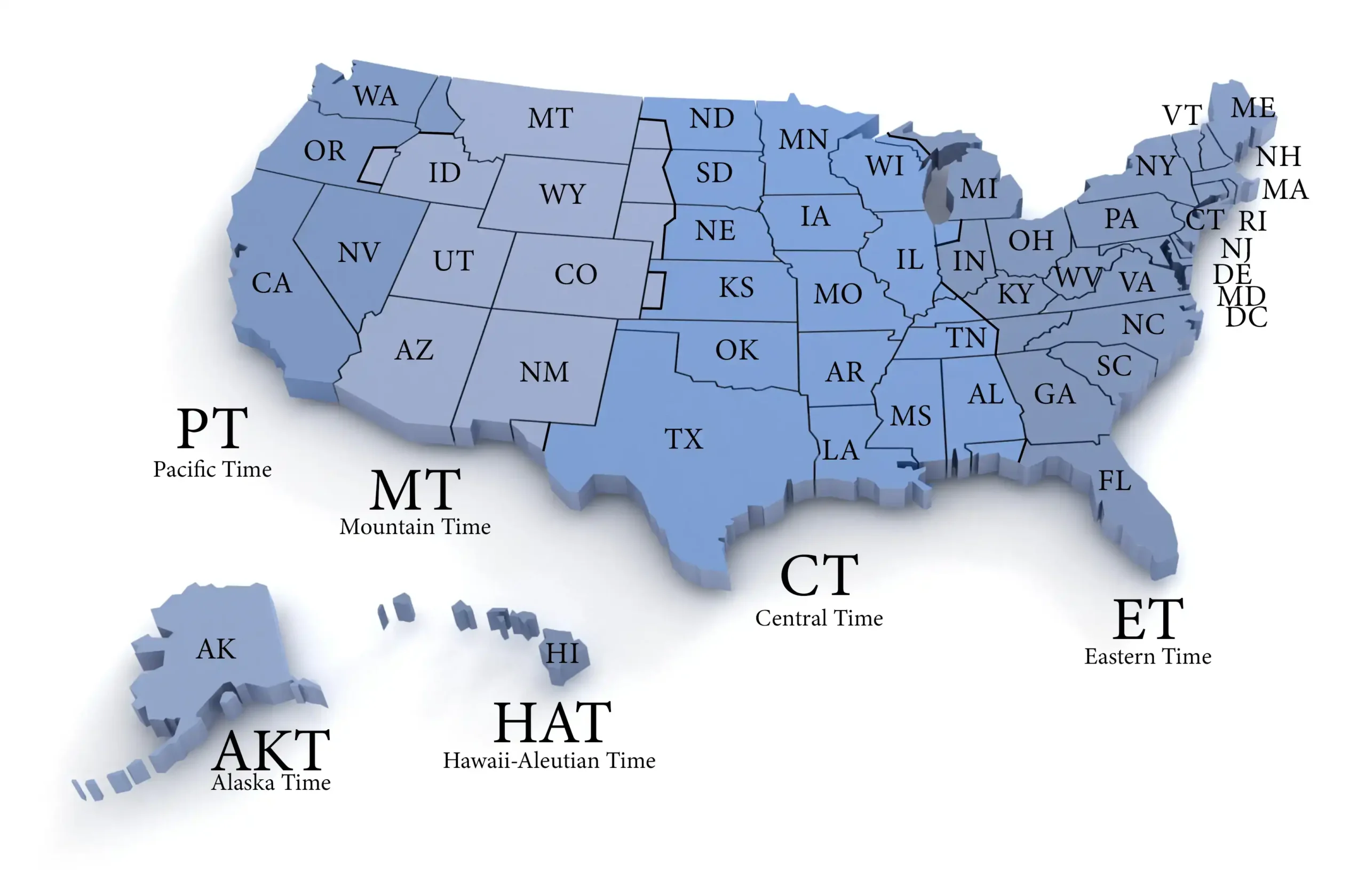
Understanding the Time Difference: Pacific vs. Hawaii Standard Time
At the heart of the time discrepancy between Hawaii and California lies the distinct time zones each region adheres to, coupled with California’s seasonal adjustment for Daylight Saving Time. Grasping these foundational elements is the first step toward becoming a savvy traveler.
The Core Discrepancy: PDT vs. HST
Hawaii operates on Hawaii Standard Time (HST), which is UTC-10. Crucially, Hawaii does not observe Daylight Saving Time. This means its clock remains constant throughout the entire year, a refreshing simplicity for those accustomed to biannual time changes.
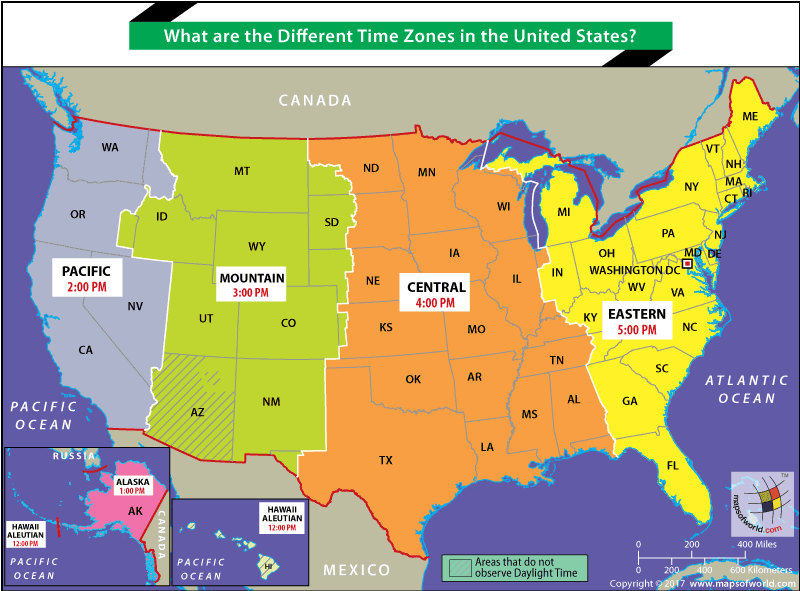
California, on the other hand, utilizes two different time zones throughout the year. During the spring, summer, and early fall months (typically from the second Sunday in March to the first Sunday in November), California observes Pacific Daylight Time (PDT). PDT is UTC-7, meaning it’s seven hours behind Coordinated Universal Time.
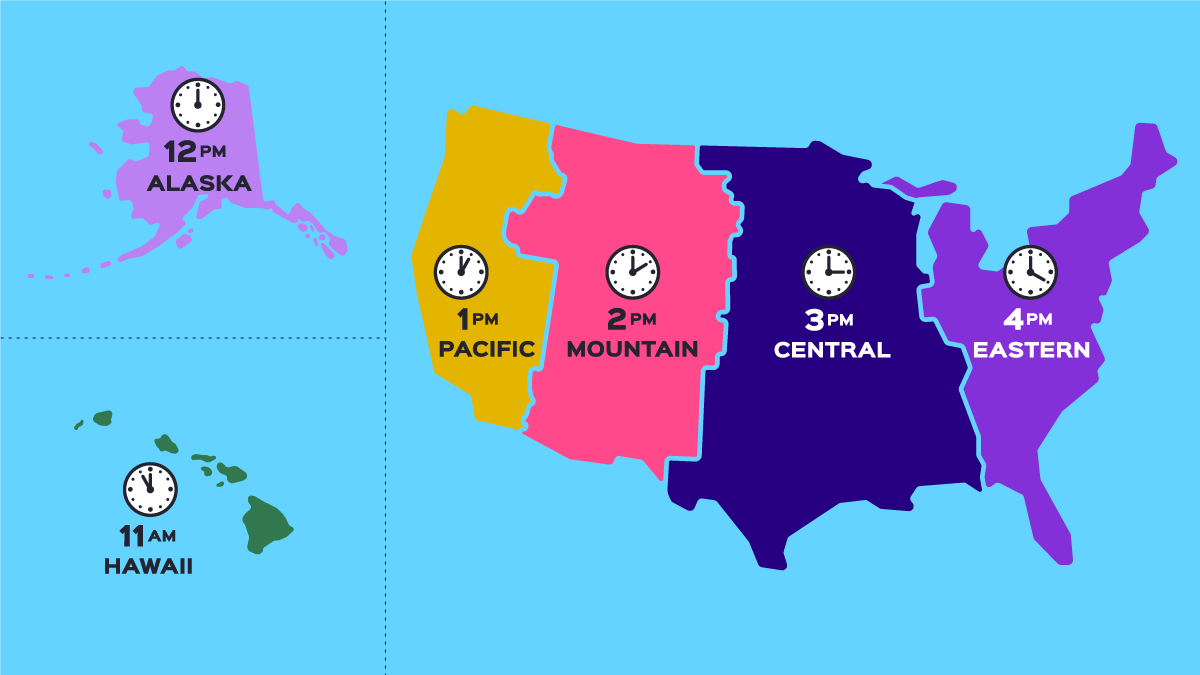
When California is on PDT, the time difference with Hawaii is three hours. For example, if it’s 12:00 PM PDT in Los Angeles, it will be 9:00 AM HST in Honolulu.
Year-Round Consistency (for Hawaii) and Seasonal Shifts (for California)
As winter approaches and Daylight Saving Time ends, California reverts to Pacific Standard Time (PST). PST is UTC-8, meaning it’s eight hours behind Coordinated Universal Time. This shift typically occurs on the first Sunday of November and lasts until the second Sunday of March.
During the PST period, the time difference between California and Hawaii narrows to two hours. So, if it’s 12:00 PM PST in San Francisco, it will be 10:00 AM HST in Honolulu.
This seasonal fluctuation is the key detail that travelers must remember. Most visitors from California to Hawaii travel during the warmer months, when the three-hour difference is in effect. However, a winter getaway would mean a slightly less pronounced two-hour shift. Always confirm which time period you’re traveling within to accurately calculate the difference.
Practical Implications for Travelers from California to Hawaii
The time difference isn’t just an abstract concept; it has tangible effects on your travel logistics and personal well-being. Understanding these practical implications can help you mitigate potential issues and ensure a smoother transition to your island paradise.
Managing Your Arrival and Departure Times
When you’re jetting off from California to Hawaii, the clock effectively moves backward by two or three hours. This “gain” in time can be a pleasant surprise on arrival, making your flight feel shorter than it actually is in terms of the local clock. A five-hour flight from Los Angeles might see you departing at 8:00 AM PDT and landing around 10:00 AM HST, despite being in the air for five hours.
This time shift is crucial for managing your bookings. Double-check all hotel check-in times, car rental reservations, and tour start times against the local Hawaiian clock. An 8:00 AM activity in Hawaii will feel like 11:00 AM to your body if you’re mentally still on PDT, but it’s important that your reservation aligns with the actual local time. Missing an early morning excursion because you miscalculated the time difference can put a damper on your meticulously planned itinerary. Similarly, on departure, be mindful that your flight back to California will “lose” those hours, potentially landing you much later in the California day than you might expect based purely on flight duration.
Conquering Jet Lag: Adjusting to Hawaiian Time
Traveling westbound across time zones typically results in “backward” jet lag, which can sometimes be easier to manage than eastbound travel. You’re effectively gaining hours, making your day longer. However, your internal body clock, or circadian rhythm, will still be operating on California time.
To minimize jet lag, consider these strategies:
- Pre-adjust: A few days before your trip, try to shift your sleep schedule by an hour or two closer to Hawaiian time. Go to bed later and wake up later.
- Hydrate: Drink plenty of water before, during, and after your flight to combat dehydration, which can exacerbate jet lag symptoms.
- Embrace the sun: Upon arrival in Hawaii, expose yourself to natural sunlight as soon as possible. Sunlight helps reset your circadian rhythm. Plan outdoor activities for your first day.
- Stay active: Avoid the temptation to nap for too long during the day. Light exercise can help you feel more alert and ready for bed at the local Hawaiian time.
- Adjust quickly: As soon as you land, try to operate on Hawaiian time for meals and sleep. If you arrive early, try to power through until a reasonable local bedtime.
While a two- or three-hour difference is less severe than crossing multiple continents, ignoring it can still lead to sluggishness and impact your initial enjoyment of the islands.
Communication and Coordination with the Mainland
Beyond personal comfort and travel logistics, the time difference plays a significant role in how you stay connected with friends, family, or work back on the mainland. Effective communication requires careful consideration of both your local time and their local time.
Staying Connected with Friends and Family
Whether it’s checking in with loved ones, sharing photos of your adventures, or just a quick chat, you’ll need to be mindful of the time back home. If you’re in Hawaii and it’s 7:00 PM HST, it’s already 10:00 PM PDT (or 9:00 PM PST) in California. A late-night call from Hawaii might be a very early morning wake-up call for those in California.
To avoid inconvenient communication, consider:
- Morning calls from Hawaii: A 9:00 AM HST call would be 12:00 PM PDT (or 11:00 AM PST) in California, a perfect midday window.
- Evening messages: If you want to send a message after your day’s activities in Hawaii, remember that it might be received late at night in California. Schedule texts or emails to be sent at times that work for both parties.
- Video calls: Face-to-face communication across time zones can be tricky. Try to find a mutually agreeable window, perhaps a late afternoon in Hawaii coinciding with early evening in California.
Managing Online Schedules and Bookings
For business travelers or those needing to conduct remote work while enjoying Hawaii, the time difference becomes paramount. Online meetings, webinars, or critical deadlines must be managed with precision. A 9:00 AM PST meeting would mean you need to be online at 7:00 AM HST – a potentially early start to your Hawaiian day.
Even for leisure travelers, this applies to:
- Booking future travel: If you’re booking return flights, connecting flights, or accommodations for your next destination while in Hawaii, ensure the booking system automatically adjusts to your local time or that you’re manually inputting times correctly for the respective time zones.
- Online event participation: If you plan to participate in an online course, virtual concert, or any timed digital event, verify the event’s listed time zone and convert it to HST.
- Customer service: When contacting businesses or customer support that operate on California time, factor in the two or three-hour difference to ensure you’re calling during their business hours.
Always default to double-checking the time zone for any scheduled activity or communication to prevent misunderstandings and missed opportunities.
Maximizing Your Hawaiian Experience with Time Awareness
Understanding the time difference isn’t just about avoiding problems; it’s also about leveraging it to enhance your travel experience and fully immerse yourself in the unique rhythm of the islands.
Planning Daily Activities and Sightseeing
With the knowledge of the time difference, you can strategically plan your days to make the most of every moment.
- Early bird advantage: If you’re naturally an early riser due to your California body clock, use it to your advantage. Witness breathtaking sunrises from Haleakala on Maui or Koko Head on Oahu without having to force yourself awake. Many popular attractions, like Pearl Harbor, open early, allowing you to beat the crowds.
- Afternoon relaxation: The three-hour shift might make your body feel ready for an afternoon nap when it’s still early in Hawaii. Embrace this opportunity for a relaxing siesta by the pool or on the beach, leaving you refreshed for evening activities.
- Restaurant reservations: Popular restaurants, especially in tourist hubs like Waikiki or Lahaina, fill up quickly. Booking dinner reservations for later in the Hawaiian evening might align perfectly with when your body feels ready for a meal, allowing you to dine without feeling rushed.
- Sunset views: As the day winds down, plan your activities to capture Hawaii’s spectacular sunsets. Whether it’s from Lanikai Beach on Oahu or a sunset cruise off Kona, these moments are unforgettable.
Being aware of the time difference allows you to be proactive in scheduling your tours, lessons (e.g., surfing or paddleboarding), and other experiences, ensuring you don’t miss out due to a calendar mishap.
The Psychological Shift: Embracing “Island Time”
Beyond the strict numerical difference, there’s a more philosophical aspect to Hawaiian time known as “Island Time.” This isn’t a different time zone on the clock, but rather a cultural embrace of a slower, more relaxed pace of life. It’s about appreciating the present moment, being flexible, and not letting the frantic pace of the mainland dictate your rhythm.
The two or three-hour shift from California can actually aid in this psychological transition. It creates a natural buffer, a subtle push to unwind and disconnect from the urgency often associated with West Coast living. Use the gained hours to truly slow down, breathe in the fresh ocean air, and let go of your worries.
By understanding the technicalities of Hawaii’s time difference from California and embracing the “Island Time” mindset, you can transform a potential logistical hurdle into an advantage, ensuring your Hawaiian vacation is as smooth, enjoyable, and rejuvenating as possible.
LifeOutOfTheBox is a participant in the Amazon Services LLC Associates Program, an affiliate advertising program designed to provide a means for sites to earn advertising fees by advertising and linking to Amazon.com. Amazon, the Amazon logo, AmazonSupply, and the AmazonSupply logo are trademarks of Amazon.com, Inc. or its affiliates. As an Amazon Associate we earn affiliate commissions from qualifying purchases.