
Twin Falls is a city that often surprises travelers with its dramatic landscapes and hidden geological wonders. Situated in the high desert of the northwestern United States, it serves as a primary hub for the Magic Valley region. While many people conceptualize Idaho as a land of rolling potato fields, this city offers a different reality characterized by deep basalt canyons, massive waterfalls, and a vibrant outdoor culture. Understanding exactly where this city is and what it offers is the first step in planning a journey to one of the most underrated travel destinations in the Pacific Northwest.

Understanding the Geography and Location of Twin Falls
To answer the question of where Twin Falls is located, one must look toward the southern part of Idaho. The city is perched on the edge of the Snake River Canyon, a massive gorge carved by the Snake River over thousands of years. This geographic placement defines the city’s identity, providing a stark contrast between the flat agricultural lands above the rim and the rugged, prehistoric world below.
The Heart of Southern Idaho
Twin Falls is the largest city in the Magic Valley, a multi-county region in Southern Idaho that owes its name to the “magic” of irrigation, which turned the arid desert into productive farmland. It is the county seat of Twin Falls County. Geographically, it sits at an elevation of approximately 3,745 feet above sea level. The climate is semi-arid, featuring four distinct seasons, which allows for a variety of travel experiences ranging from summer kayaking to winter sightseeing.
Proximity to Major Regional Hubs
For those planning a road trip, Twin Falls is strategically positioned along Interstate 84. It is located roughly 130 miles southeast of Boise, the capital of Idaho, making it an easy two-hour drive for weekend visitors. To the south, the city is about 220 miles north of Salt Lake City, Utah. Its location makes it a popular stop for travelers heading toward Yellowstone National Park or the mountain resort town of Sun Valley. Additionally, it is just a short drive from the Nevada border, providing access to the high desert landscapes of the Great Basin.
Iconic Natural Landmarks and Scenic Wonders
The primary reason travelers seek out Twin Falls is its proximity to world-class natural landmarks. The area is home to some of the most impressive geological formations in the United States, often earning it comparisons to more famous national parks.
Shoshone Falls: The Niagara of the West
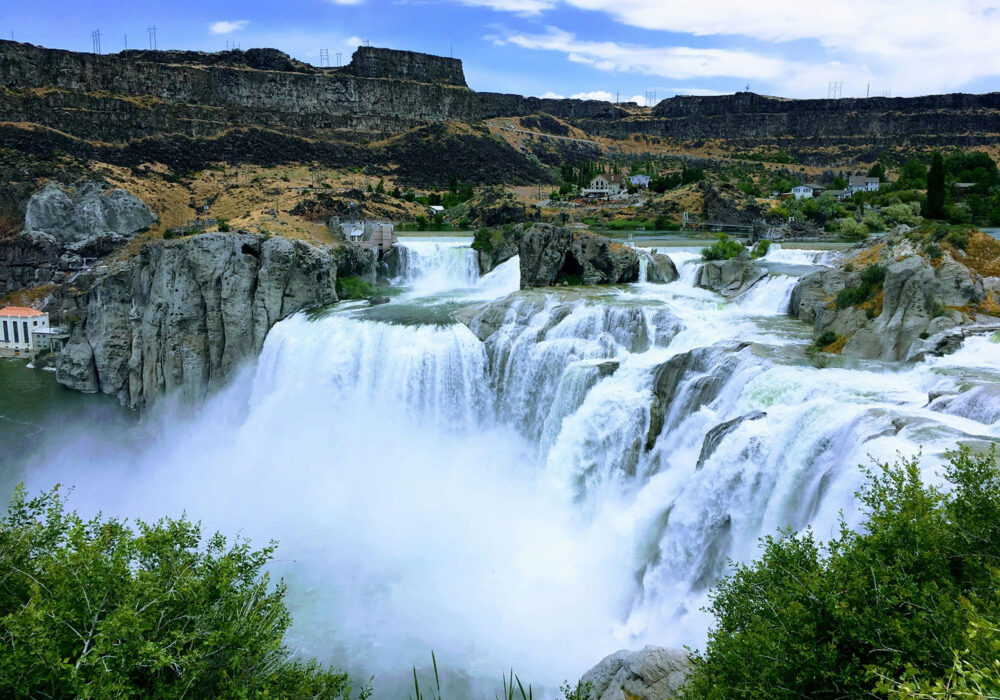
Often referred to as the “Niagara of the West,” Shoshone Falls is a must-see destination for any traveler in Idaho. Standing at 212 feet tall, these falls are actually higher than Niagara Falls. The sight of the Snake River plunging over a massive basalt horseshoe is breathtaking, especially during the spring snowmelt when the water flow is at its peak. The surrounding Shoshone Falls Park offers various overlooks, picnic areas, and hiking trails that provide different perspectives of the cascading water and the mist-filled canyon.
The Majestic Snake River Canyon
The Snake River Canyon is the defining feature of the local landscape. Carved by the Bonneville Flood approximately 14,000 years ago, the canyon reaches depths of nearly 500 feet. For travelers, the canyon is not just a sight to behold but a playground for adventure. The Snake River Canyon Rim Trail offers miles of paved paths for walking and biking, providing constant views of the river below and the sheer rock walls that hem it in.
Perrine Bridge: A Structural and Recreational Icon
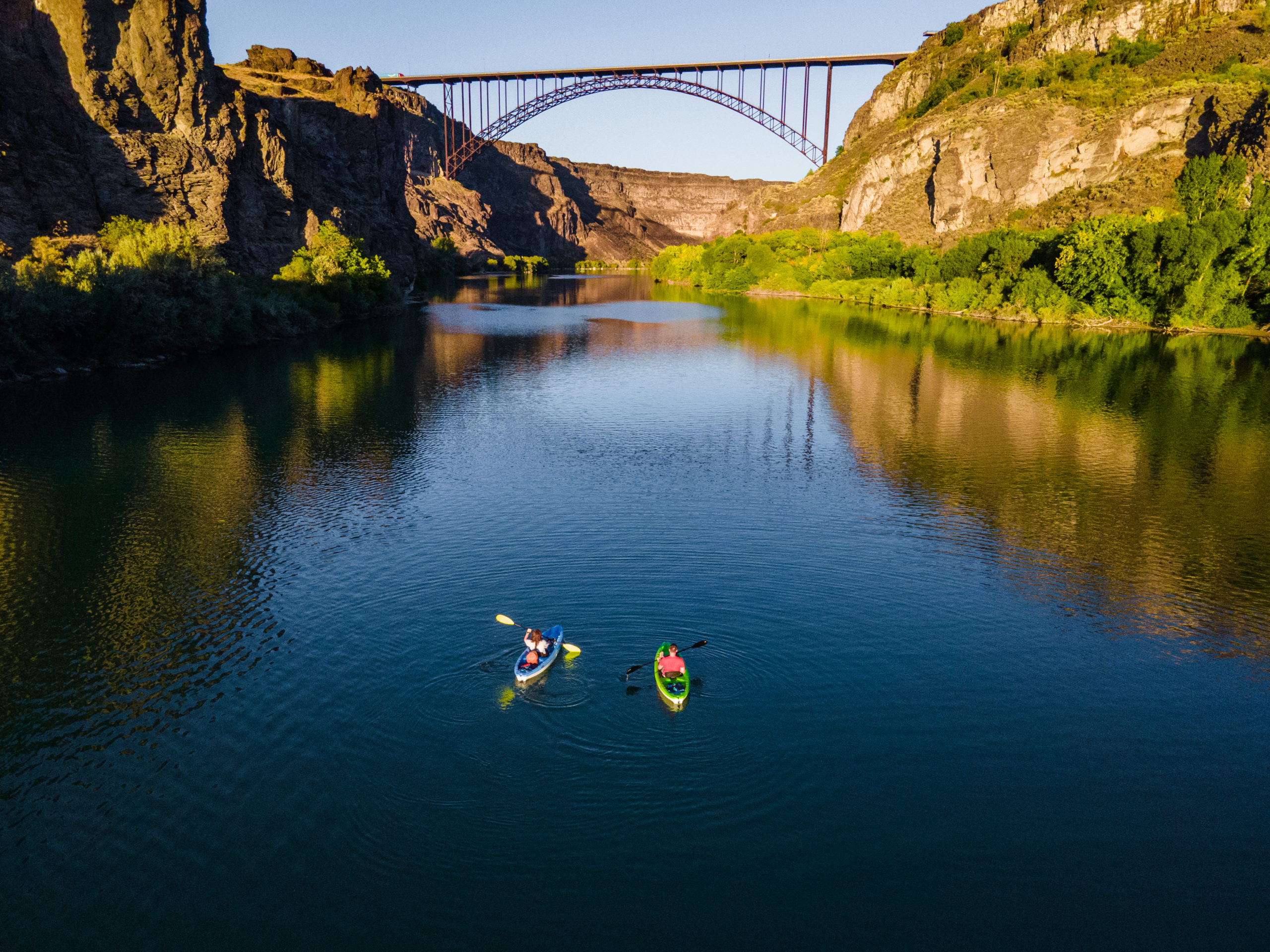
Spanning the canyon is the I B Perrine Bridge, one of the most photographed structures in the state. Standing 486 feet above the Snake River, the bridge is a marvel of engineering. However, it is perhaps most famous in the travel world as a premier destination for BASE jumping. It is one of the few man-made structures in the United States where BASE jumping is legal year-round without a permit. Spectators often gather at the Twin Falls Visitor Center to watch jumpers plunge into the gorge, their parachutes opening just seconds before they reach the riverbank.
Outdoor Adventures and Recreational Highlights
Beyond the viewpoints, Twin Falls offers a wealth of active travel opportunities. The combination of the river and the rugged terrain makes it an ideal spot for those who enjoy being outdoors.
Water Sports on the Snake River
The Snake River provides a diverse range of water-based activities. At Centennial Waterfront Park, visitors can rent kayaks or paddleboards. A popular route involves paddling upstream toward Pillar Falls, a series of massive rock pillars that break up the river’s flow. For the more ambitious traveler, a long paddle will take you all the way to the base of Shoshone Falls, offering a perspective of the waterfall that few get to see. The calm waters within the canyon make this accessible even for beginners.
Exploring the Trails and Parks
For those who prefer to stay on dry land, the area is crisscrossed with trails. Dierkes Lake, located just above Shoshone Falls, is a hidden gem surrounded by towering cliffs. It offers a loop trail that is popular with hikers and rock climbers. The park also features swimming docks and scuba diving spots, making it a versatile recreational area. Additionally, the Auger Falls Heritage Park provides mountain biking and hiking trails that lead to several smaller, yet beautiful, waterfalls and unique rock formations deeper within the canyon system.
Exploring the Surrounding Magic Valley Region
While the city itself has much to offer, Twin Falls serves as the perfect base camp for exploring the wider Magic Valley and its unique attractions.
Thousand Springs State Park
A short drive west of the city brings you to Thousand Springs State Park, a collection of several non-contiguous units that showcase the incredible hydrology of the region. At the Ritter Island unit, travelers can see water literally gushing out of the canyon walls—water that has traveled underground through the Eastern Snake Plain Aquifer from the mountains hundreds of miles away. Nearby, Blue Heart Springs is a hidden cove accessible only by water, known for its startlingly clear, turquoise water that remains a constant temperature year-round.
Craters of the Moon National Monument and Preserve
About an hour and a half to the northeast is Craters of the Moon National Monument and Preserve. This vast “ocean of lava flows” is one of the most unique landscapes in the United States. Visitors can hike across cinder cones, explore lava tubes, and marvel at the stark, lunar-like beauty of the basalt fields. It is an essential day trip for anyone staying in Twin Falls who has an interest in geology or surreal natural beauty.
Planning Your Visit to Twin Falls
To get the most out of a trip to Twin Falls, travelers should consider the timing and logistics of their visit to match their interests.
Best Time to Visit
The best time to visit Twin Falls depends largely on what you want to see. For those coming to witness the power of Shoshone Falls, late spring (April through June) is the peak season. This is when the snowmelt from the Rocky Mountains fuels the river. By late summer, much of the river’s water is diverted for agriculture, which can reduce the falls to a trickle. However, summer is the ideal time for kayaking the Snake River and enjoying the parks. Fall offers cooler temperatures and beautiful foliage along the canyon rim, while winter provides a quiet, frosty beauty and the chance to see the falls partially frozen.
Getting To and Around the City
Travelers can fly directly into the Magic Valley Regional Airport, which offers daily flights to Salt Lake City. Alternatively, many visitors fly into Boise Airport and rent a car for the scenic drive. Once in Twin Falls, a car is highly recommended, as the major attractions like Balanced Rock or Hagerman are spread out across the county. The city itself is easy to navigate, with most of the major dining and shopping areas located along Blue Lakes Boulevard and the historic Downtown Twin Falls district.
In conclusion, Twin Falls is much more than a stopover on the way to other destinations. It is a world-class travel destination in its own right, offering a unique blend of geological drama, outdoor adventure, and regional charm. Whether you are standing on the edge of the Snake River Canyon watching a BASE jumper leap into the void or paddling through the clear waters of the Magic Valley, the experiences found here are truly one-of-a-kind. For those asking “Where is Twin Falls Idaho?”, the answer lies not just in coordinates on a map, but in the unforgettable vistas and adventures that await in the heart of the Pacific Northwest.
LifeOutOfTheBox is a participant in the Amazon Services LLC Associates Program, an affiliate advertising program designed to provide a means for sites to earn advertising fees by advertising and linking to Amazon.com. Amazon, the Amazon logo, AmazonSupply, and the AmazonSupply logo are trademarks of Amazon.com, Inc. or its affiliates. As an Amazon Associate we earn affiliate commissions from qualifying purchases.