
Planning a trip to the vibrant state of Louisiana involves more than just picking out your itinerary of jazz clubs, historical plantations, and delicious Creole cuisine. A crucial, yet often overlooked, detail is understanding its time zone. For any traveler, knowing the local time is fundamental to seamless planning, punctuality, and an overall stress-free experience. Louisiana, a gem in the American South, operates predominantly within one specific time zone, making it relatively straightforward for visitors. This article delves into the intricacies of Louisiana’s time zone, exploring its implications for travel and offering insights to help you make the most of your journey through the Pelican State.
Understanding Louisiana’s Time Zone: Central Standard Time
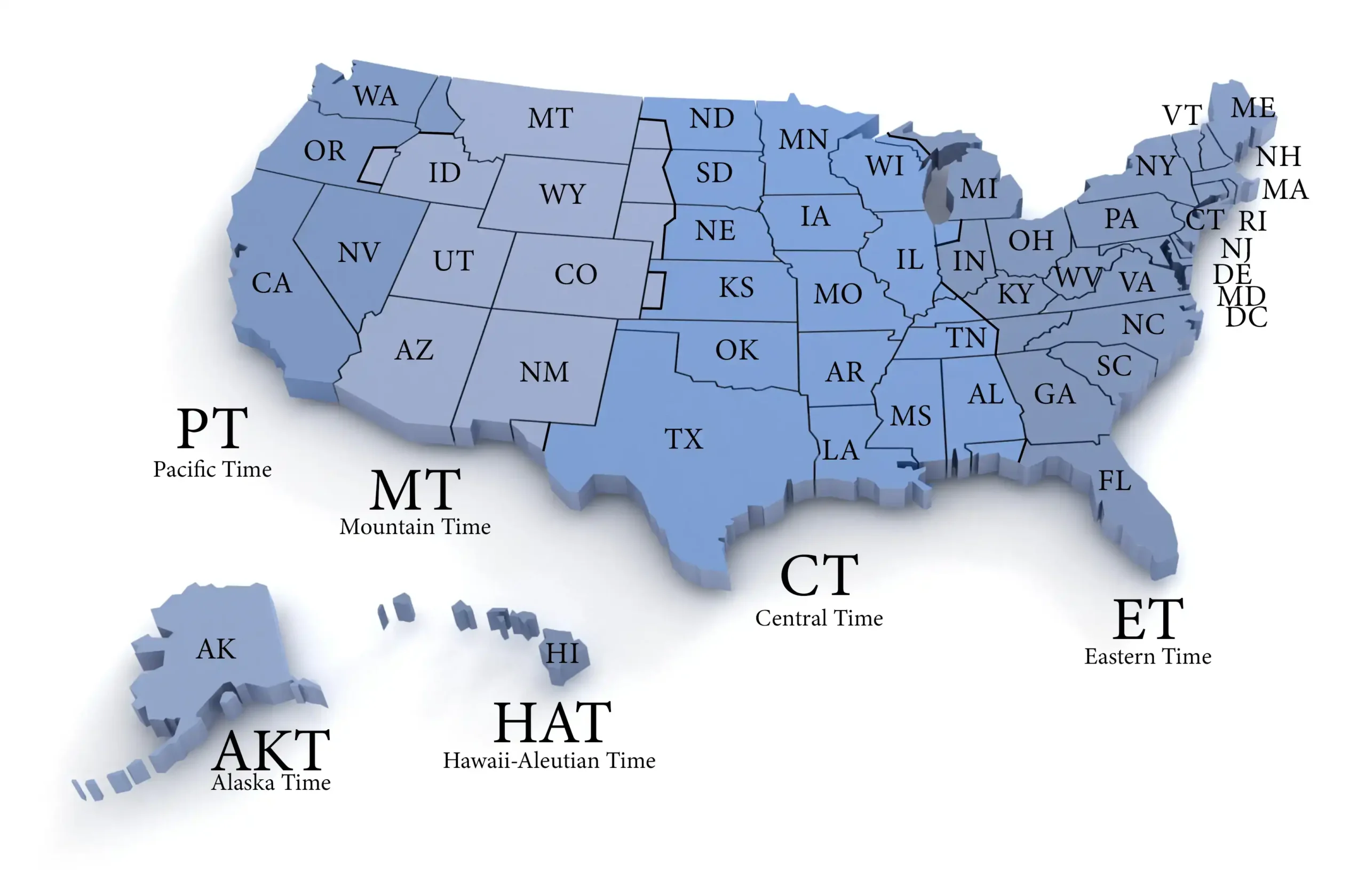
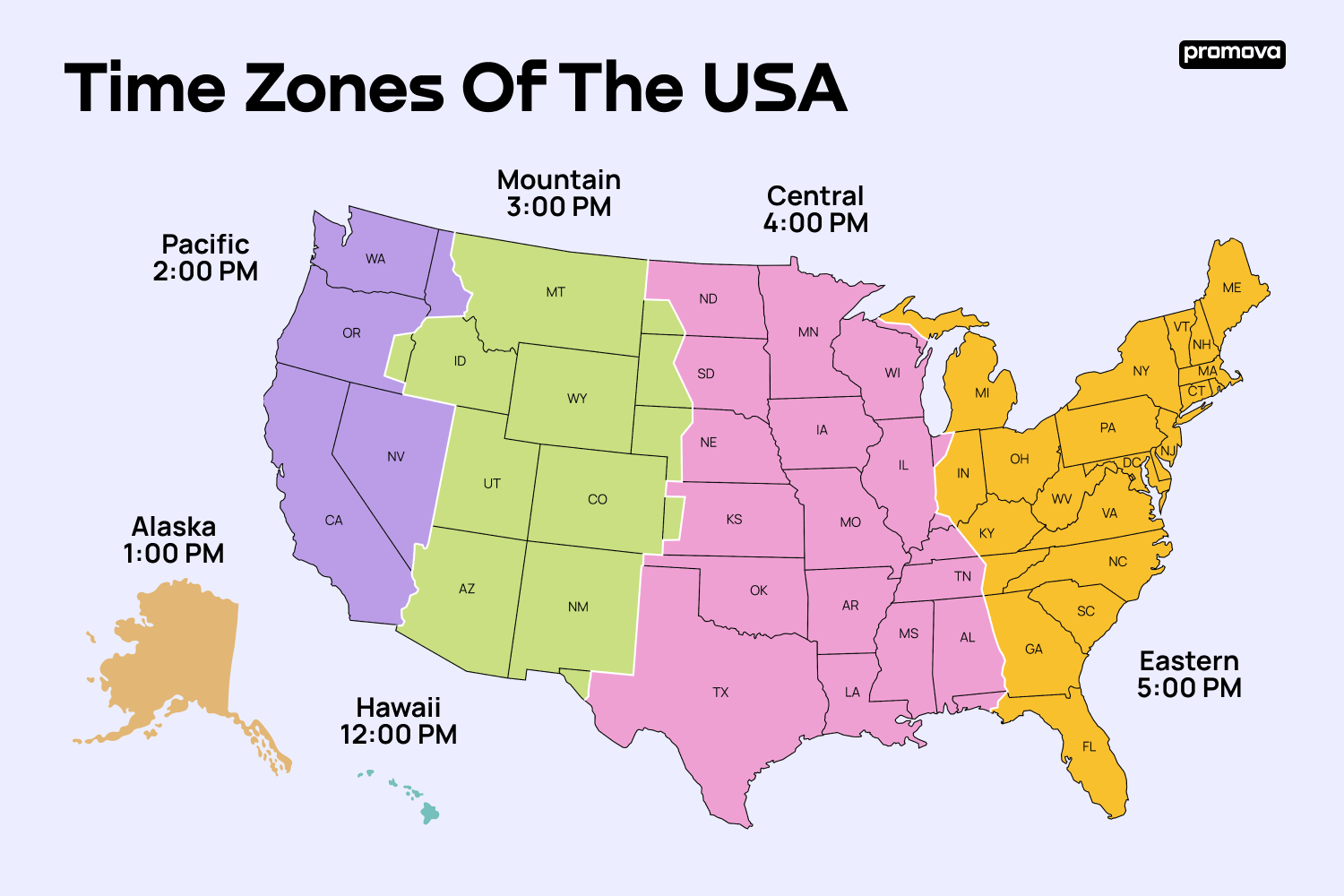
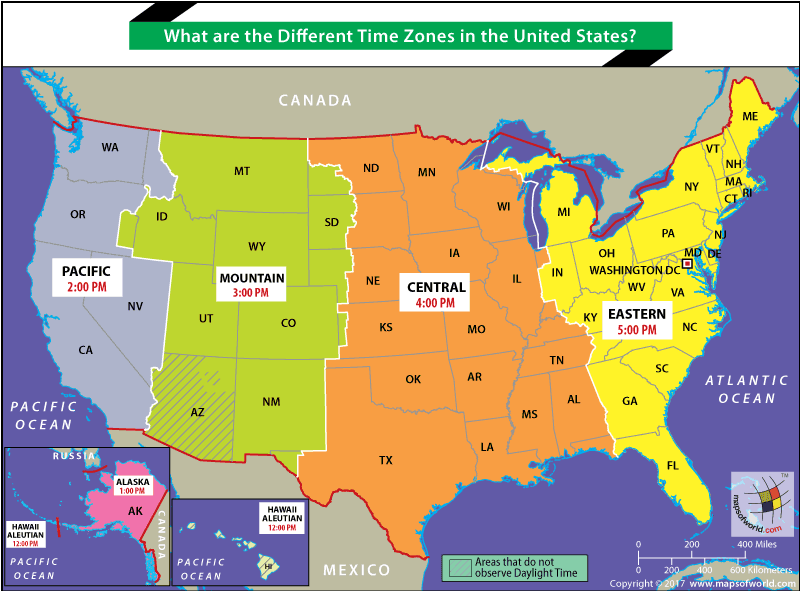
At its core, the entire state of Louisiana observes the Central Time Zone. This is a significant piece of information for anyone arriving from outside this zone, whether domestically or internationally. The consistent application of a single time zone across the state simplifies logistics considerably, as you won’t need to worry about time changes as you travel between cities like New Orleans, Baton Rouge, Shreveport, or Lafayette.
Central Standard Time (CST) and Central Daylight Time (CDT)
The Central Time Zone, like most time zones in the United States, observes Daylight Saving Time. This means that Louisiana operates under two designations depending on the time of year:
- Central Standard Time (CST): This is observed during the fall and winter months. CST is UTC-6, meaning it is six hours behind Coordinated Universal Time.
- Central Daylight Time (CDT): This is observed during the spring and summer months, typically beginning in early March and ending in early November. During CDT, clocks are advanced by one hour, making it UTC-5, five hours behind Coordinated Universal Time.
The transition between CST and CDT is a key factor for travelers to consider. When Daylight Saving Time begins, clocks “spring forward” one hour. Conversely, when it ends, they “fall back” one hour. While this is a standard practice across much of the United States, it’s a detail that can easily be overlooked, potentially leading to missed appointments or confusion if not accounted for in your travel plans.
Geographical Context of the Time Zone
The Central Time Zone encompasses a large swath of the central United States and parts of Canada, Mexico, and Central America. Louisiana’s position firmly within this zone means it shares its time with neighboring states such as Arkansas, Mississippi, and Texas, as well as much of the Midwest. This geographical alignment is not merely a matter of administrative convenience; it reflects a practical need for synchronization across regions that share economic, cultural, and logistical ties. For travelers, this means that if you’re driving into Louisiana from a directly adjacent state like Texas or Mississippi (which also observe Central Time), you won’t encounter any time zone changes at the border, simplifying road trips and cross-state journeys. However, coming from states to the east (like Alabama or Florida’s panhandle, which are in the Eastern Time Zone) or west (like parts of Kansas or Nebraska, which border Mountain Time), requires an awareness of time shifts.
Why Time Zones Matter for Travelers to Louisiana
Understanding Louisiana’s time zone is far more than a mere curiosity; it’s a practical necessity that impacts almost every aspect of your travel experience. From booking flights to attending scheduled events, an awareness of the local time ensures a smooth and enjoyable trip.
Planning Flights and Transportation
The most immediate impact of time zones for travelers is on flight schedules. When booking flights, especially those with connections or arrivals from different time zones, it’s crucial to confirm all times are in the local time of departure and arrival. A flight arriving at “3 PM” might refer to the local time at your destination, not your departure point. Misinterpreting this can lead to missed connections, late arrivals, or simply unnecessary stress. For those flying into major hubs like Louis Armstrong New Orleans International Airport (MSY) or Baton Rouge Metropolitan Airport (BTR), knowing that all listed arrival and departure times are in Central Time allows for accurate planning of ground transportation, hotel check-ins, and initial activities. Furthermore, if you’re traveling from a vastly different time zone, anticipating the time difference helps in preparing for potential jet lag, allowing you to schedule rest periods upon arrival.
Coordinating Activities and Tours
Louisiana is rich with experiences, from swamp tours in the bayous to historical walking tours in the French Quarter of New Orleans, and cooking classes focusing on Cajun and Creole cuisine. Most of these activities operate on fixed schedules. Booking a tour for “9:00 AM” requires you to be there at 9:00 AM Central Time. If you’re still mentally operating on your home time, you could easily miss a crucial departure or event. This is particularly important for popular attractions that often sell out or have strict start times, such as riverboat cruises on the Mississippi River or entry to historic sites like Oak Alley Plantation or Laura Plantation. Always double-check booking confirmations and ensure your personal devices are set to automatically update to the local time.
Business Meetings and Appointments
For business travelers, time zone awareness moves from convenience to absolute necessity. Missing a crucial meeting or being late for an appointment due to a time zone miscalculation can have significant professional repercussions. Whether you’re attending a conference in the New Orleans Ernest N. Morial Convention Center, meeting clients in Baton Rouge, or networking in Shreveport, all engagements will adhere to Louisiana’s local time. It’s also vital when coordinating with colleagues or clients in different time zones, requiring careful scheduling to find mutually agreeable times for calls or virtual meetings. Clearly communicating the time zone of any scheduled event is a professional courtesy that prevents confusion and ensures smooth operations.
Navigating Daylight Saving Time in Louisiana
Daylight Saving Time (DST) is a regular occurrence that adds another layer of consideration for travelers. While it’s a standard practice, the bi-annual change can still catch people off guard.
When the Clocks Change
In Louisiana, as in most of the United States, Daylight Saving Time begins on the second Sunday in March, when clocks “spring forward” one hour at 2:00 AM local time. It ends on the first Sunday in November, when clocks “fall back” one hour at 2:00 AM local time. This means that if you’re traveling during these specific weekends, you’ll need to be extra vigilant. For instance, arriving on the “spring forward” Sunday could mean you lose an hour, potentially impacting early morning plans or making you an hour late for a pre-booked activity if you don’t adjust your internal clock or devices correctly. Conversely, during the “fall back” Sunday, you gain an hour, which could lead to being an hour early if not managed properly.
Tips for Adjusting to DST
- Set Devices to Automatic Time: Most smartphones, laptops, and smartwatches will automatically adjust to Daylight Saving Time changes. Ensure this feature is enabled before your trip.
- Confirm with Manual Clocks: If you rely on a manual watch or an alarm clock that doesn’t automatically update, remember to adjust it before going to bed on the Saturday night of the time change.
- Check Local Listings: When booking tours or making reservations around these dates, it’s always wise to reconfirm times with the local provider, just in case there’s any ambiguity.
- Factor in Sleep: The “spring forward” can lead to an hour of lost sleep. If you’re sensitive to sleep changes, plan for a slightly lighter schedule the day after the change, or try to adjust your sleep cycle a few days prior.
Impact on Communication and Connectivity
Beyond immediate travel logistics, Louisiana’s time zone also plays a role in how you stay connected with others during your trip, both domestically and internationally.
Staying Connected with Home
For many travelers, keeping in touch with family, friends, or colleagues back home is essential. Understanding the time difference between Louisiana and your home location prevents inconvenient calls in the middle of the night or during crucial work hours. For example, if you’re traveling from the East Coast of the United States (Eastern Time Zone), Louisiana will be one hour behind. From the West Coast (Pacific Time Zone), it will be two hours ahead. International travelers will face even greater differences. Keeping a world clock app handy or simply noting the difference can help you schedule calls and messages at appropriate times, ensuring you don’t interrupt important moments for your loved ones or miss crucial updates.
International Travel Considerations
When traveling to Louisiana from an international destination, the time difference can be substantial. For instance, travelers from Europe will find Louisiana to be significantly behind their home time, typically six or seven hours depending on the European country and whether DST is in effect there. This large difference exacerbates jet lag and requires careful planning for communications. It’s advisable to start adjusting your sleep schedule a few days before departure, gradually shifting towards Louisiana’s time. Upon arrival, try to quickly adapt to the local schedule for meals and sleep, which can help your body clock synchronize faster. Hydration, light exercise, and exposure to natural light during the day can also aid in quicker adjustment.
Maximizing Your Louisiana Experience with Time Zone Awareness
Armed with a solid understanding of Louisiana’s time zone, you can strategically plan your days to fully immerse yourself in its unique culture and attractions.
Beat the Rush: Early Morning Starts
Given the relatively early sunrise in the Central Time Zone during many parts of the year, getting an early start can be a fantastic way to experience Louisiana’s popular destinations without the peak crowds. Imagine strolling through the French Quarter in New Orleans as the city awakens, enjoying a café au lait and beignets at Café Du Monde before the lines form, or exploring historic sites like St. Louis Cathedral in peaceful solitude. Early mornings also provide cooler temperatures during the humid summer months, making outdoor activities more comfortable. For nature enthusiasts, an early morning swamp tour can offer prime wildlife viewing opportunities.
Enjoying New Orleans Evenings
Louisiana, particularly New Orleans, truly comes alive in the evening. With Central Time, dinner often begins around 6:00 PM or 7:00 PM, leading into live music performances that can run well past midnight. Being accustomed to the local clock allows you to plan your evenings effectively, ensuring you don’t miss out on vibrant nightlife, world-class dining, or captivating jazz performances on Frenchmen Street. If you’ve planned your day to adjust to the time zone, you’ll have the energy to enjoy these late-night offerings without feeling constantly fatigued.
Seamless Itinerary Planning
Ultimately, a clear grasp of Louisiana’s time zone is a foundational element for seamless itinerary planning. It allows you to:
- Accurately schedule travel segments: Ensuring you’re at the airport or train station at the correct local time.
- Maximize sightseeing: Allocating appropriate time blocks for attractions, considering their opening and closing times in local hours.
- Coordinate meals and entertainment: Making reservations for restaurants and shows without confusion.
- Avoid unnecessary stress: By eliminating the potential for time zone-related errors, you free yourself to fully immerse in the Louisiana experience.
In conclusion, while “What Timezone Is Louisiana In?” might seem like a simple question, its answer – Central Time Zone, observing Daylight Saving Time – carries significant implications for any traveler. By understanding and accounting for this crucial detail, you can transform a potentially confusing logistical challenge into a smooth, well-orchestrated, and utterly unforgettable journey through the heart of the American South.
LifeOutOfTheBox is a participant in the Amazon Services LLC Associates Program, an affiliate advertising program designed to provide a means for sites to earn advertising fees by advertising and linking to Amazon.com. Amazon, the Amazon logo, AmazonSupply, and the AmazonSupply logo are trademarks of Amazon.com, Inc. or its affiliates. As an Amazon Associate we earn affiliate commissions from qualifying purchases.