
For many prospective visitors dreaming of a winter getaway, the allure of snow adds a magical touch to any destination. The thought of a pristine white landscape, crisp air, and cozy evenings can shape expectations for a trip. When considering a visit to Alabama in 2024, a common question arises: “Will it snow?” While the image of a snow-covered South might seem like a whimsical fantasy, it’s a topic worth exploring for anyone planning their travel itinerary. Understanding the likelihood of snow, its regional variations, and how it might impact your experience is crucial for setting realistic expectations and making the most of Alabama’s unique winter charm, regardless of precipitation type. This guide delves into Alabama’s winter climate, historical snowfall patterns, and practical tips for tourists, ensuring you’re well-prepared for your visit to the Heart of Dixie.
Alabama’s Climate: A Brief Overview for Tourists
Alabama is widely recognized for its warm, humid summers, but its winter climate often surprises those unfamiliar with the Southeastern United States. Unlike states further north, Alabama experiences relatively mild winters, characterized by moderate temperatures and a fair amount of rainfall. For tourists, this translates into generally pleasant conditions for exploring outdoor attractions and enjoying local culture without the harsh cold often associated with the season.
Understanding Southern Winters
A typical winter in Alabama, broadly speaking, runs from December through February. During these months, average daytime temperatures generally range from the mid-40s to low 60s Fahrenheit (around 7-16°C). Nights can dip into the 30s (0-4°C), and occasional cold snaps will bring temperatures below freezing. However, sustained periods of deep freeze are uncommon, particularly as one travels south towards the coast. Rainfall is a consistent feature of Alabama’s climate, and winter is no exception, often seeing moderate to heavy precipitation. This rain, rather than snow, is the most common form of winter weather, meaning waterproof outerwear is generally a more practical item for a tourist’s packing list than a heavy snow jacket. The mild conditions allow for year-round enjoyment of many outdoor activities that might be seasonally restricted in other parts of the country, offering a unique draw for those seeking a gentler winter escape.
The Role of Geographic Factors
Alabama’s varied geography plays a significant role in its winter weather patterns and the potential for snow. The state extends from the Appalachian foothills in the north to the sandy beaches of the Gulf Shores on the Gulf of Mexico in the south. This north-to-south gradient creates distinct microclimates. Northern Alabama, particularly areas around Huntsville and Florence, benefits from higher elevations and proximity to colder air masses, making it the most susceptible region to winter precipitation in the form of frozen flakes. As one moves south through central Alabama, encompassing cities like Birmingham and Montgomery, the chances of snow significantly diminish. The warming influence of the Gulf of Mexico becomes increasingly dominant, making snowfall in coastal cities like Mobile a truly rare occurrence. For tourists, this means that while a dusting might happen further north, the likelihood of seeing substantial snow decreases dramatically the closer your destination is to the state’s southern border.
The Elusive White Blanket: Historical Snowfall in Alabama
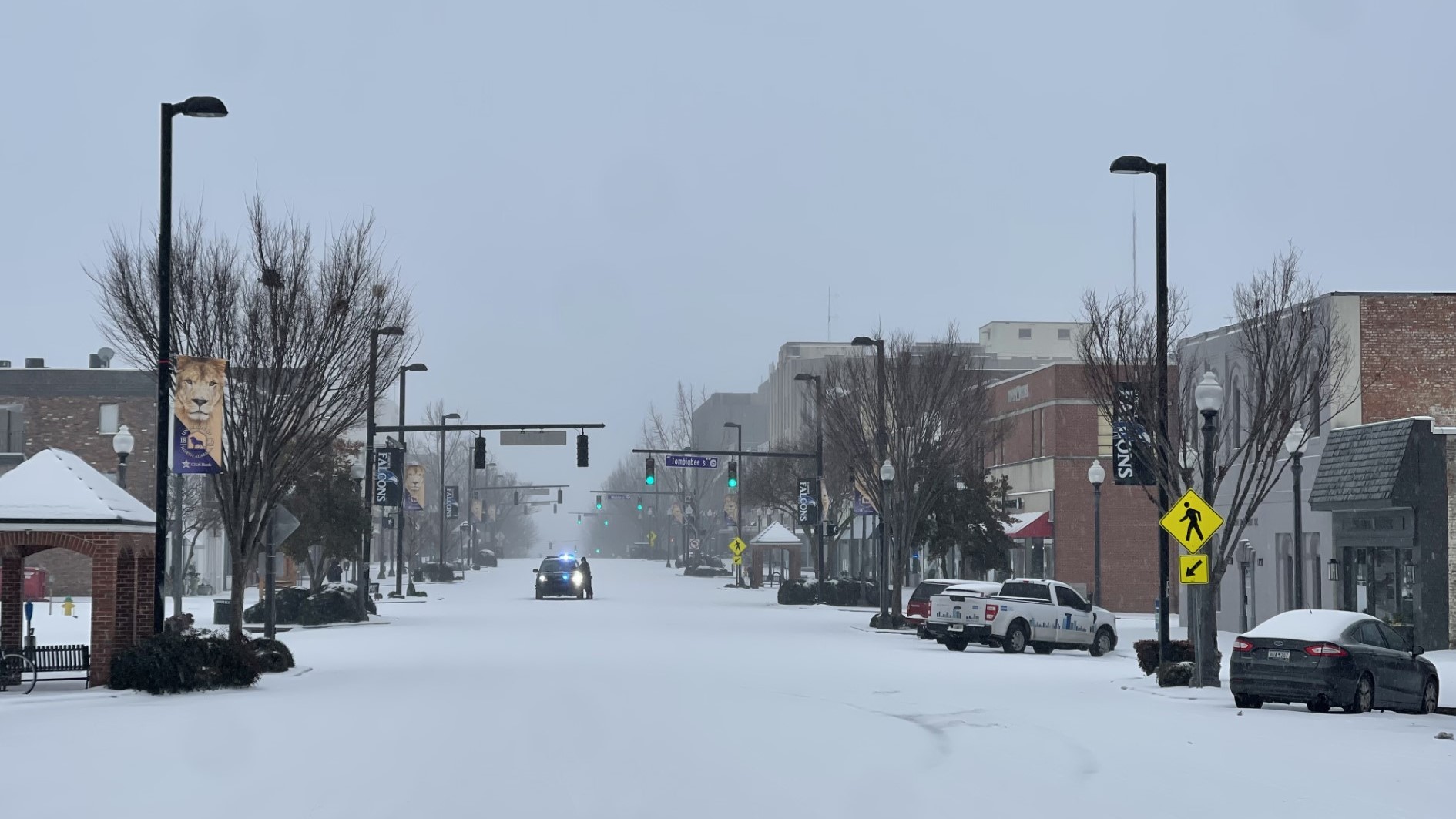
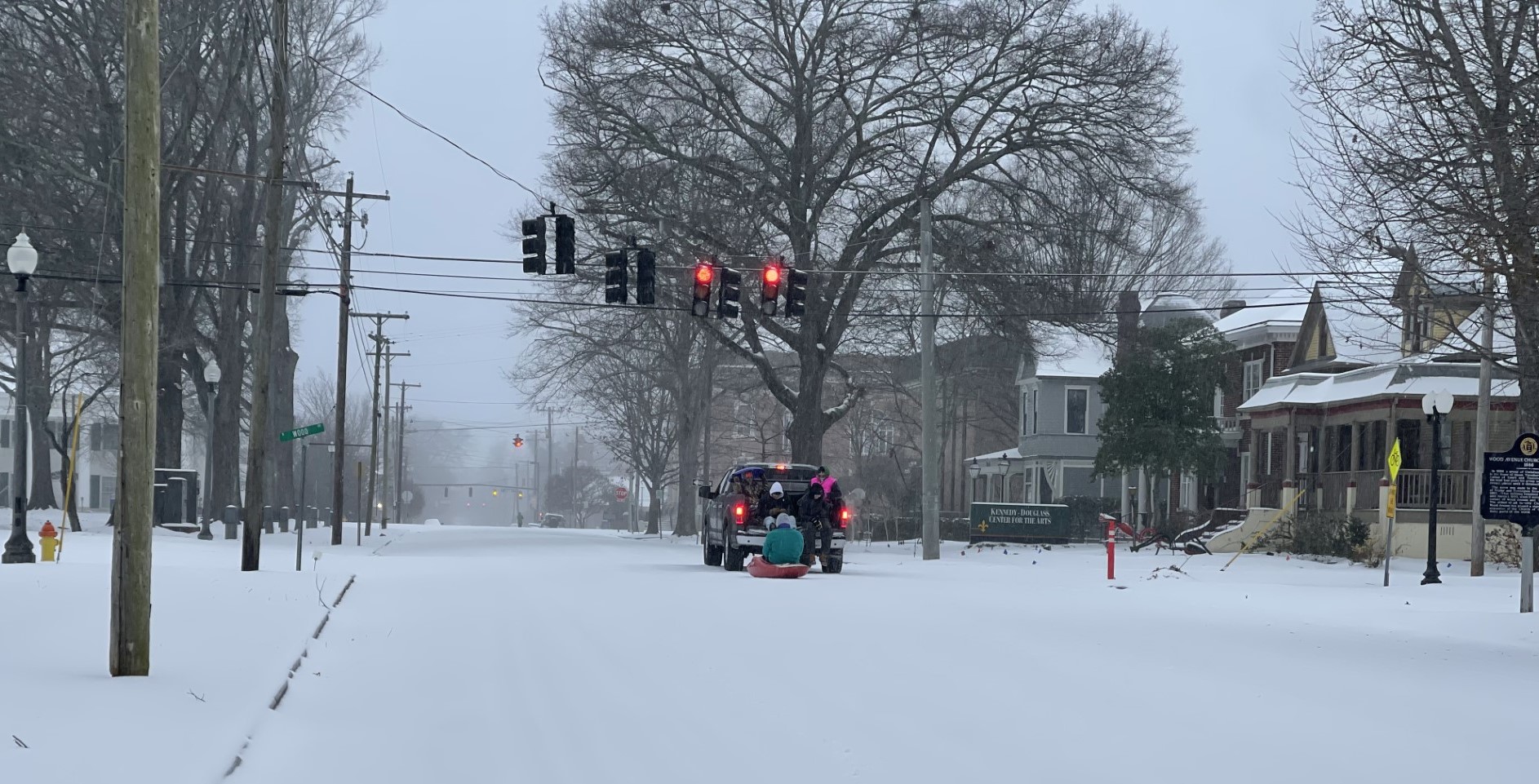
While Alabama isn’t a ski destination, the idea of a rare snowfall can spark excitement, especially for those visiting from areas where winter landscapes are a given. Historically, snow in Alabama is less a common occurrence and more a celebrated event, often bringing communities to a temporary halt as residents marvel at the unusual sight.
Rare but Memorable Occurrences
Snow in Alabama is generally infrequent, often light, and typically melts quickly once temperatures rise. When it does occur, it’s often more of a dusting than a heavy accumulation, particularly in the central and southern regions. However, there have been memorable exceptions throughout history. These more significant snow events, while rare, are often etched into local memory, becoming part of the unique fabric of Alabama’s winter lore. Such occurrences can bring a sense of wonder and novelty, temporarily transforming familiar landscapes. For a tourist, experiencing one of these rare snowfalls would undoubtedly be a unique and picturesque addition to their trip, offering an unexpected glimpse of a different side of the Deep South. However, planning a trip with the expectation of seeing snow would be ill-advised, given its sporadic and unpredictable nature.
Regional Disparities in Snowfall
The chances of encountering snow in Alabama vary significantly depending on your chosen destination within the state. As mentioned, Northern Alabama, with its higher elevations and proximity to colder air masses, experiences the highest probability of snow. Cities like Huntsville, nestled in the Appalachian foothills, might see a dusting or light accumulation a few times during a winter season. While it’s still not a guarantee, if you’re chasing the slim chance of snow, this region offers your best bet.
Moving to Central Alabama, which includes major hubs like Birmingham and Montgomery, snowfall becomes less frequent and typically lighter. These areas might see snow once every few years, and even then, it’s often a fleeting event, melting before it can truly accumulate. For tourists, this means planning activities that are not dependent on snow.
Finally, Southern Alabama, encompassing coastal areas such as Mobile, Gulf Shores, and Orange Beach, rarely experiences snow. The warming influence of the Gulf of Mexico keeps temperatures significantly milder. While there have been a handful of recorded instances of snow along the coast, they are extremely rare and typically do not lead to accumulation. Visitors to these regions should expect mild, sometimes rainy, winter weather, perfect for enjoying beaches and other coastal attractions without the chill.
Forecasting 2024: What Tourists Should Know
Predicting the exact weather conditions, especially for a specific phenomenon like snow, months in advance is incredibly challenging. While general climate patterns can give us a broad idea, precise forecasts for an entire winter season are still largely beyond current scientific capabilities. For tourists planning a trip to Alabama in 2024, understanding the factors involved in winter predictions and knowing how to access reliable, up-to-date information is key.
The Science of Winter Predictions
Long-range weather forecasts, including those for winter precipitation like snow, rely on analyzing large-scale atmospheric and oceanic patterns. Climate phenomena such as El Niño and La Niña in the Pacific Ocean can significantly influence global weather, including temperatures and precipitation across North America. For example, an El Niño pattern often correlates with wetter and cooler winters in the southern U.S., which could theoretically increase the chances of wintry precipitation in Alabama. Conversely, a La Niña pattern might suggest warmer and drier conditions. However, these are broad correlations, not guarantees, and numerous other variables are always at play.
Meteorologists also look at Arctic oscillations, sea surface temperatures in the Atlantic, and other complex atmospheric indices. While these provide valuable insights for seasonal outlooks, they cannot definitively predict specific snowfall events months ahead. Therefore, while news outlets might discuss these patterns, it’s essential for tourists to approach long-range forecasts for snow with a healthy dose of skepticism and consider them as probabilities rather than certainties.
How to Stay Informed During Your Trip
For those visiting [Alabama](https://lifeoutofthebox.com/alabama] in 2024, the most practical approach to managing weather expectations is to rely on short-term forecasts closer to and during your travel dates. Before departing, check reputable weather services for your specific destination within Alabama. Websites and apps from national meteorological organizations, local news channels, and professional weather services offer highly accurate forecasts for the upcoming 7-10 days.
During your trip, continue to monitor local weather reports, especially if you plan to travel across different regions of the state. Sudden cold fronts can occur, and while significant snowfall remains unlikely, being aware of potential freezing rain or sleet can help you plan your daily activities accordingly. Local weather alerts can also provide crucial information regarding road conditions, which can be affected even by light ice. Being proactive with weather checks ensures you can adjust your plans as needed and remain safe and comfortable throughout your Alabama adventure.
Embracing Alabama’s Winter Charm: Activities Beyond Snow
While the prospect of snow in Alabama in 2024 might be a remote possibility, the state offers an abundance of delightful experiences and activities that thrive in its typically mild winter climate. Tourists can discover a different side of the Deep South, enjoying the natural beauty, rich history, and vibrant culture without the crowds or intense heat of summer.
Outdoor Adventures in Mild Weather
Alabama’s mild winters create ideal conditions for outdoor exploration. Hiking enthusiasts will find state parks and national forests particularly inviting. Cheaha State Park, the highest point in Alabama, offers stunning panoramic views and challenging trails that are far more comfortable to traverse in cooler temperatures. Other notable options include Monte Sano State Park near Huntsville, with its diverse trail system, or the sprawling Talladega National Forest. Birdwatching is also excellent in winter, as many migratory species make their way through the state. For those who enjoy water activities, fishing charters remain active in the Gulf of Mexico out of Gulf Shores and Orange Beach, and kayaking or paddleboarding can still be enjoyed on calmer days on the state’s numerous lakes and rivers. Golf courses across the state, many part of the renowned Robert Trent Jones Golf Trail, remain open year-round, offering an exceptional value and an uncrowded experience in pleasant conditions.
Cultural and Culinary Experiences
Alabama’s rich history and vibrant cultural scene truly shine during the winter months. Cities like Montgomery invite visitors to explore pivotal civil rights landmarks such as the Legacy Museum and the National Memorial for Peace and Justice, or the Dexter Avenue King Memorial Baptist Church. In Birmingham, the Birmingham Civil Rights Institute offers profound insights, while the McWane Science Center provides family-friendly indoor fun. Huntsville’s U.S. Space & Rocket Center is another must-visit, offering an awe-inspiring journey through space exploration history. Beyond history, Alabama’s culinary landscape is a destination in itself. From fresh Gulf seafood in Mobile to award-winning Southern comfort food and innovative farm-to-table restaurants in Birmingham, the winter months offer the perfect opportunity to savor Alabama’s diverse flavors without the summer heat. Many towns host winter festivals, art walks, and farmers’ markets, showcasing local artisans and producers.
Preparing for Any Winter Weather
Even without snow, Alabama‘s winter weather can still be unpredictable, shifting from mild sunshine to cool rain in a short period. For tourists, intelligent packing and preparation are essential. Layers are your best friend: pack light sweaters, long-sleeved shirts, and a waterproof or water-resistant jacket. An umbrella is also a practical item to carry. Comfortable walking shoes are a must, especially if you plan to explore historical districts or natural parks. While driving conditions are generally good, be aware that fog can sometimes be dense, especially in the mornings or near coastal areas. If a rare cold snap brings temperatures below freezing, ice on roads can be a hazard, particularly on bridges and overpasses. Always check local weather and road conditions before embarking on long drives. By being prepared for a range of mild to chilly, possibly wet conditions, you can fully immerse yourself in all the incredible experiences Alabama has to offer, regardless of whether a few snowflakes make an appearance.
In conclusion, while the question “Will it snow in Alabama in 2024?” is met with a generally low probability, particularly for significant accumulation, the possibility is never zero, especially in the northern reaches of the state. However, basing your travel plans solely on the hope of a white Christmas would likely lead to disappointment. Instead, embrace the reality of Alabama’s charmingly mild winter. This season offers a fantastic opportunity for tourists to discover the state’s natural beauty, delve into its profound history, and savor its distinctive culinary traditions in comfortable, crowd-free conditions. By staying informed about the weather closer to your travel dates and preparing for a mix of cool, potentially wet days, you can confidently plan an enriching and memorable winter journey through the Heart of Dixie, experiencing all the unique activities and local culture it has to offer.
LifeOutOfTheBox is a participant in the Amazon Services LLC Associates Program, an affiliate advertising program designed to provide a means for sites to earn advertising fees by advertising and linking to Amazon.com. Amazon, the Amazon logo, AmazonSupply, and the AmazonSupply logo are trademarks of Amazon.com, Inc. or its affiliates. As an Amazon Associate we earn affiliate commissions from qualifying purchases.