
California evokes images of sun-drenched beaches, innovative tech hubs, and a vibrant cultural tapestry. It’s a dream destination for many, whether for a visit, a relocation, or a career opportunity. However, beneath the golden glow lies a complex economic reality, heavily influenced by the cost of living and, fundamentally, the minimum wage. For anyone contemplating a move, considering a long-term stay, or even planning an extended budget travel experience, understanding the minimum wage in California is not just a financial detail; it’s a critical component of lifestyle planning. It dictates what’s affordable, where one can live, and the kind of life one can realistically lead in the Golden State.

The question “How much is California minimum wage?” is more intricate than a single number. While there’s a statewide standard, the landscape is dotted with numerous local ordinances that push wages significantly higher in many urban centers. This disparity creates a diverse economic environment, impacting everything from housing choices and daily expenditures to career opportunities and the overall quality of life for residents and transient workers alike. Delving into this topic provides essential insights for budgeting, career planning, and making informed decisions about experiencing life in one of the world’s most dynamic economies.
Understanding California’s Minimum Wage Landscape
At its core, California’s minimum wage policy is designed to provide a baseline standard of living for workers. However, the state’s approach is dual-layered, featuring both a statewide mandate and a mosaic of local requirements that often supersede the state minimum. This structure is a direct response to California’s vast geographic and economic diversity, where the cost of living can vary dramatically from one county to another.
The Statewide Standard
As of January 1, 2024, the statewide minimum wage in California is $16.00 per hour for all employers, regardless of size. This represents a significant increase over previous years, part of a legislative trajectory aimed at incrementally raising the minimum wage to address rising living costs. This $16.00 baseline applies uniformly across the state unless a specific local ordinance dictates a higher wage. It serves as a safety net, ensuring that no employer in California can pay less than this amount. For individuals considering entry-level positions, part-time work, or careers in sectors traditionally reliant on minimum wage labor, this statewide figure provides a crucial starting point for financial projections. It’s the floor, not necessarily the ceiling, of earning potential for many working residents and those seeking to establish a lifestyle here.
Local Wage Ordinances: A Complex Tapestry
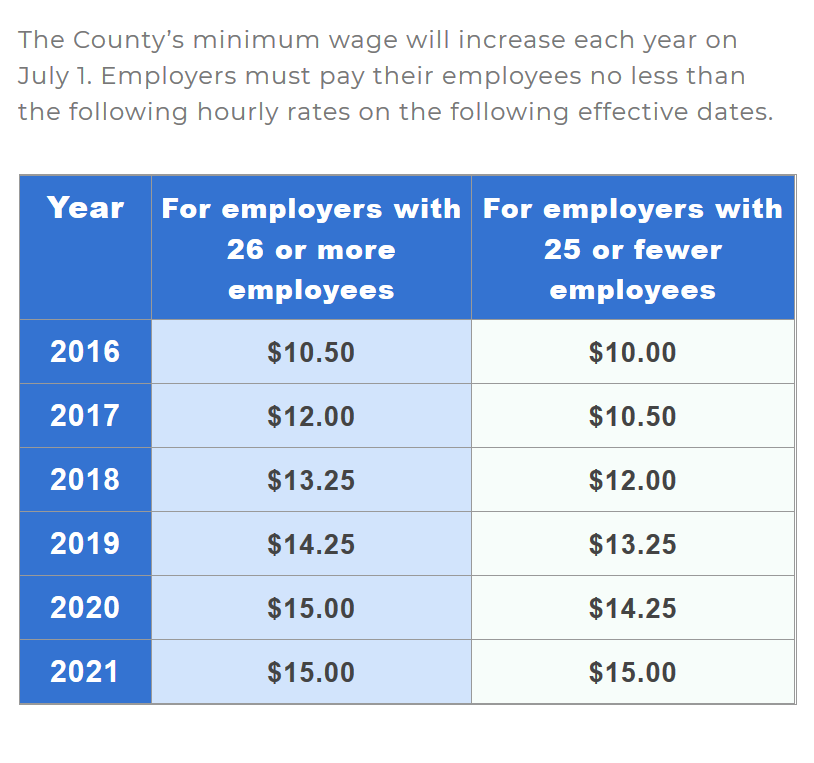
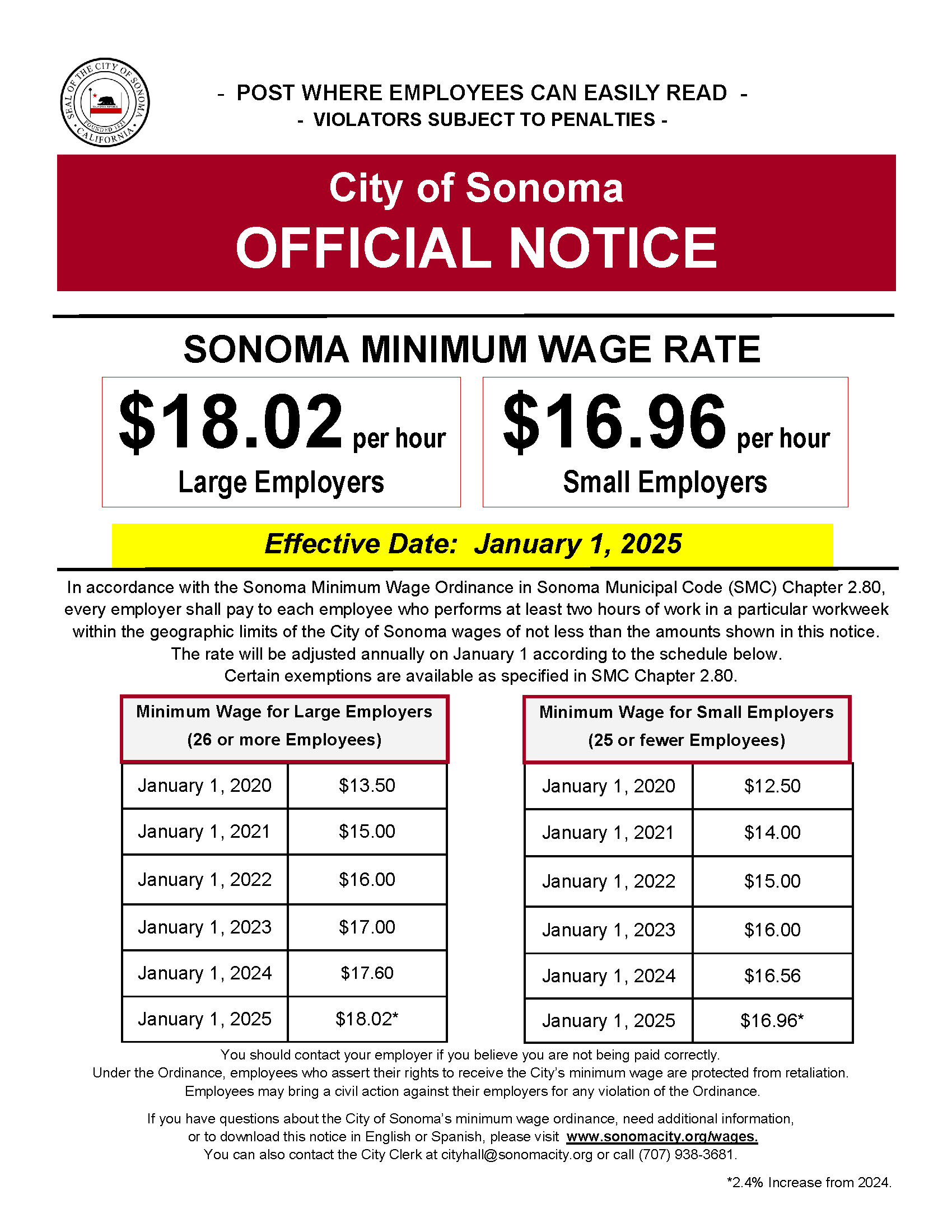
What truly complicates the minimum wage discussion in California is the prevalence of city and county minimum wage ordinances. Many major metropolitan areas and affluent communities have independently voted to establish minimum wages significantly higher than the state’s baseline. For example, cities like Berkeley, Emeryville, Palo Alto, San Francisco, San Jose, and Santa Monica all have their own minimum wage rates, often exceeding $17.00 or even $18.00 per hour. Some, like West Hollywood, have even higher rates, particularly for hotel workers.
This localized approach stems from the recognition that the cost of living in, say, rural Northern California is vastly different from that in the San Francisco Bay Area or Southern California. While a higher local minimum wage offers greater purchasing power in these expensive locales, it also means that employers face higher labor costs, which can, in turn, be passed on to consumers through higher prices for goods and services. For individuals planning a move or a long-term stay, researching the specific minimum wage for their target city or county is paramount. This patchwork system means that understanding “the California minimum wage” requires a precise geographical focus, directly influencing one’s lifestyle choices and potential financial viability.
The Real Cost of Living in California
Understanding California’s minimum wage is only half the equation; the other, equally critical half is grasping the notoriously high cost of living. This economic reality profoundly shapes lifestyle choices, from where one can afford to reside to the daily activities one can partake in. For many, even with a minimum wage higher than the national average, stretching an income to cover essential expenses in California presents a significant challenge.
Housing: The Dominant Expense
Unquestionably, housing is the most substantial factor contributing to California’s high cost of living. Rent for even a modest apartment in major metropolitan areas like Los Angeles, San Diego, or the San Francisco Bay Area can easily consume well over half of a minimum wage earner’s monthly income. For example, a single person earning the statewide minimum wage ($16.00/hour) working full-time would earn approximately $2,560 before taxes per month. Finding a one-bedroom apartment in San Francisco for less than $2,500 is extremely rare, making it virtually impossible to live independently on a minimum wage income in such cities without significant financial support or multiple jobs.
This reality forces many into difficult lifestyle choices: living with roommates, commuting long distances from more affordable outlying areas, or settling for smaller, less desirable living spaces. It also highlights the vast disparity between earning potential and the cost of essential shelter, making secure and comfortable housing a luxury rather than a given for minimum wage earners.
Everyday Necessities and Discretionary Spending
Beyond housing, the cost of everyday necessities in California is also higher than the national average. Groceries, utilities, transportation, and healthcare all add up quickly. A higher minimum wage helps absorb some of these costs, but the overall expense still demands careful budgeting. A typical grocery bill for a single person can range from $400 to $600 per month, depending on location and dietary choices. Utilities, including electricity, gas, water, and internet, can add another $200-$400.
After factoring in these essentials, discretionary spending – leisure activities, dining out, entertainment, and personal care – becomes severely limited for someone on minimum wage. This impacts the “lifestyle” aspect directly, as the ability to enjoy California’s renowned attractions, vibrant nightlife, or world-class dining often requires a significant portion of income, which minimum wage earners simply do not have left. The perception of a glamorous California lifestyle often clashes with the financial realities faced by those at the lower end of the income spectrum.
Impact on Budget Travel and Tourism
For budget travelers considering an extended stay or even working temporarily in California, the minimum wage and cost of living equation is crucial. While a higher minimum wage might seem attractive, it’s often offset by the equally high expenses. A traveler working a temporary minimum wage job in Los Angeles to fund their travels would find their earnings quickly depleted by accommodation, even hostels, and daily expenses.
This dynamic means that truly budget-conscious travel in California requires meticulous planning. It often involves camping, staying in less expensive areas outside major cities, cooking meals, and utilizing free attractions. The dream of “working your way through California” on minimum wage is certainly possible but demands a very frugal and strategic approach to lifestyle management, emphasizing experience over comfort and convenience.
Navigating Lifestyle Choices on a Minimum Wage Income
Living and thriving in California on a minimum wage income requires strategic planning, adaptability, and often, a redefinition of what constitutes a desirable lifestyle. It’s a testament to resilience and resourcefulness, pushing individuals to make calculated choices that balance aspirations with financial realities.
Career Paths and Employment Opportunities
For many minimum wage earners, their jobs are often in sectors like retail, food service, hospitality, and certain agricultural roles. While these industries are vital to California’s economy, they typically offer limited upward mobility within the minimum wage structure. Individuals looking to build a sustainable lifestyle in California often view minimum wage jobs as stepping stones rather than long-term career destinations.
This perspective influences educational and vocational choices. Many pursue further education or skill development to qualify for higher-paying positions in tech, healthcare, skilled trades, or creative industries. Others take on multiple part-time jobs or engage in the gig economy to supplement their income, a common lifestyle strategy to cope with the high cost of living. The availability of higher-paying jobs varies significantly by region, with tech hubs like Silicon Valley offering more opportunities in certain fields, but often at an even higher cost of living.
Budgeting Strategies for Residents
Effective budgeting is not just advisable for minimum wage earners in California; it’s essential for survival. This often involves stringent tracking of expenses, prioritizing needs over wants, and making sacrifices in discretionary spending. Common strategies include:
- Shared Living: The most prevalent approach is to live with roommates, significantly reducing individual housing costs.
- Public Transportation/Cycling: Minimizing car ownership and reliance on expensive gasoline by utilizing California’s expanding, though sometimes challenging, public transit systems, or by cycling.
- Home Cooking: Limiting dining out, which can be very expensive, and focusing on preparing meals at home.
- Free and Low-Cost Recreation: Taking advantage of California’s abundant natural beauty – beaches, parks, hiking trails – and free cultural events instead of paid entertainment.
- Thrift Shopping: Opting for second-hand stores for clothing and household items.
These strategies become integral components of a California lifestyle lived on a budget, requiring discipline and a willingness to adapt.
Considerations for Digital Nomads and Seasonal Workers
California is an attractive destination for digital nomads and seasonal workers, drawn by its diverse landscapes and potential opportunities. For these groups, understanding the minimum wage directly impacts their financial viability. A digital nomad earning a remote salary from a lower-cost region might find California’s higher minimum wage irrelevant, but the high cost of rent and daily expenses still applies. They might choose to base themselves in more affordable cities outside the major hubs or opt for short-term stays in more desirable locations.
Seasonal workers, often in agriculture or tourism, might earn the local minimum wage, but their lifestyle will be dictated by the temporary nature of their work and the need to save money. They often live in shared housing provided by employers or seek very low-cost accommodations. For both groups, the appeal of California must be balanced with a clear-eyed assessment of the financial challenges, making strategic decisions about location, duration of stay, and spending habits paramount to a successful experience.
The Broader Economic and Social Implications
The continuous debate around California’s minimum wage is not just about individual incomes; it reflects broader economic and social dynamics. It’s a constant balancing act between ensuring a living wage for workers and maintaining economic competitiveness for businesses in one of the world’s largest economies.
Economic Growth vs. Affordability Challenges
Proponents of higher minimum wages argue that they stimulate economic growth by increasing consumer purchasing power, reducing poverty, and lessening reliance on public assistance programs. In California, a higher wage is seen as a necessary measure to combat the soaring cost of living, particularly housing. For a lifestyle centered around economic security, a robust minimum wage is a vital foundation.
However, critics voice concerns about the potential negative impacts on businesses, especially small businesses. They argue that higher labor costs can lead to job losses, reduced hiring, increased automation, and higher prices for goods and services, potentially fueling inflation. This tension highlights a key challenge in California: how to foster a robust economy that generates wealth while simultaneously ensuring that the benefits are accessible to all residents, irrespective of their income level. The minimum wage is a lever in this complex economic machine, directly influencing the type of lifestyle available to its citizens.
Policy Debates and Future Projections
The discussion around California’s minimum wage is ongoing and dynamic. State legislators and local governments continue to evaluate and adjust these rates, often considering economic indicators, inflation, and cost of living indices. There are continuous debates about sector-specific minimum wages, such as those for healthcare workers or fast-food employees, as well as discussions about regional minimum wages that could account for hyper-local variations in living costs.
For individuals planning their long-term lifestyle in California, it’s important to recognize that the minimum wage is not static. Future projections suggest a continued upward trend, albeit potentially with differing rates of increase across various cities and sectors. Staying informed about these policy changes is crucial for financial planning, career development, and understanding the evolving economic landscape that shapes life in California. These debates directly impact the feasibility of different lifestyles, from budget-conscious living to more comfortable existences.
Practical Tips for Thriving in California
Successfully navigating the financial landscape of California, especially on a minimum wage or budget, requires proactive planning and a strategic approach to living. While the challenges are real, the state also offers immense opportunities for those who are prepared.
Researching Local Wage Variations
The single most important tip for anyone considering work or an extended stay in California is to diligently research local minimum wage ordinances. Do not assume the statewide rate applies everywhere. Websites of local city councils, labor departments, or community organizations often provide up-to-date information on specific minimum wages for cities like Los Angeles, San Francisco, San Diego, Oakland, and others. This research will directly inform your job search and financial planning, helping you understand your actual earning potential in a given location. Knowing this can greatly influence your lifestyle expectations and capabilities.
Exploring Affordable Regions and Commute Options
While major metropolitan areas offer the highest local minimum wages, they also come with exorbitant housing costs. Consider exploring more affordable regions within California that still offer good quality of life and job opportunities. This might mean looking at cities in the Central Valley or less expensive coastal communities, even if the minimum wage is closer to the statewide standard.
If you must work in a high-cost area, investigate commute options from more affordable adjacent communities. While a longer commute might seem daunting, the savings in rent can often outweigh the time and transportation costs, making a sustainable lifestyle possible. Public transportation hubs are strategically located to connect some of these outlying areas with major employment centers, providing a lifeline for budget-conscious residents.
Leveraging Resources and Community Support
California offers numerous resources and community support systems designed to assist residents with financial challenges. These can include food banks, affordable housing programs, job training initiatives, and public assistance programs. Familiarize yourself with these resources in your chosen community. Additionally, networking within local communities, joining social groups, and participating in volunteer activities can not only provide social support but also connect you with practical advice and opportunities to save money or find better employment. A strong community network can significantly enhance the quality of life, even on a tight budget.
In conclusion, the question of “How much is California minimum wage?” opens a window into the nuanced lifestyle considerations of living, working, and traveling in one of the world’s most desired, yet expensive, destinations. While the statewide minimum provides a solid foundation, the localized variations and the persistently high cost of living demand an informed and strategic approach. By understanding these economic realities, individuals can better plan their finances, make savvy lifestyle choices, and ultimately carve out a fulfilling experience in the Golden State, regardless of their income level.
LifeOutOfTheBox is a participant in the Amazon Services LLC Associates Program, an affiliate advertising program designed to provide a means for sites to earn advertising fees by advertising and linking to Amazon.com. Amazon, the Amazon logo, AmazonSupply, and the AmazonSupply logo are trademarks of Amazon.com, Inc. or its affiliates. As an Amazon Associate we earn affiliate commissions from qualifying purchases.