
Understanding the true value of 60,000 Alaska Miles transcends a simple dollar amount. It’s about unlocking a world of travel possibilities that align with one’s desired lifestyle, whether that means experiencing the pinnacle of luxury in an international first-class cabin or maximizing domestic travel opportunities. Alaska Airlines‘ Mileage Plan program is renowned for its unique redemption chart, especially through its robust network of global airline partners, which often allows for outsized value compared to other frequent flyer programs. This comprehensive guide will delve into how to assess the worth of 60,000 Alaska Miles and empower travelers to make informed decisions that shape their travel aspirations and lifestyle choices.
The Intrinsic Value of Alaska Miles
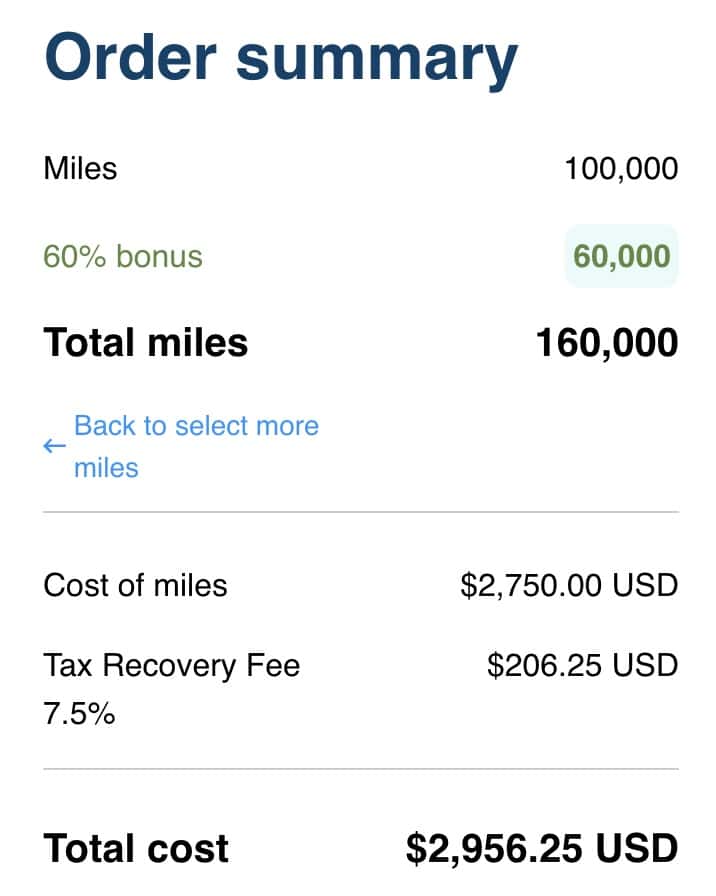
The perceived value of airline miles is inherently subjective and fluctuates significantly based on how they are redeemed. Unlike a fixed currency, miles gain or lose “worth” depending on the specific flight, cabin class, destination, and the savvy of the traveler. For 60,000 Alaska Miles, the potential value can range from a few hundred dollars for a basic economy domestic flight to several thousand dollars when strategically redeemed for premium international travel. This variability is precisely why understanding the Mileage Plan’s mechanics is crucial for maximizing your travel lifestyle.
Understanding Variable Redemption Values
The “worth” of an Alaska Mile typically falls between 1.2 and 2 cents per mile for economy redemptions on Alaska Airlines’ own flights. However, this valuation can skyrocket when leveraging their impressive list of partner airlines. These partners include major global carriers like Cathay Pacific, Japan Airlines, Qantas, British Airways, and American Airlines, among others. Each partner has its own distinct award chart, which means the same 60,000 miles can yield vastly different experiences. For instance, a redemption that might cost 60,000 miles on one partner for a business class flight could be significantly more or less on another, even for a similar route or cabin experience. The key is to identify “sweet spots” within these partner award charts where the cash price of a ticket is exceptionally high, making a mile redemption particularly valuable.
Cash Equivalency and Practical Valuation
To put 60,000 Alaska Miles into perspective, let’s consider a baseline valuation. At an average of 1.5 cents per mile, 60,000 miles would equate to $900 in travel. This is a reasonable estimation for many domestic economy flights. However, for those aiming for a more luxurious travel lifestyle, the valuation can dramatically increase. Consider a business class ticket from the United States to Asia on a partner like Japan Airlines, which might cost 60,000-70,000 miles one-way. A cash ticket for such a route could easily exceed $3,000, pushing the value per mile to 5 cents or even higher. This illustrates the power of strategic redemption in transforming 60,000 miles from a moderate saving to an incredible travel experience that might otherwise be out of reach.
Unlocking Premium Travel Experiences with 60,000 Miles
For many savvy travelers, the ultimate goal of accumulating airline miles is to experience premium cabins without paying premium prices. 60,000 Alaska Miles can be a gateway to such a luxurious travel lifestyle, particularly when utilizing Alaska Airlines’ impressive partner network.
Business and First Class Opportunities
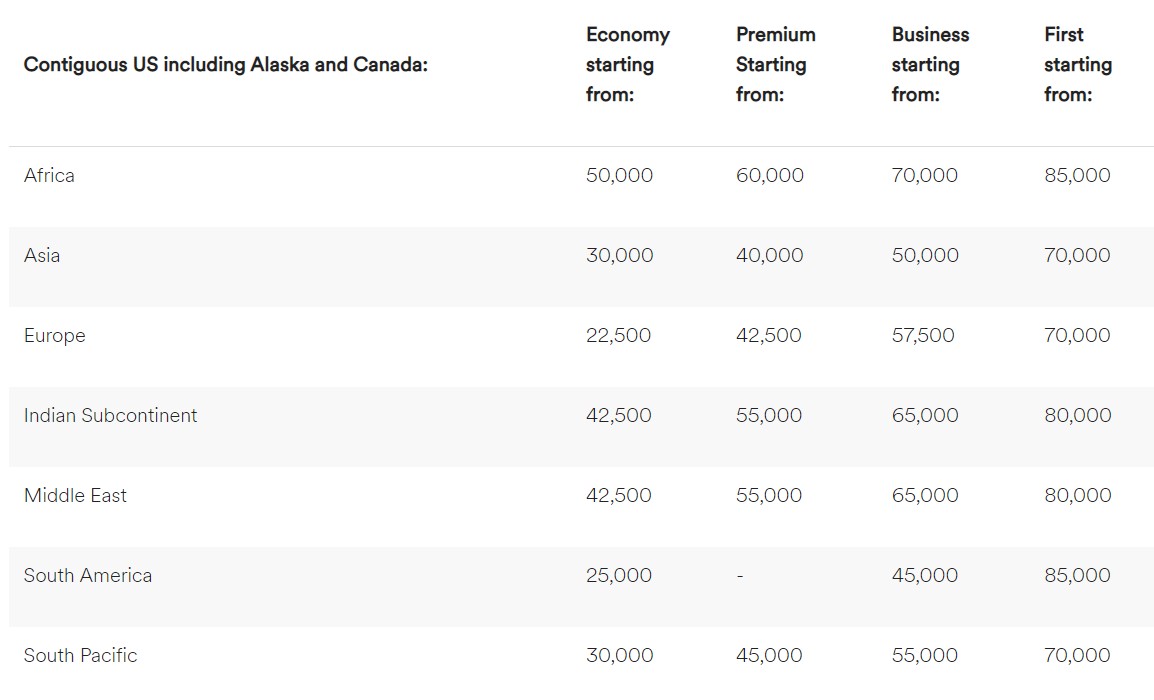
One of the most compelling uses for 60,000 Alaska Miles is for international business or even first-class travel. While a round-trip first-class ticket might be out of reach, a one-way business class journey on a top-tier airline is often achievable. Imagine flying business class from the West Coast of the United States to Tokyo or Seoul on Japan Airlines for just 60,000 miles. A cash fare for such a flight could easily be $3,000-$5,000, offering a redemption value of 5-8 cents per mile. Similarly, a flight from the United States to Hong Kong in business class on Cathay Pacific might be slightly higher at 50,000 miles one-way to Asia, leaving some miles leftover, or 70,000 for a more distant region. These redemptions exemplify how 60,000 miles can elevate your travel lifestyle from economy discomfort to lie-flat luxury, gourmet meals, and impeccable service.
Strategic Partner Airline Redemptions
The true brilliance of Alaska Mileage Plan lies in its partner award charts, which often offer fixed-mileage redemptions regardless of the cash price. This allows for disproportionately high value on routes that typically command high fares. For instance, a one-way business class flight to Europe on British Airways from the United States can sometimes be found for around 60,000 miles, although be mindful of potentially high fuel surcharges with British Airways. For a more balanced experience, consider flights to the South Pacific on Qantas, though these often require slightly more miles for business class. The key strategy is to research specific partner award charts, identify target destinations, and remain flexible with travel dates to secure these coveted premium seats. This strategic approach to mile redemption is a hallmark of a smart travel lifestyle, maximizing every mile for unforgettable experiences.
Maximizing Economy and Budget-Friendly Journeys
While premium cabin redemptions offer the highest “cents per mile” value, 60,000 Alaska Miles can also be incredibly powerful for stretching your travel budget and enabling more frequent trips. For those whose travel lifestyle prioritizes exploration and quantity over luxury, these miles provide substantial savings on economy flights, both domestically and internationally.
Domestic vs. International Sweet Spots
For domestic travel within the United States on Alaska Airlines or American Airlines, 60,000 miles can easily cover multiple round-trip flights. Depending on the distance and demand, a one-way domestic economy ticket can start as low as 5,000-7,500 miles. This means 60,000 miles could fund 4-6 round-trip domestic flights, allowing for numerous weekend getaways or visits to family and friends across the country. This flexibility supports a lifestyle of frequent, affordable travel.
Internationally, 60,000 miles can often secure a round-trip economy ticket to destinations like Mexico or the Caribbean on Alaska Airlines or their partners. Furthermore, some one-way economy flights to Europe or Asia can be found for 30,000-40,000 miles, making a one-way international journey very accessible. For instance, a flight to Dublin or London on American Airlines could be secured with 30,000 miles one-way, meaning 60,000 miles could cover a round-trip, significantly reducing the overall cost of an international adventure.
Leveraging Stopovers and Open-Jaws
Alaska Mileage Plan has a particularly generous policy regarding stopovers, allowing one free stopover on one-way international awards and two on round-trip awards, even if it’s on a partner airline. This feature significantly enhances the value of 60,000 miles for a budget-conscious travel lifestyle, allowing travelers to visit two destinations for the price of one flight. For example, a business class flight to Asia could include a stopover in a major hub city like Tokyo for several days before continuing to a final destination, all for the same mileage cost. Open-jaw itineraries, where you fly into one city and depart from another, are also permitted, providing even greater flexibility and opportunity to explore multiple regions within a single trip. These advanced redemption strategies are key to maximizing the travel experiences derived from your miles.
Beyond Flights: Alternative Redemption Strategies
While flights represent the highest and most common value for Alaska Miles, it’s important to be aware of other redemption options, primarily to highlight their typically poor value. A travel lifestyle focused on maximizing rewards should generally prioritize air travel redemptions.
Hotel Stays and Car Rentals
Alaska Airlines allows miles to be redeemed for hotel stays and car rentals through their partner portal. However, these redemptions almost invariably yield a significantly lower value per mile compared to flight redemptions. The rate is often fixed at around 0.6 to 0.8 cents per mile, meaning 60,000 miles would only translate to $360-$480 in value. For a traveler committed to a savvy travel lifestyle, it’s almost always preferable to pay for hotels and car rentals with cash or other hotel-specific points, and save Alaska Miles exclusively for air travel.
Magazine Subscriptions and Merchandise
At the very bottom of the redemption hierarchy are options like magazine subscriptions and merchandise. These typically offer abysmal value, sometimes as low as 0.5 cents per mile or less. Redeeming 60,000 Alaska Miles for these items would mean getting only $300 or less in value, a stark contrast to the thousands of dollars in travel value achievable through strategic flight redemptions. These options are generally best avoided by anyone seeking to optimize their travel rewards and maintain a financially intelligent travel lifestyle.
Strategic Accumulation and Future Planning
Understanding the worth of 60,000 Alaska Miles is not just about a single redemption; it’s about integrating mile accumulation and use into a broader travel lifestyle strategy. Smart travelers continuously seek opportunities to earn miles and plan their redemptions well in advance to secure the best value.
Earning Miles Beyond Flying
While flying on Alaska Airlines or its partners is a direct way to earn miles, a significant portion of miles are often accumulated through co-branded credit cards. The Alaska Airlines Visa Signature Card, for instance, often offers generous sign-up bonuses that can immediately provide a substantial portion of the 60,000 miles. Other earning methods include shopping portals, dining programs, and transfers from hotel loyalty programs (though these transfers are rarely recommended due to poor conversion rates). Actively engaging with these earning strategies ensures a steady stream of miles, empowering more frequent and aspirational travel experiences.
The Art of the Travel Hacker Lifestyle
Ultimately, the value of 60,000 Alaska Miles is a testament to the art of the “travel hacker” lifestyle. It’s about leveraging loyalty programs, understanding redemption sweet spots, and planning meticulously to transform what might seem like a modest number of miles into extraordinary travel experiences. Whether it’s flying first class across the Pacific or taking multiple budget-friendly trips across the country, 60,000 Alaska Miles represent significant travel potential. By focusing on strategic redemptions through partner airlines for premium cabins or maximizing domestic economy flights, these miles become a powerful tool in crafting a fulfilling and adventurous travel lifestyle.
LifeOutOfTheBox is a participant in the Amazon Services LLC Associates Program, an affiliate advertising program designed to provide a means for sites to earn advertising fees by advertising and linking to Amazon.com. Amazon, the Amazon logo, AmazonSupply, and the AmazonSupply logo are trademarks of Amazon.com, Inc. or its affiliates. As an Amazon Associate we earn affiliate commissions from qualifying purchases.