
Alaska, often referred to as “The Last Frontier,” captivates the imagination with its immense scale, raw beauty, and formidable wilderness. As the largest state in the United States by land area, its mystique is amplified by tales of extreme cold, vast untamed landscapes, and a rugged way of life. For travelers and those simply curious about human existence in such an environment, a fundamental question emerges: how much of this gargantuan landmass is truly habitable? The answer is complex, revealing not only the physical constraints but also the remarkable adaptability of those who call Alaska home.
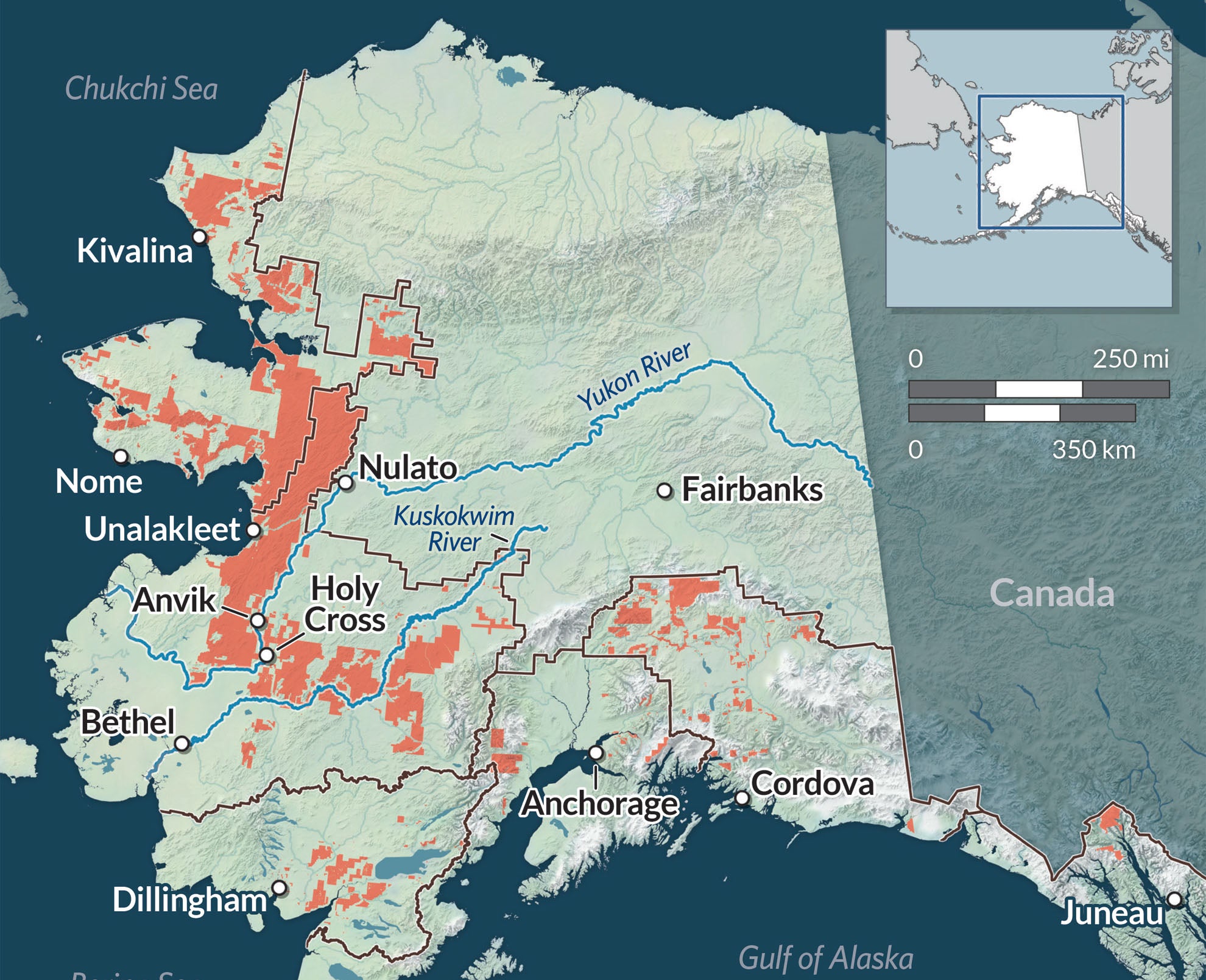
Understanding habitability in Alaska isn’t just about identifying areas where people can survive; it’s about discerning regions where communities can thrive, supported by infrastructure, resources, and a quality of life beyond mere subsistence. While human ingenuity has allowed for settlements in surprisingly harsh locales, the vast majority of Alaska’s nearly 663,000 square miles remains largely untouched by permanent human dwellings, dedicated instead to pristine wilderness, national parks, and remote natural expanses.
Understanding Alaska’s Vastness and Diverse Landscapes
To grasp the concept of habitability in Alaska, one must first comprehend its sheer magnitude and the incredible diversity of its geographic regions.
Geographical Overview: Size and Scale
Alaska is colossal. It is more than twice the size of Texas and larger than the next three largest states combined (Texas, California, and Montana). This enormous footprint extends across multiple climate zones, from the temperate rainforests of the panhandle to the frigid Arctic tundra of the far north. If you superimposed Alaska on a map of the contiguous United States, it would stretch from California to Florida. This scale means that a blanket statement about habitability is impossible; conditions vary dramatically from one region to another.
Major Geographic Regions and Their Characteristics
Alaska’s geography is broadly divided into several distinct regions, each with its own set of challenges and opportunities for human settlement:
- Southeastern Alaska (The Panhandle): Characterized by temperate rainforests, fjords, and islands, this region experiences high rainfall and milder winters due to the Pacific Ocean’s influence. Cities like Juneau (the state capital) and Sitka are nestled between mountains and water, with transportation primarily by air and sea via the Alaska Marine Highway System, often referred to as the Inside Passage. Its rugged terrain limits expansion, but the climate is relatively hospitable.
- Southcentral Alaska: Home to the majority of Alaska’s population, this region includes Anchorage, the state’s largest city, and the fertile Mat-Su Valley (which includes Palmer and Wasilla). It features a milder, subarctic climate influenced by the Gulf of Alaska, with accessible coastlines, mountain ranges (Chugach Mountains), and extensive road and rail networks. This is Alaska’s most “habitable” zone.
- Interior Alaska: Dominated by vast forests, braided rivers (like the Yukon River), and extreme seasonal temperatures. Fairbanks is the primary population center, experiencing hot summers and intensely cold winters, often below -40°F. Permafrost is common here, posing significant construction challenges.
- Southwest Alaska and the Aleutian Islands: A land of active volcanoes, treeless tundras, and a maritime climate. Communities here, like those on the Kodiak Island archipelago or the Aleutian Islands, are often isolated and reliant on fishing. The weather is notoriously fierce, with high winds and frequent storms.
- Arctic Alaska (North Slope and Northwest Arctic Borough): This is arguably the least habitable region. Characterized by permafrost, a treeless Arctic tundra, and an Arctic Ocean coastline, it experiences continuous darkness in winter and continuous daylight in summer. Communities like Utqiagvik (formerly Barrow) are sustained primarily by resource extraction (oil) and subsistence hunting. The challenges here are immense, from extreme cold to logistical nightmares.
Factors Defining Habitability in Alaska
The concept of habitability in Alaska is shaped by a confluence of environmental and logistical factors that are far more pronounced than in most other parts of the world.
Climate Extremes and Their Impact
Alaska’s climate is the most significant determinant of habitability. While the Pacific coast enjoys relatively mild, wet conditions, the interior and arctic regions face brutal extremes. Winters can bring months of sub-zero temperatures, often dropping well below -20°F and even -60°F in the interior. This cold impacts everything: infrastructure (pipes freeze, materials become brittle), transportation (roads become hazardous, waterways freeze), and human endurance. The limited daylight hours in winter also contribute to challenges for human well-being. Conversely, summers in the interior can be surprisingly warm, sometimes exceeding 80°F, creating a different set of challenges, including wildfires and insect populations.
Permafrost, Topography, and Natural Hazards
A significant portion of Alaska lies atop permafrost – ground that remains frozen for two or more years. Thawing permafrost, accelerated by climate change, causes ground instability, leading to infrastructure damage (cracked foundations, buckling roads) and impacting ecosystems. Much of Alaska is also mountainous, dominated by ranges like the Alaska Range, the Chugach Mountains, and the Brooks Range. These formidable terrains make construction and transportation extremely difficult and expensive.
Natural hazards are also a constant consideration. Alaska is one of the most seismically active regions in the world, with frequent earthquakes. Volcanic activity, particularly in the Aleutian Islands and the Alaska Peninsula, poses threats of ashfall and eruptions. Coastal communities are vulnerable to tsunamis and storm surges.
Infrastructure and Accessibility Challenges
Beyond the natural environment, the lack of developed infrastructure is a massive hurdle to widespread habitability. Outside of the Southcentral and Interior regions, road networks are sparse. Many communities, especially in Western and Northern Alaska, are “off the road system,” accessible only by air (bush planes), boat, or snowmachine in winter. This isolation drives up the cost of living significantly, as almost all goods must be flown or barged in. Basic services like healthcare, education, and internet connectivity can be limited or extremely expensive in remote areas. Developing and maintaining infrastructure in such harsh conditions is a perpetual and costly endeavor for the state.
Where People Live: Alaska’s Population Centers and Accessible Areas

Despite the challenges, Alaska sustains a vibrant, albeit small, population of around 733,000 people. Their distribution is highly concentrated in a few key areas, reflecting the more “habitable” zones.
The Railbelt: A Corridor of Life
The vast majority of Alaskans live within or near the “Railbelt,” a corridor stretching from Seward on the Kenai Peninsula through Anchorage and the Mat-Su Valley, up to Fairbanks. This region is served by the Alaska Railroad and the state’s most extensive road network (e.g., the Parks Highway, the Glenn Highway).
- Anchorage: With nearly 300,000 residents, Anchorage is the economic and transportation hub. Its location in Southcentral Alaska offers relatively moderate temperatures (by Alaskan standards), access to the Cook Inlet, and proximity to popular destinations like Chugach State Park and the Kenai Peninsula. It boasts a modern infrastructure, diverse economy, and all the amenities of a large city.
- Fairbanks: As Alaska’s second-largest city, Fairbanks serves as the gateway to the Interior and Arctic. Despite its extreme climate, it thrives due to its strategic location, military presence (Fort Wainwright and Eielson Air Force Base), and educational institutions (University of Alaska Fairbanks).
- Mat-Su Valley: Experiencing rapid growth, the Mat-Su Valley provides a more rural, family-oriented lifestyle within commuting distance of Anchorage. Its fertile land supports agriculture, and its accessibility makes it an attractive residential area.
Coastal Communities and Their Unique Lifestyles
Beyond the Railbelt, numerous smaller communities dot the extensive Alaskan coastline, from the Inside Passage to the Bering Sea. Cities like Juneau, Ketchikan, Sitka, Homer, Valdez, and Kodiak are supported by fishing, tourism, and government services. Their habitability is often defined by access to marine resources and the relative moderation of maritime climates, albeit with frequent storms and isolation from the road system. Life in these communities is intrinsically linked to the sea.
Remote Settlements and Subsistence Living
Hundreds of tiny, often predominantly Indigenous, villages are scattered across the vast Alaskan landscape, particularly in Western and Northern Alaska. Places like Nome, Kotzebue, and Bethel serve as regional hubs for surrounding smaller villages. Life here is extremely challenging, marked by high costs, limited infrastructure, and a reliance on subsistence hunting, fishing, and gathering. While these areas are “habitable” in the sense that people have lived there for millennia, they represent the extreme edge of human adaptation and are not typically considered easily accessible or comfortable for most modern lifestyles.
The Untamed Wilderness: Regions Beyond Human Reach
The question of “how much of Alaska is habitable” ultimately leads to the realization that the overwhelming majority of the state is not. This untouched expanse is not uninhabited by life, but rather by permanent human settlements.
National Parks and Preserves: Protected and Pristine
Much of Alaska’s “uninhabitable” land is intentionally preserved as national parks, wildlife refuges, and wilderness areas. These include immense tracts like Denali National Park and Preserve, home to North America’s highest peak; the vast Gates of the Arctic National Park and Preserve, encompassing parts of the Brooks Range; and Wrangell-St. Elias National Park and Preserve, the largest national park in the United States. Others include Kenai Fjords National Park, Lake Clark National Park and Preserve, and Katmai National Park and Preserve. These areas are managed for conservation, with minimal human development and limited access, largely restricted to backcountry travelers, researchers, and seasonal recreationists. They are deemed uninhabitable not just due to environmental extremes but also by design.
Arctic Tundra and Mountain Ranges: A Realm of Extremes
Beyond protected areas, enormous stretches of the Arctic coastal plain, the interior Brooks Range, and the extensive glacier fields of Southcentral and Southeast Alaska simply lack the conditions for permanent human settlement. The Arctic tundra is characterized by a short growing season, continuous permafrost, and an ecosystem fragile to disturbance. The towering mountain ranges, often glaciated, present insurmountable obstacles for sustained habitation, offering only transient camps for mountaineers or scientists. These regions, while breathtakingly beautiful, are too cold, too remote, too geologically unstable, or too devoid of resources to support anything beyond specialized, temporary human activity.
The Future of Habitation: Challenges and Opportunities
The habitability of Alaska is not static; it is a dynamic concept influenced by global changes and human innovation.
Climate Change and Its Shifting Landscape
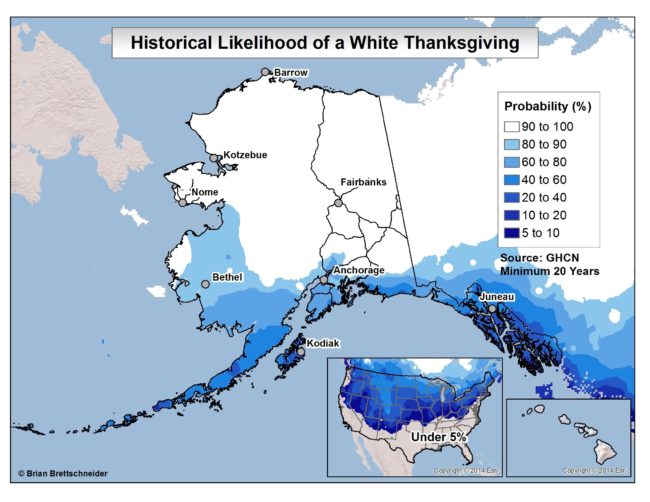
Alaska is warming at twice the rate of the rest of the United States, leading to significant impacts on its habitability. Thawing permafrost is destroying infrastructure and causing coastal erosion, threatening many communities, particularly Indigenous villages along the Bering Sea and Arctic Ocean coastlines. Changing weather patterns affect traditional hunting and fishing practices, impacting subsistence lifestyles. While some areas might become marginally “milder,” the overall disruption poses a severe challenge to existing settlements and limits future expansion. Relocating entire villages, as is being considered for communities like Newtok, underscores the profound threat.
Sustainable Development and Indigenous Resilience
Despite the challenges, there are ongoing efforts to make Alaska more sustainably habitable. Innovations in building technologies, renewable energy sources (especially crucial for off-grid communities), and improved logistical networks are helping communities adapt. The resilience and traditional knowledge of Alaska’s Indigenous peoples, who have thrived in these environments for millennia, offer invaluable insights into sustainable living in extreme conditions. Their deep understanding of the land, coupled with modern adaptations, continues to shape the future of habitability in Alaska.
In conclusion, while Alaska is immense, only a very small fraction of its landmass is considered truly habitable by modern standards, largely concentrated in the Southcentral and Interior regions. The vast majority remains a wild, untamed frontier, defined by extreme climates, challenging topography, and a deliberate preservation of its natural state. For travelers, this understanding enriches the experience, highlighting the preciousness of its developed areas and the awe-inspiring grandeur of its virtually limitless wilderness.
LifeOutOfTheBox is a participant in the Amazon Services LLC Associates Program, an affiliate advertising program designed to provide a means for sites to earn advertising fees by advertising and linking to Amazon.com. Amazon, the Amazon logo, AmazonSupply, and the AmazonSupply logo are trademarks of Amazon.com, Inc. or its affiliates. As an Amazon Associate we earn affiliate commissions from qualifying purchases.