
The vast, wild expanse of Alaska conjures images of snow-capped mountains, glaciers, and endless icy landscapes. This perception often leads prospective travelers to wonder: is Alaska cold all year round? The simple answer is no. While it undoubtedly experiences extreme cold, particularly in winter and certain regions, Alaska is a land of dramatic seasonal shifts, offering a diverse range of climates that challenge the common misconception of perpetual frigid temperatures. Understanding these climatic nuances is key to planning an unforgettable journey to America’s Last Frontier.
Dispelling the Myth: Alaska’s Diverse Climate
Alaska’s sheer size—larger than Texas, California, and Montana combined—means it encompasses several distinct climate zones, each with its own weather patterns and temperature ranges. From temperate rainforests to arctic tundra, the state’s geography plays a pivotal role in shaping its weather.

A Land of Extremes: Understanding Geographic Zones
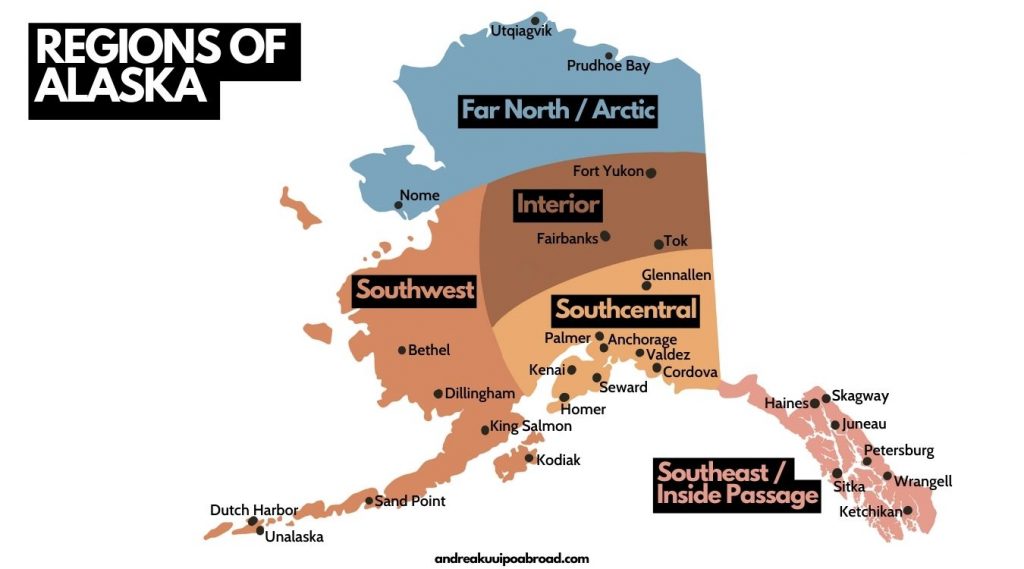
Alaska can be broadly divided into four major climatic regions, each presenting a unique picture of temperature and precipitation throughout the year:
- Southeastern Panhandle (Coastal Temperate Rainforest): This region, home to cities like Juneau and Ketchikan, experiences a maritime climate. Characterized by relatively mild winters and cool summers, it’s also the wettest part of the state, resembling the climate of the Pacific Northwest. Snowfall is common in winter, but temperatures rarely drop to extreme lows compared to other parts of Alaska.
- Southcentral Alaska (Transitional Climate): Including Anchorage and the Kenai Peninsula, this area benefits from its proximity to the Gulf of Alaska, which moderates temperatures. Summers are pleasant and mild, with significant daylight, while winters are cold with substantial snowfall, but typically not as brutal as the interior.
- Interior Alaska (Continental Climate): Centered around Fairbanks, this region is known for its extreme temperature swings. Summers can be surprisingly warm, often reaching into the 70s and 80s Fahrenheit (20s and 30s Celsius), while winters are long, dark, and severely cold, with temperatures frequently plummeting far below zero. The Alaska Range shields it from the moderating influence of the ocean.
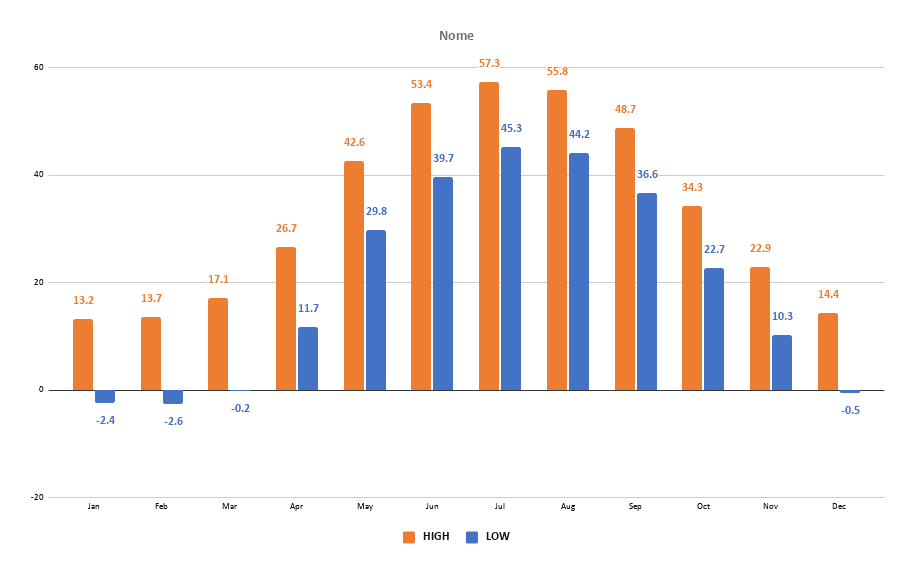
- Arctic and Western Alaska (Polar/Subpolar Climate): This includes areas like Barrow and the coastline facing the Bering Sea. Here, cold temperatures prevail for much of the year. Summers are short and cool, often foggy, while winters are exceptionally long, dark, and intensely cold, marked by permafrost and minimal precipitation.
Factors Influencing Temperature: Ocean, Mountains, and Latitude
Three primary geographical factors dictate Alaska’s varied climate:
- The Pacific Ocean: The warm currents of the Pacific Ocean significantly moderate temperatures along the southern coast and Inside Passage. This maritime influence brings milder winters and cooler summers, along with higher humidity and precipitation, especially rain.
- Mountain Ranges: Majestic mountain ranges like the Alaska Range and the Brooks Range act as formidable barriers. They block arctic air masses from reaching the southern coastal regions and create rain shadow effects, leading to drier, more extreme temperatures in the interior. The presence of these ranges also contributes to the vast array of microclimates found throughout the state.
- Latitude: Being so far north, Alaska’s high latitude is a dominant factor. It accounts for the dramatic seasonal changes in daylight hours – the famous “land of the midnight sun” in summer and the equally long, dark winters. Less solar radiation in winter naturally leads to colder temperatures and prolonged periods of darkness, which in turn cools the land further.
A Journey Through Alaska’s Seasons
To truly appreciate Alaska’s climate, one must look at its distinct seasons. Each offers a unique set of temperatures, daylight hours, and travel opportunities, challenging the “cold all year round” stereotype.
Summer (June, July, August): The Golden Season
Often considered the prime travel season, Alaskan summers are nothing short of spectacular. Temperatures across the state are surprisingly mild, often pleasant, and sometimes even warm. In Anchorage and Fairbanks, average daily highs can reach into the 60s and 70s Fahrenheit (15-25°C), with some days pushing into the 80s (27°C) or higher in the interior. The most striking feature of an Alaskan summer is the “land of the midnight sun” phenomenon, where daylight hours extend dramatically, with some areas experiencing 24 hours of daylight around the summer solstice.
This season is ideal for outdoor enthusiasts, offering unparalleled opportunities for hiking, fishing for Pacific salmon in rivers like the Kenai River, and wildlife viewing. Travelers flock to destinations like Denali National Park to witness grizzly bears, caribou, and moose in their natural habitat, or explore the calving glaciers of Glacier Bay National Park and Kenai Fjords National Park. What to pack: layers are crucial, including waterproof and windproof outer shells, comfortable hiking shoes, and insect repellent.
Autumn (September, October): A Brief, Beautiful Transition
As summer wanes, Alaska transitions into a breathtaking, albeit short, autumn. Temperatures begin to cool rapidly, especially as September progresses. While early September can still feel like an extension of summer, by October, crisp, cold air dominates, particularly in the interior. Average highs in Anchorage drop to the 40s and 50s Fahrenheit (4-15°C) in September and then into the 30s (0-5°C) in October.
This period is renowned for its vibrant fall foliage, as the tundra and deciduous trees turn brilliant shades of gold, orange, and red. It’s an excellent time for photography, late-season fishing, and hunting. Importantly, autumn marks the return of darker nights, making it an excellent time for early aurora borealis viewing, especially in regions like Fairbanks. What to pack: warmer layers, a warm hat, gloves, and waterproof boots are essential.
Winter (November to March): The Quintessential Alaskan Experience
Winter is when Alaska truly embodies its cold reputation, especially in the interior and arctic regions. This is the season of extreme cold, with temperatures in Fairbanks often dipping to -20°F (-29°C) and much lower. Coastal areas like Anchorage are relatively milder, with average daytime temperatures ranging from 0°F to 20°F (-18°C to -7°C), though snowfall is heavy. Daylight hours are significantly reduced, with some areas experiencing only a few hours of twilight each day.
Despite the cold and darkness, winter offers a magical and uniquely Alaskan experience. It’s the peak season for viewing the aurora borealis, with the long, clear nights providing ideal conditions. Popular activities include downhill and cross-country skiing, snowboarding, ice fishing, snowmobiling, and dog sledding, including the famous Iditarod Trail Sled Dog Race. What to pack: extreme cold weather gear is non-negotiable. This includes multiple thermal layers, insulated and waterproof outer layers, heavy-duty insulated boots, warm hats, mittens (better than gloves for warmth), and hand/foot warmers.
Spring (April, May): Thaw and Rebirth
Spring in Alaska is a season of transition, marked by melting snow and ice, gradually lengthening days, and the reawakening of wildlife. Temperatures begin to rise, typically reaching into the 30s and 40s Fahrenheit (0-10°C) in April, and then into the 50s (10-15°C) in May in most populated areas. While much of the landscape is still thawing, the signs of new life are everywhere.
This time of year is excellent for early hiking, birdwatching as migratory species return, and some fishing as rivers begin to clear. It’s a less crowded time to visit, offering a different perspective of Alaska’s raw beauty. Be prepared for muddy trails and unpredictable weather, which can still bring late-season snowfalls. What to pack: waterproof gear is essential due to melting snow and spring rains, along with adaptable layers as temperatures can fluctuate throughout the day.
Preparing for Your Alaskan Adventure: Practical Travel Tips
Understanding Alaska’s climate is the first step; preparing for it is the next. Given the state’s vastness and regional variations, “one size fits all” advice simply doesn’t apply.
Understanding Regional Variations
The single most important tip for traveling to Alaska is to research the specific region and time of year you plan to visit. While Anchorage might experience mild summer days, Barrow (now Utqiagvik) will remain cool and often foggy. A winter trip to Juneau will be vastly different from one to Fairbanks. Always check the specific weather forecast for your destination just before your trip.
The Art of Layering: Essential Packing Advice
Regardless of the season, layering is the golden rule for dressing in Alaska. The weather can change quickly, and temperatures can vary significantly between day and night, even in summer.
- Base Layer: Moisture-wicking fabrics (synthetics or merino wool) to keep sweat away from your skin.
- Mid-Layer: Insulating layers like fleece or down vests/jackets for warmth.
- Outer Layer: Waterproof and windproof shell jacket and pants to protect against rain, snow, and wind.
- Accessories: Always include a warm hat (even in summer for cooler evenings), gloves or mittens, and insulated, waterproof boots. Sunglasses are also crucial, particularly for glare off snow or water.
Beyond Temperature: Other Weather Considerations
Beyond just temperature, consider other climatic factors:
- Wind Chill: Even moderate cold can feel much colder with strong winds, especially in open areas or on the coast.
- Precipitation: Alaska receives significant precipitation, both rain and snow, depending on the region and season. Waterproof gear is paramount.
- Insects: During summer, especially in interior and bush areas, mosquitoes and other biting insects can be prolific. Pack good quality insect repellent and consider head nets for prolonged outdoor activities.
Experiencing Alaska Beyond the Thermometer
The true magic of Alaska lies not just in its climate, but in how that climate shapes its landscape and the experiences it offers. Each season invites a different kind of adventure.
Summer’s Endless Days and Wildlife Wonders
Summertime is when Alaska truly comes alive. The extended daylight hours mean more time for exploration, allowing visitors to pack their days with activities from early morning hikes to late-night wildlife spotting. Beyond the national parks, cruises through the Inside Passage offer breathtaking views of glaciers and marine wildlife like whales and sea lions. The relatively mild temperatures make these outdoor pursuits comfortable and enjoyable, revealing a vibrant, green Alaska teeming with life, a stark contrast to its winter slumber.
Winter’s Enchanting Landscapes and Northern Lights
While cold, Alaskan winters are breathtakingly beautiful and offer experiences unique to this northern latitude. The snow-covered landscapes create a serene, almost mystical atmosphere. Fairbanks, due to its location under the “aurora oval,” is particularly renowned as one of the best places on Earth to witness the elusive and spectacular aurora borealis. The crisp, clear, dark nights provide the perfect canvas for this celestial dance. Beyond the lights, the winter months are a playground for snow sports, providing a chance to immerse oneself in traditional Alaskan pastimes and witness world-class events like the Iditarod Trail Sled Dog Race, offering a profound connection to the state’s rugged spirit.
In conclusion, the notion of Alaska being “cold all year round” is a significant oversimplification. While it is undoubtedly a northern land accustomed to severe cold, particularly in its extensive winters, Alaska experiences four distinct seasons, each bringing its own unique climate and range of temperatures. Summers can be remarkably warm and filled with endless daylight, while autumn and spring offer transitional beauty. By understanding its diverse climate zones and preparing appropriately for the chosen season and region, travelers can unlock the full spectrum of experiences that this magnificent state has to offer, regardless of the time of year. Alaska is not just cold; it is a land of vibrant climatic extremes and unparalleled natural beauty, waiting to be explored.
LifeOutOfTheBox is a participant in the Amazon Services LLC Associates Program, an affiliate advertising program designed to provide a means for sites to earn advertising fees by advertising and linking to Amazon.com. Amazon, the Amazon logo, AmazonSupply, and the AmazonSupply logo are trademarks of Amazon.com, Inc. or its affiliates. As an Amazon Associate we earn affiliate commissions from qualifying purchases.