
Facing overwhelming debt can be one of life’s most challenging experiences, leading to immense stress and uncertainty about the future. For residents of California, a state known for its high cost of living, navigating financial distress is a reality for many. Bankruptcy, often misunderstood, is not an end but rather a legal process designed to provide a fresh financial start. It offers individuals and businesses a structured way to manage or eliminate debts they can no longer repay. This comprehensive guide will walk you through the intricacies of filing for bankruptcy in California, offering insights into the process, requirements, and what to expect on your journey towards financial recovery.
Understanding Bankruptcy in California: A Fresh Start
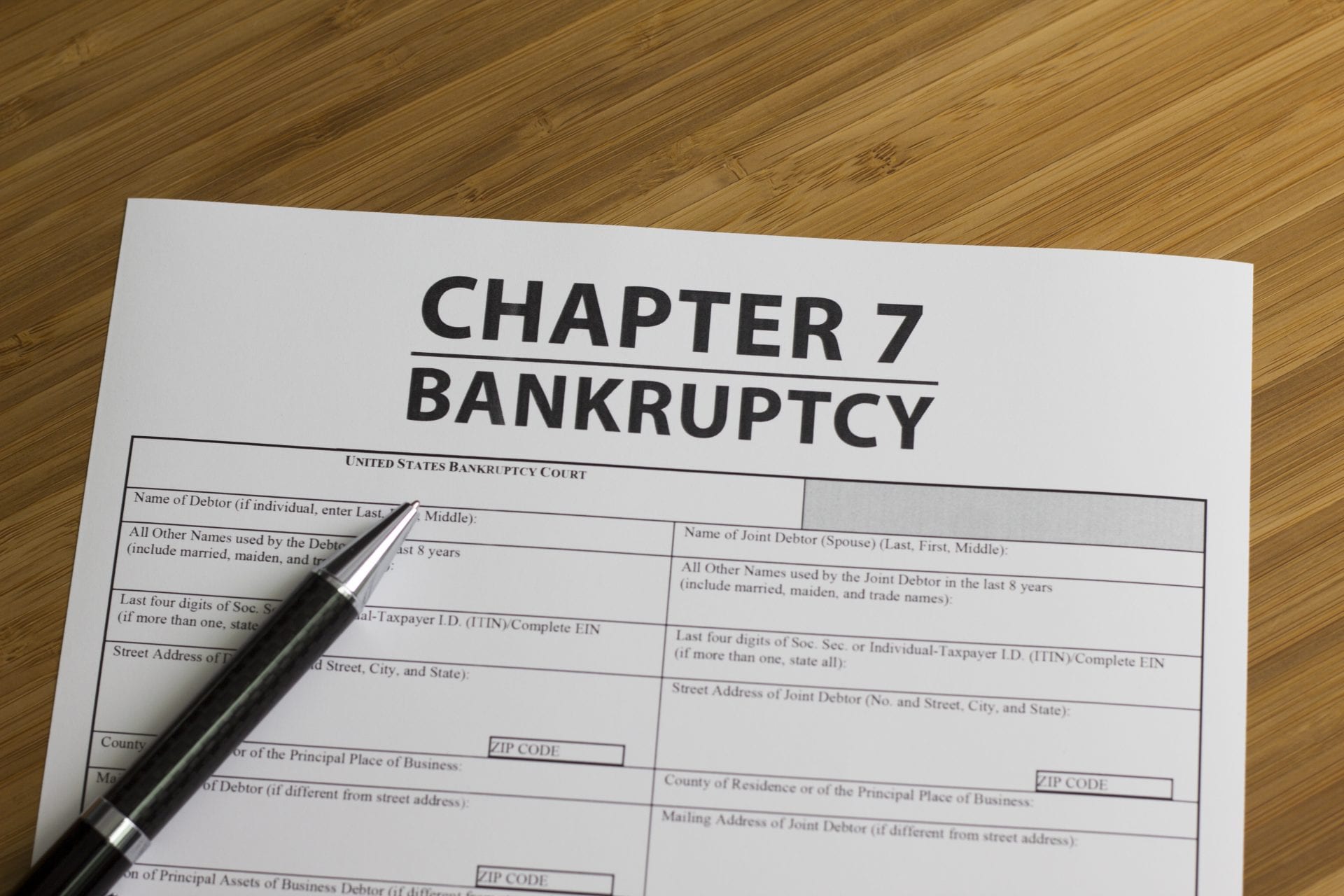
Bankruptcy is a federal legal proceeding that can either discharge (eliminate) certain debts or reorganize them into a more manageable payment plan. It’s a powerful tool under federal law, supervised by the U.S. bankruptcy courts, that provides relief to debtors. While the decision to file for bankruptcy is significant and carries long-term implications, for many, it represents the only viable path to break free from a suffocating cycle of debt.
What is Bankruptcy and Why Consider It?
At its core, bankruptcy aims to achieve two primary goals: to provide an honest debtor with a “fresh start” by eliminating or restructuring their debts, and to ensure fair treatment of creditors by distributing the debtor’s non-exempt assets equitably. People consider bankruptcy for various reasons, including job loss, medical emergencies, divorce, business failure, or simply accumulating too much unsecured debt. For some, it’s a strategic move to prevent foreclosure, repossession, or wage garnishment. Understanding that bankruptcy is a legal right, not a moral failure, is the first step toward exploring this option.
Chapters of Bankruptcy: Chapter 7 vs. Chapter 13
In California, as across the United States, the two most common types of consumer bankruptcy are Chapter 7 and Chapter 13. Each serves a different purpose and is suitable for different financial situations.
- Chapter 7 (Liquidation Bankruptcy): This chapter is often referred to as “straight bankruptcy.” It involves a trustee appointed by the court who sells the debtor’s non-exempt assets (if any) to pay off creditors. Most debtors, however, have no non-exempt assets, meaning they keep all their property. Chapter 7 is generally available to individuals with lower incomes who cannot afford to pay back their debts. It typically results in the discharge of most unsecured debts, such as credit card debt, medical bills, and personal loans, within a few months.
- Chapter 13 (Reorganization Bankruptcy): Chapter 13 is designed for individuals with regular income who want to repay some or all of their debts over a period of three to five years. Under Chapter 13, debtors propose a repayment plan to the court, which, if approved, consolidates debts into a single, affordable monthly payment. This option is particularly beneficial for those who want to save their home from foreclosure, catch up on car payments, or protect valuable assets that would be lost in a [Chapter 7](https://lifeoutofthebox.com/chapter 7) filing.
The Automatic Stay: Immediate Relief
One of the most significant benefits of filing for bankruptcy is the immediate protection offered by the Automatic Stay. As soon as your bankruptcy petition is filed with the court, the Automatic Stay goes into effect. This powerful legal injunction immediately halts most collection activities against you. This means creditors can no longer call you, send collection letters, initiate lawsuits, garnish your wages, repossess your car, or foreclose on your home. It provides a crucial breathing room, allowing you to assess your financial situation without the constant pressure of debt collectors.
Eligibility and Pre-Filing Requirements
Before you can file for bankruptcy in California, there are several eligibility criteria and mandatory steps you must complete. These requirements ensure that bankruptcy is used responsibly and only by those who genuinely qualify.
Credit Counseling and Debtor Education
Federal law mandates that all individuals filing for Chapter 7 or Chapter 13 bankruptcy must complete two courses from approved providers:
- Credit Counseling: This must be completed within 180 days before filing your bankruptcy petition. The goal of Credit Counseling is to explore alternatives to bankruptcy and help you develop a budget and debt management plan.
- Debtor Education: This course must be completed after filing your bankruptcy petition but before your debts can be discharged. Its purpose is to teach you personal financial management skills to help you avoid future financial difficulties.
Both courses are typically offered online or over the phone by non-profit organizations approved by the U.S. Trustee Program.
The Means Test for Chapter 7
To qualify for Chapter 7 bankruptcy, individuals must pass the Means Test. This test determines if your income is low enough to justify a Chapter 7 discharge, or if you have the “means” to pay back a portion of your debts through a Chapter 13 plan.
The Means Test involves two main parts:
- Median Income Test: Your current monthly income is compared to the median income for a household of your size in California. If your income is below the median, you generally qualify for Chapter 7.
- Disposable Income Test: If your income is above the median, the second part of the Means Test calculates your disposable income by subtracting allowed expenses (such as taxes, housing, and transportation) from your income. If your disposable income is below a certain threshold, you may still qualify for Chapter 7. Otherwise, you might be required to file Chapter 13.
Income and Debt Limits for Chapter 13
For Chapter 13, there are specific debt limits that must be met. As of the time of writing, to be eligible for Chapter 13, your unsecured debts (like credit cards and medical bills) must be less than a certain amount, and your secured debts (like mortgages and car loans) must also be below a specific threshold. These limits are adjusted periodically, so it’s crucial to check the current figures. Additionally, you must have a stable and regular income to fund your repayment plan.
The Filing Process: Step-by-Step
Navigating the bankruptcy process can feel daunting, but breaking it down into manageable steps can help. While working with an attorney is highly recommended, understanding the general flow can empower you.
Gathering Your Financial Documents
Before filing, you’ll need to meticulously gather a wide array of financial documents. This includes:
- Tax returns for the past several years
- Pay stubs, bank statements, and other income records
- Statements for all debts (credit cards, loans, mortgages, etc.)
- Records of assets (property deeds, vehicle titles, investment statements, etc.)
- Copies of any judgments, lawsuits, or collection notices
This information is crucial for preparing your bankruptcy petition accurately, ensuring full disclosure to the court, and maximizing the chances of a successful discharge.
Filing the Petition: What to Expect
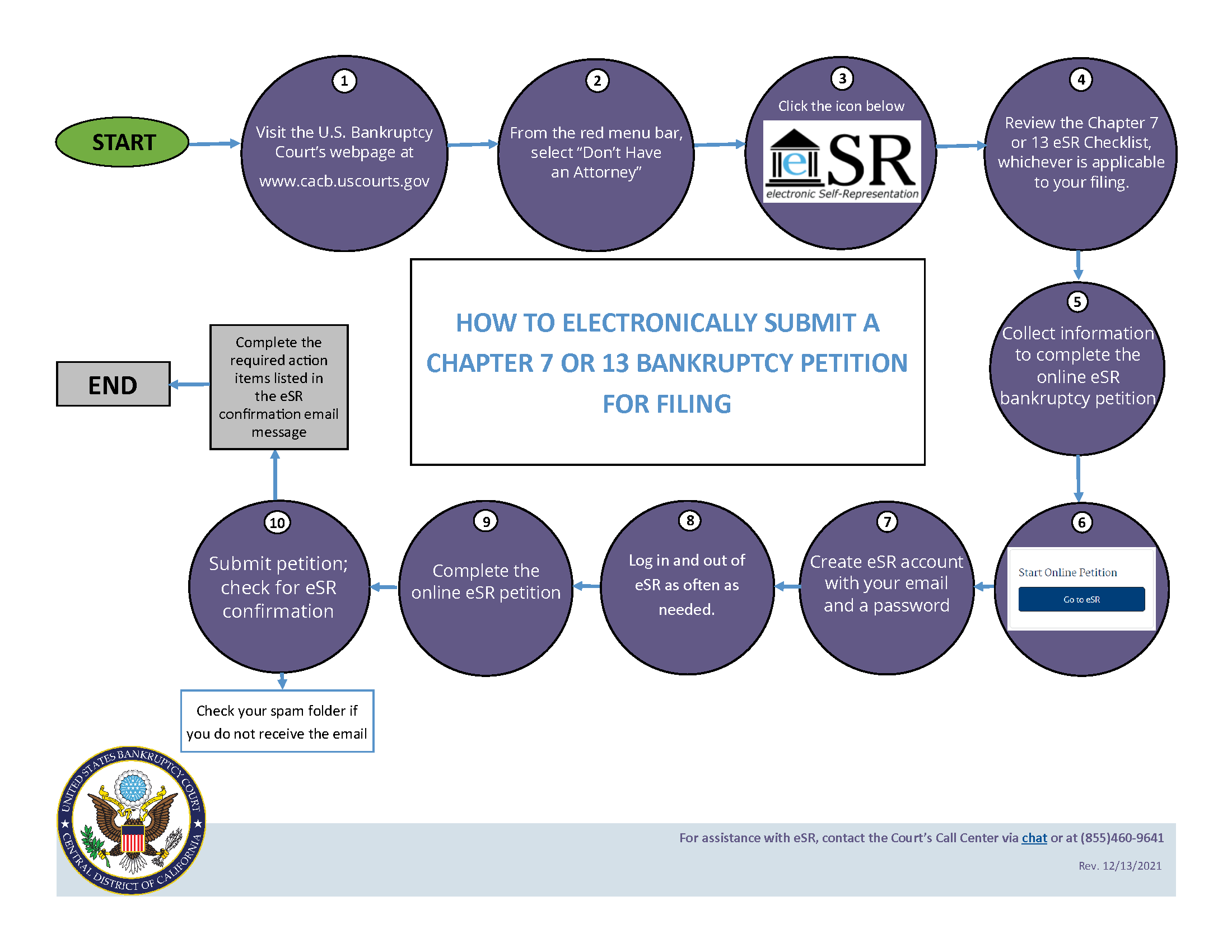
Once all necessary documents are collected and forms are completed, your bankruptcy petition is filed with the U.S. bankruptcy court in your district within California. The petition is a comprehensive document that provides a detailed snapshot of your financial life, including all your assets, liabilities, income, and expenses. Upon filing, the Automatic Stay takes effect, offering immediate protection from creditors. A bankruptcy trustee will be appointed to oversee your case.
The Meeting of Creditors (341 Meeting)
Within a few weeks of filing, you’ll attend the Meeting of Creditors, also known as the 341 Meeting. This is a mandatory proceeding where you will be placed under oath and questioned by the bankruptcy trustee, and potentially by creditors. The trustee’s role is to verify the information in your petition, ask about your assets and debts, and confirm your identity. Despite the formal name, creditors rarely attend this meeting, which is usually brief and straightforward, especially if you have an attorney.
Confirmation and Discharge
- For Chapter 7: After the Meeting of Creditors and completion of your Debtor Education course, if there are no objections and no non-exempt assets to liquidate, the court will typically issue a discharge order within 60-90 days. This order legally releases you from most of your qualifying debts.
- For Chapter 13: Following the Meeting of Creditors, the court will hold a confirmation hearing to approve your proposed repayment plan. Once confirmed, you will make regular payments to the trustee for three to five years. After successfully completing all payments under the plan and completing your Debtor Education course, the court will grant you a discharge of your remaining eligible debts.
Life After Bankruptcy: Rebuilding Your Financial Lifestyle
Filing for bankruptcy is not the end of your financial journey but the beginning of a new chapter. While it provides immediate relief, the long-term goal is to rebuild your credit and establish a healthier financial lifestyle.
Credit Repair and Financial Planning
Your credit report will show your bankruptcy for 7 to 10 years, which can initially make obtaining new credit challenging. However, you can start rebuilding your credit immediately after discharge. Strategies include:
- Secured Credit Cards: These require a deposit and help demonstrate responsible use of credit.
- Small, Responsible Loans: A small loan, repaid on time, can also help.
- Regular Bill Payments: Consistently paying rent, utilities, and other bills on time, even if they don’t always appear on your credit report, demonstrates reliability.
- Budgeting: Develop and stick to a realistic budget to manage your income and expenses effectively.
- Saving: Build an emergency fund to avoid future reliance on credit for unexpected expenses.
Debts That Are Not Dischargeable
It’s important to understand that not all debts can be discharged through bankruptcy. Common non-dischargeable debts include:
- Most student loans (though there are very limited exceptions)
- Most taxes
- Child support and alimony obligations
- Debts incurred through fraud
- Fines and penalties owed to government agencies
- Debts for personal injury or death caused by driving under the influence
The Long-Term Impact on Your Financial Future
While bankruptcy has immediate negative impacts on your credit score, its long-term effects can be surprisingly positive. By eliminating overwhelming debt, you gain the opportunity to stabilize your finances, reduce stress, and develop better financial habits. Many individuals find they are able to qualify for mortgages, car loans, and other credit within a few years post-bankruptcy, often with more favorable terms than they would have received while struggling with insurmountable debt. The key is consistent, responsible financial management moving forward.
Seeking Professional Guidance in California
The bankruptcy process is complex, with specific legal requirements and nuances that vary by jurisdiction. Navigating it without professional guidance can lead to errors, delays, or even the dismissal of your case.
The Role of a Bankruptcy Attorney
A qualified bankruptcy attorney can provide invaluable assistance throughout the entire process. They will:
- Assess Your Situation: Determine which chapter of bankruptcy is most appropriate for your specific circumstances.
- Ensure Eligibility: Help you pass the Means Test for Chapter 7 or navigate the income and debt limits for Chapter 13.
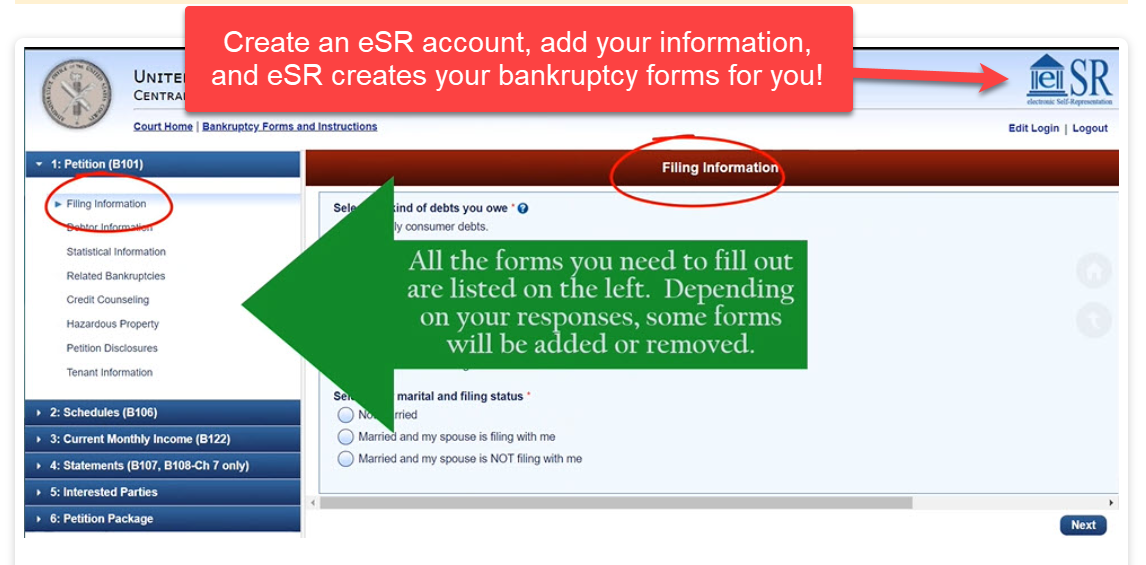
- Prepare and File Documents: Meticulously gather and complete all necessary paperwork, ensuring accuracy and compliance with federal and local rules.
- Protect Your Assets: Advise you on California’s exemption laws to protect as much of your property as legally possible.
- Represent You: Attend the Meeting of Creditors and other court hearings with you, addressing any questions or objections.
- Handle Creditor Communications: Serve as a buffer between you and your creditors.
Finding Qualified Legal Assistance in California
When seeking a bankruptcy attorney in California, look for someone specializing in bankruptcy law, with extensive experience in the U.S. Bankruptcy Court for your district (e.g., Central, Eastern, Northern, or Southern District of California). Research their credentials, read client testimonials, and ensure they offer a free initial consultation to discuss your options. A good attorney will provide clear communication, transparent fees, and a compassionate approach to your financial challenges.
Filing for bankruptcy is a significant decision that can profoundly impact your lifestyle, but for many, it’s a necessary step toward achieving long-term financial stability and peace of mind. By understanding the process and seeking expert guidance, residents of California can confidently navigate this journey toward a fresh financial beginning.
LifeOutOfTheBox is a participant in the Amazon Services LLC Associates Program, an affiliate advertising program designed to provide a means for sites to earn advertising fees by advertising and linking to Amazon.com. Amazon, the Amazon logo, AmazonSupply, and the AmazonSupply logo are trademarks of Amazon.com, Inc. or its affiliates. As an Amazon Associate we earn affiliate commissions from qualifying purchases.