
To ask “What is the temperature in Alaska right now?” is to pose a question as vast and varied as the state itself. Alaska, the largest state in the United States, encompasses multiple climate zones, each with its own unique temperature profile that can fluctuate dramatically not just seasonally, but even within a single day. For any traveler planning an adventure to this magnificent wilderness, understanding these climatic nuances is not merely a matter of curiosity; it is absolutely essential for packing, planning activities, and ensuring a safe, comfortable, and truly unforgettable experience. This guide will delve into the complexities of Alaska’s temperatures, offering insights that will help you prepare for whatever the Last Frontier throws your way.
Understanding Alaska’s Climate Zones and Their Impact on Travel
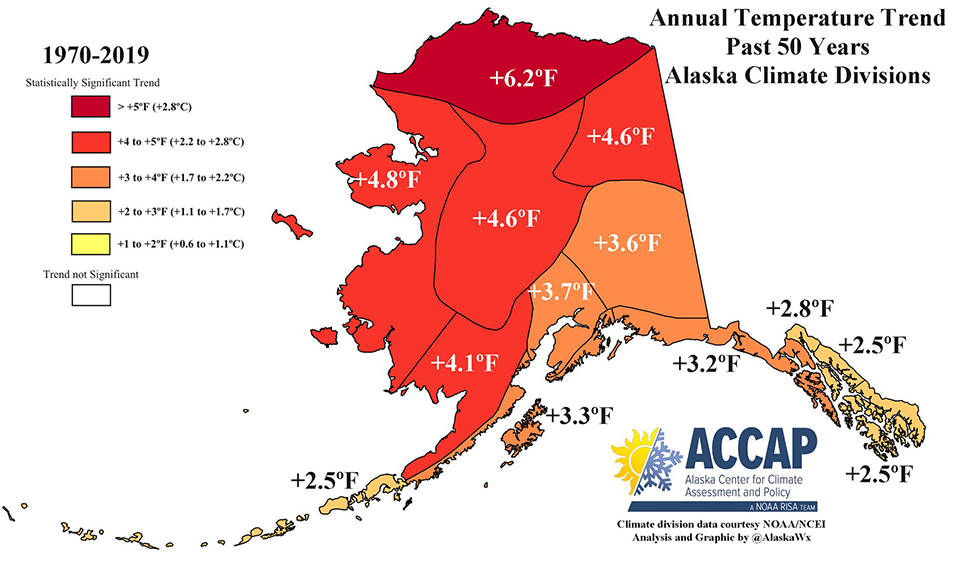
Alaska’s immense size and diverse geography, ranging from vast coastlines to towering mountain ranges and expansive interior plains, result in several distinct climate zones. Each zone presents a different set of temperature expectations and, consequently, different travel considerations.
Coastal Alaska: Temperate Yet Wild
The southern and southeastern coastal regions of Alaska, including cities like Juneau, Ketchikan, and Anchorage, experience a maritime climate. This means they are influenced significantly by the warming (or cooling) effects of the Pacific Ocean.
- Summer Temperatures: Generally mild, with daytime highs often ranging from 55°F to 70°F (13°C to 21°C). Evenings are cool. Rain is common, so waterproof gear is a must.
- Winter Temperatures: Milder than the interior, with coastal areas seeing averages between 20°F and 35°F (-7°C to 2°C). Snowfall can be heavy, especially in the mountains surrounding these cities.
- Travel Impact: This zone is popular for cruises, fishing, and exploring rainforests. Travelers should pack layers and rain gear year-round. Even in summer, a warm jacket is advisable for boat tours or cooler evenings.
Interior Alaska: Extremes of Heat and Cold
Moving inland, away from the moderating influence of the ocean, the climate becomes continental. Cities such as Fairbanks and destinations like Denali National Park are characteristic of this zone, experiencing more extreme temperature swings.
- Summer Temperatures: Surprisingly warm, with daytime temperatures frequently reaching 65°F to 80°F (18°C to 27°C), and occasionally even higher. The long daylight hours contribute to this warmth. Nights are cooler.
- Winter Temperatures: Famously brutal, with average daily temperatures well below 0°F (-18°C), often plummeting to -20°F (-29°C) or colder. Record lows can reach -60°F (-51°C) or lower.
- Travel Impact: Summer is ideal for hiking, wildlife viewing, and experiencing the Midnight Sun. Winter is prime for aurora borealis viewing, dog sledding, and ice sculpting festivals. Travelers must be prepared for swarms of mosquitoes in summer and extreme cold in winter, requiring specialized cold-weather gear.
Arctic Alaska: The Land of Perpetual Ice and Midnight Sun
The northernmost regions, including communities like Utqiagvik (formerly Barrow) and areas around Prudhoe Bay, fall within the polar climate zone. This is a region of permafrost and truly extreme conditions.
- Summer Temperatures: Brief and cool, with average temperatures rarely exceeding 40°F to 50°F (4°C to 10°C). Snow can fall even in July.
- Winter Temperatures: Exceptionally cold and prolonged, with average daily temperatures consistently below 0°F (-18°C) and often dipping to -30°F (-34°C) or colder, exacerbated by wind chill. This region experiences periods of complete darkness.
- Travel Impact: This is a destination for adventurous travelers seeking unique experiences like polar bear viewing or exploring remote indigenous cultures. Specialized extreme cold-weather gear is non-negotiable for winter travel, and even summer requires heavy insulation, wind protection, and waterproof layers.
Seasonal Temperature Trends: Planning Your Alaskan Adventure
Beyond geographical variations, the time of year you choose to visit Alaska profoundly dictates the temperatures you will encounter and, by extension, the types of activities available.
Summer (June-August): The Peak Travel Season
This is when Alaska truly comes alive and is the most popular time for visitors.
- Temperatures: Generally the mildest and most comfortable across the state, ranging from 50°F to 70°F (10°C to 21°C) on average, though the interior can get warmer.
- Daylight: Extremely long daylight hours, often 18-24 hours in the north, providing ample time for exploration.
- Activities: Hiking, fishing, wildlife viewing (bears, whales, moose), glacier tours, kayaking, and national park visits are all in full swing.
- What to Pack: Layers are key. Think long-sleeved shirts, fleece jackets, a waterproof and windproof outer shell, comfortable hiking boots, and insect repellent. Even in summer, evenings can be chilly, and weather can change rapidly.
Fall (September-October): A Brief, Beautiful Transition
A brief but incredibly scenic season, fall sees the landscape ablaze with color and a noticeable drop in temperatures.
- Temperatures: Begin to cool significantly, ranging from 30°F to 50°F (-1°C to 10°C), with nightly frosts becoming common. Snow can begin to fall in higher elevations and the interior.
- Aurora Possibilities: Longer nights mean the aurora borealis becomes visible again.
- Activities: Fall foliage tours, photography, wildlife viewing (bears fattening up before winter), and quieter trails. Many seasonal businesses begin to close by late September.
- What to Pack: Warmer layers than summer, including heavier fleeces, insulated jackets, warm hats, gloves, and waterproof boots.
Winter (November-March): A Realm of Snow and Ice
Alaska transforms into a winter wonderland, offering unique and starkly beautiful experiences for those brave enough to face the cold.
- Temperatures: Predominantly cold to extremely cold, often ranging from -20°F to 20°F (-29°C to -7°C) depending on the region, with significant wind chill.
- Daylight: Very short daylight hours, with some northern regions experiencing extended periods of darkness.
- Activities: Aurora viewing, dog sledding, snowmobiling, ice fishing, skiing, and cultural festivals.
- What to Pack: This requires serious preparation. Thermal base layers, heavy insulated mid-layers, a high-quality waterproof and windproof parka, insulated snow pants, waterproof insulated boots, warm hats (balaclava), mittens, and hand/foot warmers are essential. Frostbite is a real danger.
Spring (April-May): Awakening from Winter
Spring is a season of transition, marked by melting snow and returning wildlife, but also by potentially muddy conditions.
- Temperatures: Gradually warm from 20°F to 45°F (-7°C to 7°C), but can vary widely. Freeze-thaw cycles are common.
- Activities: Early season fishing, bird watching, some hiking as trails clear, and witnessing the landscape emerge from snow. Many tours and attractions may not yet be fully operational.
- What to Pack: Similar to late fall, with waterproof layers and sturdy, waterproof boots being paramount to navigate slush and mud.

Practical Tips for Navigating Alaska’s Diverse Temperatures
Regardless of when or where you travel in Alaska, being prepared for its dynamic weather is paramount.
Layering: The Golden Rule of Alaskan Dressing
This cannot be stressed enough. Temperatures can swing dramatically within hours, and active pursuits generate heat.
- Base Layer: Moisture-wicking material (not cotton!) to keep sweat away from your skin.
- Mid-Layers: Insulating layers like fleece or down to provide warmth.
- Outer Layer: A waterproof and windproof shell to protect against rain, snow, and wind.
This system allows you to add or remove layers to adapt to changing conditions and activity levels, ensuring you stay comfortable and safe.
Monitoring Local Forecasts: Precision for Your Plans
While general seasonal trends are helpful, always check specific, localized weather forecasts for your destination just before and during your trip. Microclimates are common, meaning the weather in one valley can be vastly different from a nearby mountain pass or coastal inlet. Use reliable weather websites or apps.
Essential Gear: Beyond Just Warmth
Beyond warm clothing, consider these necessities:
- Sturdy, Waterproof Footwear: Essential for hiking, walking on wet surfaces, or navigating snow.
- Sun Protection: Even in cold weather, the sun’s rays can be intense, especially with snow reflection. Pack sunglasses, sunscreen, and lip balm with SPF.
- Insect Repellent: A non-negotiable for summer travel, especially in the interior. Alaska’s mosquitoes are legendary.
- Headlamp/Flashlight: Useful for exploring during long summer evenings or navigating dark winter days.
Safety First: Preparing for the Elements
Alaska’s wilderness demands respect. Be aware of the risks associated with extreme temperatures. Hypothermia can occur even in cool, damp conditions if you’re unprepared. Inform others of your travel plans, especially when venturing into remote areas. Understand that cell service can be spotty or non-existent outside of major towns, so carry emergency communication devices if necessary.
The “Right Now” Factor: Real-Time Temperature Resources for Travelers
For the most immediate answer to “What is the temperature in Alaska right now?”, you’ll need to consult live resources.
Reliable Weather Websites and Apps
Utilize well-known weather services that offer real-time updates for specific Alaskan cities and regions. Websites like AccuWeather, The Weather Channel, and local news station weather pages are excellent resources. Many offer hourly forecasts and radar, which can be invaluable for watching changing weather patterns.
Understanding Microclimates and Elevation
Remember that a single temperature reading for a city might not reflect conditions just a few miles away, especially if you’re planning to hike up a mountain or visit a coastal area from an inland city. Always consider your exact location and any elevation changes. Temperature typically drops with increasing altitude, and coastal areas may have different wind and precipitation patterns.
Asking Locals and Tour Operators
Once you arrive, don’t hesitate to ask locals, your hotel staff, or tour operators for the most up-to-date and nuanced weather information. They have first-hand experience and can offer practical advice based on the current conditions, which might include unexpected winds, specific trail conditions, or sudden shifts in weather not immediately apparent from a general forecast.
Alaska’s temperature is a character in itself, shaping every aspect of the travel experience. It is rarely static, often surprising, and always a fundamental consideration for visitors. By understanding its diverse climate zones, seasonal trends, and practical preparation strategies, you can transform the challenge of Alaska’s dynamic temperatures into an integral part of your unforgettable adventure in the Last Frontier. So, instead of merely asking “What is the temperature in Alaska right now?”, embrace the broader question of “How can I best prepare for Alaska’s incredible range of temperatures?” – and you will be well on your way to a truly remarkable journey.
LifeOutOfTheBox is a participant in the Amazon Services LLC Associates Program, an affiliate advertising program designed to provide a means for sites to earn advertising fees by advertising and linking to Amazon.com. Amazon, the Amazon logo, AmazonSupply, and the AmazonSupply logo are trademarks of Amazon.com, Inc. or its affiliates. As an Amazon Associate we earn affiliate commissions from qualifying purchases.