
Navigating the financial landscape of a vibrant metropolis like Los Angeles involves understanding its various economic components, and among the most impactful for consumers and businesses alike is the sales tax. This vital revenue stream fuels public services and infrastructure within California and, more specifically, within Los Angeles County. For travelers planning a trip to the City of Angels, whether for leisure, business, or a luxury travel experience, grasping the intricacies of sales tax is not just a matter of fiscal awareness but also a practical necessity for budgeting and making informed purchasing decisions. This article delves into the definition, components, and implications of the Los Angeles sales tax, offering insights relevant to a wide range of interests, from exploring famous places to booking accommodation.
Understanding the Fundamentals of Los Angeles Sales Tax
At its core, sales tax is a percentage-based levy imposed on the sale of tangible personal property and certain services. In California, this tax is collected by retailers at the point of sale and then remitted to the state and local governments. The Los Angeles sales tax is a composite figure, derived from a combination of state, county, and district taxes. This multi-layered structure ensures that revenue is allocated to various levels of government, supporting a broad spectrum of public services, from maintaining landmarks and parks to funding transportation and education initiatives.
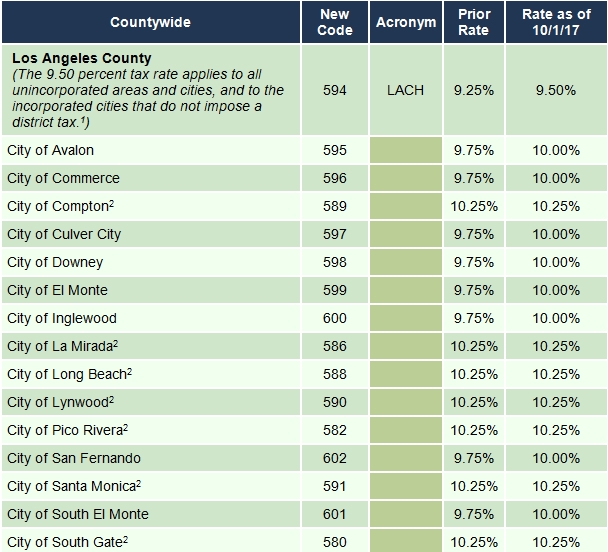
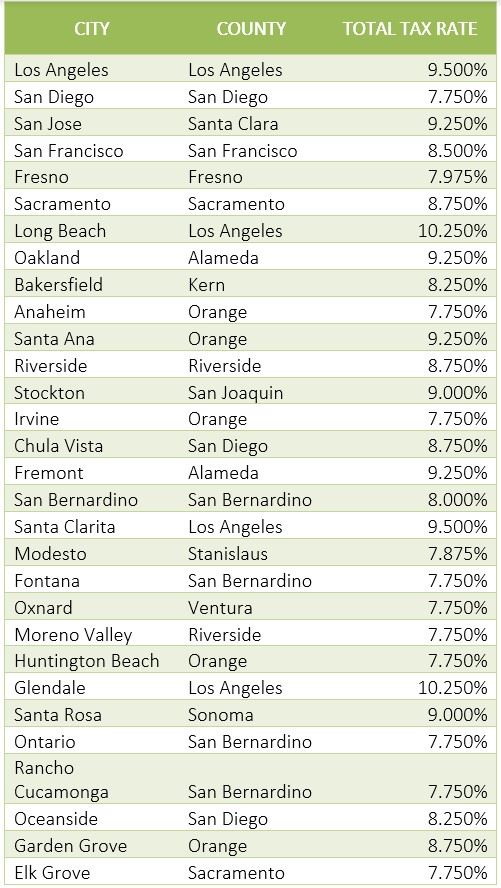
The standard state sales tax rate in California forms the baseline, with additional percentages added by Los Angeles County and specific local districts within the county. This means that the exact sales tax rate can vary slightly depending on the precise location within the greater Los Angeles area. For instance, purchasing a souvenir at Universal Studios Hollywood might incur a slightly different total tax than buying a designer handbag on Rodeo Drive. Understanding these variations is crucial for accurate financial planning, especially for those engaged in significant purchases or operating businesses within the region. The revenue generated from this tax is a substantial contributor to the economic vitality of Southern California, impacting everything from local tourism to the upkeep of iconic attractions.
The State, County, and District Components
The sales tax in Los Angeles is not a monolithic entity but rather a sum of several taxing authorities. The California Department of Tax and Fee Administration (CDTFA) oversees the collection and distribution of state sales and use tax. A portion of this tax goes directly to the state’s general fund, supporting statewide programs and services.
On top of the state levy, Los Angeles County imposes its own sales tax. This countywide tax is often established through voter-approved measures and is dedicated to funding essential county services, such as public safety, infrastructure improvements, and social programs. These county-level taxes are a significant factor in the overall tax burden.
Furthermore, various special districts within Los Angeles County can levy their own sales taxes. These districts are often formed to fund specific projects or services within their boundaries, such as public transportation improvements, park and recreation services, or library funding. Examples might include district taxes for transit agencies or for local park improvements. The presence and rate of these district taxes can lead to variations in the total sales tax rate from one city or unincorporated area to another within Los Angeles County. For someone booking a resort in Malibu versus a hotel in Downtown Los Angeles, these district taxes could slightly alter the final bill for goods and services. This intricate system ensures that a wide array of public needs are met, contributing to the overall quality of life for residents and the appeal for visitors exploring the diverse destinations the region offers.
Factors Influencing the Los Angeles Sales Tax Rate
While the general structure of the Los Angeles sales tax is consistent, several factors can influence the specific rate applied to a transaction. These include the exact geographic location of the sale, the type of goods or services being purchased, and any special tax exemptions that might be in effect. Understanding these nuances is crucial for both consumers making purchases and businesses responsible for collecting and remitting the tax.
The most significant factor influencing the rate is the precise city and zip code within Los Angeles County. Different cities may be subject to different district taxes, leading to variations in the final sales tax percentage. This can be particularly relevant for travelers moving between different neighborhoods or planning day trips to various parts of the vast county. For example, someone staying at a hotel in Santa Monica might encounter a different sales tax rate on their purchases than someone staying in Pasadena. The complexity of these district taxes underscores the need for consumers and businesses to stay informed about the specific rates applicable to their location. Even seemingly minor differences can add up over multiple transactions, impacting budgets for family trips or business stays.
Taxability of Goods and Services
Not all items and services are subject to sales tax at the same rate, or at all. The California Department of Tax and Fee Administration provides detailed guidance on what is considered taxable. Generally, tangible personal property, such as clothing, electronics, furniture, and vehicles, is subject to sales tax. However, there are many exceptions and specific rules. For instance, groceries purchased for home consumption are typically exempt from sales tax, while prepared foods sold for immediate consumption are generally taxable. This distinction is important for foodies exploring Los Angeles and looking for local culinary experiences.
Certain services are also subject to sales tax in California, although the list of taxable services has historically been more limited than for tangible goods. Examples of taxable services can include certain types of repair and maintenance services, information services, and telecommunications services. The taxability of services can be complex and is subject to ongoing legislative changes. For businesses operating in Los Angeles, understanding these rules is paramount to ensure compliance and avoid penalties. This includes businesses in the accommodation sector, which may have to consider the taxability of amenities or services offered to guests, beyond the basic room rate.
Special Tax Exemptions and Credits
To encourage certain economic activities or to provide relief to specific groups, California and Los Angeles offer various sales tax exemptions and credits. These can range from exemptions for certain agricultural products and manufacturing equipment to credits for businesses investing in new technologies or creating jobs. For consumers, there might be exemptions for essential items or for purchases made under specific circumstances. For example, certain food items are exempt, and there can be exemptions for vehicles purchased by qualifying disabled individuals.
One area where exemptions are particularly relevant for travelers is related to business travel. While most expenses incurred by individuals during a trip are subject to sales tax, some business-related purchases might have specific rules or allowances. Understanding these exemptions can help individuals and businesses optimize their spending. Additionally, the state and local governments may implement temporary tax relief measures or special programs that affect sales tax rates for specific periods or for particular industries. Staying abreast of these developments is essential for businesses, especially those in the bustling tourism sector, which includes everything from the grand resorts to small boutique hotels and the numerous attractions that draw visitors to the Los Angeles area.
The Impact of Los Angeles Sales Tax on Travel and Lifestyle
The sales tax in Los Angeles has a tangible impact on the cost of living and visiting the region, influencing decisions related to travel, lifestyle, and even long-term accommodation. For travelers, understanding these costs is a key part of the budgeting process. A significant portion of a vacation budget is allocated to purchases, from dining out and shopping for souvenirs to booking hotels and paying for admission to attractions like Disneyland or Griffith Observatory. The cumulative effect of sales tax on these expenses can be substantial, particularly for extended stays or for those who enjoy indulging in the many experiences that Los Angeles offers.
For individuals considering long-term stays or relocating to Los Angeles, the sales tax is an ongoing consideration for everyday expenses. The cost of furnishing an apartment, purchasing groceries, or acquiring personal goods is all subject to this tax. This can influence lifestyle choices, with some residents perhaps opting for budget travel options or being more mindful of their spending habits. The perception of Los Angeles as a hub for luxury travel is also indirectly shaped by the tax structure, as higher-priced goods and services will naturally incur higher sales tax amounts.
Budgeting for Your Los Angeles Visit
When planning a trip to Los Angeles, incorporating sales tax into your budget is a crucial step for financial prudence. While hotel rates and flight costs are often the primary considerations, the aggregate impact of sales tax on meals, shopping, entertainment, and local transportation can significantly alter the overall expense. For instance, a dinner at a fine-dining establishment on Sunset Boulevard or a shopping spree on Melrose Avenue will have their listed prices increased by the applicable sales tax.
Travelers should factor in the current sales tax rate for the specific areas they plan to visit. Websites of the CDTFA and local government agencies often provide updated tax rate information. It is also wise to mentally add an approximate percentage to the displayed price of goods and services to get a realistic idea of the final cost. This proactive approach to budgeting can prevent unexpected financial strain and allow for a more enjoyable and stress-free travel experience. This applies equally to those seeking the ultimate resort experience or opting for more modest accommodation.

Sales Tax and the Los Angeles Economy
The sales tax is a cornerstone of Los Angeles and California’s fiscal health. The revenue generated contributes to the maintenance and improvement of vital public services that enhance the quality of life for residents and the appeal for visitors. This includes funding for public transportation networks, such as the Los Angeles County Metropolitan Transportation Authority, which is essential for navigating the sprawling city and reaching its many landmarks. The tax also supports parks, libraries, law enforcement, and emergency services, all of which are critical for a thriving urban environment.
Furthermore, the sales tax revenue plays a role in supporting the robust tourism industry, which is a significant economic driver for Los Angeles. A portion of the tax collected from tourist spending can be reinvested into marketing Los Angeles as a premier travel destination, promoting its diverse attractions and cultural offerings. This creates a cyclical benefit where revenue from visitors helps to fund the very infrastructure and attractions that draw them in the first place. From world-class museums like The Getty Center to the entertainment hubs of Hollywood, the sales tax ensures these landmarks remain vibrant and accessible for generations to come. Businesses, from small boutiques to major hotels, benefit from this economic ecosystem, which is partly sustained by the consistent collection of sales tax.
LifeOutOfTheBox is a participant in the Amazon Services LLC Associates Program, an affiliate advertising program designed to provide a means for sites to earn advertising fees by advertising and linking to Amazon.com. Amazon, the Amazon logo, AmazonSupply, and the AmazonSupply logo are trademarks of Amazon.com, Inc. or its affiliates. As an Amazon Associate we earn affiliate commissions from qualifying purchases.