
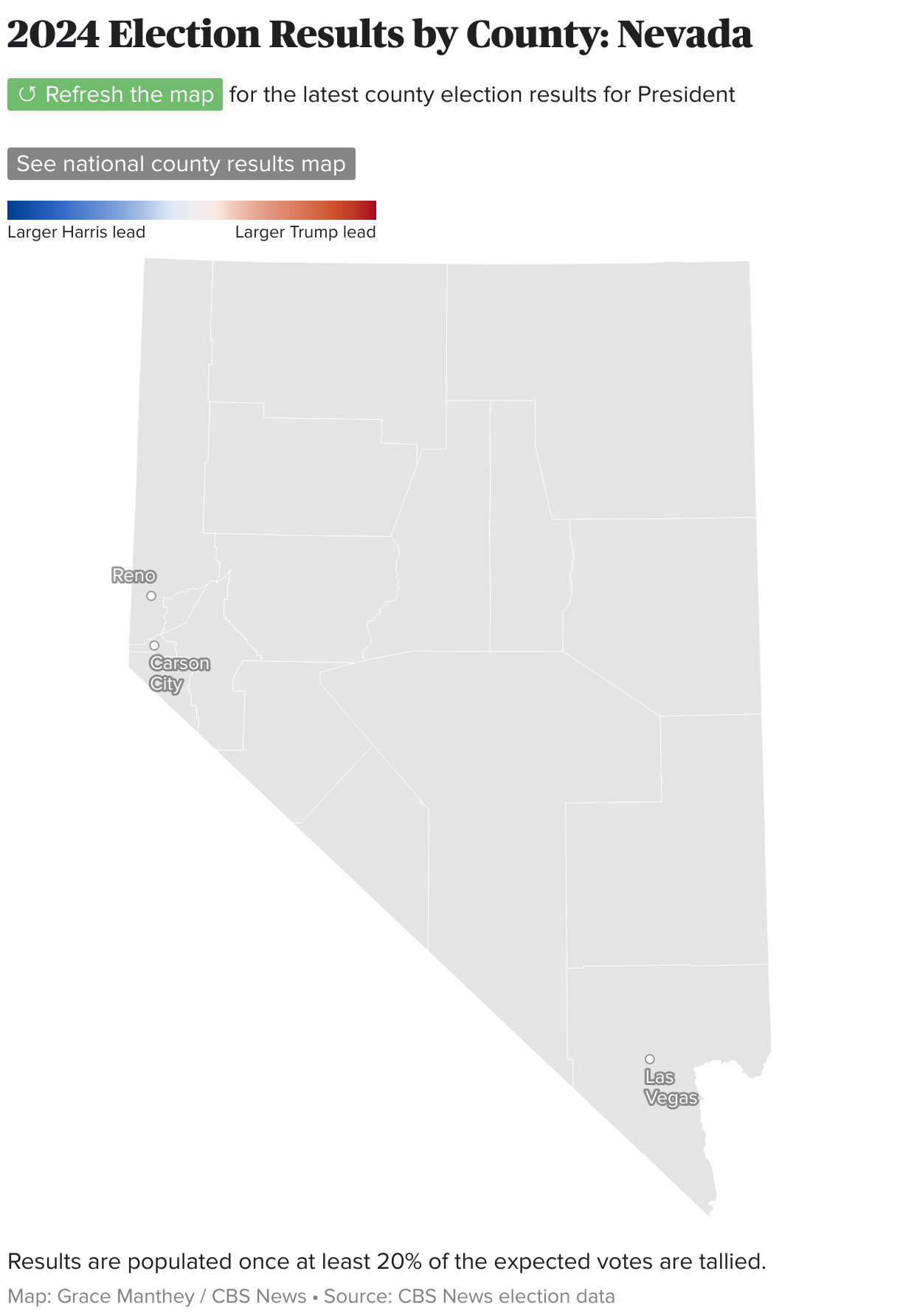
The electoral map, a tapestry of states painted red or blue, often presents a clear picture of the United States’ political landscape. Yet, sometimes, a state remains conspicuously uncolored, a blank space on the electoral board, prompting the question: “Why Hasn’t Nevada Been Called?” This phenomenon, while seemingly simple, is deeply rooted in the intricacies of the electoral process, the unique demographics of the state, and the inherent challenges of accurately and reliably counting every vote. Nevada, with its distinctive character and evolving population, often finds itself at the center of such electoral suspense.
The state of Nevada, often synonymous with the glittering lights of Las Vegas and the stark beauty of its desert landscapes, is far more than just a gambling mecca. It’s a complex tapestry woven from diverse communities, a growing population, and an economy that balances tourism with emerging industries. Understanding why Nevada’s electoral calls can be delayed requires a deep dive into the state’s electoral system, its geographical diversity, and the types of votes that contribute to its final tally. From the bustling urban centers to the more remote rural areas, each vote carries weight, and the process of ensuring every voice is heard can take time.
The Nuts and Bolts of Nevada’s Electoral Process
Nevada’s electoral system, like those in many other states, is designed to ensure accuracy and integrity. However, certain mechanisms within this system can contribute to delays in calling the election. The state’s election laws, particularly concerning absentee ballots, mail-in voting, and provisional ballots, are crucial to understanding these delays.
Absentee and Mail-In Ballots: A Growing Factor
In recent years, the prevalence of absentee and mail-in voting has surged across the United States, and Nevada is no exception. These methods offer convenience and accessibility, allowing more citizens to participate in the democratic process. However, they also introduce a different timeline for vote tabulation.
Unlike in-person voting on Election Day, which is typically counted immediately, absentee and mail-in ballots often arrive at election offices over a period leading up to and even after Election Day. Nevada law allows election officials to begin processing mail-in ballots before Election Day, but they cannot be tallied until polls close. This allows for quicker tabulation once the voting period ends, but the sheer volume can still create a backlog. Furthermore, ballots postmarked by Election Day and received within a certain number of days afterward are considered valid. This grace period, while essential for voter access, means that the final count isn’t complete until all legally permissible ballots have arrived and been processed.
Provisional Ballots: Ensuring Every Vote Counts
Provisional ballots are another element that can contribute to a delay in calling an election. These ballots are issued to voters when there are questions about their eligibility at the polling place, such as a discrepancy in registration or identification. The voter casts a provisional ballot, which is then set aside and reviewed by election officials after Election Day. If the election officials determine that the voter was indeed eligible, their provisional ballot is counted. This verification process, while vital for ensuring the integrity of the vote, adds an extra layer of administrative work that can extend the time it takes to finalize the results.
The Role of Nevada’s Diverse Geography
Nevada’s electoral process is also influenced by its unique geography. The state is characterized by vast stretches of sparsely populated desert, interspersed with more densely populated urban areas, primarily in the southern and northern parts of the state.
Urban Centers vs. Rural Areas
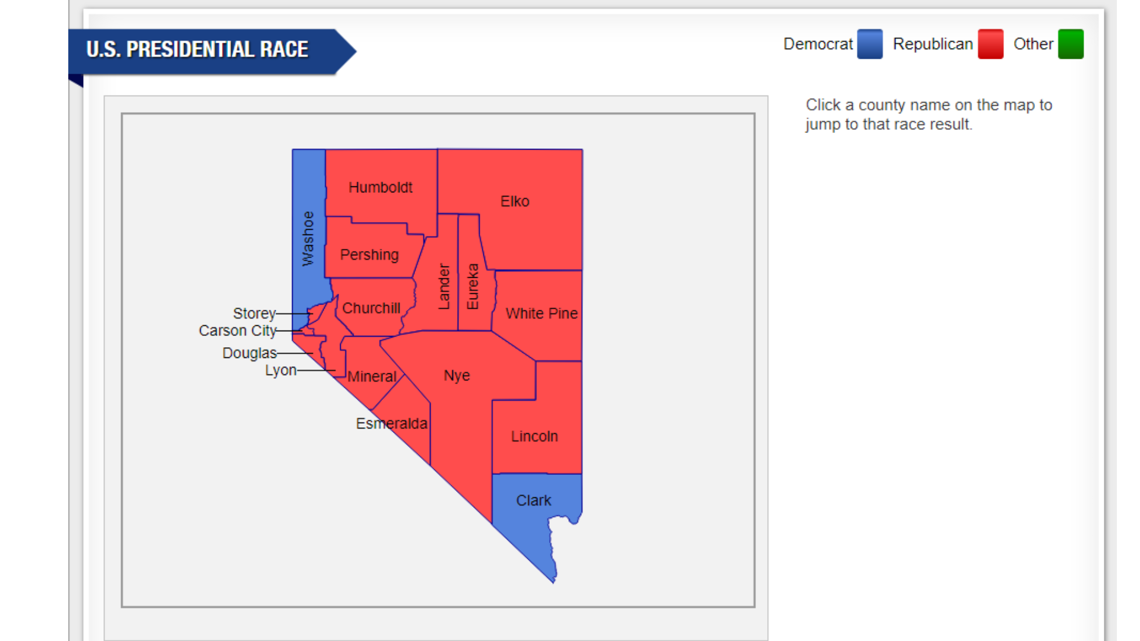
The major population centers, such as Clark County (which includes Las Vegas) and Washoe County (which includes Reno), generate the majority of the votes. These counties often have more sophisticated infrastructure and resources for vote tabulation. However, the sheer volume of ballots from these areas, especially with the increase in mail-in voting, can take time to process and report.
In contrast, the more rural counties, while having fewer votes, may have different logistical challenges in collecting and reporting their results. The distances involved, potential for slower internet connectivity for electronic reporting, and fewer resources can mean that the results from these areas take longer to reach the central tabulation points. When election outcomes hinge on slim margins, the aggregation of these disparate reporting times from across the state can lead to the protracted suspense that characterizes a Nevada election call.

Factors Influencing the “Call” in Nevada
Beyond the procedural aspects of vote counting, several other factors can contribute to the time it takes to declare a winner in Nevada. The closeness of the race, the margin of victory, and the reporting pace of different counties all play significant roles.
The Margin of Victory: When Every Vote Matters
One of the most significant reasons for a delayed call is a close election. When the margin between candidates is razor-thin, election officials are meticulous in their count. Every absentee ballot, every provisional ballot, and every precinct’s final tally is scrutinized. In such scenarios, there is no room for error, and the process of double-checking and confirming results can extend for days. A difference of just a few hundred or even a few dozen votes can mean the difference between a swift declaration and a drawn-out period of anticipation.
Nevada’s history has seen elections decided by very narrow margins, making this a recurring factor in delayed calls. The state’s voting population is diverse, with a significant portion of independent voters and a fluctuating presence of voters leaning towards different parties, making its electoral landscape competitive.
Reporting Pace and Data Aggregation
The speed at which different counties report their results can also impact the overall call. While major urban counties might have robust systems for near real-time reporting, smaller or more remote counties may have slower processes. The aggregation of these diverse reporting speeds into a statewide total creates a dynamic picture that evolves over time.
Furthermore, the “unofficial results” that are often reported on Election Night are subject to change as more absentee and mail-in ballots are processed and provisional ballots are verified. The official results, which are canvassed and certified later, are the definitive outcome. The gap between the initial reporting and the final certification can be several days, particularly if the election is close.
Nevada’s Unique Electoral Landscape and Future Implications
Nevada’s evolving demographics and its unique political leanings contribute to its frequent position as a key swing state, often dictating the pace of election calls. Its growing population, shifts in suburban voting patterns, and the influence of its significant tourism and service industries all add layers of complexity to its electoral outcomes.
The Impact of a Dynamic Electorate
Nevada has experienced significant population growth in recent decades, with an influx of residents from other states, bringing diverse political perspectives. This dynamic electorate means that traditional political alignments can shift, making elections more competitive and unpredictable. The state’s economy, heavily reliant on hospitality and entertainment sectors, can also influence voting patterns, as economic conditions often play a significant role in voter sentiment.
The Future of “Calling” Nevada
As Nevada continues to grow and its electorate diversifies, the intricacies of its vote-counting process are likely to remain a focal point in national elections. The state’s commitment to accessible voting methods, such as mail-in ballots, while commendable for voter participation, will continue to necessitate patience as the final counts are meticulously compiled.
The question of “Why Hasn’t Nevada Been Called?” is not a sign of dysfunction, but rather a testament to a democratic process that prioritizes accuracy and inclusivity. It reflects a state that is actively engaged in ensuring every eligible vote is cast and counted, even if that means a longer period of anticipation for the final electoral map to be fully colored. As technology advances and election processes are continually refined, the timeframes for calling states like Nevada may evolve, but the fundamental principle of thorough and accurate vote tabulation will undoubtedly remain paramount. The anticipation, while sometimes frustrating, is a small price to pay for a verified and legitimate democratic outcome.
LifeOutOfTheBox is a participant in the Amazon Services LLC Associates Program, an affiliate advertising program designed to provide a means for sites to earn advertising fees by advertising and linking to Amazon.com. Amazon, the Amazon logo, AmazonSupply, and the AmazonSupply logo are trademarks of Amazon.com, Inc. or its affiliates. As an Amazon Associate we earn affiliate commissions from qualifying purchases.