
For countless travelers venturing into the heart of the American Southwest, the allure of the Grand Canyon is undeniable. This monumental chasm, carved by the Colorado River over millions of years, stands as one of the planet’s most awe-inspiring natural wonders. When planning a visit, a crucial question often arises: “How far is Flagstaff, Arizona from Grand Canyon?” The answer is not merely a number of miles, but an invitation to discover a convenient and enriching travel experience.
Flagstaff, often dubbed “The City of Seven Wonders,” serves as an excellent gateway city for exploring the Grand Canyon’s magnificent South Rim. While not directly adjacent, the proximity is close enough to make it an ideal base for day trips, offering a blend of urban amenities and high-altitude charm just a short drive from one of the world’s most famous natural landmarks. Understanding this distance and the journey involved is key to crafting an unforgettable Arizona adventure.
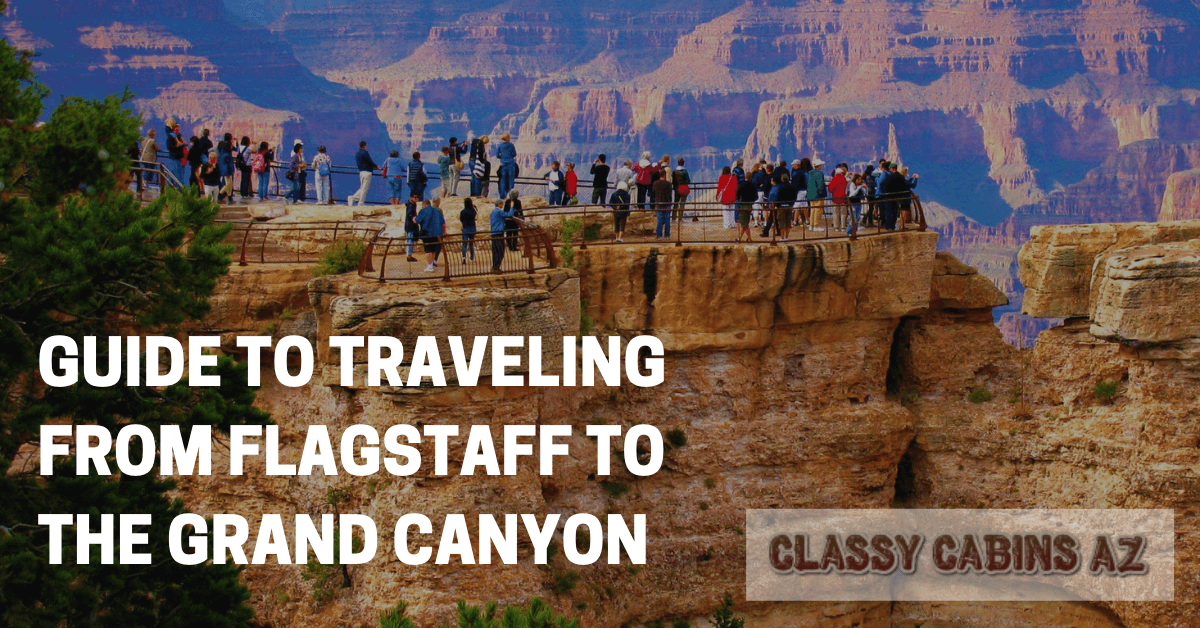
The Essential Distance: A Gateway to Grandeur
The journey from Flagstaff to the Grand Canyon is a relatively straightforward and scenic drive, making it a popular option for visitors seeking accommodation and services outside the national park itself. The ease of access from Flagstaff allows travelers to maximize their time exploring the canyon while enjoying the comforts of a vibrant mountain town.
Direct Routes and Driving Times
The most visited part of the Grand Canyon is its South Rim, home to Grand Canyon Village and most of the accessible viewpoints. From Flagstaff, there are primarily two main routes to reach the South Rim, both offering distinct advantages and scenic appeal.
The most common and fastest route typically involves taking U.S. Route 180 northwest directly from Flagstaff towards the Grand Canyon National Park South Rim entrance. This route covers approximately 80 to 90 miles, depending on your specific starting point in Flagstaff and your destination within the park, such as Grand Canyon Village. The driving time for this route is generally between 1 hour and 30 minutes to 1 hour and 45 minutes, assuming good road conditions and minimal traffic. It’s a relatively direct shot through forested landscapes, gradually gaining elevation as you approach the canyon.
An alternative, slightly longer, but historically significant route involves heading west on Interstate 40 from Flagstaff to the town of Williams, which is about 30 miles away. From Williams, you then take Arizona State Route 64 (also known as the Grand Canyon Highway) north for approximately 60 miles directly to the South Rim entrance. This route totals around 90-100 miles, with a driving time of roughly 1 hour and 45 minutes to 2 hours. While a bit longer, it offers the option to stop in Williams, a charming historic town along Route 66, known for its railway history and as the home of the Grand Canyon Railway.
It’s important to remember that these times are estimates. Factors such as weather conditions (especially in winter with snow), road construction, and peak season tourist traffic can all influence actual travel times. Early morning departures are always recommended to avoid crowds and ensure ample time at the Grand Canyon.
Why Flagstaff is an Ideal Base
Flagstaff’s appeal as a base for Grand Canyon visitors stems from several key advantages. Firstly, its strategic location at the crossroads of Interstate 40 and U.S. Route 89 makes it highly accessible from various parts of the country. Secondly, Flagstaff boasts a wider range of accommodation options compared to the limited and often fully booked lodges within the national park itself. From budget-friendly motels to upscale hotels and charming bed & breakfasts, there’s something to suit every preference and pocket.
Beyond lodging, Flagstaff offers a vibrant culinary scene, diverse shopping opportunities, and a relaxed, welcoming atmosphere. Its elevation at nearly 7,000 feet provides a cooler climate, especially during the hot Arizona summers, making it a comfortable retreat after a day of canyon exploration. The town also serves as a hub for other spectacular natural attractions, allowing travelers to combine their Grand Canyon visit with trips to places like Sedona, Oak Creek Canyon, Wupatki National Monument, and Sunset Crater Volcano National Monument.
Navigating the Journey: Practical Considerations
A trip to the Grand Canyon from Flagstaff requires a bit of planning to ensure a smooth and enjoyable experience. From selecting your transportation to understanding the best times to visit, thoughtful preparation can significantly enhance your adventure.
Choosing Your Mode of Transport
The most popular way to travel from Flagstaff to the Grand Canyon is by personal vehicle or rental car. This offers the ultimate flexibility to stop at scenic points, spend as much time as you like at various viewpoints, and explore at your own pace. Car rental agencies are readily available in Flagstaff and at nearby Phoenix Sky Harbor International Airport.
For those who prefer not to drive, several shuttle services and organized tours operate daily from Flagstaff to the Grand Canyon. These tours often include transportation, a knowledgeable guide, and sometimes lunch, providing a stress-free way to experience the canyon. They eliminate the need for navigation, parking, and gas, allowing visitors to simply relax and take in the sights. This can be particularly beneficial for solo travelers or those unfamiliar with driving in the region.
Another unique option, if you choose the Williams route, is the Grand Canyon Railway. This historic train departs from Williams and takes passengers on a scenic two-hour journey directly to the South Rim, often accompanied by cowboy entertainment and insightful commentary. While it means driving to Williams first, it offers a nostalgic and memorable way to arrive at the canyon.

Best Time to Travel
The Grand Canyon is a year-round destination, but the “best” time to travel depends on your preferences.
- Spring (April-May) and Fall (September-October): These shoulder seasons are generally considered ideal. The weather is pleasant with moderate temperatures, crowds are thinner than in summer, and the natural light for photography is often spectacular.
- Summer (June-August): This is peak tourist season. While the weather on the South Rim is typically warm and sunny, it can be hot, and the park sees the highest number of visitors. Expect larger crowds, longer waits, and potentially fully booked accommodations. Book everything well in advance if traveling during summer.
- Winter (November-March): The South Rim offers a unique and serene experience in winter, often blanketed in snow, creating breathtaking contrasts with the red rock. Crowds are minimal. However, temperatures can be very cold, and some roads or trails may be closed due to snow and ice. Always check road conditions with the National Park Service before heading out.
Preparing for the Drive
Regardless of your chosen route, a little preparation goes a long way.
- Vehicle Check: Ensure your car is in good condition, especially tires, brakes, and fluid levels. If renting, confirm unlimited mileage.
- Navigation: While cell service can be spotty in remote areas, print or download offline maps. GPS devices are reliable.
- Supplies: Carry plenty of water, snacks, and a first-aid kit. Sunscreen, hats, and sunglasses are essential year-round.
- Layered Clothing: Temperatures can fluctuate significantly throughout the day and with elevation changes. Dress in layers.
- Gas: Fill up your tank in Flagstaff before heading to the canyon, as gas stations are sparse and more expensive closer to the park.
Beyond the Miles: What to See Along the Way
The journey from Flagstaff to the Grand Canyon is more than just a means to an end; it’s an opportunity to discover additional wonders of Northern Arizona. Incorporating stops along the way can transform a simple drive into an extended exploration.
Scenic Detours and Stops
If time permits, consider these enriching detours:
- Wupatki National Monument and Sunset Crater Volcano National Monument: Located northeast of Flagstaff off U.S. Route 89 (a common route to the Grand Canyon’s east entrance), these two parks offer a fascinating glimpse into ancient pueblo life and a geologically recent volcanic landscape. You can explore ancient ruins and walk among cinder cones and lava flows.
- Williams and Route 66: If you take the I-40 route, a stop in Williams is highly recommended. This nostalgic town preserves much of its Route 66 charm with historic diners, shops, and classic car displays. It’s also where the Grand Canyon Railway departs.
- Oak Creek Canyon and Sedona: While not directly on the path to the Grand Canyon, a slight detour south from Flagstaff (about 30 minutes) leads to the breathtaking red rock country of Sedona and the stunning drive through Oak Creek Canyon. This adds significant travel time but offers unparalleled scenery and spiritual experiences. It’s often visited as a separate day trip or integrated into a multi-day itinerary.
Enhancing Your Grand Canyon Experience
Once you arrive at the Grand Canyon’s South Rim, make the most of your visit:
- Sunrise/Sunset: These times offer the most dramatic views and photographic opportunities, with the canyon’s colors changing dynamically.
- Shuttle System: Utilize the free shuttle bus system within the park, especially for accessing viewpoints along the Hermit Road (closed to private vehicles for much of the year) and Desert View Drive.
- Visitor Centers: Stop at the main Grand Canyon Visitor Center for maps, ranger programs, and up-to-date information.
- Hiking: Even short walks along the rim trails offer incredible perspectives. For the more adventurous, consider a portion of the Bright Angel or Kaibab Trails, but remember that descending is easier than ascending.
- East Entrance: If you entered via U.S. Route 180 and Arizona State Route 64 from Williams, consider exiting via the east entrance on Desert View Drive to U.S. Route 89 to vary your return journey to Flagstaff. This route offers stunning views from the Desert View Watchtower.
Making Flagstaff Your Grand Canyon Hub
Choosing Flagstaff as your home base for a Grand Canyon adventure offers a perfect blend of convenience, comfort, and additional exploration opportunities.
Why Stay in Flagstaff?
Flagstaff provides all the necessary amenities for travelers, from diverse dining options to grocery stores and fuel services. Its downtown area is charming, with historic buildings, breweries, and art galleries. Beyond its role as a Grand Canyon gateway, Flagstaff is a destination in itself. Visitors can explore the stars at Lowell Observatory, hike in the San Francisco Peaks, or hit the slopes at Arizona Snowbowl in winter. The cooler climate, vibrant community, and abundance of outdoor activities make it an attractive place to unwind after a day of sightseeing.
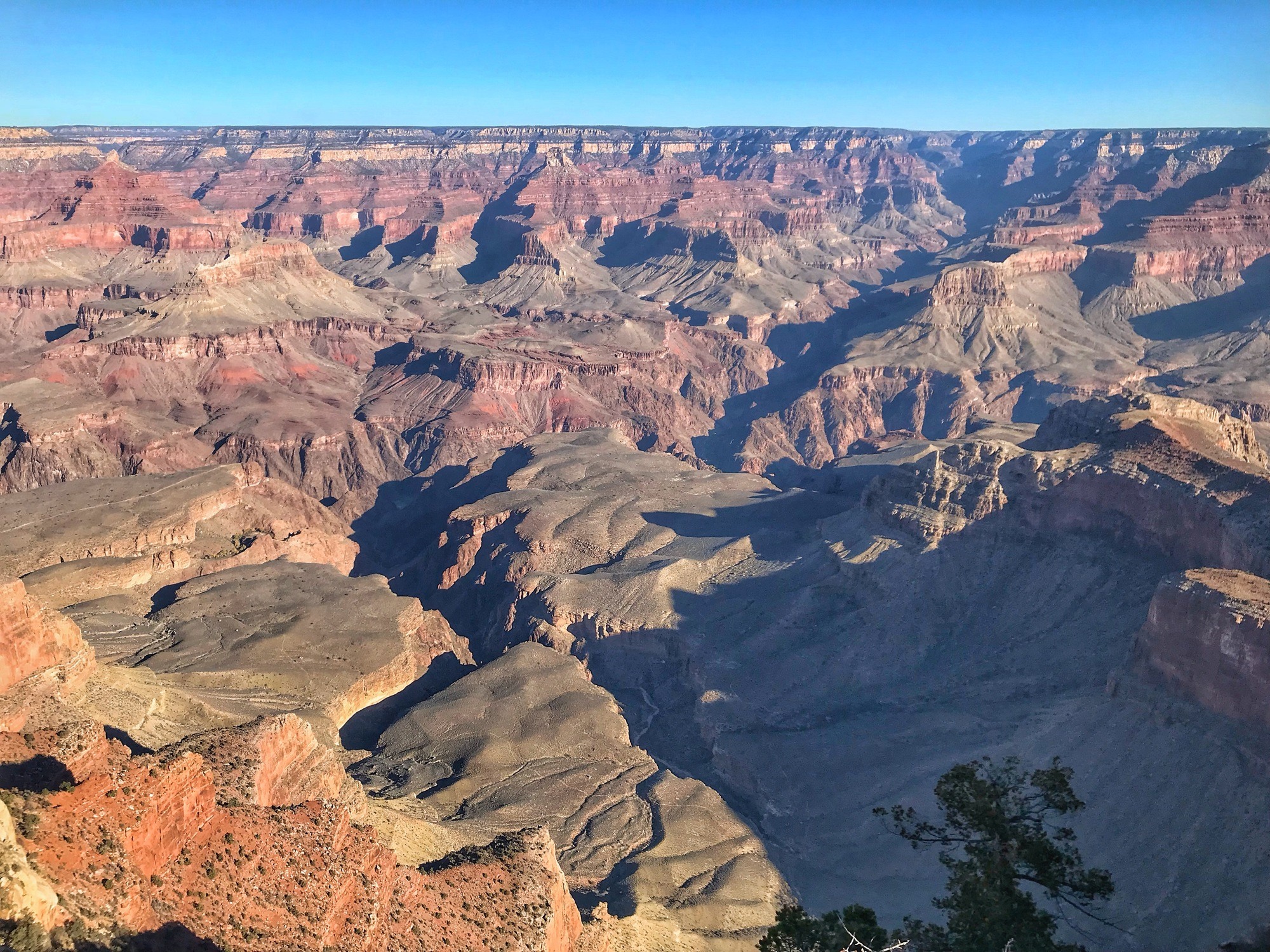
Combining Experiences
The strategic location of Flagstaff makes it ideal for multi-day itineraries that go beyond just the Grand Canyon. You could dedicate one day to the Grand Canyon’s South Rim, another to exploring Sedona and Oak Creek Canyon, and perhaps a third day to visiting the ancient ruins at Wupatki National Monument and the volcanic landscapes of Sunset Crater Volcano National Monument, all while returning to the same comfortable lodging in Flagstaff each evening. This approach minimizes packing and unpacking, allowing for a more relaxed and immersive travel experience in Northern Arizona.
In conclusion, the distance from Flagstaff, Arizona to the Grand Canyon is a manageable and highly rewarding drive of approximately 80 to 100 miles, taking about 1.5 to 2 hours. This proximity, coupled with Flagstaff’s robust infrastructure and appealing atmosphere, firmly establishes it as the premier hub for experiencing the awe-inspiring majesty of the Grand Canyon and the diverse beauty of the surrounding Arizona landscape. By basing yourself in Flagstaff, you unlock a journey filled with convenience, adventure, and unforgettable memories.
LifeOutOfTheBox is a participant in the Amazon Services LLC Associates Program, an affiliate advertising program designed to provide a means for sites to earn advertising fees by advertising and linking to Amazon.com. Amazon, the Amazon logo, AmazonSupply, and the AmazonSupply logo are trademarks of Amazon.com, Inc. or its affiliates. As an Amazon Associate we earn affiliate commissions from qualifying purchases.