
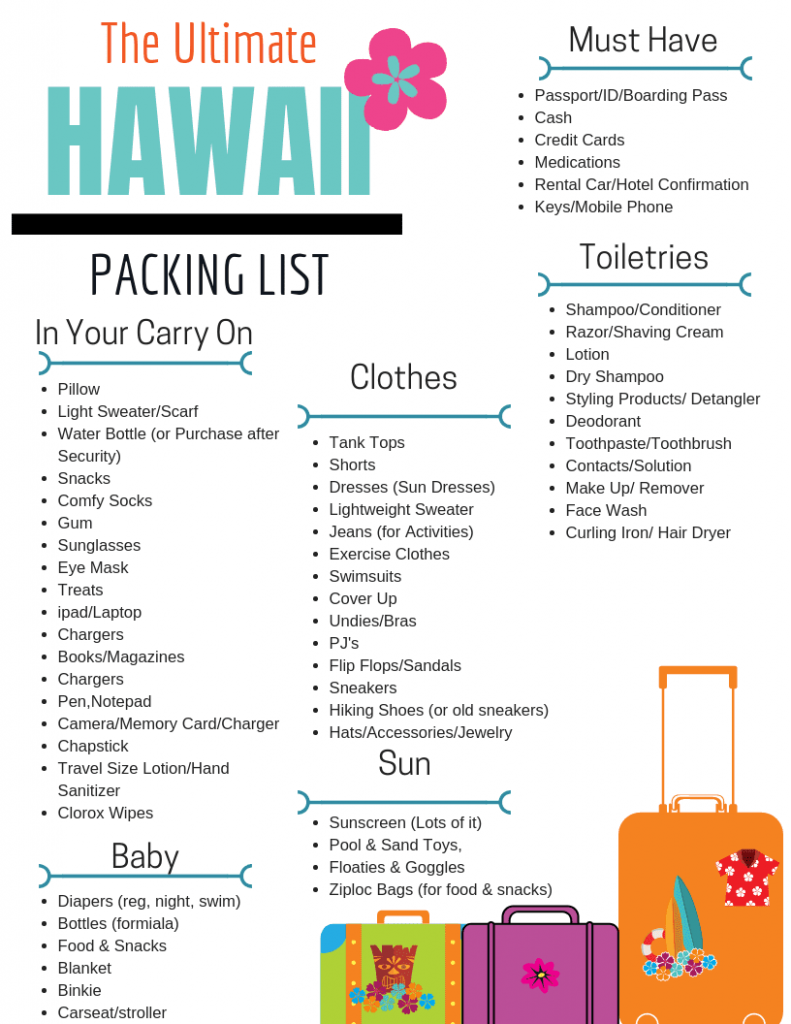
Preparing for a journey to Hawaii requires more than just throwing a few swimsuits into a suitcase. While these islands in the Pacific Ocean are synonymous with tropical relaxation, the diverse landscapes—ranging from snow-capped peaks to dense rainforests and volcanic deserts—demand a strategic approach to packing. Whether you are heading to the bustling streets of Honolulu or the secluded cliffs of the Na Pali Coast, your luggage should reflect the multifaceted nature of the United States fifty-first state. This guide provides a professional and comprehensive breakdown of what you need to bring to ensure your island getaway is comfortable, respectful, and adventurous.

Understanding the Hawaiian Microclimates and Terrain
One of the most common mistakes travelers make when visiting Hawaii is assuming the weather is uniform across all islands. In reality, the archipelago is home to a staggering number of microclimates. Understanding where you are going is the first step in packing effectively.
Coastal Regions and Sunny Beaches
For the majority of travelers staying in resort areas like Waikiki Beach on Oahu or Kaanapali Beach on Maui, the climate is predictably warm and balmy. Daytime temperatures usually hover around 80°F (27°C). Light, breathable fabrics are essential here. However, the trade winds can bring occasional evening chills, especially if you are staying at a beachfront property like the Hilton Hawaiian Village. A light cardigan or a linen button-down is often enough to stay comfortable during a sunset dinner.
High-Altitude Adventures and Volcanic Peaks
If your itinerary includes a sunrise trek to Haleakala National Park or a stargazing tour atop Mauna Kea, you must pack for freezing temperatures. It is not uncommon for temperatures at these elevations to drop below 32°F (0°C). Many visitors are caught off guard, shivering in shorts while waiting for the sun to rise over the crater. For these excursions, a packable down jacket, warm leggings, and even a beanie are necessary. Similarly, exploring the Volcanoes National Park on the Big Island requires sturdy footwear and layers to handle the shifting winds and cooler air near the Kilauea caldera.
Rainforests and Lush Valleys
Kauai, often called the Garden Isle, is home to Mount Waialeale, one of the wettest spots on Earth. If you plan on hiking the Waimea Canyon or driving the Road to Hana in Maui, a high-quality, lightweight raincoat is non-negotiable. The tropical rain in Hawaii can be sudden and intense, but it is often brief. Quick-dry clothing is your best friend in these environments, preventing the discomfort of damp fabric in high humidity.
Essential Apparel for Every Island Experience
Selecting the right clothing for Hawaii is a balance between functionality and the local “Aloha Chic” aesthetic. While the islands are generally casual, there are nuances to dressing appropriately for different settings.
Beachwear and Water Activities
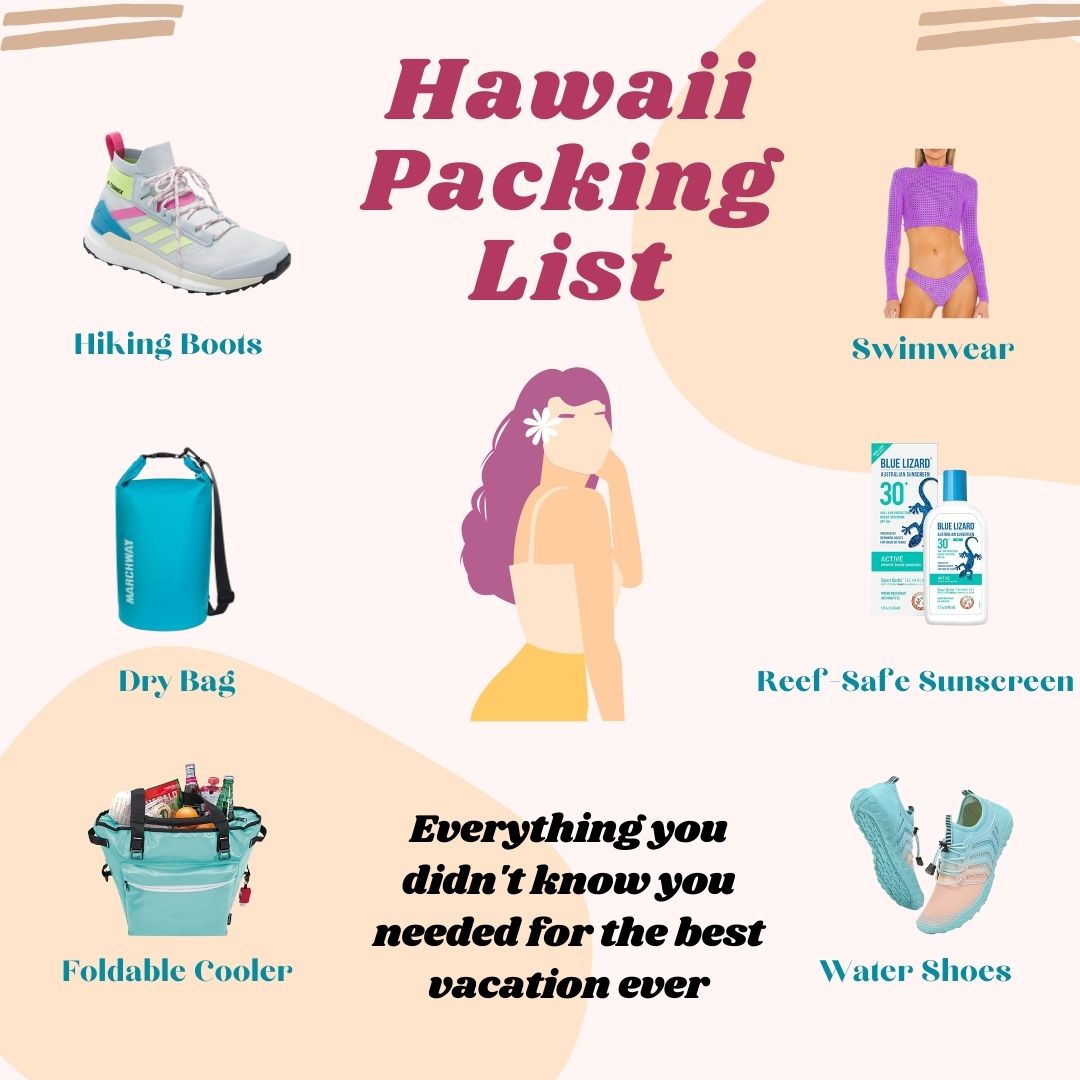
Naturally, swimwear is at the top of the list. However, if you plan on snorkeling at Hanauma Bay or Molokini Crater, consider bringing a long-sleeved rash guard. Not only does this provide an extra layer of protection against jellyfish or coral scrapes, but it also significantly reduces the amount of sunscreen you need to apply, protecting the delicate marine ecosystems. For those staying at family-centric resorts like Aulani, A Disney Resort & Spa, multiple swimsuits are recommended so you always have a dry one ready for the next pool session.
Hiking Gear for Rugged Trails
Hawaii offers some of the most spectacular hiking in the world. Scaling Diamond Head for a panoramic view of the coastline or trekking through the Akaka Falls State Park requires more than just flip-flops. While “slippers” (as locals call them) are fine for the beach, you need trail shoes or hiking sandals with excellent grip for the often-muddy and volcanic terrain. Don’t forget moisture-wicking socks to prevent blisters during long walks through Lahaina or along the North Shore.
Evening Attire for “Aloha Chic” Dining
When evening falls, many visitors head to upscale dining establishments such as the Four Seasons Resort Maui at Wailea. The standard for “dressed up” in Hawaii is quite different from the mainland. For men, a high-quality Aloha shirt (avoid the neon tourist versions) paired with chinos is perfectly acceptable for even the finest restaurants. For women, a maxi dress or a flowy jumpsuit captures the island vibe perfectly. If you are attending a traditional luau at the Polynesian Cultural Center, comfortable but presentable attire is key.
Must-Have Gear and Gadgets for the Pacific
Beyond clothing, several specialized items will enhance your experience as you move between the islands of Lanai, Molokai, and the more populated hubs.
Underwater Photography and Tech Protection
The crystal-clear waters of Poipu Beach and Kapalua Bay are teeming with sea turtles and tropical fish. To capture these memories, an underwater camera or a high-quality waterproof phone pouch is essential. Furthermore, if you are heading out on a boat tour of the Na Pali Coast, a dry bag is vital for keeping your towels, cameras, and wallets safe from ocean spray.
Eco-Friendly Sun Protection
Hawaii has strict laws regarding sunscreens to protect its coral reefs. It is imperative to pack (or buy locally) sunscreens that do not contain oxybenzone or octinoxate. Look for “reef-safe” mineral-based formulas. Additionally, a wide-brimmed hat and polarized sunglasses are necessary to combat the intense equatorial sun, especially if you are spending the day at the Turtle Bay Resort on the northern edge of Oahu.
Specific Packing Tips for the Main Islands
Every island has a slightly different “personality,” and your packing list might shift slightly depending on your primary destination.
Exploring Oahu and Honolulu
Oahu is the most urban of the islands. If your trip involves visiting Pearl Harbor, remember that security is tight; large bags are not allowed, so a small cross-body bag or a clear bag is a smart inclusion. Because Honolulu is a major metropolitan area with world-class shopping, leave a little extra room in your suitcase for local finds.
Navigating Maui and Kauai
If you are staying at the Grand Hyatt Kauai Resort & Spa, you will likely spend more time in nature. Packing a reusable water bottle is essential here, as the islands are moving toward reducing single-use plastics. For the Road to Hana, a car charger for your phone and a downloaded offline map are crucial, as cell service can be spotty in the dense jungles.
The Volcanic Landscapes of the Big Island
The Big Island is vast, and you may find yourself traveling from the dry, sunny side of Kona to the lush, rainy side of Hilo in a single day. A light, versatile daypack is necessary to carry your various layers. If you plan to hike over old lava flows, choose shoes with thick soles, as the jagged basalt can be incredibly sharp and can even melt thinner rubber soles if the ground is exceptionally hot near active areas.
Packing for Hawaii is about preparing for a series of diverse experiences. By prioritizing breathable fabrics, reef-safe protection, and gear for both the peaks and the valleys, you ensure that your focus remains on the breathtaking beauty of the islands rather than the contents of your suitcase. Whether you are reclining at a luxury resort or trekking through the wilderness, the right preparation allows the spirit of Aloha to truly take center stage.
LifeOutOfTheBox is a participant in the Amazon Services LLC Associates Program, an affiliate advertising program designed to provide a means for sites to earn advertising fees by advertising and linking to Amazon.com. Amazon, the Amazon logo, AmazonSupply, and the AmazonSupply logo are trademarks of Amazon.com, Inc. or its affiliates. As an Amazon Associate we earn affiliate commissions from qualifying purchases.