
Absolutely, you can drive to the Florida Keys, and it is, in fact, the most iconic and rewarding way to experience this stunning archipelago. Far from being an isolated island chain accessible only by air or sea, the Florida Keys are renowned for their incredible 113-mile stretch of road, the Overseas Highway (U.S. 1), which quite literally allows you to drive over the ocean. This engineering marvel connects mainland Florida to Key West, the southernmost point of the continental United States, making an unforgettable Keys road trip an essential bucket-list item for many travelers.
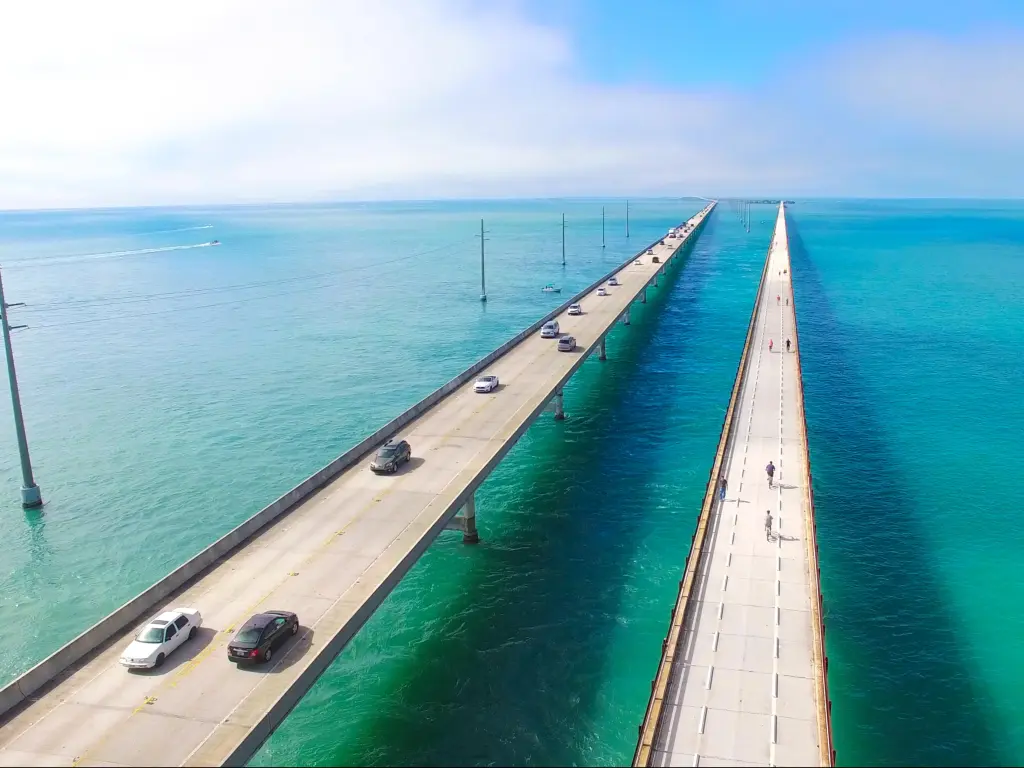
The journey itself is as much a part of the destination as the Keys themselves. Winding through a necklace of islands, across dozens of bridges, and offering breathtaking panoramic views of the turquoise Atlantic Ocean on one side and the calm Gulf of Mexico on the other, the drive is a feast for the senses. It’s an adventure that promises sun-drenched vistas, charming island towns, and a gradual transition into the laid-back, tropical rhythm that defines this unique part of Florida. From the moment you cross the Key Largo sign, you’ll feel the mainland slipping away, replaced by the captivating allure of island life, all accessible from the comfort of your vehicle.
The Iconic Overseas Highway: A Journey Like No Other
The Overseas Highway is more than just a road; it’s a living testament to human ingenuity and a gateway to paradise. Originally built on the remnants of Henry Flagler’s historic Overseas Railroad, which was largely destroyed by the 1935 Labor Day Hurricane, the highway was completed in 1938 and swiftly became celebrated as “The Highway That Goes to Sea.” Today, it remains one of the most scenic drives in the world, inviting travelers to explore the Florida Keys at their own pace.
Navigating the Florida Keys Scenic Highway
The Overseas Highway is designated as a Florida Keys Scenic Highway, reflecting its exceptional natural beauty and cultural significance. As you drive south from mainland Florida, starting around Florida City or Homestead, you’ll officially begin your journey into the Keys. The road is straightforward, primarily a two-lane highway (one in each direction) for much of its length, though sections near larger towns like Key Largo and Marathon may expand to multiple lanes. The beauty of this drive lies in its linearity and the constant presence of the ocean, ensuring that you’re never truly lost and always immersed in the stunning coastal environment. Mile markers (MM) posted alongside the highway count down from around 106 in Key Largo to 0 in Key West, serving as invaluable navigational aids for locating specific attractions, restaurants, or your chosen accommodation.
Key Bridges and Vista Points
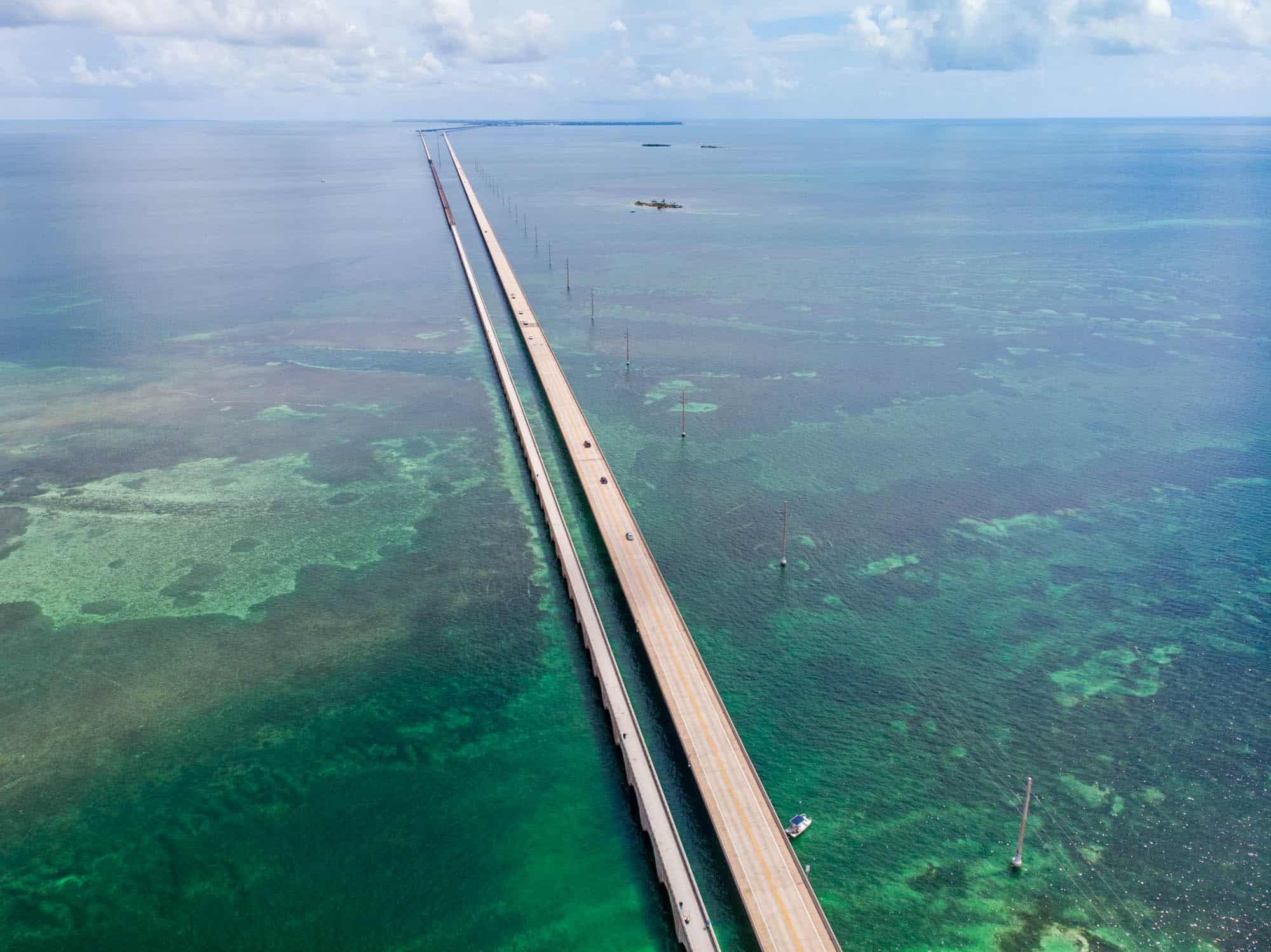
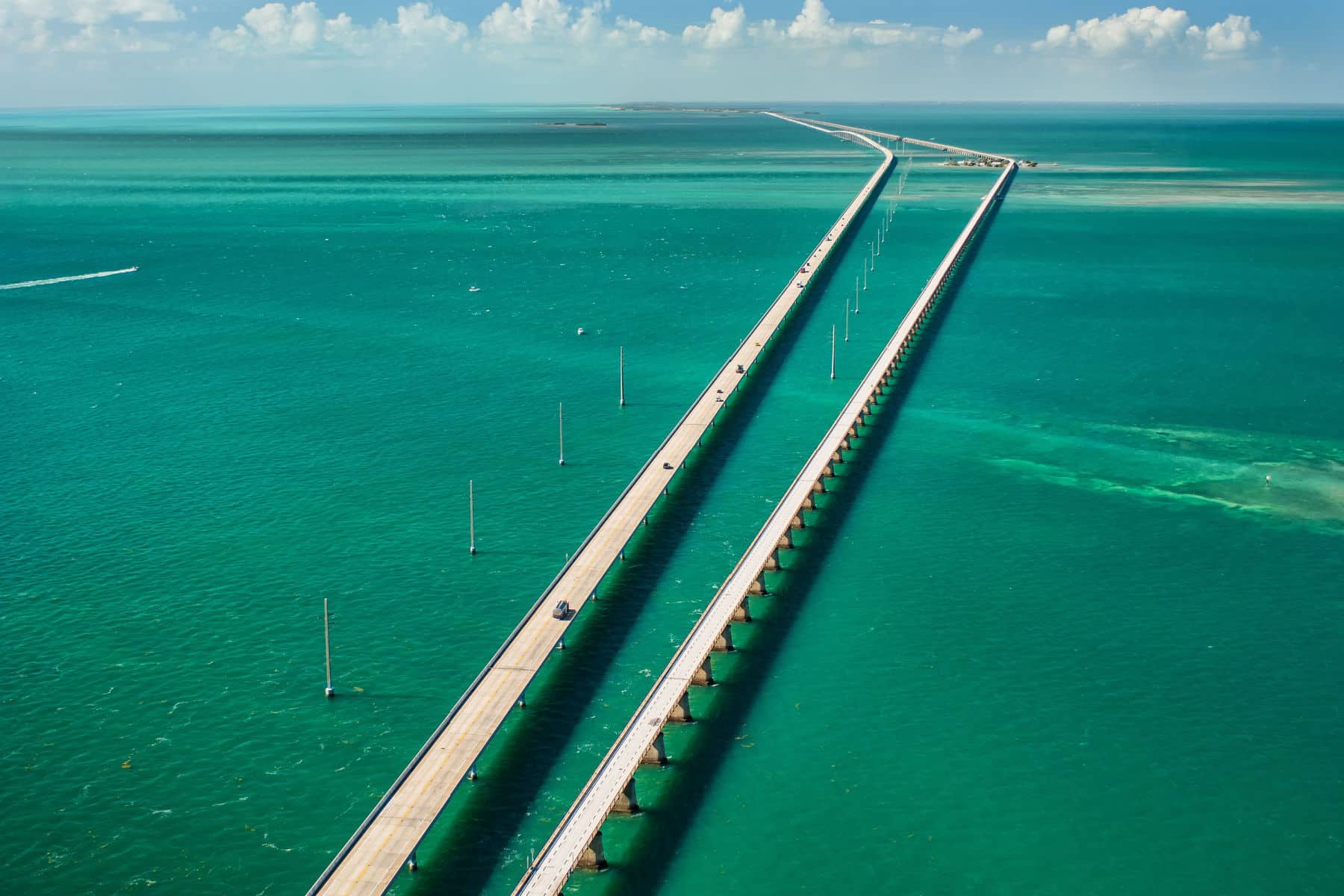
The most iconic features of the Overseas Highway are its 42 bridges, which leapfrog from one key to the next, offering unparalleled vistas. The longest and most famous of these is the Seven Mile Bridge, an engineering marvel that spans a significant stretch of open water between Marathon (MM 47) and Little Duck Key (MM 40). Driving across it feels like gliding effortlessly over the ocean, with endless blue horizons stretching in every direction. There’s also an older, historic section of the Seven Mile Bridge, now closed to vehicular traffic but open for pedestrians and cyclists, offering fantastic photo opportunities and a glimpse into the past. Other notable bridges include the Long Key Bridge and the Bahia Honda Bridge, each providing unique perspectives and opportunities for pull-offs where you can safely stop, take photos, and soak in the majestic surroundings.
Planning Your Keys Road Trip: Essential Considerations
Embarking on a Keys road trip requires a bit of planning to ensure a smooth and enjoyable journey. While the drive is relatively easy, understanding the best times to travel and how to prepare your vehicle can make a significant difference in your overall experience.
Best Time to Drive and Traffic Expectations
The best time to drive to the Florida Keys is typically during the drier, cooler months from November to May. During this period, the weather is pleasant, with less humidity and fewer chances of tropical storms or hurricanes. However, this is also peak tourist season, meaning you can expect heavier traffic, especially on weekends and holidays. To avoid congestion, particularly in areas like Key Largo and the approach to Key West, try to drive during weekdays or very early in the morning. Summer months (June to October) offer lighter traffic and lower accommodation rates, but come with the risk of hot, humid weather and the hurricane season. Always check weather forecasts and traffic updates before you depart, regardless of the season.
Vehicle Preparation and Safety Tips
Before setting off on your Keys road trip, ensure your vehicle is in excellent condition. Check tire pressure, oil levels, brakes, and fluid levels. It’s also wise to have a full tank of gas before you leave the mainland, as fuel prices can be slightly higher in the Keys. While the Overseas Highway is well-maintained, roadside assistance can be slow to reach you in some remote sections. Consider packing an emergency kit with basic tools, a first-aid kit, water, and snacks. Driving within the Keys means adhering to speed limits, which are generally lower than mainland highways (often 45 mph or 55 mph, decreasing in populated areas). Be mindful of cyclists and pedestrians, especially in the towns, and remember that many bridges offer strong crosswinds, requiring careful driving.
Fueling Up Along the Way
While it’s advisable to start your journey with a full tank, there are numerous gas stations available throughout the Keys. You’ll find them concentrated in the larger island communities such as Key Largo, Islamorada, Marathon, and Key West. However, distances between stations can be considerable in some of the more undeveloped areas, particularly in the Lower Keys. Plan your fuel stops in advance, especially if you’re traveling late at night or have specific brand preferences. Rest areas with restrooms are also available at various points, often combined with scenic overlooks, allowing for comfortable breaks during your drive.
Gateway to Paradise: Starting Your Journey
The drive to the Florida Keys typically begins just south of Miami, transforming rapidly from bustling urban highways to serene coastal roads. Understanding the initial stages of your journey helps set the tone for the adventure ahead.
From Miami to Key Largo: The First Leg
Most travelers heading to the Keys from mainland Florida will start their journey from the Miami metropolitan area. From downtown Miami, take U.S. 1 South, which eventually merges with the Florida Turnpike South (Homestead Extension). This will lead you directly to Florida City and Homestead, the last major mainland towns before you officially enter the Florida Keys. The transition is palpable; the flat agricultural fields slowly give way to dense mangrove forests and the first glimpses of sparkling water. Key Largo, known as the “Diving Capital of the World,” marks the northernmost of the Keys and is the first major island you’ll encounter (MM 106-90). It’s an excellent place for a first stop, whether for a meal, a stretch, or to explore attractions like John Pennekamp Coral Reef State Park.
Beyond Key West: Exploring the Archipelago
While Key West is the ultimate destination for many, the beauty of driving the Overseas Highway is the opportunity to explore the entire chain of islands. The Keys are a diverse archipelago, each island boasting its own unique charm and attractions. From the vibrant coral reefs of the Upper Keys to the tranquil fishing villages of the Middle Keys and the rustic beauty of the Lower Keys, there’s a continuous unveiling of new experiences. Don’t rush the journey to Key West; instead, embrace the slow pace, allowing ample time to stop and discover the hidden gems scattered along the highway. Many travelers choose to break up the drive with overnight stays in different keys, truly immersing themselves in the distinct atmospheres of each region.
Making the Most of Your Drive: Stops and Attractions
The journey along the Overseas Highway is not merely about reaching a destination; it’s an experience filled with opportunities for exploration and discovery. Strategically planning your stops can transform a simple drive into an unforgettable adventure.
Unmissable Stops on the Overseas Highway
Numerous pull-offs, state parks, and roadside attractions dot the Overseas Highway, inviting travelers to pause and appreciate the unique landscape. Beyond the famous bridges, consider stopping at the Dagny Johnson Key Largo Hammock Botanical State Park (MM 106) for a glimpse into the Keys’ rare tropical hardwood hammocks. The Dolphin Research Center (MM 59) in Marathon offers interactive programs with dolphins and sea lions, providing an educational and entertaining break. For history buffs, the Pigeon Key Foundation (MM 47, accessible via ferry or walk/bike on the old Seven Mile Bridge) provides a fascinating look at the railroad workers’ camp. Further south, the pristine beaches and clear waters of Bahia Honda State Park (MM 37) are ideal for swimming, snorkeling, or simply relaxing.
Diving into Key Largo’s Wonders
As the first major island you encounter, Key Largo offers an abundance of activities that make it a worthwhile stop. Its moniker as the “Diving Capital of the World” is well-earned, thanks to attractions like John Pennekamp Coral Reef State Park and the Florida Keys National Marine Sanctuary. Here, you can embark on snorkeling or scuba diving trips to explore vibrant coral reefs and even visit the underwater statue, “Christ of the Abyss.” For those who prefer to stay dry, glass-bottom boat tours offer spectacular views of the marine life without getting wet. Don’t forget to visit the African Queen Canal Cruise, the actual boat from the classic Humphrey Bogart film, for a unique historical experience.
Islamorada, Marathon, and the Middle Keys
Continuing south, Islamorada (MM 82-73) beckons as the “Sportfishing Capital of the World.” Here, you can charter a fishing boat, visit the Robbie’s of Islamorada to hand-feed massive tarpon, or explore the History of Diving Museum. The tranquil atmosphere and numerous art galleries also make it a charming stop. Further down the road lies Marathon (MM 53-47), a more family-friendly destination. Besides the Dolphin Research Center, Marathon is home to the Turtle Hospital, a rescue and rehabilitation center for sea turtles that offers educational tours. Its central location also makes it an excellent base for exploring both the Upper and Lower Keys.
Arrival and Beyond: Experiencing the Florida Keys
Successfully navigating the Overseas Highway brings you to the vibrant heart of the Keys, where the driving adventure culminates in an immersive island experience.
Reaching Key West and Its Charms
As you cross the final bridges and approach Mile Marker 0, you’ll enter the bustling streets of Key West. This eclectic island city, famous for its colorful Victorian architecture, lively Duval Street, and spectacular sunsets at Mallory Square, offers a complete change of pace. Parking can be challenging in Key West, so once you’ve settled into your accommodation, consider exploring the city on foot, by bicycle, or via the convenient Conch Tour Train or Old Town Trolley. Visit the Ernest Hemingway Home and Museum, snap a photo at the Southernmost Point Buoy, and indulge in fresh seafood at one of the many renowned restaurants. The ease of driving allows you to bring all your luggage and gear, making a long-term stay or a multi-day exploration of Key West incredibly convenient.
Embracing the Island Lifestyle
Driving to the Florida Keys provides the freedom and flexibility to truly embrace the unique island lifestyle. From spontaneous detours to hidden beaches to the ability to carry your own snorkeling gear, kayaks, or fishing rods, having your vehicle enhances every aspect of your trip. It allows you to explore beyond the main tourist hubs, discover local eateries, and visit remote state parks that are otherwise inaccessible. The Florida Keys are a destination where relaxation and adventure intertwine, and your car is the key to unlocking its full potential, offering an unparalleled sense of discovery and independence as you traverse this captivating chain of islands. So, pack your bags, fill up the tank, and prepare for one of the most memorable road trips you’ll ever take.
LifeOutOfTheBox is a participant in the Amazon Services LLC Associates Program, an affiliate advertising program designed to provide a means for sites to earn advertising fees by advertising and linking to Amazon.com. Amazon, the Amazon logo, AmazonSupply, and the AmazonSupply logo are trademarks of Amazon.com, Inc. or its affiliates. As an Amazon Associate we earn affiliate commissions from qualifying purchases.