
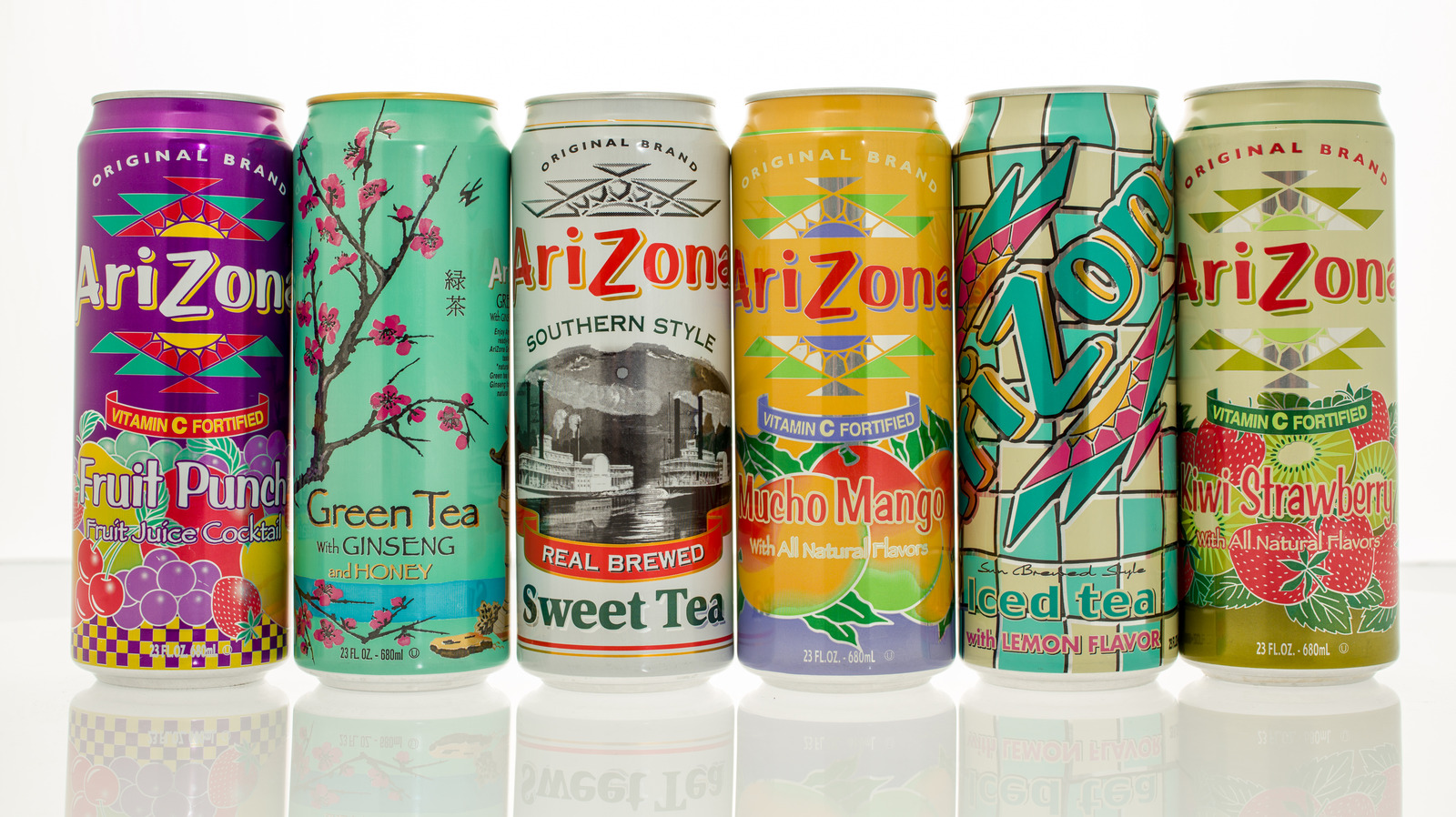
For decades, the vibrant cans of Arizona Tea have been synonymous with an almost mythical price point: 99 cents. In a world of ever-fluctuating costs and rapidly rising inflation, this unwavering sticker price has stood as a beacon of affordability, particularly for those who prioritize budget in their daily lives and travels. This article delves into the enduring question of Arizona Tea’s price, examining its significance within the broader context of lifestyle choices, consumer economics, and the art of savvy budgeting. We explore how such a consistent price point impacts everything from daily routines to elaborate travel plans, and what it signifies for the modern consumer navigating an increasingly expensive world.
The Enduring Appeal of a Price Point Icon
The story of Arizona Tea and its 99-cent price tag is more than just a marketing gimmick; it’s a testament to a brand’s commitment to affordability and a reflection of a consumer desire for consistent value. In an era where even basic necessities seem to creep up in price overnight, Arizona Tea has managed to maintain a remarkable consistency, embedding itself into the fabric of daily life for millions. This dedication to a specific price point speaks volumes about the brand’s understanding of its target audience and its strategic positioning in the competitive beverage market.
A Legacy of Value: From Introduction to Icon Status
When Arizona Tea first hit the market in the early 1990s, it quickly distinguished itself not only with its distinctive packaging and wide array of flavors but also with its revolutionary price point. At a time when other bottled beverages were commanding higher prices, the 99-cent can offered an undeniable value proposition. This initial strategy wasn’t just about selling a product; it was about establishing a legacy of accessibility. Over the years, as the brand expanded its reach across the United States and beyond, that 99-cent price became more than just a number; it evolved into an icon, a symbol of consistent value that consumers could rely on. For many, it represented a small, daily indulgence that wouldn’t break the bank, allowing them to enjoy a refreshing drink without guilt. This strategic commitment fostered a deep sense of loyalty, turning casual buyers into steadfast advocates who appreciated the brand’s unchanging promise in a changing world.
Brand Loyalty and Consumer Expectations
The steadfastness of the 99-cent price has cultivated an almost unparalleled level of brand loyalty. Consumers often articulate their appreciation not just for the product itself, but for the company’s perceived integrity in maintaining such an accessible price. This isn’t merely about getting a good deal; it’s about trust. When a brand consistently delivers on its implicit promise of affordability, it builds a powerful emotional connection with its audience. This trust is particularly potent in the context of lifestyle choices, where budget plays a significant role in everyday decisions. People factor the cost of their favorite drinks into their weekly grocery budget, their daily commute, or their travel snacks. Any deviation from the expected 99 cents can feel like a betrayal, highlighting just how deeply ingrained this expectation has become. This psychological anchoring of the price creates a self-fulfilling prophecy: consumers expect it, and the brand strives to deliver, thereby reinforcing its iconic status.
The Cultural Significance of the 99-Cent Can
Beyond economics, the 99-cent can of Arizona Tea holds a unique cultural significance. It has become a touchstone in pop culture, a reference point for affordability, and a symbol of accessible pleasure. From internet memes to casual conversations, the price is often cited as an example of a rare constant in a world of variables. For students on a tight budget, for construction workers grabbing a quick refreshment, or for families packing a picnic, Arizona Tea offers an economical choice that doesn’t compromise on taste or satisfaction. This cultural embedding means that the discussion around “Is Arizona Tea still 99 cents?” isn’t just about the beverage itself; it’s about a broader statement on consumer fairness, corporate responsibility, and the value of small, affordable luxuries that contribute to a comfortable lifestyle, especially important when considering budget-conscious travel or daily living in cities like New York City or Los Angeles.
Inflation’s Shadow: Examining the 99-Cent Pledge
Maintaining a consistent price point, especially one as famously low as 99 cents, in the face of rampant inflation and escalating operational costs is an extraordinary feat. It requires innovative strategies, shrewd negotiations, and a deep understanding of market dynamics. The persistent economic pressures present a significant challenge to Arizona Tea’s pledge, forcing the company to continually adapt and optimize its supply chain and distribution networks. This section explores the complex economic realities that underscore the price of a can of Arizona Tea, offering insight into the delicate balance between affordability and profitability.
Economic Pressures on Manufacturing and Distribution
The journey from tea leaf to 99-cent can is fraught with economic hurdles. Manufacturers face rising costs for raw materials, including tea, sugar, and water, all of which are subject to global commodity price fluctuations. Packaging materials—aluminum cans, plastic shrink wrap—have also seen significant price increases. Energy costs, essential for powering factories and cooling warehouses, have been volatile, adding another layer of expense. Beyond manufacturing, distribution presents its own set of challenges. Fuel prices directly impact transportation costs, whether by truck across the United States or by cargo ship internationally. Labor costs, from factory workers to truck drivers, have also steadily climbed. To maintain the 99-cent price, Arizona Tea must absorb these increases, find efficiencies, or negotiate aggressively with suppliers and distributors. This often involves long-term contracts, bulk purchasing, and streamlined logistics to minimize overheads.
The Cost of Doing Business: Ingredients, Labor, and Transport
Breaking down the cost of doing business reveals the intricate tightrope Arizona Tea walks. The primary ingredients are sourced globally, meaning currency exchange rates and geopolitical events can directly influence their price. Sweeteners, often corn syrup, also fluctuate with agricultural markets. Labor is a consistent and rising cost factor, encompassing not just wages but also benefits, training, and regulatory compliance. Transportation is arguably one of the most dynamic variables; a sudden spike in crude oil prices can severely impact the cost of moving products from bottling plants to distribution centers and, finally, to retail shelves. The challenge is magnified by the sheer volume of product Arizona Tea distributes. Each small increase in unit cost, when multiplied by millions of cans, can quickly erode profit margins. The brand’s ability to maintain its price point in this environment is a testament to sophisticated supply chain management and a clear commitment to its foundational value proposition.
Decoding Retailer Pricing: Markups and Promotions
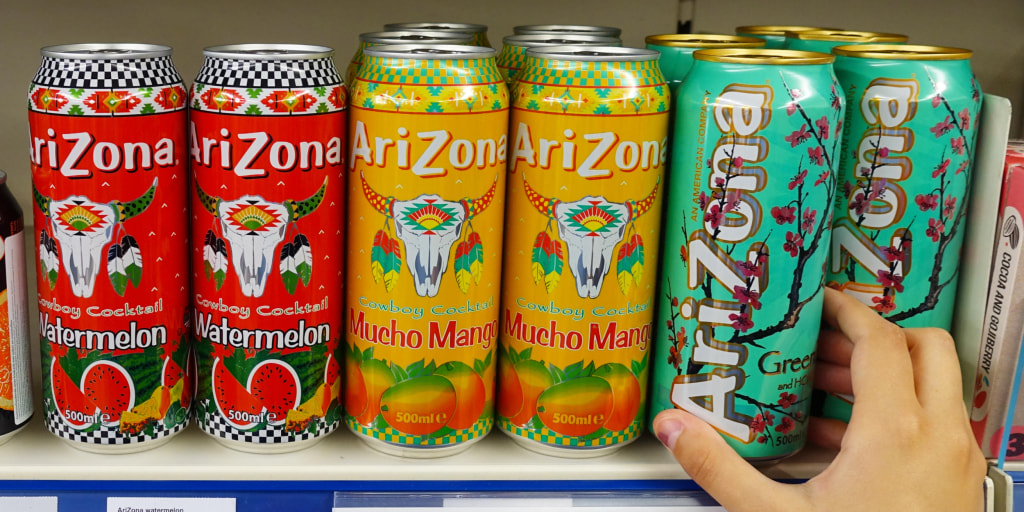
While Arizona Tea aims to deliver its product at a cost that allows for the 99-cent retail price, the final say often rests with the retailer. Supermarkets, convenience stores, and vending machine operators all have their own cost structures, overheads, and profit margins to consider. Some retailers might absorb a smaller margin on Arizona Tea to draw in customers, knowing that shoppers often buy other, higher-margin items during their visit. Others might price it slightly higher if their local market conditions or operational costs (e.g., higher rent in a prime Manhattan location) demand it. This explains why, occasionally, consumers might encounter Arizona Tea priced above 99 cents. Promotions and bulk deals, however, can sometimes bring the price even lower. The 99-cent sticker often refers to the manufacturer’s suggested retail price (MSRP) and remains a powerful benchmark, but local market dynamics ultimately dictate the final price at the point of purchase.
A Traveler’s Companion: Arizona Tea in the Budget Lifestyle
For the budget-conscious traveler, every penny counts. The price of a simple beverage can factor into the overall cost of a day’s adventures, making Arizona Tea’s consistent affordability a significant asset. Whether exploring a new city or embarking on a road trip, managing expenses is a key component of a stress-free and enjoyable journey. Arizona Tea, with its iconic price, often serves as a small but reliable anchor in an otherwise unpredictable landscape of travel costs, perfectly aligning with a savvy, on-the-go lifestyle.
Essential Budgeting for On-the-Go Lifestyles
In the realm of budget travel, knowing where to save on daily essentials is paramount. For travelers navigating bustling airports, long train rides, or scenic road trips through states like California or Florida, hydration is crucial. Bottled water or other beverages can quickly add up, turning a small expense into a significant drain on the travel fund. Arizona Tea offers a readily available and consistently priced alternative that fits seamlessly into a disciplined budget. Its widespread availability in convenience stores, gas stations, and supermarkets across the United States means that a familiar, affordable refreshment is usually within reach, eliminating the need to search for cheaper alternatives or resort to overpriced options in tourist traps. This predictability allows travelers to allocate their budget more effectively to experiences rather than inflated everyday purchases.
Finding Value in Diverse Locations: Urban vs. Rural
The quest for value becomes particularly interesting when comparing urban and rural travel environments. In major metropolitan areas like Chicago or Miami, where the cost of living and, consequently, the cost of goods can be higher, finding a 99-cent Arizona Tea can feel like a small victory. It stands out against the backdrop of inflated coffee prices and boutique drink costs. Conversely, in more rural or remote areas, while general prices might be lower, the availability of diverse beverage options can be limited. Here, Arizona Tea’s widespread distribution network ensures that budget-friendly options are still accessible, providing a consistent comfort for travelers no matter their destination. The brand’s ubiquity reinforces its role as a reliable budget companion, offering a predictable cost that simplifies financial planning for any itinerary.
Beyond the Beverage: Broader Budgeting Strategies for Travelers
While Arizona Tea represents a micro-budgeting win, its significance extends to broader travel budgeting strategies. The principle behind seeking out affordable drinks like Arizona Tea is indicative of a larger mindset: diligently managing every expense to maximize travel experiences. This includes packing snacks, opting for public transportation, seeking out free attractions, and booking accommodations with kitchenettes. Understanding the value of a 99-cent drink helps travelers cultivate a habit of cost-consciousness that can be applied to larger expenditures. It’s about making informed choices that align with a desired lifestyle of exploration without financial strain. By consistently choosing smart, travelers can extend their trips, visit more destinations, or simply enjoy their journeys with greater peace of mind, knowing they’ve optimized their spending.
The Broader Implications: Value, Choice, and the Modern Consumer
The enduring discussion around “Is Arizona Tea still 99 cents?” transcends a simple price check; it touches upon fundamental aspects of consumer psychology, brand strategy, and the evolving relationship between companies and their customers. In a marketplace increasingly defined by conscious consumption and a search for authentic value, the story of Arizona Tea offers valuable insights into what drives consumer choices and how brands can build lasting loyalty. It’s about more than just a beverage; it’s about the perceived value in everyday items and the lifestyle choices they enable.
The Psychology of a Price Point: Perceived Value
The 99-cent price point for Arizona Tea taps into a powerful psychological phenomenon: perceived value. Consumers often associate a low, consistent price with a brand that genuinely cares about accessibility and affordability. This perception can be more impactful than actual production costs or profit margins. The consistent price point creates an anchor; even if the drink were to cost $1.29 elsewhere, the ingrained expectation of 99 cents makes any price hike feel significant, and conversely, finding it at 99 cents feels like a special win. This psychological bond fosters a sense of trust and fairness, which are invaluable assets for any brand. It’s not just about the monetary savings, but the emotional satisfaction of getting a “good deal” on a familiar favorite, reinforcing a lifestyle choice of being a smart consumer.
Sustainable Practices and Ethical Consumption
As consumer lifestyles increasingly lean towards sustainability and ethical considerations, the story of Arizona Tea’s pricing raises interesting questions. Maintaining such a low price point can, at times, draw scrutiny regarding the sourcing of ingredients, labor practices, and environmental impact. For a modern consumer, the “value” of a product extends beyond its monetary cost to include its ecological and social footprint. Brands like Arizona Tea must navigate this complex landscape, demonstrating transparency and responsible practices while striving to maintain affordability. The challenge lies in balancing the consumer expectation of a low price with the growing demand for ethically produced goods, aligning their operational strategies with the evolving values of a discerning lifestyle.

Adapting to Change: Consumer Resilience and Brand Strategy
In conclusion, the question of whether Arizona Tea is still 99 cents reflects a dynamic interplay between consumer expectations, economic realities, and brand strategy. While the company has largely succeeded in upholding its iconic price, sporadic instances of higher pricing at various retailers serve as reminders of the immense pressures faced by manufacturers and distributors. The ability of Arizona Tea to largely maintain its price point in a volatile global economy speaks to its strong brand loyalty, efficient supply chain, and strategic positioning. For the modern consumer, especially those embracing a budget-conscious lifestyle or engaging in savvy travel, Arizona Tea remains a symbol of consistent value—a small, familiar comfort in an ever-changing world. It underscores the enduring power of affordability and the deep connection consumers forge with brands that deliver on their promises of accessible quality. As long as the question persists, it highlights the ongoing relevance of this iconic beverage in defining a thoughtful and economical approach to daily living.
LifeOutOfTheBox is a participant in the Amazon Services LLC Associates Program, an affiliate advertising program designed to provide a means for sites to earn advertising fees by advertising and linking to Amazon.com. Amazon, the Amazon logo, AmazonSupply, and the AmazonSupply logo are trademarks of Amazon.com, Inc. or its affiliates. As an Amazon Associate we earn affiliate commissions from qualifying purchases.