
The iconic Flamingo Las Vegas stands as a testament to the enduring allure of the Las Vegas Strip. Its pink facade, vibrant atmosphere, and rich history make it a quintessential Las Vegas experience. But beneath the glitz and glamour, a question often arises for curious travelers and investors alike: who actually owns this legendary establishment? Understanding the ownership of a major resort like the Flamingo involves delving into the complex world of corporate structures and the evolution of the Las Vegas hospitality industry.
A Legacy Forged in Entertainment and Glamour
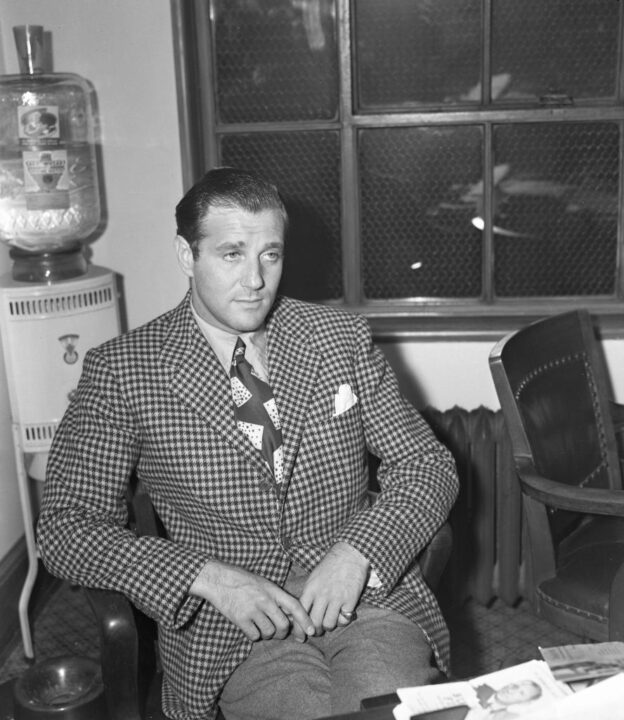
The story of the Flamingo Las Vegas is intrinsically linked to the visionaries who shaped Las Vegas into a global entertainment capital. Founded by the notorious mobster Bugsy Siegel in 1946, the original Flamingo was conceived as a luxurious, high-class resort that would elevate the desert city’s reputation. Siegel envisioned a place of unparalleled elegance, attracting the elite and offering an escape from the ordinary. The resort’s construction was financed by a consortium of investors, including Meyer Lansky, another prominent figure in organized crime.
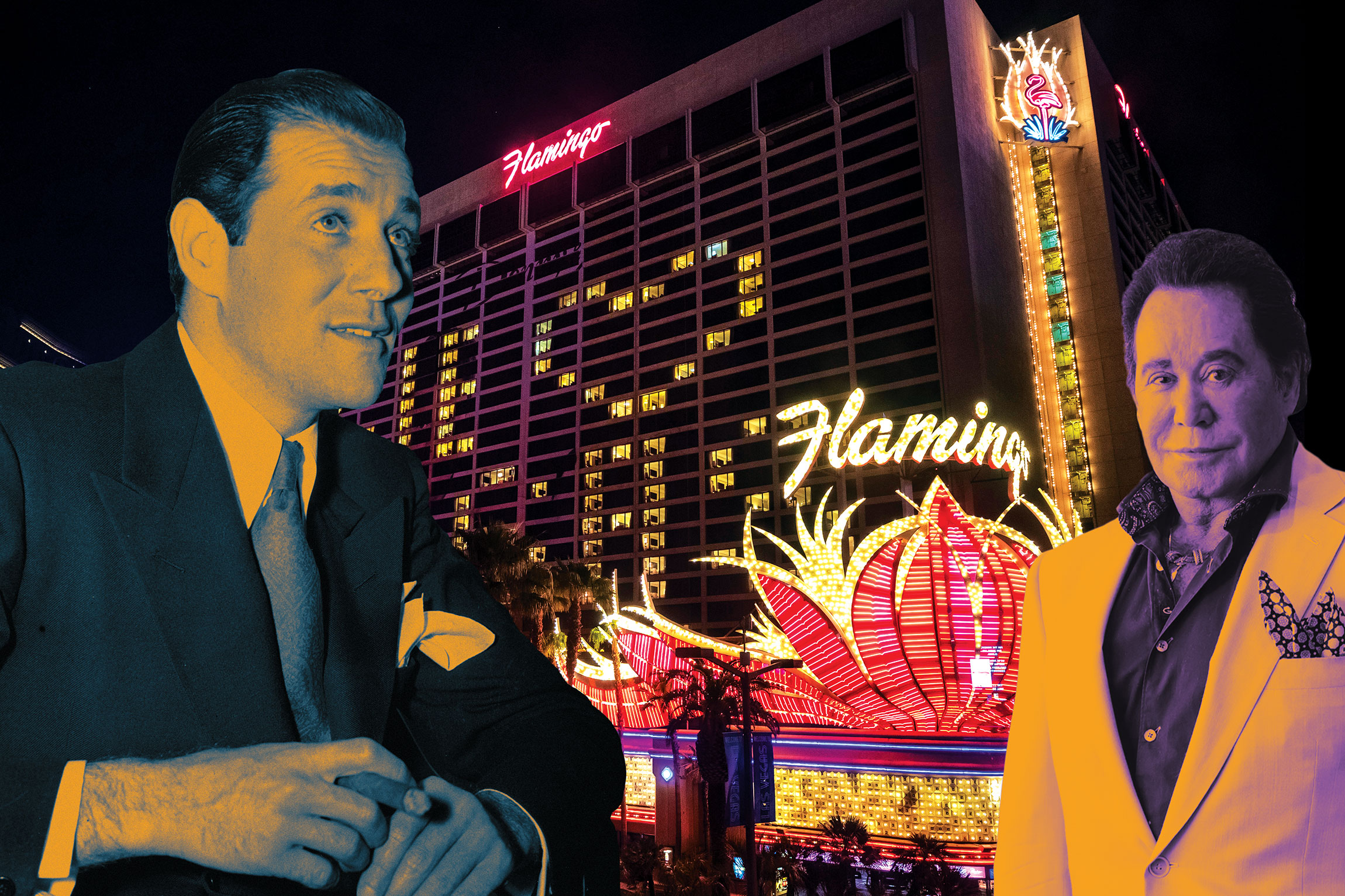
From its inception, the Flamingo was designed to be more than just a place to stay; it was an experience. It boasted lavish suites, fine dining, a casino, and a showroom that would feature top-tier entertainers. The opening night, however, was not without its drama, and Siegel himself would not live to see the full realization of his ambitious project, being murdered just months after the Flamingo‘s debut. Despite this tragic beginning, the resort continued to operate and evolve, passing through various ownership hands over the decades.
The early years saw the Flamingo under the control of various figures within the entertainment and gaming industries. Its iconic status was cemented through its association with Hollywood stars, legendary musicians, and the vibrant nightlife that became synonymous with Las Vegas. Over time, the ownership structure shifted as the gaming industry matured and became more regulated. Mergers, acquisitions, and corporate restructurings became common, shaping the landscape of Las Vegas resorts.
The Rise of Corporate Ownership and Consolidation
As the Las Vegas gaming industry grew, so did the scale of its resorts. Large corporations began to emerge, consolidating ownership of multiple properties and leveraging economies of scale. This trend significantly impacted how resorts like the Flamingo were managed and invested in. The days of individual entrepreneurs or smaller partnerships holding sway were gradually replaced by the influence of major hospitality and entertainment conglomerates.
The Flamingo‘s journey through this evolving landscape reflects a broader pattern in Las Vegas. Properties were bought, sold, and rebranded as companies sought to optimize their portfolios and cater to changing market demands. This period of consolidation saw the Flamingo become part of larger hotel and casino groups, each bringing their own management philosophies and investment strategies to the iconic property. The core appeal of the Flamingo, however, remained, drawing visitors with its classic Las Vegas charm and its prime location on the Strip.
The evolution of Las Vegas from a relatively uninhibited desert outpost to a meticulously planned, family-friendly (while still maintaining its adult entertainment roots) destination also played a role in how properties like the Flamingo were managed. Investments were made to update facilities, enhance amenities, and ensure compliance with increasingly stringent regulations. The goal was to maintain a competitive edge in a market that constantly demanded innovation and a superior guest experience.
Caesars Entertainment: The Current Steward of the Flamingo

Today, the Flamingo Las Vegas is a prominent property within the vast portfolio of Caesars Entertainment Corporation. This publicly traded company is one of the largest and most recognizable names in the global gaming and hospitality industry. Caesars Entertainment operates a sprawling network of casinos, hotels, and resorts across numerous states in the United States and internationally.
The acquisition of the Flamingo by entities that eventually became part of Caesars Entertainment marked a significant chapter in its modern history. This corporate ownership structure provides the Flamingo with the backing of a major financial entity, allowing for continuous investment in its infrastructure, entertainment offerings, and guest services. Caesars Entertainment is known for its integrated resort model, where guests can enjoy a comprehensive range of amenities, from gaming and dining to entertainment and shopping, all under one roof.
Under the umbrella of Caesars Entertainment, the Flamingo continues to uphold its legacy while adapting to contemporary travel trends. The company’s strategic vision for the Flamingo involves balancing its historic appeal with modern luxury and entertainment. This includes ongoing renovations to its hotel rooms and public spaces, as well as the introduction of new dining and entertainment venues. The Flamingo‘s iconic Go Pool, its wildlife habitat featuring live flamingos, and its diverse array of restaurants all contribute to its unique identity within the Caesars Entertainment brand.
The Impact of Corporate Ownership on Guest Experience
The ownership by a large corporation like Caesars Entertainment has several implications for the guest experience at the Flamingo Las Vegas. On one hand, it ensures access to substantial capital for property upkeep and improvements. Guests can expect well-maintained facilities, a wide range of dining options catering to various budgets and tastes, and consistent service standards. Furthermore, Caesars Entertainment‘s loyalty program, Caesars Rewards, allows guests to earn points and receive benefits across their entire network of properties, offering added value for frequent visitors.
However, the scale of corporate operations can also lead to a more standardized experience compared to independent boutique hotels. While the Flamingo strives to maintain its distinct personality, it operates within the broader framework and operational guidelines of its parent company. This can sometimes mean that the unique quirks and personalized touches associated with smaller establishments might be less pronounced. Nevertheless, the commitment to delivering a memorable Las Vegas vacation remains a priority, driven by Caesars Entertainment‘s extensive experience in the hospitality sector.
The strategic decisions made by Caesars Entertainment regarding the Flamingo are influenced by market analysis, competition, and the overall economic climate. This can manifest in pricing strategies, promotional offers, and the types of entertainment and attractions featured. For travelers, this often translates into a competitive marketplace with a variety of package deals and loyalty rewards, making a stay at the Flamingo potentially more accessible and offering more ways to maximize value.
Beyond Ownership: The Enduring Appeal of the Flamingo
While understanding who owns the Flamingo Las Vegas provides insight into its operational framework and investment future, the true enduring appeal of the resort lies in its tangible offerings and its historical significance. For many, the Flamingo is not just a hotel; it’s a landmark, a piece of Las Vegas history, and a symbol of the city’s vibrant entertainment culture.
The distinctive pink architecture, the charming habitat of live flamingos, and the resort’s central location on the Strip continue to draw millions of visitors each year. The Flamingo has successfully navigated the changing tides of Las Vegas tourism, evolving from its mobster-backed origins to become a family-friendly destination that still caters to the adult thrill-seekers who flock to the city.
Its amenities are a reflection of its broad appeal. From the lively casino floor, where the energy of the games never fades, to the diverse culinary landscape featuring everything from casual eateries to fine dining establishments, the Flamingo offers something for everyone. The resort’s entertainment venues have hosted legendary performers and continue to be a hub for live shows, comedy acts, and vibrant nightlife.
The Flamingo Las Vegas is more than just a property; it’s an institution. Its ownership by Caesars Entertainment ensures its continued operation and development within the competitive Las Vegas market. However, the essence of the Flamingo – its bold design, its playful spirit, and its iconic presence – is what truly cements its place as a beloved and enduring landmark on the Las Vegas Strip. It’s a place where the past and present of Las Vegas entertainment converge, offering a unique experience that continues to captivate visitors from around the globe.
LifeOutOfTheBox is a participant in the Amazon Services LLC Associates Program, an affiliate advertising program designed to provide a means for sites to earn advertising fees by advertising and linking to Amazon.com. Amazon, the Amazon logo, AmazonSupply, and the AmazonSupply logo are trademarks of Amazon.com, Inc. or its affiliates. As an Amazon Associate we earn affiliate commissions from qualifying purchases.