
For any traveler embarking on an adventure to the vast and varied landscapes of Arizona, understanding the local telecommunication framework is an often-overlooked yet essential piece of preparation. Far more than just a sequence of numbers, Arizona’s area codes represent the geographic divisions of this dynamic state, reflecting its population centers, sprawling wilderness, and the connectivity required to navigate its many wonders. From the bustling metropolitan heart of Phoenix to the majestic silence of the Grand Canyon, each area code serves as a digital gateway, crucial for everything from booking a hotel to contacting a tour operator or simply staying connected with loved ones.

Arizona, a state celebrated for its stunning natural beauty, rich cultural heritage, and vibrant urban centers, draws millions of visitors annually. Whether you’re planning to hike red rock trails in Sedona, explore the historic streets of Tucson, or marvel at the geological grandeur of the Grand Canyon, a clear grasp of its area codes streamlines communication, making your travel experience smoother and more efficient. This guide delves into the specific area codes that blanket the Grand Canyon State, offering insights into their geographic coverage and practical implications for travelers and residents alike.
The Geographic Tapestry of Arizona’s Area Codes
Arizona’s telecommunication map is divided into three primary area codes: 602, 480, 623, 520, and 928. These codes are not randomly assigned but meticulously planned to manage the state’s burgeoning population and extensive land area. The pattern of their distribution tells a story of urban expansion, the preservation of remote beauty, and the practical necessities of modern communication. Understanding which code corresponds to which region is key for seamless communication, particularly when planning itineraries or seeking local services while on the move.
The Phoenix Metropolitan Area: 602, 480, and 623
The heart of Arizona’s urban landscape, the greater Phoenix metropolitan area, is served by an overlay complex of three distinct area codes: 602, 480, and 623. This multiple-code system is a direct result of rapid population growth and the exponential increase in demand for telephone numbers over the past few decades.
-
602: This is the original and oldest area code for Phoenix. Historically, it covered the entire state. Today, it is exclusively dedicated to the central core of Phoenix itself, encompassing downtown and immediate surrounding neighborhoods. Travelers staying in central Phoenix hotels or contacting businesses within the city’s urban core will most frequently encounter numbers beginning with 602. It’s the dialing code for iconic spots like the Arizona Science Center and many of the city’s historical districts.
-
480: Introduced as an overlay, the 480 area code primarily serves the East Valley suburbs of the Phoenix area. This includes vibrant communities such as Scottsdale, Mesa, Chandler, Gilbert, and Tempe. These areas are popular tourist destinations, known for their resorts, golf courses, and bustling entertainment districts. If you’re booking a luxury resort in Scottsdale or planning a visit to Arizona State University in Tempe, you’ll likely be dialing numbers within the 480 prefix.
-
623: Complementing the 480, the 623 area code covers the West Valley suburbs of Phoenix. Key cities and towns under this area code include Glendale, Peoria, Surprise, and Goodyear. This region is home to major sports venues like State Farm Stadium and entertainment complexes. For travelers attending sporting events, spring training baseball, or exploring the rapidly developing western communities, 623 will be the relevant area code.
It is crucial for visitors to the Phoenix metro area to remember that 10-digit dialing is mandatory for all local calls within this overlay complex. You must dial the area code (602, 480, or 623) even if you are calling a number within the same physical region.
Southern Arizona and Tucson: 520
Venturing south from the Phoenix metropolis, the 520 area code encompasses a significant portion of Southern Arizona, with the vibrant city of Tucson at its heart. The 520 area code was split from the original 602 in 1995 to accommodate the growing population and telecommunication needs of the southern region.
The 520 area code covers a diverse geographic expanse that includes Tucson, known for its unique desert landscape, rich cultural blend of Native American, Mexican, and cowboy influences, and its proximity to Saguaro National Park. Beyond Tucson, this code extends to surrounding towns like Green Valley and parts of Sierra Vista. Travelers exploring the Sonoran Desert, visiting the historic Mission San Xavier del Bac, or engaging with the vibrant culinary scene in Tucson will be operating within the 520 area code. This area code is less complex than the Phoenix system, operating as a single-code region, though 10-digit dialing is still typically required for all calls, even locally, due to the prevalence of mobile phones.
Northern Arizona and the Grand Canyon: 928
The vast expanse of Northern and Western Arizona is unified under the 928 area code. This area code was created in 2001, carving out the remaining parts of the original 602 area code that were not covered by the new 480, 623, or 520 codes. It is, by far, the largest geographic area code in the state, covering diverse and iconic destinations.
The 928 area code serves major tourist hubs like Flagstaff, a gateway to the Grand Canyon and a popular spot for outdoor enthusiasts, and Sedona, famous for its stunning red rock formations and spiritual retreats. Crucially, the entire Grand Canyon National Park, including all lodges, visitor centers, and associated services within the park boundaries, falls under the 928 area code.
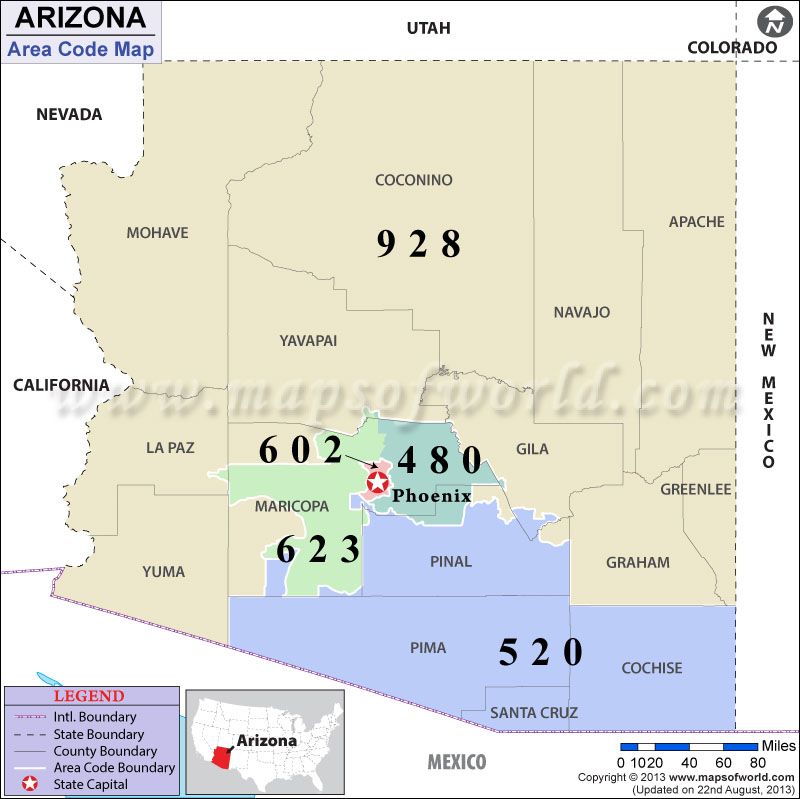
Furthermore, 928 covers picturesque destinations such as Prescott (known for its historic Whiskey Row), Kingman and Lake Havasu City in Western Arizona (along the Colorado River), and the artistic community of Jerome. Even remote tribal lands, including much of the Navajo Nation within Arizona’s borders, utilize the 928 prefix. For travelers exploring the vast beauty of Northern Arizona, from hiking trails to river rafting expeditions, the 928 area code will be your primary point of contact for local services and emergency assistance.
Practical Implications for Travelers and Visitors
While the digital age has simplified many aspects of communication, understanding area codes remains a fundamental requirement for effective interaction, particularly in a diverse state like Arizona. For travelers, this knowledge translates into practical benefits, ensuring smooth planning and hassle-free connectivity during their trip.
Understanding 10-Digit Dialing
One of the most significant implications of Arizona’s telecommunication structure is the widespread adoption of 10-digit dialing. Due to the overlay complex in Phoenix and the general proliferation of mobile devices, 10-digit dialing (area code + 7-digit number) is standard practice for all local calls across the state, even when calling within the same area code or city. For instance, if you are in Phoenix (602) and calling a restaurant also in central Phoenix (602), you still need to dial “602” before the seven-digit number. This universal approach simplifies things in one sense, as there’s no need to distinguish between “local” and “long-distance” within the state based on area codes alone. Always assume you need to dial the full 10 digits.
Essential Contacts While Traveling
Knowing the correct area code is indispensable when making arrangements or seeking services. Here are a few scenarios where this knowledge proves vital:
- Accommodation Bookings: Whether you’re reserving a room at a boutique hotel in Sedona (928) or a resort in Scottsdale (480), having the correct area code ensures your call connects to the right property.
- Restaurant Reservations: Planning to dine at a specific eatery in Tucson (520) or Flagstaff (928)? The area code is your first step to securing that table.
- Tour Operators and Activities: Booking a jeep tour, a rafting trip, or a hiking guide often involves calling local operators. For instance, a Grand Canyon tour company will invariably have a 928 number.
- Emergency and Local Services: While 911 is universal for emergencies, for non-emergency services (e.g., roadside assistance, local police non-emergency line, doctor’s office) in a specific city, knowing the local area code will help you find and contact the correct number.
- Connecting with New Acquaintances: If you meet locals or fellow travelers and exchange numbers, being aware of Arizona’s area codes provides context for their contact information.
Navigating Telecommunication Gaps in Remote Areas
Arizona’s vast and rugged terrain, particularly within the 928 area code, includes many remote regions where cellular service can be sporadic or non-existent. Areas within the Grand Canyon, tribal lands, and stretches of national forests often present connectivity challenges. In such situations, travelers might rely on landlines at lodges, visitor centers, or designated communication points. Knowing the area code becomes even more critical here, as these often remain the most reliable means of communication. Planning ahead by saving important contact numbers, including the area code, is a wise strategy for any venture into Arizona’s wilderness. Some lodges in remote areas might offer satellite phone access, which will still require correct dialing prefixes for external calls.
The Evolution of Arizona’s Telecommunication Landscape
The current area code structure in Arizona is not static but rather a dynamic reflection of the state’s growth and technological advancements. Its evolution underscores the increasing demand for communication and the strategic planning required to meet it.
From Single Codes to Overlays
Arizona originally had only one area code, 602, for the entire state. As the population boomed, particularly in the post-WWII era and onward, demand for phone numbers outstripped supply. The first split occurred in 1995, creating the 520 area code for Southern Arizona. Rapid expansion in Phoenix then necessitated further changes. In 1999, the 480 and 623 area codes were introduced as geographic splits from 602. However, these quickly transitioned to an overlay system, meaning all three codes (602, 480, 623) now serve the same metropolitan region, requiring 10-digit dialing to prevent ambiguity. Finally, in 2001, the 928 area code was established for Northern and Western Arizona, completing the current configuration. This historical progression illustrates Arizona’s incredible growth and the constant adaptation of infrastructure to support it.

Future Considerations for New Codes
Given Arizona’s continued attractiveness as a place to live and visit, particularly the sustained growth in the Phoenix and Tucson areas, it is plausible that the state’s telecommunication landscape will continue to evolve. As the demand for new phone numbers persists, future area code overlays or splits are a distinct possibility. Telecommunication authorities constantly monitor number exhaustion rates. While no immediate changes are typically announced far in advance, travelers and residents should remain aware that the system is subject to future modifications to accommodate Arizona’s enduring expansion. This foresight ensures that the state remains digitally connected, supporting both its resident population and its millions of annual visitors.
In conclusion, the area codes of Arizona are more than just numerical prefixes; they are geographic identifiers, communication pathways, and essential tools for anyone looking to fully experience the state. From the urban vibrancy of its cities to the serene majesty of its natural wonders, knowing these codes ensures that every call you make contributes to a seamless and memorable Arizona adventure. By understanding the 602, 480, 623, 520, and 928 codes, travelers are better equipped to navigate, connect, and immerse themselves in the rich tapestry of the Grand Canyon State.
LifeOutOfTheBox is a participant in the Amazon Services LLC Associates Program, an affiliate advertising program designed to provide a means for sites to earn advertising fees by advertising and linking to Amazon.com. Amazon, the Amazon logo, AmazonSupply, and the AmazonSupply logo are trademarks of Amazon.com, Inc. or its affiliates. As an Amazon Associate we earn affiliate commissions from qualifying purchases.