
Navigating the intricate geography of the New York metropolitan area, particularly when considering travel between New Jersey and its iconic neighbor, New York City, involves understanding more than just simple mileage. This region, a vibrant nexus of commerce, culture, and entertainment, presents a fascinating study in proximity and accessibility. The question “How far?” is rarely a straightforward answer, as it depends on the specific points of origin and destination within these two populous states, as well as the chosen mode of transportation. The distances are not merely measured in miles but are also influenced by traffic patterns, public transit schedules, and the overall travel experience desired.
Understanding the Geographic Proximity
The close physical relationship between New Jersey and New York is one of the defining characteristics of the Northeastern United States. Bordering each other along the Hudson River and the Arthur Kill, these two entities are intrinsically linked. The metropolitan area encompasses parts of both states, blurring the lines of distinction for many residents and visitors. This geographical overlap means that many parts of New Jersey, particularly those in the northern and eastern regions, are surprisingly close to the heart of New York City.
Eastern New Jersey and Manhattan
For residents of eastern New Jersey, including counties like Bergen, Hudson, Essex, and parts of Union and Middlesex, the distance to Manhattan is often minimal. Cities such as Jersey City, directly across the Hudson River from Lower Manhattan, are mere minutes away by public transit or a short drive. Towns in northern Bergen County, for instance, might be only 10-15 miles from Upper Manhattan, depending on the specific destination within the sprawling metropolis. The accessibility is so high that many consider their commute to be a daily part of the New York City experience, even if they reside in New Jersey. This close proximity fosters a symbiotic relationship, with New Jersey serving as a vital residential and logistical hub for the broader metropolitan region.
Central and Southern New Jersey’s Connectivity
As one travels further west and south into New Jersey, the distances naturally increase. For individuals residing in central or southern parts of the state, the journey to New York City can be a more significant undertaking. For example, a trip from areas like Princeton or Trenton to Manhattan would involve a drive of approximately 50-70 miles, typically taking between 1.5 to 2 hours by car, barring traffic. From the southern reaches of New Jersey, such as near Camden or Atlantic City, the distance to New York City is considerably greater, often exceeding 100 miles and requiring a travel time of 2-3 hours or more. This variability underscores the importance of specifying the precise origin and destination when discussing the distance between New Jersey and New York.
Modes of Transportation and Their Impact on Distance
The perceived “distance” is heavily influenced by the chosen mode of transportation. Each method offers a unique perspective on the journey, with varying travel times and accessibility. Understanding these differences is crucial for anyone planning a trip between these two vibrant locations.
Driving and Road Networks
Driving is a prevalent mode of transport, especially for those residing in more suburban or less transit-accessible areas of New Jersey. The region is crisscrossed by a complex network of highways, including the New Jersey Turnpike, Interstate 80, and the Garden State Parkway. The primary gateways to New York City from New Jersey via road include the Holland Tunnel and the Lincoln Tunnel, both leading into Manhattan, and the George Washington Bridge, connecting to Upper Manhattan. The distance, as measured by road, can vary significantly. From the George Washington Bridge, many parts of northern New Jersey are less than 15 miles away. However, traffic congestion, a notorious characteristic of the metropolitan area, can dramatically extend travel times, turning a short distance into a lengthy ordeal. Driving times can range from 30 minutes to well over an hour during peak commuting periods for distances as short as 10-20 miles.
Public Transportation: Trains and Ferries
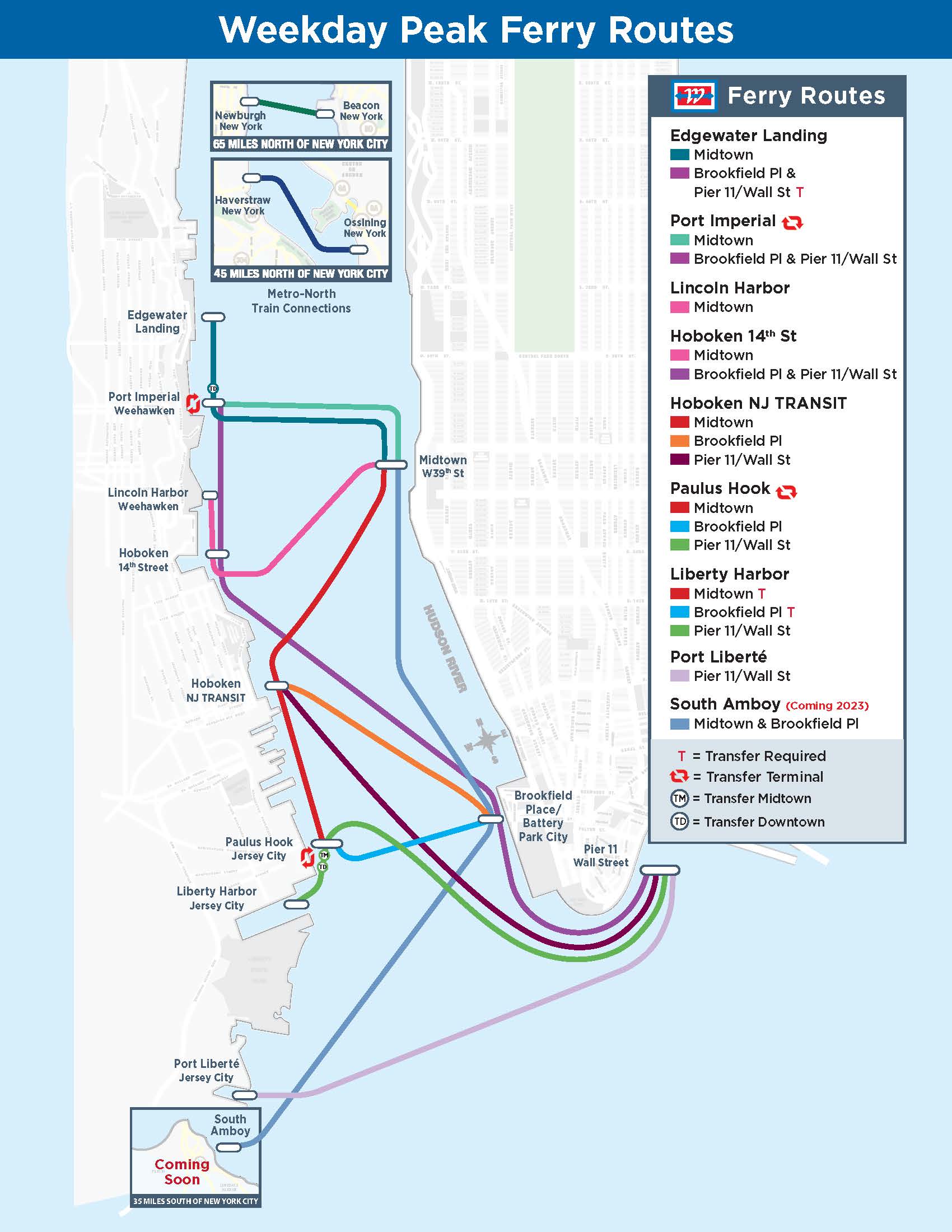
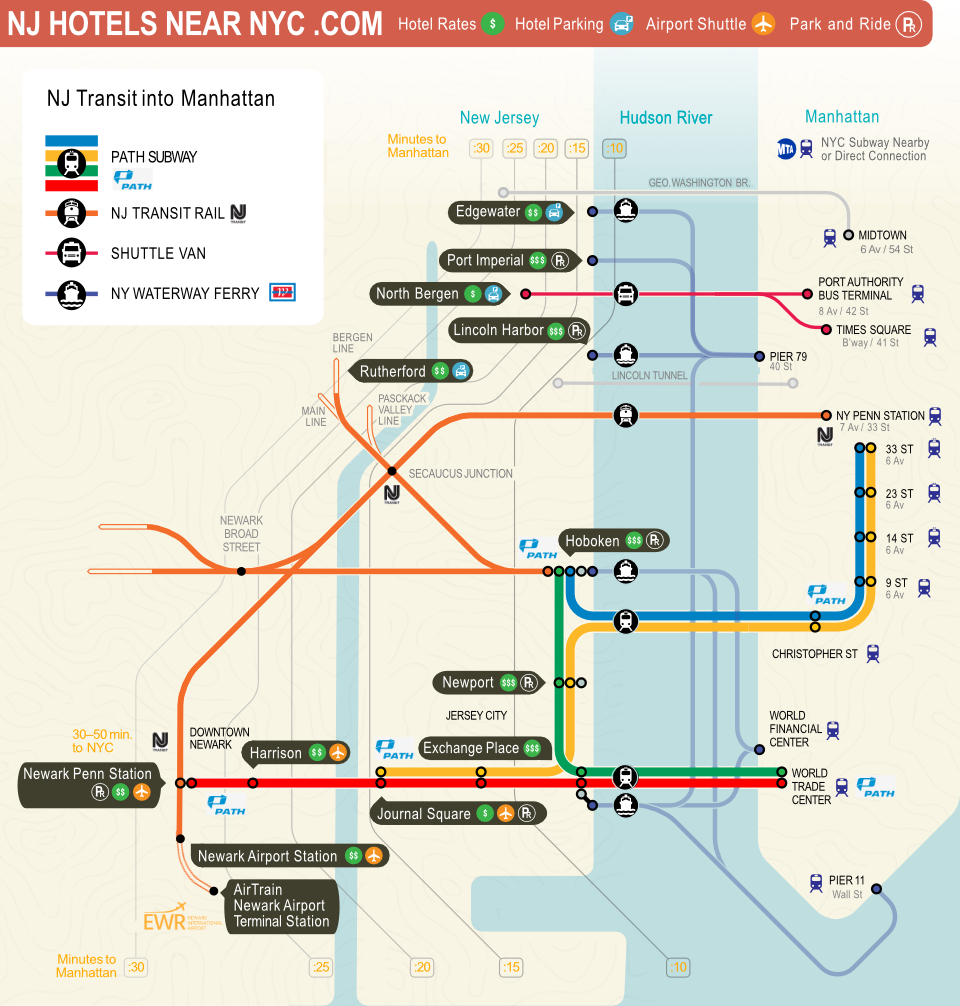
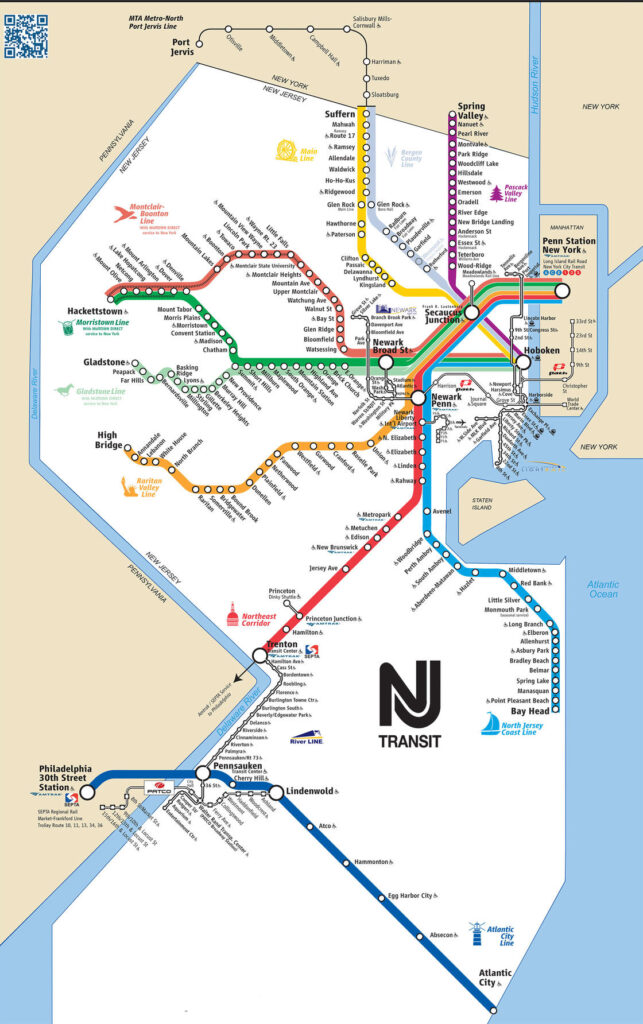
Public transportation offers a compelling alternative, often proving more efficient and less stressful than driving, particularly into the dense urban core of New York City. New Jersey Transit operates an extensive commuter rail network connecting numerous New Jersey towns and cities to major transit hubs in Manhattan, such as Penn Station and Grand Central Terminal. The travel time by train from nearby areas like Newark to Manhattan is typically around 20-30 minutes, covering a distance of roughly 10-15 miles. From further out locations, such as those in central New Jersey, train journeys can extend to 60-90 minutes. Additionally, ferry services are increasingly popular, offering scenic commutes from various points along the New Jersey waterfront to piers in Manhattan. The NY Waterway and PATH train system are key components of this interconnected transit landscape. These options effectively shrink the perceived distance by providing reliable and often faster transit times, especially when factoring in parking and traffic delays associated with driving.
The Role of Specific Destinations
When asking “How far?”, the destination within New York or New Jersey is paramount. The distance from a town in northern Hudson County, New Jersey, to the financial district in Lower Manhattan is vastly different from the distance to a cultural institution in Upper Manhattan or an event in the Bronx.
Downtown Manhattan vs. Uptown Manhattan
For those aiming for Lower Manhattan, the proximity of eastern New Jersey is particularly advantageous. Cities like Hoboken and Jersey City are separated from the southern tip of Manhattan by only the Hudson River. This translates to very short travel times, often under 15 minutes by PATH train or ferry to destinations like the World Trade Center. In contrast, reaching Upper Manhattan, such as the area around Central Park or Harlem, from these same New Jersey points will involve longer transit or driving times, potentially 30-60 minutes or more, depending on the specific location and traffic.
Accessing Other Boroughs
The distance also extends when considering travel to boroughs beyond Manhattan. While Queens and parts of Brooklyn are accessible from New Jersey via tunnels and bridges, the travel time will naturally increase. Reaching the Yankee Stadium in the Bronx or a concert at Flushing Meadows-Corona Park in Queens will add mileage and transit time compared to a trip solely within Manhattan. Similarly, accessing parts of Staten Island from New Jersey involves specific ferry routes or driving over the Outerbridge Crossing or Goethals Bridge. The perception of distance, therefore, is a dynamic interplay between the geographical separation and the practicalities of movement within a vast and complex urban landscape.
Practical Considerations for Travelers
For anyone planning to traverse the border between New Jersey and New York, several practical considerations can significantly enhance the travel experience and manage expectations regarding “how far” the journey truly is.
Time of Day and Day of Week
The timing of travel is a critical factor in determining the actual duration of a journey between New Jersey and New York City. Weekday rush hours, typically from 7 AM to 10 AM and 4 PM to 7 PM, see traffic volume surge, particularly on bridges and tunnels leading into Manhattan. During these periods, a drive that might take 30 minutes on a weekend could easily extend to 90 minutes or more. Conversely, traveling during off-peak hours, late at night, or on weekends generally results in shorter and more predictable travel times. Public transportation, while often more resilient to traffic, can still experience delays due to higher passenger volumes during peak times. Understanding these temporal dynamics is essential for accurate journey planning.
Budgeting for Travel Costs
Beyond the physical distance, the financial cost of traveling between New Jersey and New York is an important consideration. Driving involves costs such as gasoline, tolls, and parking. Tolls for crossing bridges and tunnels into New York City can add up significantly, especially for frequent travelers. Parking in Manhattan is notoriously expensive, often costing $30-$60 or more for a full day. Public transportation, while not entirely free, often presents a more economical option. NJ Transit train tickets, PATH fares, and ferry tickets have set prices that are generally lower than the combined costs of driving, tolls, and parking. Budgeting for these expenses is a crucial aspect of planning a trip, whether for a day trip, a business engagement, or a longer stay.
Choosing the Right Accommodation
The perceived distance and the ease of access from New Jersey to New York City can also influence accommodation choices. Many visitors choose to stay in hotels within New Jersey, particularly in areas with excellent public transit links to Manhattan. Hotels near New Jersey Transit stations or ferry terminals in towns like Hoboken, Jersey City, or even further out in areas like Newark, can offer a more affordable lodging option while still providing convenient access to the attractions and business districts of New York City. This strategy allows travelers to enjoy the vibrancy of New York without the premium price tag often associated with New York City accommodations. The decision of where to stay, therefore, is often directly tied to the answer of “How far?” and the traveler’s priorities regarding cost, convenience, and experience.
LifeOutOfTheBox is a participant in the Amazon Services LLC Associates Program, an affiliate advertising program designed to provide a means for sites to earn advertising fees by advertising and linking to Amazon.com. Amazon, the Amazon logo, AmazonSupply, and the AmazonSupply logo are trademarks of Amazon.com, Inc. or its affiliates. As an Amazon Associate we earn affiliate commissions from qualifying purchases.