
Alaska, often dubbed “The Last Frontier,” conjures images of vast wilderness, majestic mountains, and abundant wildlife. While these iconic landscapes certainly define much of the state, Alaska is also home to vibrant cities that serve as essential hubs for commerce, culture, and, most importantly, tourism. Far from being mere transit points, these urban centers are destinations in their own right, offering unique experiences that blend metropolitan conveniences with unparalleled access to the wild. Understanding which cities are the largest in Alaska and what they offer is crucial for any traveler planning an Alaskan adventure.

Alaska’s Urban Jewels: An Introduction to Its Major Hubs
Alaska’s urban landscape is unlike any other in the United States. Its cities, though smaller in population compared to those in the Lower 48, are sprawling in terms of land area and act as crucial lifelines in a state defined by its remote nature. These urban jewels provide vital services, cultural insights, and comfortable bases from which to explore the surrounding wilderness, making them indispensable components of any Alaskan itinerary.
Understanding Alaska’s Unique Urban Landscape
The concept of a “big city” in Alaska takes on a different meaning. While the state’s largest city, Anchorage, boasts a metropolitan feel with diverse dining, shopping, and entertainment options, it still retains a strong connection to its natural surroundings, with wildlife sightings a common occurrence even within city limits. Other major cities like Fairbanks and Juneau offer distinct personalities shaped by their geography—Fairbanks as the gateway to the Arctic and Juneau as a capital city nestled amidst fjords and glaciers, accessible only by air or sea. This unique urban-wilderness dynamic defines the experience of visiting Alaska’s cities, providing a compelling contrast to its raw natural beauty.
Why Explore Alaska’s Cities?
Exploring Alaska’s cities is paramount for several reasons. Firstly, they are the primary gateways for most visitors, housing the main airports and ferry terminals. Secondly, they offer a diverse range of accommodations, from luxury hotels to cozy bed-and-breakfasts, providing a comfortable respite after days of adventuring. Thirdly, these cities are cultural melting pots, showcasing the rich heritage of Alaska Native peoples, the history of gold rushes, and the contemporary arts scene. From world-class museums and art galleries to vibrant culinary scenes that highlight fresh Alaskan seafood and local produce, the cities offer a different facet of the Alaskan experience, complementing the outdoor pursuits that draw so many to the state. They serve as essential planning centers for excursions further afield, whether it’s flightseeing tours over mountain ranges, bear viewing trips, or cruises through stunning fjords.
Anchorage: The Heart of the Last Frontier
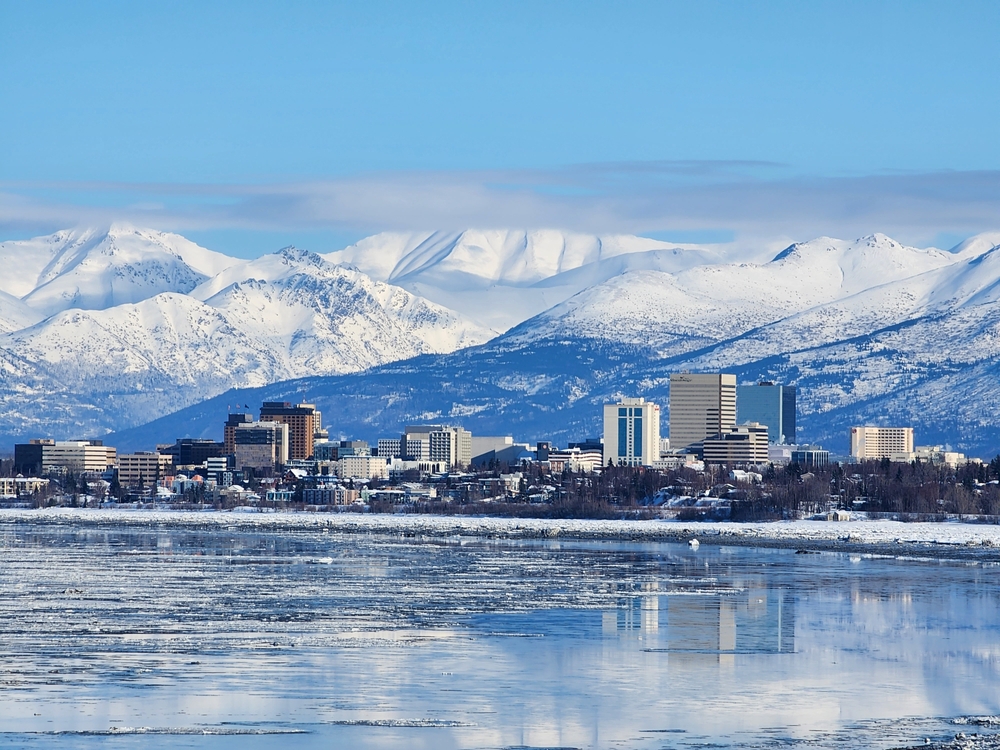
With a population exceeding 290,000, Anchorage stands as Alaska’s largest city, serving as its economic, cultural, and transportation hub. Situated on the shores of Cook Inlet, with the majestic Chugach Mountains forming a dramatic backdrop, Anchorage offers the perfect blend of urban amenities and wilderness access. Its strategic location makes it an ideal starting point for exploring south-central Alaska and beyond.
Key Attractions and Activities in Anchorage
Anchorage boasts a wide array of attractions that cater to diverse interests. The Anchorage Museum is a must-visit, offering comprehensive exhibits on Alaskan art, history, and science, including a significant collection of Alaska Native artifacts. For a deeper dive into indigenous cultures, the Alaska Native Heritage Center provides an immersive experience with traditional dwellings, cultural performances, and artisan demonstrations. Outdoor enthusiasts will appreciate the extensive network of trails, including the Tony Knowles Coastal Trail, perfect for biking or walking with stunning views of the inlet and mountains. A drive along the Seward Highway, designated an All-American Road, offers breathtaking scenery, with opportunities to spot beluga whales in Turnagain Arm and explore the Alaska Wildlife Conservation Center.
Gateway to Wilderness Adventures
Anchorage’s true appeal as a travel destination lies in its unparalleled access to genuine Alaskan wilderness. Within a short drive, visitors can be hiking in Chugach State Park, exploring glaciers, or fishing for salmon in local streams. The city also serves as a primary departure point for expeditions to renowned destinations such as Denali National Park and Preserve, accessible via scenic drives or the iconic Alaska Railroad. Numerous tour operators in Anchorage facilitate everything from bear viewing excursions to flightseeing trips over mountain ranges and glacial landscapes, cementing its reputation as the ultimate launchpad for Alaskan adventures.
A Hub for Culture and Cuisine
Beyond its natural allure, Anchorage thrives as a cultural and culinary hub. The city’s performing arts scene is robust, with venues like the Alaska Center for the Performing Arts hosting a variety of shows, from Broadway productions to local Alaskan talent. Its dining scene is particularly noteworthy, offering an incredible selection of fresh, locally sourced seafood, including king crab, salmon, and halibut, prepared in myriad ways. From upscale restaurants to casual eateries, Anchorage caters to all palates, providing a delightful culinary journey that reflects the state’s bounty and diverse influences. The presence of institutions like the University of Alaska Anchorage further enriches the city’s intellectual and cultural fabric, while historical sites like Eklutna Historical Park offer insights into the area’s Dena’ina Athabascan heritage.
Fairbanks: The Golden Heart City and Gateway to the Arctic
Located in Alaska’s interior, Fairbanks is the state’s second-largest city and is famously known as “The Golden Heart City,” a nod to its gold rush history. Its northern latitude places it perfectly for experiencing some of Alaska’s most dramatic natural phenomena: the dazzling Aurora Borealis in winter and the boundless Midnight Sun in summer. Fairbanks is also the primary gateway to the Arctic, offering a different, equally compelling Alaskan experience.
Exploring Fairbanks’ Unique Offerings
Fairbanks is rich in attractions that tell the story of its past and showcase its unique environment. Pioneer Park is a historical theme park that transports visitors back to the gold rush era with restored buildings, a sternwheeler riverboat, and museums. The University of Alaska Fairbanks’ Museum of the North is an exceptional institution, housing world-class collections that span millions of years of natural and cultural history, including a remarkable display of Alaskan wildlife and indigenous art. For a relaxing soak amidst stunning scenery, Chena Hot Springs Resort is a short drive away, offering geothermal pools and an Aurora Ice Museum.
Aurora Borealis and Midnight Sun Experiences
Fairbanks’ location makes it one of the best places on Earth to witness the Aurora Borealis, or Northern Lights. From late August to April, clear, dark nights often yield spectacular displays of dancing colors in the sky. Numerous tour operators offer aurora viewing packages, including heated cabins and guidance from expert photographers. During the summer months, the phenomenon of the Midnight Sun provides nearly 24 hours of daylight, opening up endless possibilities for outdoor activities like hiking, fishing, and golf at unusual hours. This stark contrast between winter’s dark skies and summer’s perpetual light makes Fairbanks a truly unique travel destination.
Historical Significance and Natural Wonders
Fairbanks’ history is deeply intertwined with the Klondike Gold Rush and the subsequent development of the interior. Visitors can explore various historical sites that celebrate this legacy. Beyond its history, Fairbanks serves as a jumping-off point for exploring the Arctic, with tours available to cross the Arctic Circle on the Dalton Highway. The nearby Creamer’s Field Migratory Waterfowl Refuge offers excellent birdwatching opportunities, while the vast wilderness surrounding the city promises opportunities for wildlife viewing, from moose to bears. Fairbanks truly offers an authentic taste of interior Alaska, blending history, culture, and access to extreme natural phenomena.
Juneau: Alaska’s Scenic Capital City
Unlike any other state capital in the U.S., Juneau is accessible only by air or sea, nestled in the rugged coastal mountains of southeastern Alaska. As the third-largest city by population, its unique geography, surrounded by the waters of the Gastineau Channel and the vast wilderness of the Tongass National Forest, imbues it with an undeniable charm and makes it a major cruise ship destination.
Juneau’s Unrivaled Natural Beauty
Juneau’s setting is nothing short of spectacular. Majestic mountains rise directly from the sea, snow-capped for much of the year, while temperate rainforests cling to their slopes. The city is perhaps most famous for the Mendenhall Glacier, a stunning, easily accessible glacier just a short drive from downtown. Visitors can walk trails, view the glacier from various vantage points, and even kayak or raft near its icy face. Nearby, the pristine waters of Tracy Arm Fjord offer dramatic cliffs, cascading waterfalls, and the chance to witness calving glaciers and abundant marine wildlife, including whales and seals.
Adventures Around the Capital
Juneau is a paradise for outdoor enthusiasts. Whale watching tours are incredibly popular, with high chances of spotting humpback and orca whales in the surrounding waters. Hiking trails abound, ranging from easy strolls to challenging mountain climbs, offering panoramic views of the city, mountains, and sea. The Mount Roberts Tramway provides an effortless ascent to 1,800 feet, where interpretive trails, a nature center, and breathtaking vistas await. Kayaking, fishing, and flightseeing tours over the expansive Juneau Icefield are also readily available, showcasing the region’s diverse natural wonders.
A Glimpse into Alaskan Governance and History
As Alaska’s capital, Juneau also offers insights into the state’s governance and rich history. The Alaska State Capitol building is open for self-guided tours, and the Alaska State Museum provides a comprehensive look at Alaskan history, art, and Native cultures. The city’s gold rush past is evident in its historic downtown architecture, and remnants of old mines can still be found. Furthermore, the strong influence of Russian heritage is visible in landmarks like St. Nicholas Russian Orthodox Church, reflecting the diverse tapestry of Alaskan history. Juneau’s blend of governmental significance, historical depth, and unparalleled natural beauty makes it a captivating travel destination.
Other Notable Alaskan Cities and Their Appeal
While Anchorage, Fairbanks, and Juneau are Alaska’s largest and most prominent cities, several other smaller cities play crucial roles as regional hubs and offer distinct travel experiences that are equally compelling. These cities, though smaller in population, are giants in terms of cultural significance, historical depth, and access to specific natural wonders.
Sitka: A Blend of History and Nature
Located on Baranof Island in Southeast Alaska, Sitka is a city steeped in history, serving as the former capital of Russian America. With a population of just over 8,000, Sitka offers a charming blend of Tlingit culture, Russian heritage, and stunning natural scenery. Key attractions include the Sitka National Historical Park, featuring a beautiful forest trail lined with totem poles and the site of a historic Tlingit fort. The Russian Bishop’s House, a National Historic Landmark, provides a glimpse into the Russian colonial period. Wildlife viewing, fishing, and kayaking are popular activities, with opportunities to see brown bears, eagles, and marine life.
Ketchikan: The Salmon Capital of the World
Further south in the Inside Passage, Ketchikan is often the first Alaskan city many cruise ship passengers encounter. Known as the “Salmon Capital of the World” and the “City of Totems,” Ketchikan thrives on its fishing industry and rich Alaska Native heritage. The city boasts the world’s largest collection of standing totem poles, found at the Saxman Native Village and Totem Bight State Historical Park. Historic Creek Street, a boardwalk built over the water, offers charming shops, galleries, and a fascinating look into the city’s past as a red-light district. Rainforest hikes within the Tongass National Forest and Misty Fjords National Monument flightseeing tours are major draws.
Homer: The Halibut Fishing Capital
At the end of the Sterling Highway on the Kenai Peninsula, Homer proudly calls itself the “Halibut Fishing Capital of the World.” This picturesque city, with its famous Homer Spit—a long, narrow strip of land extending into Kachemak Bay—is a mecca for anglers and artists alike. The Spit is home to numerous charter fishing businesses, seafood restaurants, and quirky shops. Visitors can explore the Pratt Museum for insights into local natural and cultural history, or take a water taxi across Kachemak Bay to quaint artists’ communities and wilderness lodges. Homer also serves as a gateway for bear viewing trips to Katmai National Park and Preserve and Kodiak Island, making it a significant destination for wildlife enthusiasts.
In conclusion, Alaska’s cities, from the sprawling hub of Anchorage to the northern reaches of Fairbanks, the island capital of Juneau, and the charming coastal towns of Sitka, Ketchikan, and Homer, are far more than just points on a map. They are vibrant centers that offer unique cultural experiences, rich histories, and unparalleled access to the wild heart of the Last Frontier. Each city provides a distinct window into the diverse spirit of Alaska, making them indispensable components of a truly comprehensive Alaskan travel experience.
LifeOutOfTheBox is a participant in the Amazon Services LLC Associates Program, an affiliate advertising program designed to provide a means for sites to earn advertising fees by advertising and linking to Amazon.com. Amazon, the Amazon logo, AmazonSupply, and the AmazonSupply logo are trademarks of Amazon.com, Inc. or its affiliates. As an Amazon Associate we earn affiliate commissions from qualifying purchases.