
Embarking on a journey to the stunning landscapes and vibrant cities of Arizona promises an unforgettable experience, whether you’re drawn to the red rocks of Sedona, the urban sprawl of Phoenix, or the desert charm of Tucson. However, like any travel destination, understanding the financial intricacies, particularly sales taxes, is crucial for effective budgeting and avoiding surprises. [Arizona]’s tax system, often perceived as complex, doesn’t technically have a “sales tax” in the traditional sense, but rather a “Transaction Privilege Tax” (TPT). While the distinction might seem semantic, its implications for travelers are real, affecting everything from your hotel stay and restaurant meals to souvenirs and rental cars. This guide aims to demystify [Arizona]’s TPT system, providing travelers with a clear understanding of what to expect, how it impacts your travel expenses, and how to budget accordingly for a smooth and financially prepared adventure through the Grand Canyon State.
Understanding Arizona’s Transaction Privilege Tax (TPT) Landscape
Before diving into specific rates, it’s essential to grasp the fundamental nature of [Arizona]’s primary consumption tax. Unlike states with a direct “sales tax” levied on the consumer for the purchase of goods or services, [Arizona] imposes a Transaction Privilege Tax (TPT). This nuanced difference is more than just terminology; it reflects how the tax is legally structured, even if the practical effect for consumers remains largely the same: an added cost on most purchases.
Transaction Privilege Tax (TPT) vs. Sales Tax: A Key Distinction
The Transaction Privilege Tax (TPT) in [Arizona] is technically a tax on the seller’s privilege of doing business within the state. Businesses are taxed on their gross receipts from specific business activities, and they are typically allowed to pass this tax on to the consumer. This means that while you, as a traveler, will see the TPT added to your bill, it’s legally a tax on the business, not directly on your purchase. This distinction matters more for businesses from a compliance perspective, but for travelers, the bottom line is that it adds to the cost of nearly every transaction. This includes retail sales, restaurant meals, lodging, car rentals, and various services that travelers frequently utilize. Understanding this allows you to recognize why your receipt might itemize “TPT” instead of “Sales Tax.”
State, County, and City Components: A Layered System
The complexity of [Arizona]’s TPT system arises from its multi-layered structure. The total tax rate you pay on a purchase is a combination of:
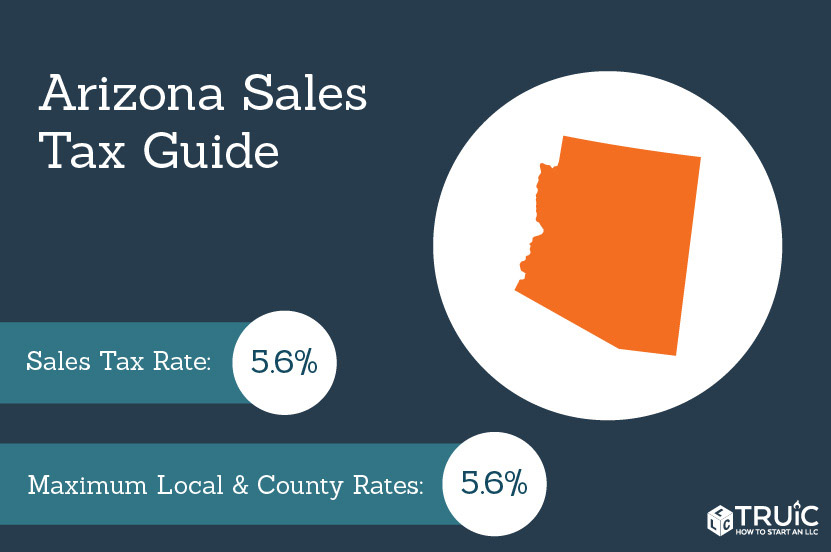
- State TPT Rate: This is a uniform rate applied across the entire state for various business classifications. As of recent updates, the general state TPT rate is 5.6%.
- County TPT Rate: Many counties in [Arizona] impose their own TPT on top of the state rate. These rates can vary by county.
- City (Municipal) TPT Rate: This is where the most significant variations occur. Nearly all incorporated cities and towns in [Arizona] levy their own TPT, which can differ substantially from one municipality to another. These city rates are often a major factor in the final tax rate you pay.
This layered approach means that the combined TPT rate can vary considerably depending on where you are within [Arizona]. A purchase made in one city might have a different total tax rate than the exact same purchase made just a few miles away in an adjacent city or an unincorporated area of a county. This variability necessitates awareness for travelers, especially those planning to visit multiple destinations within the state.
Key Taxable Activities for Travelers
For visitors, the TPT applies to a wide array of goods and services commonly consumed during a trip. These generally include:
- Retail Goods: Souvenirs, clothing, electronics, and most items purchased from stores.
- Restaurant Meals and Prepared Food: Dining out, take-out, and pre-prepared food items from grocery stores.
- Lodging: Hotel rooms, motel stays, resort fees, and often short-term rentals. Note that lodging often has additional specific taxes beyond the general TPT.
- Rental Cars: Vehicle rentals are subject to TPT, often alongside various other fees and surcharges.
- Recreational Activities: Tickets for attractions, tours, guided excursions, and other entertainment services.
- Select Services: Depending on the nature of the service, many professional and personal services may also be subject to TPT.
Understanding that nearly every transaction will incur some form of TPT is the first step in effective travel budgeting for your [Arizona] adventure.
Navigating TPT Rates Across Arizona’s Destinations
The combined TPT rate, as mentioned, is a patchwork of state, county, and municipal taxes. This means that your spending power can subtly shift depending on which [Arizona] city you find yourself in. Being aware of these differences can help travelers better allocate their funds, particularly for major purchases or longer stays.
Major Cities’ TPT Rates: A Snapshot
While exact rates can fluctuate due to local legislative changes, here’s a general overview of combined TPT rates in some of [Arizona]’s most popular travel destinations. It’s crucial to remember that these are approximate and represent the sum of state, county, and city TPT, sometimes excluding specific excise taxes like those on lodging or rental cars, which will be discussed separately.
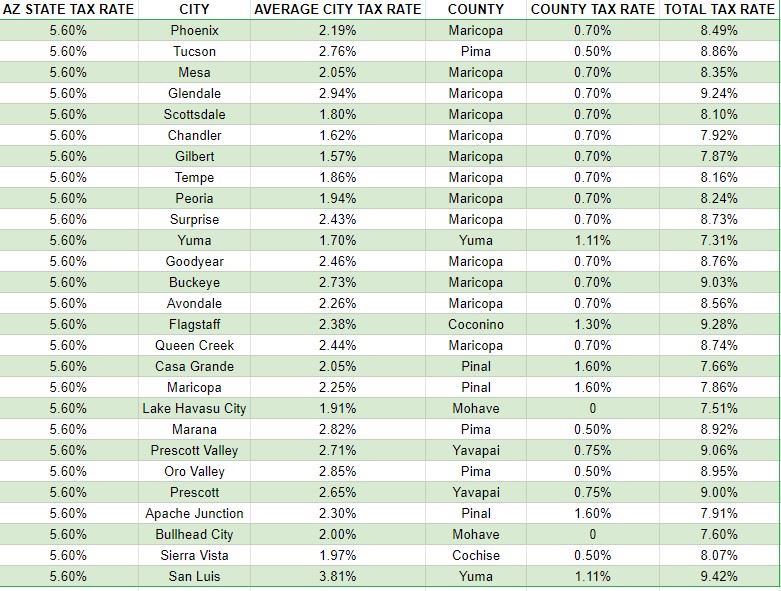
- [Phoenix]: As the state capital and largest city, [Phoenix] generally has a combined TPT rate that includes the state (5.6%), Maricopa County (0.7%), and a city rate. Historically, [Phoenix]’s municipal TPT has been around 2.3%, leading to a combined rate of approximately 8.6%.
- [Tucson]: Located in Pima County, [Tucson] applies the state rate (5.6%), a Pima County rate (typically 0.5%), and its own city rate. [Tucson]’s city TPT has been around 2.6%, resulting in a combined rate of roughly 8.7%.
- [Scottsdale]: An affluent suburb of [Phoenix] known for its resorts and nightlife, [Scottsdale] shares the state and Maricopa County rates but has its own municipal TPT. With a city rate typically around 1.75%, [Scottsdale]’s combined TPT rate is often in the range of 8.05%.
- [Mesa]: Another large city in the [Phoenix] metropolitan area, [Mesa] also shares the state and Maricopa County rates. Its municipal TPT is generally around 2%, bringing its combined rate to approximately 8.3%.
- [Sedona]: Famous for its stunning red rock formations, [Sedona] falls within both Yavapai County and Coconino County (though most of the tourist area is Yavapai County). With the state rate and a county rate (e.g., Yavapai County 0.75%), [Sedona]’s municipal TPT can be quite high, often around 3.5%, leading to combined rates potentially exceeding 9.8% in some areas.
- [Flagstaff]: Situated in Coconino County, near the Grand Canyon, [Flagstaff] has the state rate (5.6%), Coconino County TPT (around 0.5%), and a municipal rate. [Flagstaff]’s city TPT has been around 2.22%, placing its combined rate at approximately 8.32%.
It’s always a good practice to check the current rates for specific municipalities closer to your travel date, as these figures are subject to change by local ordinance. Websites of the Arizona Department of Revenue or specific city finance departments are reliable sources.
Impact on Travel Budgeting
The varying TPT rates across different cities and counties can have a noticeable impact on your overall travel budget, especially for longer trips or those involving significant expenditures. For example, a $100 souvenir might cost $108 in one city and $109.80 in another. While seemingly small on individual items, these differences accumulate across multiple purchases, restaurant meals, and hotel nights.
Consider a multi-city itinerary: if you spend several days in [Scottsdale] (lower general TPT) and then move on to [Sedona] (higher general TPT), your daily spending could fluctuate simply due to tax rates. Savvy travelers might factor these rates into their decisions on where to make larger purchases or where to dine out more frequently. Understanding these variations allows for more precise budgeting, ensuring that your travel funds are allocated effectively and you avoid any unexpected shortfalls.
Specific TPT Considerations for Travelers
Beyond the general TPT, travelers in [Arizona] will encounter additional taxes and fees, particularly on lodging, rental cars, and sometimes specific activities. These additional charges are crucial to factor into your travel budget as they can significantly increase the final cost of essential travel components.
Lodging Taxes: More Than Just TPT
When booking accommodation in [Arizona], you’ll typically face more than just the general state, county, and city TPT. Many cities and counties impose additional lodging-specific taxes, often referred to as “bed taxes,” “transient occupancy taxes,” or “hotel taxes.” These funds are frequently used to promote tourism, fund convention centers, or support local amenities.
For example, a hotel room in [Phoenix] or [Scottsdale] will have the combined TPT applied, but then an additional city-specific lodging tax will also be added. These additional taxes can range from 1% to 5% or even higher, depending on the municipality. For instance, [Phoenix] has a city lodging tax on top of its general TPT. This means that a $200 per night hotel room in a popular tourist area could easily incur $20-$30 or more in combined taxes and fees per night. Always check the total price, including all taxes and resort fees, when booking your accommodation to get an accurate picture of your nightly cost.
Restaurant and Food Taxes: Prepared vs. Unprepared
When dining out in [Arizona], prepared food and restaurant meals are generally subject to the full combined TPT rate of the locality where you are eating. This includes sit-down meals, take-out, fast food, and even prepared deli items from a grocery store.
However, a key distinction exists for unprepared food, or most raw groceries. In [Arizona], many basic food items intended for home preparation are typically exempt from the state TPT. While this offers some relief, local city and county TPTs can still apply to groceries in certain municipalities. For travelers, this means if you’re buying snacks, beverages, or ingredients for a picnic from a grocery store, you might only pay a fraction of the full TPT rate, or even no TPT on some items, depending on the store’s location. This nuance is less significant for most travelers who primarily dine out but is worth noting for those staying in accommodations with kitchens.
Rental Car Taxes and Fees: The Hidden Costs
Renting a car is a common necessity for exploring [Arizona]’s vast and varied attractions. However, rental car costs often come with a surprising number of additional taxes and fees that go beyond the base TPT. Besides the standard combined TPT on the rental price, you might encounter:
- Vehicle License Tax (VLT) or Surcharge: A state or local fee often tied to vehicle registration or rental privilege.
- Airport Concession Fees (ACF) or Customer Facility Charges (CFC): If you rent from an airport location, expect a significant percentage-based fee (often 10-11% or more) and a daily flat fee to fund airport facilities.
- Energy Surcharges or Road Safety Program Fees: Various other small fees that rental companies pass on.
These additional charges can add 20-30% or more to the advertised base rate of a rental car. Therefore, when comparing rental car prices, always look at the “estimated total” which includes all taxes and fees, rather than just the daily rate, to avoid significant surprises upon pick-up.
Attraction and Activity Taxes
Tickets for museums, national parks (like the Grand Canyon, though federal parks have their own fee structures separate from state TPT), guided tours, recreational activities, and entertainment venues are generally subject to the combined state, county, and city TPT of the location where the activity takes place. For example, a hot air balloon ride near [Sedona] will include [Sedona]’s higher combined TPT rate on its cost. This is usually straightforward, with the tax added to the ticket price at the point of sale.
Tips for Travelers Regarding Arizona’s Sales Taxes
Navigating [Arizona]’s Transaction Privilege Tax system doesn’t have to be daunting. With a few proactive steps, travelers can confidently manage their budgets and enjoy their trip without financial surprises.
Budgeting for the Unexpected
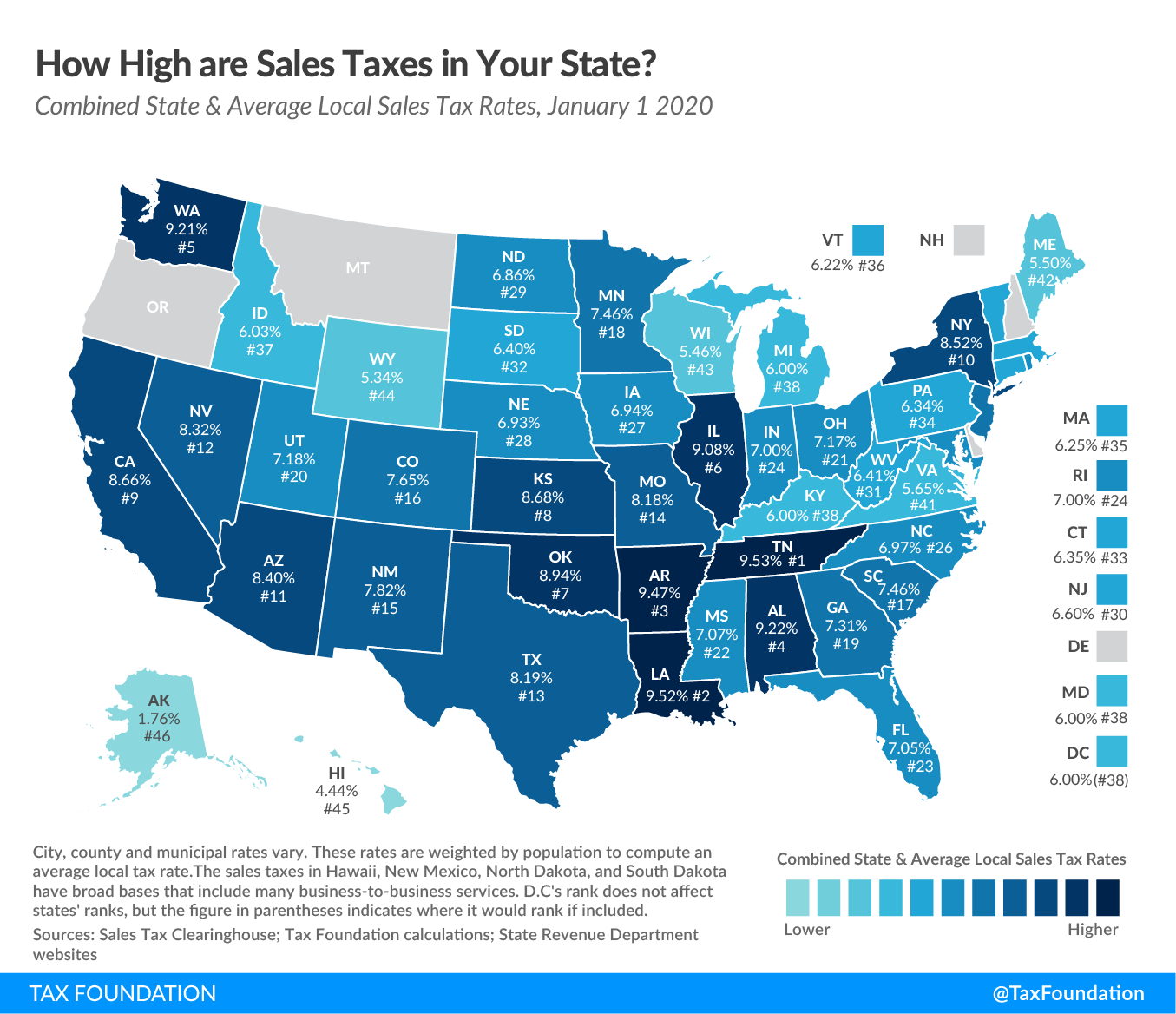
Given the varying TPT rates and additional specific taxes (especially on lodging and car rentals), it’s always wise to add a buffer to your travel budget. Instead of assuming an 8% tax rate across the board, round up to 9-10% for general purchases, and factor in significantly higher percentages for accommodation and rental cars. This cushion will help absorb any higher-than-anticipated taxes in certain locales, ensuring your trip remains stress-free from a financial perspective. Remember that published prices for hotels, tours, and car rentals often do not include these taxes and fees, which are added at checkout. Always look for the “total estimated cost” to get the full picture.
Checking Receipts: A Simple Act of Vigilance
While businesses in [Arizona] are generally diligent in applying the correct TPT, errors can occur. Get into the habit of briefly reviewing your receipts, especially for larger purchases or services like hotel stays and car rentals. Look for the TPT line item and ensure it aligns with your expectations for the local rate. If anything seems amiss, politely inquire with the business. This small act of vigilance can prevent overcharges, though most discrepancies are usually minor.
Understanding Exemptions (Limited for Travelers)
As previously mentioned, most unprepared groceries are exempt from the state TPT, though local TPTs may still apply. While this exemption primarily benefits residents, travelers staying in accommodations with kitchenettes might find small savings by purchasing basic food items for breakfast or snacks at a local grocery store. However, for the vast majority of traveler-centric purchases—dining out, souvenirs, attraction tickets, hotels, and car rentals—the full combined TPT will apply. Don’t expect widespread exemptions that significantly alter your travel budget. The general rule of thumb for travelers should be to assume most purchases are taxable.
Conclusion
A trip to [Arizona] offers an abundance of breathtaking sights and memorable experiences, from the majestic Grand Canyon to the vibrant arts scenes of its cities. While the state’s Transaction Privilege Tax system can appear intricate due to its multi-layered structure of state, county, and city rates, understanding its basics is a powerful tool for any traveler. By recognizing that TPT is typically passed on to the consumer, anticipating varying rates across different municipalities, and accounting for additional lodging and rental car taxes, you can build a more accurate and robust travel budget. A little preparation goes a long way in ensuring that your financial planning aligns with the realities of expenses in the Grand Canyon State, allowing you to focus on creating unforgettable memories rather than worrying about unexpected costs. Enjoy your tax-savvy adventure through the diverse and beautiful landscapes of [Arizona]!
LifeOutOfTheBox is a participant in the Amazon Services LLC Associates Program, an affiliate advertising program designed to provide a means for sites to earn advertising fees by advertising and linking to Amazon.com. Amazon, the Amazon logo, AmazonSupply, and the AmazonSupply logo are trademarks of Amazon.com, Inc. or its affiliates. As an Amazon Associate we earn affiliate commissions from qualifying purchases.