
The allure of a snow-capped mountain escape is undeniable, and for many in Southern California, the first thought often turns to Big Bear, California. A popular destination renowned for its stunning alpine scenery, charming village, and diverse recreational opportunities, Big Bear truly transforms into a winter wonderland when dusted with snow. But the million-dollar question for eager travelers and winter sports enthusiasts is frequently: “Is there snow in Big Bear right now?” While a definitive, real-time answer requires checking current conditions, understanding Big Bear’s climate patterns, how to monitor snow levels, and what to expect during a snowy visit is key to planning an unforgettable trip. This comprehensive guide will delve into everything you need to know about snow in Big Bear, transforming uncertainty into informed excitement for your next mountain adventure.

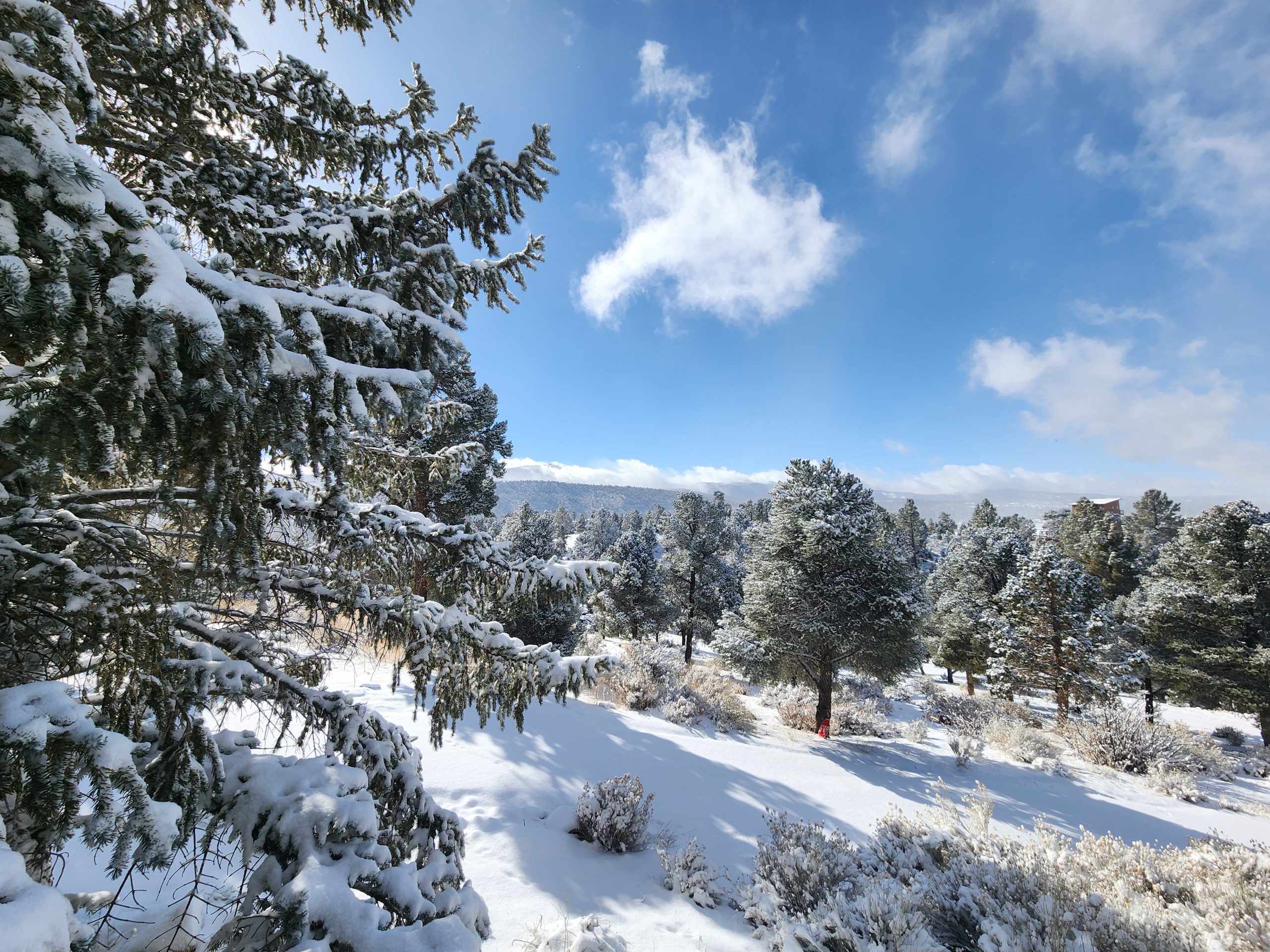
Decoding Big Bear’s Winter Wonderland: Current Snow Status
For many visitors, the presence of snow is the primary draw to Big Bear, dictating whether skis or hiking boots will be the preferred footwear. While no article can provide an exact, real-time snow report without being dynamically updated, understanding how to access this information and what factors influence snow accumulation is crucial.
Real-time Snowfall and Conditions Update
Pinpointing the exact amount of snow on the ground in Big Bear at any given moment requires consulting dedicated resources. The most reliable sources for up-to-the-minute snow conditions are typically the official websites of the major ski resorts, Snow Summit and Bear Mountain. These sites provide daily snow reports, detailing fresh snowfall, base depth, open trails, and lift status. Many also feature live webcams strategically placed across the mountain, offering visual confirmation of the snow cover and weather.
Beyond resort-specific data, several weather forecasting services and apps specialize in mountain conditions. Websites like NOAA (National Oceanic and Atmospheric Administration) and other regional meteorological sites offer detailed forecasts for the Big Bear Lake area, including expected snowfall, temperatures, and wind speeds. It’s important to remember that snow accumulation can vary significantly even within the Big Bear region due to elevation differences. Higher elevations generally receive more snow and retain it longer. Historically, Big Bear experiences its peak snowfall from December through March, with occasional early or late-season storms. The average annual snowfall typically ranges from 60 to 100 inches, providing a consistent winter sports season.
The Dynamics of Mountain Weather
Big Bear’s position in the San Bernardino Mountains means its weather is influenced by a complex interplay of factors, making snow conditions both dynamic and, at times, unpredictable. Pacific storm fronts are the primary drivers of snowfall. When these moisture-laden systems collide with the cold air and higher elevations of Big Bear, they can unleash significant snow.
Temperature is, of course, a critical component. Even if a storm brings precipitation, if temperatures are too high, it will fall as rain rather than snow. Elevation plays a vital role; the summit of Big Bear Mountain sits at over 8,800 feet, significantly increasing its chances of receiving and holding snow compared to the village floor at around 6,750 feet. Seasonal climate patterns, such as El Niño or La Niña, can also influence the overall winter outlook, leading to wetter-than-average or drier-than-average seasons across California. While man-made snowmaking technology at Snow Summit and Bear Mountain can supplement natural snowfall, especially during warmer spells or lean seasons, nothing quite compares to fresh powder from a natural storm. Therefore, while checking real-time conditions is paramount, understanding these meteorological dynamics provides valuable context for your expectations.
Beyond the Snow: Big Bear’s Allure as a Winter Travel Destination
Even if snow isn’t currently falling, or if you prefer activities beyond skiing and snowboarding, Big Bear offers a comprehensive winter experience that extends far beyond the slopes. Its reputation as a premier destination is built on a rich tapestry of activities, scenic beauty, and a welcoming atmosphere.
Premier Ski Resorts and Winter Sports
When the snow arrives, Big Bear transforms into Southern California’s ultimate winter playground. The twin resorts of Snow Summit and Bear Mountain, collectively known as Big Bear Mountain Resort, offer diverse terrain for skiers and snowboarders of all skill levels. Snow Summit is known for its impeccably groomed runs, family-friendly atmosphere, and extensive beginner areas, making it ideal for those learning the ropes. It also boasts night skiing on select evenings, adding an extra layer of magic to the experience.
Bear Mountain, on the other hand, is a mecca for freestylers, featuring multiple terrain parks, halfpipes, and jumps that attract some of the best riders in the country. Both resorts offer professional ski and snowboard lessons, equipment rentals, and a host of amenities to ensure a smooth day on the mountain. Beyond the resorts, other options like Snow Valley Mountain Resort offer additional choices for varying preferences and skill levels. For those seeking snow play without the skis, tubing parks are a popular choice, providing exhilarating fun for families and groups. Snowshoeing and cross-country skiing trails also offer a serene way to explore the quieter, pristine snow-covered landscapes surrounding the main activity hubs.
Charming Villages and Lakeside Activities
Big Bear’s charm isn’t confined to its slopes. The heart of the community, Big Bear Lake Village, is a picturesque hub brimming with shops, restaurants, and entertainment. Strolling through the village, especially when adorned with twinkling lights and a fresh layer of snow, evokes a quintessential holiday spirit. Visitors can browse unique boutiques for souvenirs, art, and winter gear, or warm up in one of the many cozy cafes and restaurants offering everything from casual comfort food to fine dining.
Even in winter, Big Bear Lake remains a central feature. While not suitable for swimming, its frozen expanse (when conditions allow) offers stunning views and photography opportunities. Ice skating rinks, often set up seasonally, provide another classic winter activity. A scenic gondola ride up Snow Summit offers breathtaking panoramic views of the entire valley and the glistening lake, a truly memorable experience even for non-skiers. Wildlife viewing is also possible, with bald eagles often spotted in the area during the colder months. The blend of vibrant village life and serene natural beauty ensures that there’s always something to captivate visitors, regardless of their snow sport inclination.
Planning Your Big Bear Winter Escape: Essential Tips

A successful winter trip to Big Bear requires careful planning, especially when snow is involved. From timing your visit to packing the right gear, a little foresight can make all the difference in enjoying your mountain getaway.
Best Time to Visit for Snow
The prime window for experiencing reliable snow in Big Bear typically spans from December through March.
- December: Often marks the start of the season, with good chances of early snow and festive holiday events.
- January & February: These are generally the coldest months and offer the highest probability of significant snowfall and excellent skiing conditions. Expect larger crowds, especially on weekends and holidays.
- March: Can still deliver considerable snow, often with milder temperatures and longer daylight hours, making for pleasant spring skiing. It’s also a great time to find potentially fewer crowds than the peak winter months.
While November and April can sometimes see snow, conditions are less consistent. For those prioritizing fresh powder and a full winter experience, aiming for January or February is usually the safest bet. However, checking the long-range forecast closer to your desired dates is always advisable.
Accommodation and Logistics
Booking your accommodation well in advance is crucial, particularly if you plan to visit during peak season weekends, holidays, or after a major snowfall. Big Bear offers a wide range of options, from rustic cabins and charming bed-and-breakfasts to luxury vacation rentals and hotels. Many properties come equipped with amenities like hot tubs, fireplaces, and fully stocked kitchens, enhancing the cozy winter experience.
Logistics also include transportation. Big Bear is accessible via scenic mountain roads, but winter conditions can make driving challenging. It is legally mandated that all vehicles carry tire chains (or have 4-wheel drive/all-wheel drive with snow tires) when traveling in the mountains during inclement weather, and chain control checkpoints are common. Always check Caltrans road conditions (dot.ca.gov) before heading up. Parking in the village and at the resorts can also be limited, so consider shuttle services or carpooling where available. Early arrival to the ski resorts is recommended on busy days.
What to Pack and Prepare
Packing smart is essential for a comfortable and enjoyable winter trip. Layered clothing is key, as temperatures can fluctuate throughout the day and depending on your activity level.
- Base layers: Moisture-wicking materials to keep you dry.
- Mid-layers: Fleece or down for insulation.
- Outer shell: Waterproof and windproof jacket and pants for protection against snow and cold.
- Accessories: Waterproof gloves or mittens, a warm hat, neck gaiter, and sunglasses or goggles are critical. Even on cloudy days, UV reflection off the snow can be intense.
- Footwear: Waterproof boots with good traction are a must for walking around the village and any non-skiing snow activities.
- Sunscreen: Don’t forget high-SPF sunscreen; the sun’s rays are stronger at altitude.
- Essentials: Bring plenty of water, snacks, and any necessary medications.
If you plan on skiing or snowboarding, you’ll need appropriate gear, which can be rented at the resorts or various shops in Big Bear and on the way up the mountain. Preparing adequately ensures you can fully immerse yourself in the beauty and activities Big Bear has to offer, regardless of the snow conditions.
Year-Round Beauty: Big Bear Beyond Winter
While snow is a major draw, Big Bear’s charm isn’t limited to winter. This versatile destination offers distinct and equally captivating experiences throughout the year, making it a truly exceptional travel choice in any season.
Spring’s Awakening and Summer Adventures
As the snow melts and temperatures rise, Big Bear undergoes a stunning transformation. Spring brings forth a burst of wildflowers, green landscapes, and the gentle trickle of snowmelt feeding into Big Bear Lake. This is an ideal time for hiking, with trails becoming more accessible and the air crisp and invigorating.
Summer, however, is when Big Bear Lake truly shines. The lake becomes a hub of activity, offering opportunities for boating, fishing, kayaking, paddleboarding, and jet skiing. Mountain biking is another immensely popular summer pursuit, with extensive trails ranging from gentle scenic routes to challenging downhill tracks, including those at Snow Summit which transforms into a bike park. Hiking continues to be a favorite, with access to stunning paths like portions of the Pacific Crest Trail nearby. The milder temperatures and clear mountain air make Big Bear a refreshing escape from the summer heat of lower elevations.
Autumn’s Golden Hues
Autumn in Big Bear offers a spectacular display of nature’s artistry. As the leaves begin to change, the mountainsides are painted with vibrant shades of gold, orange, and red, creating a breathtaking backdrop for hiking and scenic drives. The crisp, cool air and fewer crowds make this a perfect season for tranquil exploration. Fishing on Big Bear Lake remains excellent, and opportunities for photography abound. Various fall festivals and events often take place, adding to the festive atmosphere. Autumn serves as a beautiful transition, hinting at the coming winter while celebrating the last vestiges of warmth and color.
Whether blanketed in snow, blooming with spring flowers, basking in summer sun, or adorned in autumn foliage, Big Bear consistently delivers unique and memorable travel experiences, proving its enduring appeal as a year-round destination.
Ultimately, whether there is snow in Big Bear right now is a fleeting question best answered by real-time checks. But the broader picture reveals a dynamic, captivating destination that offers rich experiences for every traveler, no matter the season. From the thrill of its snow-covered slopes and cozy village charm in winter to its vibrant lake activities and scenic trails in warmer months, Big Bear stands ready to enchant. Plan wisely, check conditions, and prepare for an unforgettable adventure in this Southern California gem.
LifeOutOfTheBox is a participant in the Amazon Services LLC Associates Program, an affiliate advertising program designed to provide a means for sites to earn advertising fees by advertising and linking to Amazon.com. Amazon, the Amazon logo, AmazonSupply, and the AmazonSupply logo are trademarks of Amazon.com, Inc. or its affiliates. As an Amazon Associate we earn affiliate commissions from qualifying purchases.