
Embarking on a journey to the Grand Canyon State, Arizona, promises an unforgettable experience filled with breathtaking landscapes, vibrant cities, and rich cultural heritage. From the scorching deserts of the south to the pine-clad mountains of the north, Arizona offers a diverse tapestry for every traveler. While planning your itinerary, packing your bags, and booking accommodations, one crucial aspect that often gets overlooked is understanding local communication—specifically, the area codes. For a seamless and stress-free travel experience, knowing how to connect and communicate effectively is paramount. This guide demystifies Arizona’s area codes, providing essential insights for every traveler.

Navigating Communication in the Grand Canyon State
When you travel, communication is your lifeline. It’s how you confirm hotel reservations, book last-minute tours, reach out to emergency services, or simply coordinate with fellow travelers. In a vast and diverse state like Arizona, where distances can be considerable and cellular coverage might vary, understanding the local telecommunications landscape is more than just a minor detail; it’s an integral part of your travel preparation.
Understanding Area Codes for Travelers
An area code is essentially a geographical prefix that precedes a seven-digit phone number, directing calls to a specific region within a country. In the US, these three-digit codes are vital for routing calls correctly. For travelers, knowing the area codes relevant to their planned destinations in Arizona serves several practical purposes:
- Contacting Local Services: Whether you need to call a restaurant for a reservation in Sedona, inquire about museum hours in Phoenix, or confirm a jeep tour departure time near the Grand Canyon, you’ll need the correct area code.
- Emergency Preparedness: While 911 is universal, having local non-emergency numbers saved, complete with their area codes, can be invaluable for less critical situations or specific assistance.
- Coordinating with Travel Companions: If you or your companions acquire local prepaid SIM cards, understanding the area codes helps ensure smooth communication within your group.
- Avoiding Confusion: With multiple area codes, especially in urban overlay zones, clarity on dialing procedures prevents frustrating communication hiccups and ensures you connect efficiently.
By familiarizing yourself with Arizona’s area codes, you empower yourself with the knowledge to stay connected, access necessary services, and ultimately enhance the safety and enjoyment of your trip.
The Essential Area Codes of Arizona for Your Journey
Arizona is covered by three primary area codes, each serving distinct geographical regions, though one significant urban hub uses an overlay system. Understanding where each code applies will greatly simplify your communication as you traverse the state.
The 480, 602, and 623 Overlays: The Phoenix Metropolitan Hub
The Greater Phoenix metropolitan area, often referred to as the Valley of the Sun, is a sprawling urban expanse that serves as a major entry point and destination for many travelers. This vibrant region, home to the state capital, is unique in Arizona for its area code structure: it employs an overlay system. This means that three area codes—480, 602, and 623—all serve the same geographical region, encompassing Phoenix itself and its numerous surrounding cities like Scottsdale, Mesa, Glendale, and Tempe.
For travelers, the most crucial implication of an overlay system is that ten-digit dialing is mandatory for all local calls within this region. You cannot simply dial a seven-digit number; you must always include the three-digit area code, even if calling a number just across the street. This system was implemented to accommodate the rapid population growth and increasing demand for phone numbers without requiring a geographical split.
Travel Relevance in the Phoenix Metro:
- Accommodations: Whether you’re staying at a luxury resort in Scottsdale, a boutique hotel downtown, or a budget-friendly option near Phoenix Sky Harbor International Airport, its phone number will start with 480, 602, or 623.
- Attractions: Contacting places like the Desert Botanical Garden, the Heard Museum, or booking hot air balloon rides will require you to use the full ten-digit number.
- Services: From car rental agencies to ride-sharing services, medical clinics, or restaurant reservations, all contacts within this metro area will adhere to the 480/602/623 prefix and require ten-digit dialing.
Be prepared to encounter any of these three codes when interacting with businesses or individuals in the greater Phoenix area.
The Expansive 520 Code: Tucson and Southern Arizona’s Gateway
Moving south from Phoenix, the 520 area code covers a significant portion of southern Arizona, with Tucson as its largest and most prominent city. This region is characterized by its stunning Sonoran Desert landscapes, rich history, and vibrant blend of Native American, Mexican, and Old West cultures.
The 520 area code extends beyond Tucson to include towns like Nogales (on the border with Mexico), Sierra Vista, and historic Bisbee. Unlike the Phoenix metro, the 520 area code generally operates without an overlay, meaning it’s the sole code for its expansive territory. However, to maintain consistency with national dialing standards and ease of use, ten-digit dialing is still the recommended practice for all calls within and to this region.
Travel Relevance in Southern Arizona:
- Tucson Exploration: When booking a stay at a resort in the Catalina Foothills, making dinner reservations in downtown Tucson, or arranging a visit to the Arizona-Sonora Desert Museum or Saguaro National Park, you’ll use phone numbers beginning with 520.
- Historical Sites: Planning visits to Spanish missions like San Xavier del Bac or exploring the Tombstone Historic District will involve contacting establishments within the 520 area.
- Outdoor Adventures: Whether you’re seeking to explore mountain ranges like the Santa Catalinas or engage in bird-watching near Ramsey Canyon, local guides and outfitters will typically have 520 numbers.
The 520 area code is your key to unlocking the charms and adventures of Arizona’s southern frontier.
The Widespread 928 Code: Northern and Western Arizona’s Wonders
The 928 area code is by far the largest geographically, covering nearly the entire northern and western expanses of Arizona. This vast region is home to some of the state’s most iconic natural wonders and popular tourist destinations, including the awe-inspiring Grand Canyon, the spiritual red rock country of Sedona, the cool mountain air of Flagstaff, the high desert beauty of Prescott, and the desert river city of Yuma. It also encompasses tribal lands of various Native American nations, adding to its rich cultural tapestry.
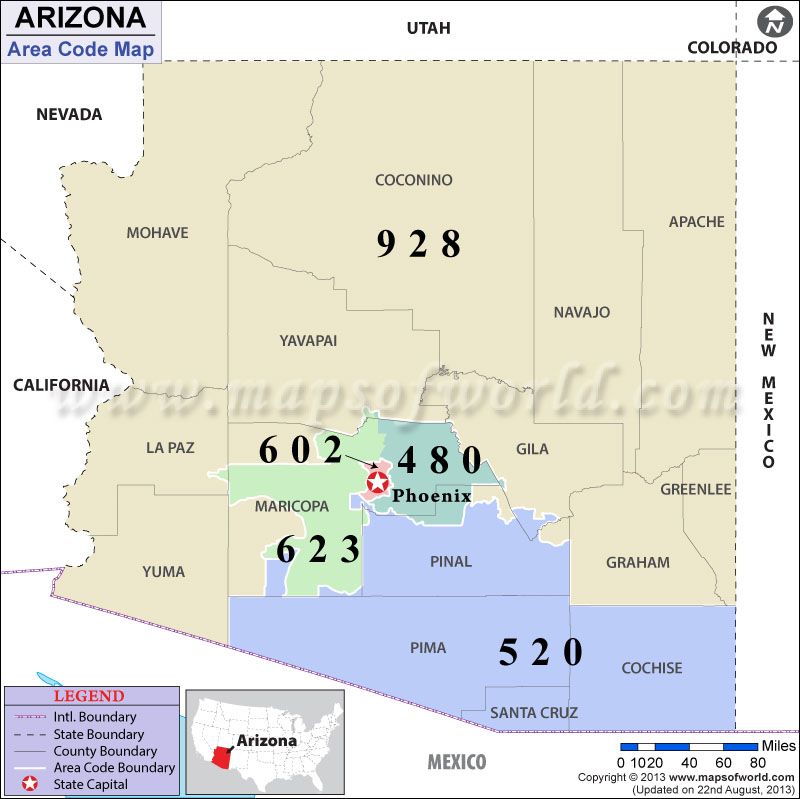
Similar to the 520 area, the 928 code serves as the sole identifier for its extensive territory. However, consistent with modern telecommunication standards, ten-digit dialing (area code + seven-digit number) is the standard and recommended practice for all calls within and to this region.
Travel Relevance across Northern and Western Arizona:
- Grand Canyon Adventures: Any calls to hotels within the Grand Canyon National Park, tour operators for helicopter or rafting excursions, or visitor services will use the 928 prefix.
- Sedona Retreats: Booking spa treatments, jeep tours, or accommodations in the scenic Sedona area will involve 928 numbers.
- Flagstaff & Beyond: Whether you’re contacting ski resorts near Flagstaff, lodges in Page for Antelope Canyon tours, or houseboats on Lake Powell, the 928 area code will be your guide.
- Yuma Exploration: For those visiting the historic Yuma Territorial Prison State Historic Park or enjoying the Colorado River, local businesses will feature 928 numbers.
The 928 area code covers a vast and varied landscape, making it crucial for travelers to this iconic part of Arizona.
Seamless Communication: Dialing Procedures and Traveler Tips
Beyond simply knowing the area codes, understanding how to dial them correctly and implementing smart communication practices can significantly enhance your travel experience in Arizona.
Mastering Arizona’s Dialing Rules
The nationwide shift to ten-digit dialing (area code + seven-digit number) has become the standard across the US, and Arizona is no exception. While some areas might still permit seven-digit dialing for local calls if they don’t have an overlay, it is universally recommended to always dial the full ten digits. This practice eliminates confusion, ensures your calls connect, and aligns with national telecommunication trends.
- Dialing within Arizona: For any call made from one Arizona number to another, regardless of the area code or proximity, always dial
[3-digit Area Code] + [7-digit Local Number]. - Dialing Arizona from outside the state (within the US): Dial
1 + [3-digit Area Code] + [7-digit Local Number]. The1prefix indicates a long-distance call within the US. - Dialing Arizona from international locations: Dial
+1 + [3-digit Area Code] + [7-digit Local Number]. The+1is the country code for the US.
Before your trip, it’s wise to verify your mobile phone plan’s roaming policies and charges if you’re traveling from out-of-state or internationally. Unexpected fees can quickly add up.
Essential Communication Practices for a Stress-Free Trip
Proactive planning for communication can avert many common travel frustrations.
- Prioritize Saving Important Numbers: Before or upon arrival, save critical contact information in your phone. This includes your hotel’s front desk, rental car company, tour operators, and local emergency contacts like a non-emergency Police department number (in addition to 911).
- Reliable Mobile Coverage: While major cities in Arizona generally have good mobile coverage, signal strength can be spotty in remote areas, particularly around natural attractions like the Grand Canyon or deep within national parks. Check your service provider’s coverage map for your planned routes, and consider downloading offline maps.
- Utilize Wi-Fi: Most hotels, cafes, restaurants, and attractions offer free Wi-Fi. Leverage this for communication. Apps like WhatsApp, FaceTime, or Google Meet allow you to make calls and send messages over an internet connection, saving on mobile data or call costs, especially beneficial for international travelers.
- Pre-paid SIM Cards: For extended stays or international visitors desiring a local number and cost-effective data, purchasing a pre-paid SIM card from a local carrier upon arrival can be an excellent option.
- Emergency Dialing: In any genuine emergency requiring immediate assistance from Police, Fire, or Ambulance services anywhere in Arizona (or the entire US), always dial 911. This number is free and accessible from any phone.
Beyond the Codes: Enhancing Your Arizona Travel Experience
Staying connected in Arizona extends beyond just knowing area codes; it’s about leveraging technology and smart planning to make your journey smoother, safer, and more enjoyable.
Technology and Connectivity in Your Travel Toolkit
Modern travel heavily relies on digital tools. Beyond voice calls, connectivity powers crucial aspects of your trip:
- Navigation: Apps like Google Maps or Waze are indispensable for navigating Arizona’s roads, especially when exploring vast distances between cities. Ensure you have reliable data or download offline maps in advance.
- Information & Translation: Quick access to the internet allows you to check weather forecasts, find local events, look up operating hours for attractions, or use translation apps if needed, though English is widely spoken.
- Digital Ticketing & Bookings: Many attractions and tours now rely on digital tickets and confirmations, which require internet access to retrieve.
- Portable Wi-Fi Devices/eSIMs: For those who need constant, reliable internet access for multiple devices without relying on public Wi-Fi or expensive roaming, a portable Wi-Fi hotspot or an eSIM (if your phone supports it) loaded with a local data plan can be a valuable investment.
Embracing these technological aids can significantly enhance your ability to explore Arizona with confidence and ease.

Preparing for a Connected Adventure
Before you depart for the Grand Canyon State, take a few moments to assemble a “communication checklist”:
- Verify Contact Details: Double-check the phone numbers (including area codes) for all your booked accommodations, tours, and transportation.
- Notify Your Bank: Inform your bank and credit card companies of your travel dates and destinations to prevent potential fraud alerts that might block your transactions.
- Share Your Itinerary: Provide a copy of your travel itinerary and key contact numbers to a trusted family member or friend back home.
- Backup Power: Carry a portable power bank for your phone, especially when exploring remote areas where charging outlets are scarce.
By being informed about Arizona’s area codes and implementing these practical communication tips, you’re well-equipped for a seamless, enjoyable, and safely connected journey through one of America’s most captivating states.
LifeOutOfTheBox is a participant in the Amazon Services LLC Associates Program, an affiliate advertising program designed to provide a means for sites to earn advertising fees by advertising and linking to Amazon.com. Amazon, the Amazon logo, AmazonSupply, and the AmazonSupply logo are trademarks of Amazon.com, Inc. or its affiliates. As an Amazon Associate we earn affiliate commissions from qualifying purchases.