
In the sprawling and dynamic landscape of Texas, establishing your identity is not just a formality; it’s a foundational step to fully engaging with the vibrant lifestyle the state offers. Whether you’re a long-term resident, a new arrival seeking to plant roots, or someone simply needing official documentation for various life events, obtaining a Texas identification card or driver’s license is crucial. This guide delves into the process, illuminating the pathways to securing your official ID and integrating seamlessly into the Texan way of life.
The Indispensable Role of Texas Identification in Your Lifestyle
An official identification card in Texas transcends its basic function as a mere document; it acts as a key, unlocking a multitude of opportunities and simplifying daily life. From the practicalities of navigating urban centers to establishing your presence in a new community, a valid Texas ID is a cornerstone of modern living.
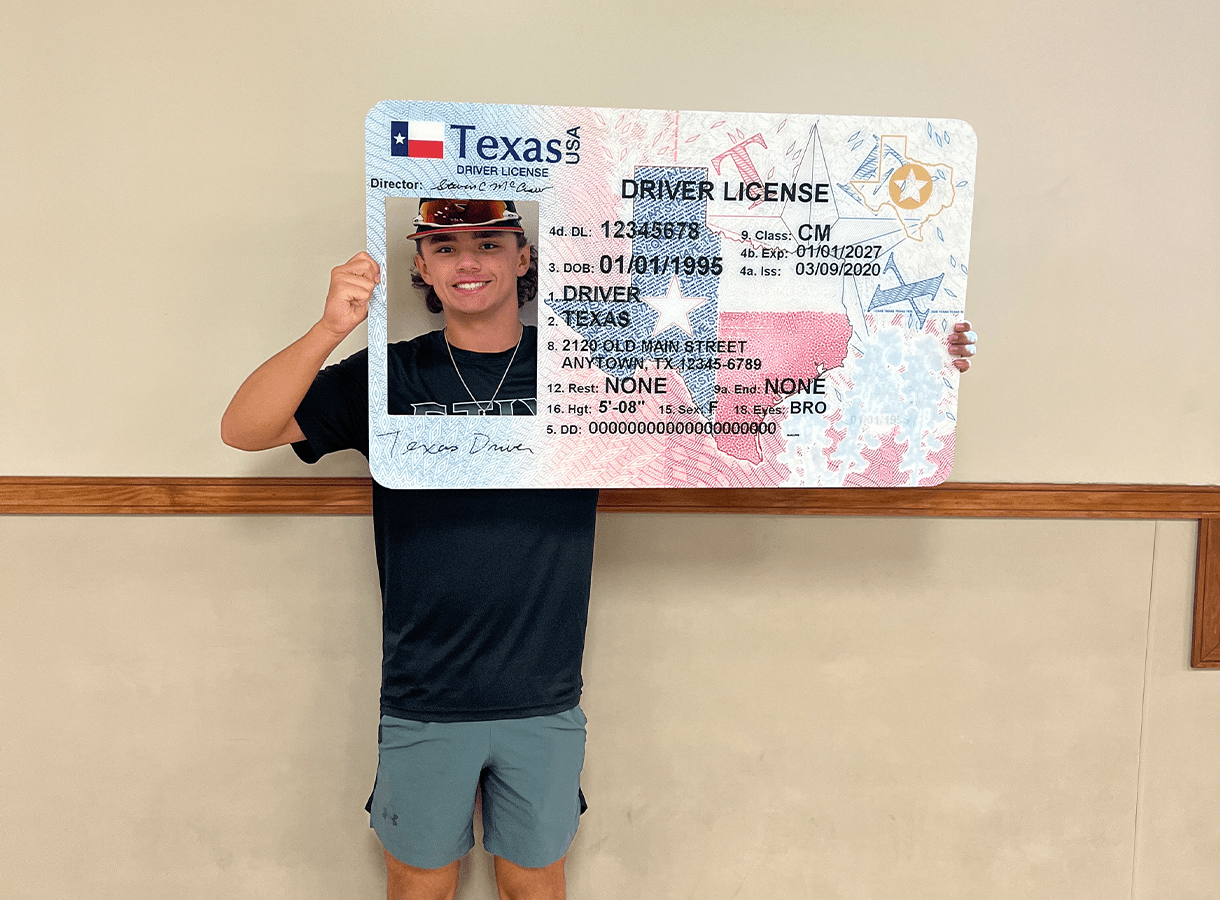
Establishing Identity and Residency
At its core, a Texas ID serves as definitive proof of your identity and, often, your residency within the state. For newcomers, this is particularly vital. It’s the official recognition that you are indeed living within Texas borders, a status required for everything from registering your children in school to applying for utilities in your name. For those who are not planning to drive, a state identification card provides the same identity verification without the driving privileges, ensuring everyone has access to official recognition. This foundational step is essential for building a life, establishing credit, and accessing public services, all integral components of a stable lifestyle.
Facilitating Daily Transactions and Services
Imagine trying to open a bank account, cash a check, or even pick up a package without a government-issued ID. These common, everyday transactions become virtually impossible. A Texas ID streamlines these processes, making financial services accessible and ensuring you can conduct your personal and business affairs without undue hurdles. Beyond financial matters, an ID is frequently required for age verification, whether purchasing age-restricted items or enjoying nightlife. It facilitates access to healthcare services, legal proceedings, and employment opportunities, underpinning the very structure of daily life and enabling a sense of normalcy and independence.
Enabling Mobility and Exploration
For many, the ability to drive is synonymous with freedom, especially in a state as vast as Texas. A Texas driver’s license not only permits you to legally operate a vehicle but also serves as a robust form of identification, often preferred over state ID cards in situations where mobility is inferred. This freedom of movement is paramount, whether you’re commuting to work in Houston, exploring the cultural landmarks of San Antonio, or venturing into the scenic beauty of the Big Bend National Park. Even for those who primarily use public transport, having an ID allows for easier verification in various travel contexts, such as domestic flights or inter-city bus services, making exploration and connectivity an integral part of your lifestyle.
Understanding Your Texas ID Options
Before embarking on the application process, it’s crucial to understand the types of identification available and which one best suits your needs. Texas primarily offers two main forms of state-issued identification for residents: a driver’s license and a state identification card.
Driver’s Licenses vs. State ID Cards
The most common form of identification in Texas is the driver’s license. It serves a dual purpose: it grants you the legal privilege to drive various classes of vehicles and acts as a primary form of identification. For most adults, this is the preferred option due to its versatility.
A Texas identification card, on the other hand, is designed for individuals who do not drive or are not eligible for a driver’s license. It carries the same weight as a driver’s license for identification purposes but does not confer any driving privileges. This is an excellent option for non-drivers, seniors, or individuals with certain medical conditions, ensuring they still possess official state identification. Both cards display your photo, name, address, date of birth, and a unique identification number.
Eligibility Requirements for Texas Residents
To be eligible for a Texas driver’s license or ID card, you generally must be a U.S. citizen or have lawful presence in the U.S., and you must be a resident of Texas. For a driver’s license, applicants must typically be at least 16 years old (with additional requirements for those under 18, such as completing driver education courses). For a state ID card, there is no minimum age requirement, although children usually obtain them for specific needs like school enrollment or travel. Proving residency is a key component, usually requiring documents like utility bills, lease agreements, or bank statements with a Texas address.
Special Considerations for Newcomers and Non-Citizens
New residents to Texas who hold a valid driver’s license from another U.S. state or territory may be able to transfer their license without taking the written or driving tests, provided they meet all other eligibility criteria. However, you must surrender your out-of-state license.
For non-citizens, the process is slightly more nuanced. You must demonstrate lawful presence in the U.S., which is typically proven with valid immigration documents such as a Green Card, visa, or employment authorization document. The duration of your lawful presence will determine the validity period of your Texas ID or driver’s license, which will usually expire concurrently with your immigration document. This ensures that everyone legally residing in Texas, regardless of citizenship status, can obtain proper identification, facilitating their integration into the Texan lifestyle.
Navigating the Application Process: Step-by-Step
Obtaining your Texas ID requires careful preparation and a systematic approach. The process, managed by the Texas Department of Public Safety (DPS), involves gathering specific documents, completing an application, and visiting a DPS office.
Gathering Your Core Documentation

This is perhaps the most critical step, as incomplete documentation is the leading cause of delays. The DPS requires several categories of documents to verify your identity, citizenship or lawful presence, and residency.
Proof of Identity
You will need at least two primary documents or one primary and one secondary document to establish your identity. Examples of primary documents include an unexpired U.S. passport, a U.S. birth certificate, or an unexpired permanent resident card (Green Card). Secondary documents might include a Social Security card, a W-2 form, or a health insurance card. It is always best to check the DPS website for the most current and comprehensive list.
Proof of U.S. Citizenship or Lawful Presence
This category often overlaps with proof of identity. U.S. citizens typically use their birth certificate or passport. Non-citizens must provide valid immigration documents issued by the U.S. government, such as an I-551 (Green Card), a valid foreign passport with an unexpired visa and I-94 record, or an Employment Authorization Document (EAD).
Proof of Texas Residency
The DPS requires at least two documents that verify your current physical address in Texas. These should be dated within 90 days of your application. Acceptable documents include utility bills (electricity, water, gas), current lease agreements or mortgage statements, property tax statements, or a valid Texas voter registration card. It’s vital that these documents clearly show your name and current residential address.
Social Security Number Verification
You must present your original Social Security card or a document that contains your Social Security Number (SSN), such as a W-2 form, a SSA-1099 form, or a pay stub. While the number is required, the physical card might not always be needed if another document clearly displays it.
Scheduling Your Visit to the DPS Office
Once you have all your documents in order, the next step is to schedule an appointment at a DPS driver’s license office. While walk-ins are sometimes accepted, appointments are highly recommended to minimize wait times, which can often be substantial in busy offices across Texas cities like Dallas or Austin. You can schedule an appointment online through the DPS website, choosing a date and time that works for you. Be punctual, as late arrivals may result in forfeiture of your slot.
The Application Appointment: What to Expect
On the day of your appointment, bring all your original documents, as copies are generally not accepted. You will complete an application form (DL-14A), have your photograph taken, and provide a thumbprint. You may also be required to pass a vision test. If applying for a driver’s license, you may need to pass a written knowledge test and a driving skills test, unless you qualify for an exemption. After successfully completing these steps and paying the applicable fee, you will typically receive a temporary paper ID, with your official card mailed to your Texas address within a few weeks. This temporary ID is valid for driving and identification purposes until your permanent card arrives.
Essential Tips and Common Pitfalls
Navigating bureaucratic processes can be daunting, but with proper preparation, you can ensure a smooth application for your Texas ID. Avoiding common mistakes can save you time and frustration, allowing you to quickly enjoy the full breadth of the Texan lifestyle.
Fees and Payment Methods
There is a fee associated with obtaining a Texas driver’s license or identification card. The exact amount can vary based on the type of ID and its validity period. Typically, the fee for a standard driver’s license for adults is around $33, while a state ID card is about $16. These fees are subject to change, so always verify the current rates on the DPS website. Most DPS offices accept cash, checks, money orders, and major credit cards (Visa, MasterCard, Discover, American Express). Having multiple payment options available is always a good idea.
Preparation is Key: Avoiding Delays
The single most common reason for delays in obtaining a Texas ID is insufficient or incorrect documentation. To avoid a wasted trip:
- Double-check the DPS website: Requirements can change, so always consult the official DPS website for the most up-to-date list of acceptable documents for your specific situation.
- Bring originals: Copies are rarely accepted. Ensure all your documents are original and unexpired.
- Organize your documents: Have them neatly arranged and easily accessible to present to the DPS agent.
- Arrive early for appointments: Even with an appointment, arriving 10-15 minutes early ensures you’re ready and don’t miss your slot.
- Complete forms beforehand: If forms are available online, print and fill them out prior to your visit to expedite the process.
Renewals and Replacements
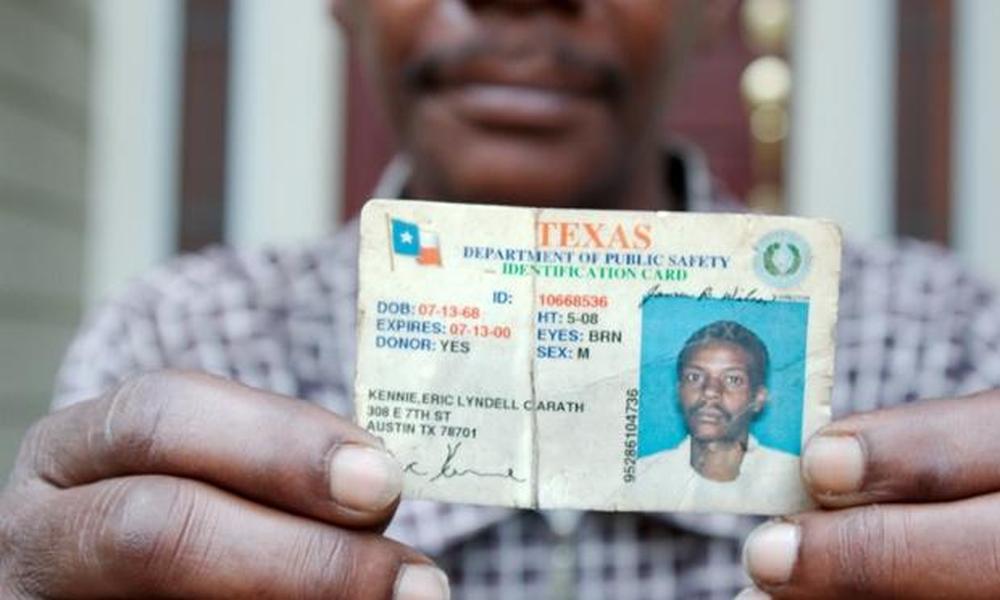
Your Texas driver’s license or ID card will have an expiration date, typically after eight years for adults. It’s crucial to renew it before it expires to maintain valid identification. The DPS often sends out renewal notices, but it’s ultimately your responsibility to track the expiration date. Many renewals can be done online, by mail, or by phone, provided you meet certain eligibility criteria (e.g., no changes to your vision or physical characteristics).
If your ID is lost or stolen, you can apply for a replacement either online (if eligible) or in person at a DPS office. You will need to provide proof of identity and pay a replacement fee. Promptly reporting a lost or stolen ID is advisable to prevent potential identity theft, protecting your personal lifestyle and financial security.
Securing your Texas ID is a straightforward process once you understand the requirements and prepare diligently. This essential document is your gateway to a smoother, more integrated experience within the diverse and dynamic lifestyle that Texas proudly offers.
LifeOutOfTheBox is a participant in the Amazon Services LLC Associates Program, an affiliate advertising program designed to provide a means for sites to earn advertising fees by advertising and linking to Amazon.com. Amazon, the Amazon logo, AmazonSupply, and the AmazonSupply logo are trademarks of Amazon.com, Inc. or its affiliates. As an Amazon Associate we earn affiliate commissions from qualifying purchases.