
The azure waters of the Atlantic Ocean glisten under the Florida sun, a postcard-perfect scene that draws millions to Miami each year. From the vibrant streets of South Beach to the cultural enclaves of Little Havana, this dynamic city offers an unparalleled blend of sun-drenched beaches, pulsating nightlife, and a rich tapestry of cultures. Miami is a global hub for tourism, a playground for the discerning traveler, and a constant source of inspiration for those seeking adventure, relaxation, or a taste of the exotic. However, this tropical paradise, like many coastal destinations, also exists under the watchful eye of a powerful, unpredictable force: hurricanes. The question, “Will the hurricane hit Miami?”, is not just a matter of curiosity; it’s a crucial consideration for anyone planning a trip, investing in property, or simply living in this beautiful, yet vulnerable, city.

Understanding the potential impact of a hurricane on Miami requires a multifaceted approach, encompassing meteorological forecasts, the city’s preparedness, and the implications for the tourism and hospitality industries that form the backbone of its economy. This article aims to provide a comprehensive overview, drawing on the wealth of information available on travel, accommodation, tourism, landmarks, and lifestyle, to help navigate the complexities of hurricane season in this iconic destination. Whether you’re dreaming of a luxurious getaway at the Fontainebleau Miami Beach, exploring the art deco wonders of the Art Deco Historic District, or simply seeking the best Cuban coffee in Little Havana, being informed about potential weather events is paramount to a seamless and enjoyable experience.
Navigating Hurricane Season: Preparation and Impact
Hurricane season in the Atlantic officially runs from June 1st to November 30th, with the peak activity typically occurring between August and October. This period is characterized by warm ocean waters and atmospheric conditions that are conducive to the formation of tropical cyclones. For Miami, a city situated on the southeastern tip of Florida, the threat of a hurricane is a recurring reality. The city’s low-lying coastal geography makes it particularly susceptible to storm surge, heavy rainfall, and destructive winds associated with these powerful storms.
Understanding Hurricane Forecasts and Advisories
The National Hurricane Center (NHC), based in Coral Gables, Florida, plays a vital role in monitoring tropical systems and issuing forecasts. Meteorologists track disturbances from their nascent stages, assigning names to developing storms and providing crucial information regarding their intensity, projected path, and potential impact. These forecasts are disseminated through various channels, including news outlets, government websites, and specialized weather apps. Staying informed about advisories, watches, and warnings issued by the NHC is the first and most critical step in preparing for a potential hurricane.
A Tropical Storm Watch indicates that tropical storm conditions are possible within the specified area, generally within 48 hours. A Tropical Storm Warning signifies that tropical storm conditions are expected somewhere within the specified area, generally within 36 hours. Similarly, a Hurricane Watch means that hurricane conditions are possible, and a Hurricane Warning indicates that hurricane conditions are expected. For a city like Miami, the lead time provided by these watches and warnings is invaluable, allowing residents and visitors ample opportunity to make necessary preparations.
The Economic and Tourism Repercussions
The impact of a hurricane on Miami‘s thriving tourism industry can be substantial. Cancellations, evacuations, and prolonged periods of disruption can lead to significant financial losses for hotels, airlines, restaurants, and tour operators. Destinations like South Beach, renowned for its vibrant nightlife and pristine beaches, can experience a sharp decline in visitors during hurricane season, particularly when a storm is threatening or has recently made landfall.
Hotels, from boutique accommodations in the Miami Design District to sprawling resorts along the coast, often have robust hurricane preparedness plans. These plans may include early reservation cancellations, securing property, and ensuring the safety of guests and staff. The Fontainebleau Miami Beach, a landmark resort, for instance, would have extensive protocols in place to manage guest departures and property protection. Similarly, attractions like Everglades National Park or cultural sites like the Vizcaya Museum & Gardens may face temporary closures, impacting the broader tourism ecosystem.
The travel industry, encompassing everything from flight bookings to cruise ship itineraries, must constantly adapt to the unpredictable nature of hurricane season. Airlines may reroute flights, cruise lines might alter their routes to avoid storm-affected areas, and travel insurance becomes an increasingly important consideration for any traveler venturing to the region during these months.
Miami’s Resilience: Preparedness and Recovery
Despite its vulnerability, Miami has developed a strong framework for hurricane preparedness and recovery. The city and county governments, along with numerous agencies, work collaboratively to ensure the safety and well-being of their residents and the millions of visitors who flock to the area.
Infrastructure and Evacuation Plans
Miami-Dade County has comprehensive evacuation plans in place, designating specific zones based on flood risk and proximity to the coast. These plans are regularly reviewed and updated, and public awareness campaigns are conducted to educate residents and visitors on evacuation routes, shelter locations, and essential preparedness steps. This includes having an emergency kit with food, water, medications, and important documents.
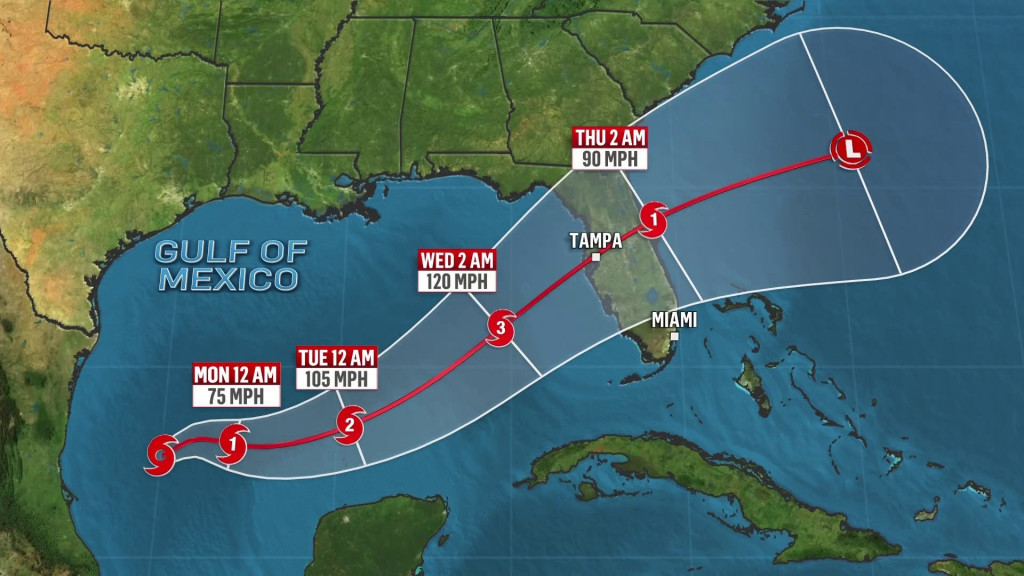
The city’s infrastructure, including its transportation networks and communication systems, is designed to withstand a certain level of impact. However, severe hurricanes can overwhelm even the most robust systems, leading to power outages, road closures, and communication disruptions. The ability to recover quickly from such events is a testament to the coordinated efforts of emergency services, utility companies, and community volunteers.
The Role of Hotels and Accommodation Providers
Hotels and other accommodation providers play a pivotal role in hurricane preparedness. Many establishments, particularly those in luxury segments like the Grand Hyatt Miami Beach or the Four Seasons Hotel Miami, have dedicated teams responsible for implementing hurricane plans. These plans often involve:
- Early Warning Systems: Monitoring weather forecasts and NHC advisories to anticipate potential impacts.
- Guest Communication: Proactively informing guests about potential weather events, evacuation orders, and cancellation policies.
- Property Securing: Boarding up windows, securing outdoor furniture, and taking measures to protect the property from wind and water damage.
- Staff Safety: Ensuring the safety and well-being of hotel staff, often providing shelter or facilitating their departure if necessary.
- Business Continuity: Developing plans to resume operations as quickly as possible after a storm, which can include providing essential services to the community.
For those considering long-term stays or looking for accommodations beyond traditional hotels, apartment rentals and villa bookings also fall under the umbrella of preparedness. Property managers and owners are expected to communicate weather risks and ensure their properties are adequately prepared. This diligent approach by the accommodation sector is crucial in safeguarding the visitor experience and the economic viability of the city.
Experiencing Miami: Beyond the Weather Forecast
While the specter of hurricanes is an important consideration, it should not overshadow the incredible experiences that Miami offers. The city’s allure extends far beyond its weather patterns, captivating visitors with its unique blend of culture, cuisine, and natural beauty.
Iconic Landmarks and Cultural Attractions
Miami is home to a wealth of landmarks and cultural attractions that cater to every interest. The Art Deco Historic District in South Beach is a living museum, showcasing a stunning collection of pastel-colored buildings from the 1920s and 1930s. Walking tours offer a glimpse into the architectural history and vibrant past of this iconic neighborhood.
For nature enthusiasts, Everglades National Park, a UNESCO World Heritage Site, offers a unique ecosystem of swamps, mangroves, and sawgrass prairies, teeming with wildlife. Airboat tours provide an exhilarating way to explore this vast wilderness. Back in the city, the Vizcaya Museum & Gardens, a Gilded Age estate, provides a serene escape with its beautiful Italian Renaissance gardens and historic villa.
Culinary Delights and Local Experiences
The tourism landscape of Miami is deeply enriched by its diverse culinary scene and vibrant local culture. Little Havana is a must-visit for an authentic taste of Cuban heritage, with its aroma of freshly brewed coffee, vibrant domino games, and lively music. Exploring Calle Ocho offers a sensory journey, from sampling a Cuban sandwich at a local ventanita to enjoying a traditional meal at a family-owned restaurant.
Beyond Cuban influences, Miami boasts a global culinary palate, with exceptional restaurants offering everything from Peruvian ceviche to gourmet French cuisine. The city’s food markets and food truck rallies also provide excellent opportunities to sample a wide range of flavors.
Lifestyle and Travel Options
Miami caters to a diverse range of lifestyles and travel preferences. For those seeking luxury, the city offers world-class resorts, high-end shopping in the Miami Design District, and exclusive experiences. Budget travelers can find affordable accommodations, enjoy free beach access, and explore the city’s many free attractions and vibrant street art scene.
Family trips to Miami can be filled with fun, from visiting the Miami Seaquarium to spending a day at one of the city’s many beautiful parks. Business travelers can find excellent convention facilities and accommodations, often with easy access to major business districts and the Miami International Airport.
Ultimately, while the question of whether a hurricane will hit Miami is a practical concern, it’s also a reminder of the dynamic nature of this captivating destination. By staying informed, being prepared, and understanding the city’s resilience, visitors can confidently plan their trips and fully immerse themselves in the unforgettable experiences that Miami has to offer, year-round.
LifeOutOfTheBox is a participant in the Amazon Services LLC Associates Program, an affiliate advertising program designed to provide a means for sites to earn advertising fees by advertising and linking to Amazon.com. Amazon, the Amazon logo, AmazonSupply, and the AmazonSupply logo are trademarks of Amazon.com, Inc. or its affiliates. As an Amazon Associate we earn affiliate commissions from qualifying purchases.