
The vibrant landscape of Arizona is synonymous with its unique desert flora, a testament to the resilience and beauty found within arid environments. For visitors seeking to connect with the local culture and natural heritage of the Grand Canyon State, understanding its state symbols offers a deeper appreciation of the region’s identity. Among these, the state flower stands out as a particularly striking emblem, embodying the very spirit of Arizona’s majestic deserts. The official state flower of Arizona is the blossom of the Saguaro Cactus (Carnegiea gigantea), a majestic and iconic plant that dominates the Sonoran Desert landscape. Recognized for its striking beauty and profound cultural significance, the Saguaro blossom offers tourists a unique glimpse into the natural wonders and enduring legacy of this remarkable American state.
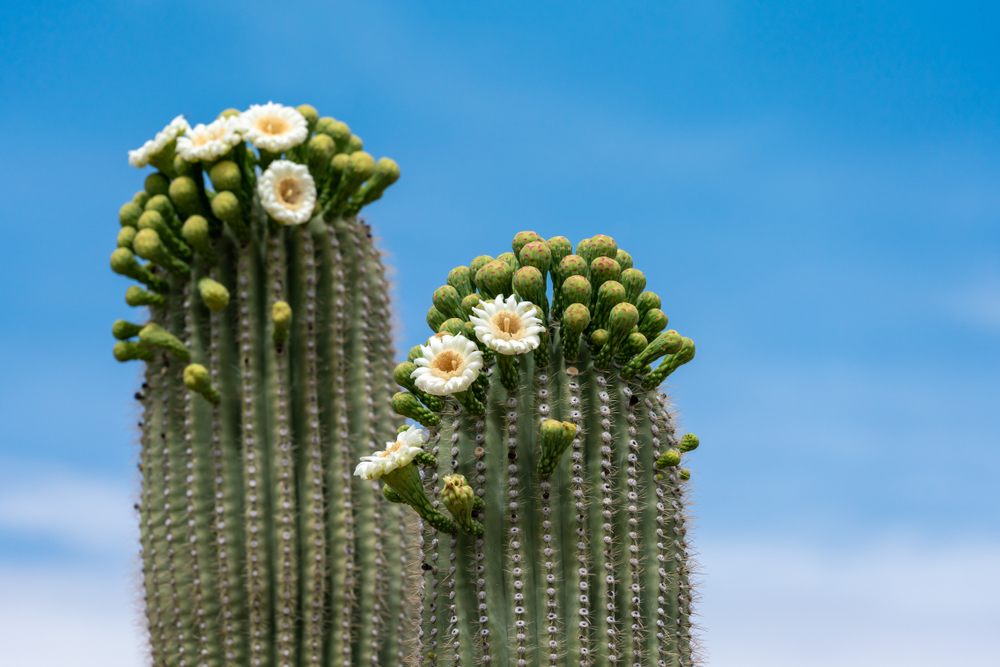
The Iconic Saguaro Cactus Blossom: A Desert Marvel
The Saguaro cactus is arguably the most recognizable symbol of the American Southwest, its towering, multi-armed silhouette gracing countless postcards and cinematic backdrops. Yet, it is the delicate, creamy-white blossom that truly captures the essence of Arizona’s natural splendor, designated as the state flower on March 16, 1931. This choice was not merely based on aesthetics but on the Saguaro’s ecological importance, its unmistakable presence, and its deep roots in the region’s history and indigenous cultures.
A Symbol of the Sonoran Desert’s Endurance
The Saguaro Cactus is native exclusively to the Sonoran Desert, a unique ecological region spanning parts of Arizona, California, and Mexico. Its formidable presence, with some specimens reaching over 50 feet in height and living for more than 150 years, makes it an icon of resilience and adaptation. The choice of its blossom as the state flower is a tribute to this endurance, reflecting the steadfast spirit of Arizona and its people. For tourists, encountering a mature Saguaro in full bloom is an unforgettable experience, offering a tangible connection to the ancient, untamed beauty of the desert. It represents not just a flower, but an entire ecosystem’s remarkable ability to thrive under challenging conditions, a powerful narrative for any visitor to absorb.
The Blossom’s Unique Characteristics and Ephemeral Beauty
The Saguaro blossom itself is a marvel of natural design. These waxy, funnel-shaped flowers typically measure about 3 inches in diameter and feature numerous white petals surrounding a cluster of yellow stamens. They emerge in late spring, usually from late April through early June, blooming primarily at night and typically lasting only until mid-day the following afternoon. This nocturnal bloom is a fascinating adaptation, designed to attract nocturnal pollinators such as bats, moths, and certain birds like the long-nosed bat. By dawn, other desert creatures, including bees and doves, continue the pollination process.
The ephemeral nature of the Saguaro blossom adds to its mystique and makes viewing it a truly special event for tourists. Its short lifespan makes it a coveted sight, a fleeting moment of pure white beauty against the rugged green of the cactus and the stark backdrop of the desert. The flowers produce a substantial amount of nectar, providing a vital food source for many desert animals and underscoring the interconnectedness of life within the Sonoran Desert. Understanding this intricate relationship enhances the tourist experience, transforming a simple observation into an insightful ecological lesson.
The Road to Statehood and Official Recognition
The journey to designating the Saguaro blossom as Arizona’s state flower was a natural progression given the plant’s deep cultural and natural resonance. Long before official recognition, the Saguaro held immense significance for indigenous communities, who utilized various parts of the plant for food, shelter, and ceremonial purposes. As Arizona transitioned towards statehood in 1912, the search for symbols to represent its unique identity intensified. The Saguaro cactus, with its unmistakable form and life-sustaining attributes, quickly became a prime candidate. The official declaration in 1931 solidified its place not just in nature, but in the cultural fabric of the state, making it an essential piece of local culture for any visitor to learn about and appreciate. Its status as the state flower ensures its protection and promotes public awareness of its ecological value, a commitment that benefits both residents and tourists alike.
Where to Witness the Saguaro Blossom’s Splendor
For tourists eager to experience the majestic beauty of the Saguaro blossom, Arizona offers several prime locations where these magnificent flowers can be observed in their natural habitat. Timing is crucial, as the blooming season is relatively short, primarily spanning from late April to early June. Planning a visit during this window can lead to breathtaking encounters with this iconic state symbol.
Saguaro National Park: A Living Museum of the Sonoran Desert
Undoubtedly the premier destination for Saguaro viewing is Saguaro National Park, located near Tucson. The park is divided into two districts: the Rincon Mountain District to the east and the Tucson Mountain District to the west. Both districts boast incredibly dense forests of Saguaro cacti, making it an ideal place to witness the state flower in profusion. The park offers numerous hiking trails, scenic drives, and educational visitor centers where tourists can learn about the Saguaro’s life cycle, its role in the desert ecosystem, and tips for spotting its delicate blossoms. Early morning walks are highly recommended, as the flowers are most vibrant shortly after sunrise, before the intense desert heat causes them to wilt. The sheer scale of Saguaro National Park provides an immersive experience, allowing visitors to truly grasp the grandeur of the Sonoran Desert and its iconic flora.
Desert Botanical Garden: An Accessible Oasis in Phoenix
For those visiting Phoenix or seeking a more curated and accessible experience, the Desert Botanical Garden is an invaluable resource. This world-renowned garden showcases an extensive collection of desert plants from around the globe, with a significant emphasis on species native to the Sonoran Desert, including countless Saguaro cacti. During the blooming season, visitors can observe the Saguaro blossom up close, often with informative signage detailing its characteristics and ecological importance. The garden’s well-maintained trails and organized exhibits make it an excellent choice for families, individuals with limited mobility, or anyone desiring a comprehensive educational experience without venturing deep into the wilderness. The Desert Botanical Garden also frequently hosts special events and tours during peak blooming periods, providing expert insights into the wonders of desert flora.
Experiencing the Blossom in Wider Arizona
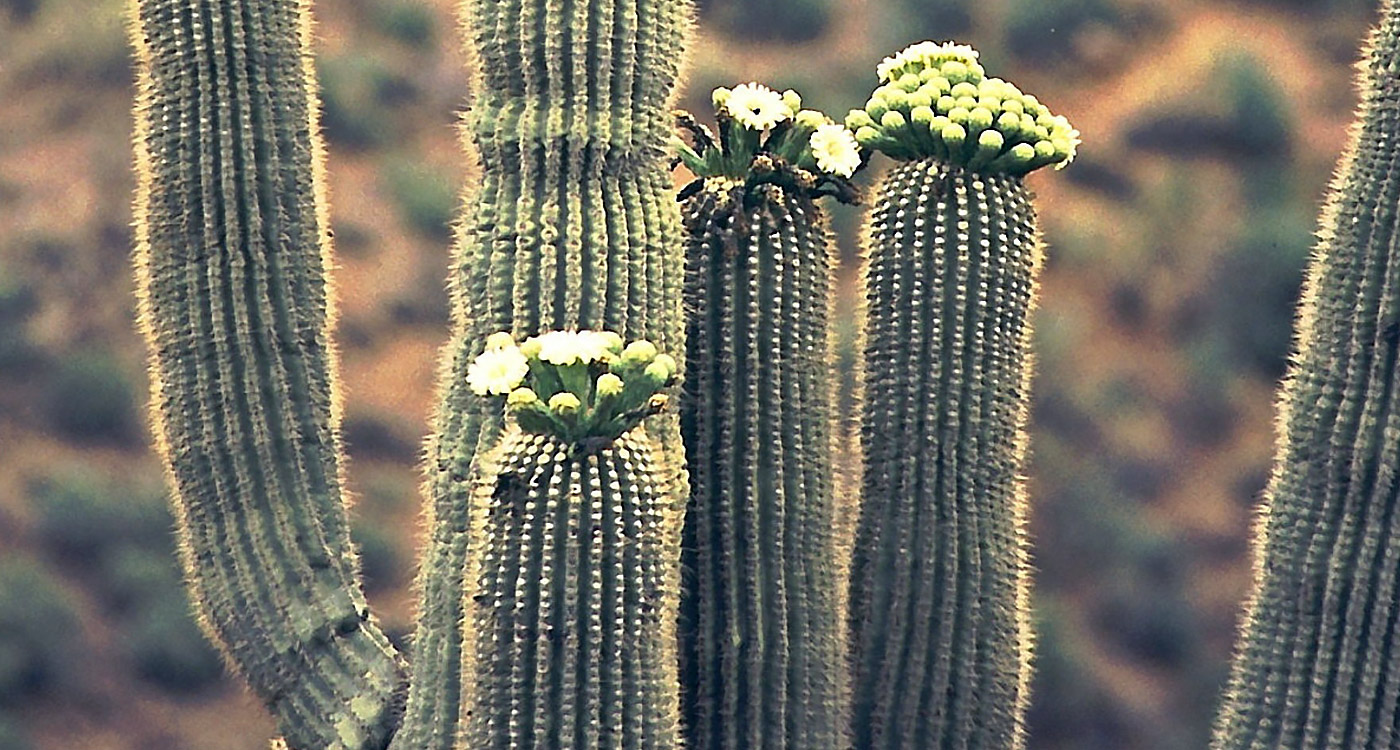
Beyond the major parks and gardens, the Saguaro cactus, and thus its blossom, can be found throughout the Sonoran Desert region of Arizona. Areas like the Tucson Mountains and various state parks such as Catalina State Park near Oro Valley also offer excellent viewing opportunities. Even driving along scenic routes, particularly between Phoenix and Tucson or towards Yuma, can reveal numerous blooming Saguaro cacti dotting the landscape. When exploring these broader areas, it’s important to respect private property, stay on marked trails, and practice responsible tourism by not disturbing the natural environment. Experiencing the Saguaro blossom in its natural, untamed setting is a quintessential Arizona experience, offering a deep connection to the local culture and the unique beauty of the desert.
Cultural Significance and Economic Impact of the Saguaro Blossom
The Saguaro blossom is more than just a pretty flower; it is deeply embedded in the cultural tapestry and economic landscape of Arizona. Its presence fosters a sense of regional identity and significantly contributes to the state’s tourism appeal, drawing visitors who are captivated by its beauty and the rich history it represents.
Native American Heritage and Traditional Uses
For millennia, indigenous peoples of the Sonoran Desert, most notably the Tohono O’odham nation, have revered the Saguaro. The cactus is central to their culture, providing food, medicine, and building materials. While the blossom itself is not directly a primary food source, it heralds the coming of the fruit, which is highly valued. The Tohono O’odham celebrate the annual Saguaro fruit harvest (bain) as a new year, symbolizing renewal and sustenance. The recognition of the blossom as the state flower acknowledges this profound historical and ongoing connection, offering tourists a chance to learn about and respect the deep indigenous heritage tied to this remarkable plant. Understanding these traditions provides a richer, more meaningful travel experience, connecting visitors to the ancient roots of Arizona’s local culture.
Modern Arizona Identity and Local Pride
In modern Arizona, the Saguaro blossom, alongside the cactus itself, has become an indelible part of the state’s identity. It symbolizes the rugged beauty, unique ecosystem, and enduring spirit of the region. This emblem is featured prominently in local art, literature, and design, from municipal logos to craft products. Residents take immense pride in their iconic state flower, and it serves as a powerful reminder of the natural heritage that defines their home. Tourists who recognize and appreciate this symbol often find themselves better connected to the local populace and the collective identity of Arizona, enriching their overall travel experience.
Boosting Tourism and Local Craft Industries
The allure of the Saguaro blossom plays a significant role in Arizona’s tourism industry. Its fleeting bloom draws nature photographers, botanists, and general tourists seeking a unique spectacle. The state leverages this natural attraction to promote travel during the spring months, encouraging visits to national parks, botanical gardens, and scenic desert drives. This influx of visitors stimulates local economies, supporting hotels, restaurants, tour operators, and various small businesses. Furthermore, the Saguaro blossom inspires local artists and craftspeople, leading to a vibrant market for Saguaro-themed souvenirs, artwork, and even culinary creations. From exquisite jewelry mimicking the blossom’s form to artistic renditions on pottery and textiles, these items offer tourists tangible mementos of their Arizona experience, while also supporting local artisans and their traditional or contemporary crafts.
Best Times and Tips for Blossom Viewing
To fully appreciate the beauty of Arizona’s state flower, knowing when and how to seek out the Saguaro blossom is essential. Strategic planning can transform a casual desert visit into a memorable encounter with this natural wonder.
The Blooming Season: A Window of Opportunity
The Saguaro blossoms typically make their appearance from late April to early June. While specific timing can vary slightly each year based on weather patterns, late May often represents the peak blooming period. The flowers open primarily at night and typically close by mid-afternoon the following day, meaning early morning is the best time for viewing. Tourists planning their visit should aim for these months and prioritize excursions to key viewing areas like Saguaro National Park or the Desert Botanical Garden during the cooler morning hours. Checking local park websites or calling visitor centers shortly before your trip can provide the most up-to-date information on bloom status.
Photography Tips for Capturing the Beauty
Capturing the ephemeral beauty of the Saguaro blossom requires a few considerations. Due to their height, a telephoto lens can be beneficial for close-up shots. For wider shots, try to include the majestic Saguaro arms and the expansive desert landscape to give context to the flower’s setting. The soft, diffused light of early morning is ideal for photography, enhancing the delicate white petals and minimizing harsh shadows. Consider different angles to highlight the waxy texture and intricate details of the blossom. Remember to be patient and respectful of the natural environment, ensuring you do not disturb the cacti or their potential pollinators while seeking the perfect shot. Sharing your photographs can also inspire others to appreciate Arizona’s natural beauty and its iconic state flower.

Respecting the Desert Environment and Its Flora
When seeking out the Saguaro blossom, it is paramount to practice responsible tourism and respect the delicate desert ecosystem. Never touch, pick, or disturb the flowers, the cactus, or any other plant life. Stay on marked trails to avoid damaging fragile desert flora and cryptobiotic soil crusts, which are vital to the desert’s health. Maintain a safe distance from wildlife, and pack out everything you pack in, leaving no trace of your visit. The Saguaro cactus is a protected species, and its survival is crucial to the biodiversity of the Sonoran Desert. By adhering to these principles, tourists can ensure that the beauty of Arizona’s state flower can be enjoyed by generations to come, preserving this local cultural treasure and natural wonder for all.
In conclusion, the Saguaro Cactus blossom stands as a profound symbol of Arizona’s natural heritage and local culture. Its striking beauty, ecological significance, and deep-rooted connection to the state’s identity make it a compelling attraction for tourists. By understanding its story, knowing where to find it, and respecting its environment, visitors can gain a truly insightful and engaging experience with the heart of the Sonoran Desert.
LifeOutOfTheBox is a participant in the Amazon Services LLC Associates Program, an affiliate advertising program designed to provide a means for sites to earn advertising fees by advertising and linking to Amazon.com. Amazon, the Amazon logo, AmazonSupply, and the AmazonSupply logo are trademarks of Amazon.com, Inc. or its affiliates. As an Amazon Associate we earn affiliate commissions from qualifying purchases.