
Planning a getaway from the vibrant cityscape of Boston to the serene coastal charm of Cape Cod, Massachusetts, often begins with a fundamental question: “How far is it, really?” This seemingly simple query unlocks a world of travel planning considerations, from choosing the right mode of transportation to anticipating journey times and identifying the best routes. Cape Cod, a beloved peninsula renowned for its stunning beaches, quaint villages, historic lighthouses, and delicious seafood, stands as a prime destination for both quick escapes and extended vacations for residents and visitors alike. Understanding the distance and the nuances of the journey is crucial for crafting an enjoyable and stress-free travel experience. Whether you’re envisioning a leisurely drive across iconic bridges, a scenic train ride, or a swift ferry trip across the bay, the proximity of these two distinct Massachusetts locales makes Cape Cod an accessible and alluring escape. This guide will delve into the specifics of the distance, explore various travel options, and provide essential tips to help you navigate your journey from the historic streets of Boston to the picturesque shores of Cape Cod.

The Straightforward Answer: Distance and Driving Time
The geographical separation between Boston and Cape Cod is relatively modest, making it an ideal destination for a day trip or a longer vacation from the city. However, the exact distance and, more importantly, the travel time, can fluctuate significantly depending on your specific starting point in Boston and your intended destination on the sprawling Cape Cod peninsula.
Geographic Proximity
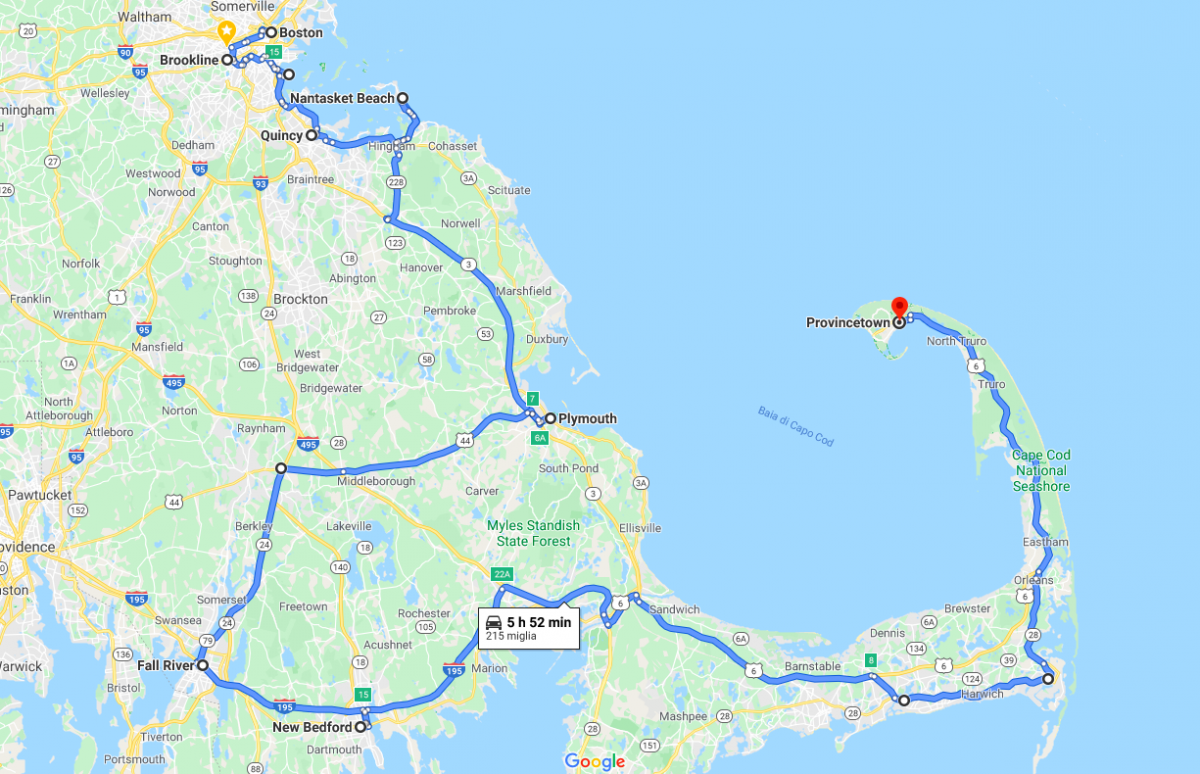
On average, the southern gateway to Cape Cod, near the iconic Sagamore Bridge and Bourne Bridge, is approximately 60 to 75 miles from downtown Boston. This measurement refers to towns like Sandwich or Bourne, which are the first communities you encounter upon crossing the Cape Cod Canal. While this might seem like a short distance, the Cape Cod peninsula itself stretches for nearly 70 miles from west to east. Therefore, if your final destination is further out on the “Outer Cape,” such as Provincetown at the very tip, your total journey could extend to approximately 110 to 120 miles from Boston. Understanding this distinction is vital for accurate travel planning, as it directly impacts your choice of transportation and the overall duration of your trip.
Estimated Driving Duration
For most travelers, driving remains the most popular and flexible way to reach Cape Cod from Boston. Under ideal traffic conditions, the drive to the base of the Cape (e.g., Sandwich or Falmouth) typically takes about 1 hour to 1 hour and 30 minutes. However, it is crucial to emphasize the “ideal traffic conditions” caveat. The journey to Cape Cod is infamous for its peak-season congestion. During summer weekends, especially Friday afternoons and Sunday evenings, and on major holiday weekends, this driving time can easily double, or even triple, extending to 2.5 to 4 hours or more, even for destinations just over the bridges. If you are heading to the mid-Cape (Hyannis, Dennis, Chatham), add another 30-60 minutes to your travel time. For the Outer Cape (Wellfleet, Truro, Provincetown), expect an additional 1 to 1.5 hours beyond the bridges, pushing total driving times into the 3 to 6-hour range during busy periods. Strategic timing is paramount when planning a drive to Cape Cod.
Navigating the Journey: Transportation Options
While driving is often the go-to choice, a variety of transportation methods connect Boston to Cape Cod, each offering its unique advantages in terms of cost, convenience, and travel experience. Travelers can select the option that best suits their budget, schedule, and desire for scenic views or direct efficiency.
Driving: The Most Popular Choice
The vast majority of visitors opt to drive to Cape Cod due to the flexibility it offers for exploring the peninsula’s many towns and beaches. The primary route from Boston is Route 3 South, also known as the Pilgrim Highway, which takes you through Plymouth and directly to the Sagamore Bridge over the Cape Cod Canal. Alternatively, some prefer I-93 South to Route 24 South, then to Route 495 South, which leads to the Bourne Bridge. Both bridges funnel traffic onto US-6 East, the main artery that runs the length of the Cape. Key considerations for drivers include potential tolls on certain highways, especially approaching the Cape, and the notorious bottleneck at the bridges, particularly on summer weekends. Car rentals are readily available in Boston for those flying into Logan Airport or arriving by train.
Bus Services: An Economical Alternative
For those who prefer not to drive or want to avoid parking hassles, intercity bus services provide a convenient and generally economical option. Peter Pan Bus Lines operates year-round routes from Boston’s South Station and Logan Airport directly to several key towns on Cape Cod, including Hyannis, Falmouth, and Provincetown. The journey time by bus to Hyannis Transportation Center typically ranges from 1.5 to 2.5 hours, depending on traffic and the number of stops. While buses offer a relaxed way to travel, they are still subject to the same traffic congestion as personal vehicles, especially during peak travel times. This option is ideal for travelers who plan to stay in one primary location on the Cape or who are comfortable utilizing local taxis, rideshares, or the Cape Cod Regional Transit Authority (CCRTA) once they arrive.
Train Travel: A Scenic Seasonal Option
During the summer months, the CapeFLYER train offers a charming and stress-free way to travel from Boston to Cape Cod. Operating from Boston’s South Station on Friday evenings, Saturdays, and Sundays from Memorial Day to Labor Day, the CapeFLYER provides service to Wareham Village, Buzzards Bay, and Hyannis. The train journey to Hyannis takes approximately 2 hours and 30 minutes, offering a comfortable ride with amenities like free Wi-Fi, bicycle storage, and even a concession car. The significant advantage of the CapeFLYER is that it bypasses road traffic, providing a predictable and often more relaxing travel experience. Upon arrival in Hyannis, shuttle services and local buses can connect passengers to other Cape Cod towns, and ferry services are available for connections to Martha’s Vineyard and Nantucket.
Ferry Services: A Direct Ocean Route
For a truly scenic and often the quickest route to the Outer Cape, passenger ferry services connect Boston directly to Provincetown. Companies like Bay State Cruise Company and Boston Harbor Cruises offer high-speed catamaran service, typically completing the journey in about 90 minutes. This option is seasonal, generally running from May through October, and provides a fantastic way to bypass all road traffic. Travelers are treated to stunning views of Boston Harbor and the open ocean, arriving directly in the vibrant heart of Provincetown. While it only serves Provincetown, it’s an excellent choice for those whose primary destination is the Outer Cape or for day-trippers looking for a unique round-trip experience.
Air Travel: Quickest but Niche
While less common for the Boston to Cape Cod route due to the relatively short distance, small regional airlines like Cape Air offer flights from Logan Airport to Hyannis (Barnstable Municipal Airport) and Provincetown (Provincetown Municipal Airport). These flights are incredibly fast, often taking less than 30 minutes in the air. However, when factoring in check-in, security, and travel to/from airports, the overall door-to-door time might not be significantly shorter than driving or taking the ferry, especially for destinations beyond the immediate airport towns. This option is typically chosen for its novelty, for those with time constraints, or for seamless connections to other regional flights.
Factors Influencing Travel Time
The advertised distances and ideal travel times for the Boston to Cape Cod journey often paint an overly optimistic picture. Several critical factors can significantly impact your actual travel duration, making proper planning essential for a smooth trip.
Traffic Congestion
This is, without a doubt, the single biggest variable affecting travel time from Boston to Cape Cod. The roads leading to and on the Cape become notoriously congested during peak season.
- Summer Weekends: Friday afternoons (from 2 PM onwards) are particularly brutal as city dwellers escape for the weekend. Sunday afternoons/evenings (from 1 PM to 7 PM) are equally challenging as everyone heads back to Boston.
- Holiday Weekends: Memorial Day, Fourth of July, and Labor Day weekends see unprecedented traffic volumes, with travel times potentially tripling or quadrupling the normal duration.
- Bridge Bottlenecks: The Sagamore Bridge and Bourne Bridge are the primary chokepoints. Even small accidents or construction can cause massive backups extending for miles.
- Inner Cape Traffic: Once on the Cape, US-6 can also experience significant slowdowns, especially around major intersections and popular towns.
To mitigate traffic woes, consider traveling during off-peak hours (very early mornings on weekends, or mid-week), or choose alternative transportation methods like the CapeFLYER or the Boston-Provincetown ferry.
Time of Year
The seasonality of Cape Cod directly correlates with travel times and available options.
- Summer (June-August): This is peak season. Expect maximum traffic, higher prices for accommodations, and all transportation services (ferries, trains, buses) operating at full capacity. Booking in advance is crucial.
- Shoulder Seasons (April-May, September-October): These months offer a fantastic balance. The weather is often pleasant, many attractions are open, and crucially, traffic is significantly lighter than in summer. Travel times are much closer to the ideal estimates.
- Off-Season (November-March): Traffic is minimal, and driving times are consistently short. However, many businesses and attractions might be closed or have reduced hours, and some transportation options (like the CapeFLYER or seasonal ferries) may not be running.
Specific Cape Cod Destination
As mentioned, Cape Cod is a long peninsula, and where you’re headed on the Cape dramatically influences your total travel time.
- Upper Cape (e.g., Sandwich, Falmouth, Bourne): These towns are just over the bridges and involve the shortest travel times from Boston.
- Mid-Cape (e.g., Hyannis, Dennis, Yarmouth): Located about halfway down the Cape, these destinations require an additional 30-60 minutes of driving beyond the bridges.
- Outer Cape (e.g., Chatham, Orleans, Eastham, Provincetown): The furthest points on the Cape can add 1 to 2 hours of driving beyond the initial bridge crossing. For Provincetown, the ferry becomes a very competitive option in terms of time and stress.
Always factor in these internal Cape travel times when calculating your total journey.
Planning Your Cape Cod Getaway from Boston
With an understanding of the distance and travel options, you can meticulously plan your trip to Cape Cod from Boston, ensuring a seamless and enjoyable experience from start to finish. Effective planning is the cornerstone of any successful travel endeavor, especially when venturing to popular destinations like the Cape.
Best Time to Travel
To maximize your enjoyment and minimize travel frustrations, consider visiting Cape Cod during the shoulder seasons (late May to mid-June and September to early October). During these periods, the weather is typically delightful, crowds are smaller, and traffic congestion is significantly reduced. This allows for more pleasant driving conditions and easier access to attractions. If your only option is summer, aim to travel mid-week (Tuesday, Wednesday, Thursday) or depart Boston very early on a Saturday or return very late on a Sunday to avoid the worst of the weekend rush. Using real-time traffic apps like Google Maps or Waze is invaluable for up-to-the-minute information.
Essential Packing Tips
Packing smartly can enhance your Cape Cod experience, regardless of the season.
- Layers: Weather on the Cape can be unpredictable, even in summer. Pack layers, including a light jacket or sweater, to adjust to changing temperatures, especially near the ocean.
- Beach Essentials: Sunscreen, hats, sunglasses, swimsuits, beach towels, and sandals are a must for exploring the Cape’s iconic beaches.
- Comfortable Shoes: For exploring charming towns, walking trails, or climbing lighthouses, comfortable walking shoes are indispensable.
- Camera: Don’t forget a camera or smartphone to capture the stunning coastal landscapes and picturesque villages.
- Bug Spray: Especially during warmer months and evenings, bug spray can be a savior, particularly if you plan on enjoying outdoor dining or nature walks.
Exploring Beyond the Journey
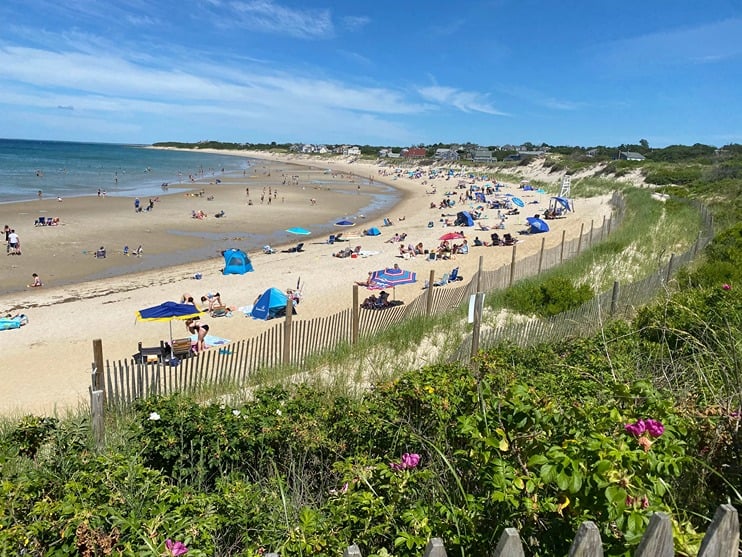
Once you’ve successfully navigated the journey from Boston, Cape Cod unfolds into a captivating mosaic of experiences. The travel is merely the prelude to the adventure that awaits. You can spend your days lounging on pristine beaches like Coast Guard Beach in Eastham or Mayflower Beach in Dennis, exploring the vibrant art scene and LGBTQ+ friendly atmosphere of Provincetown, or discovering the rich maritime history in towns like Chatham and Hyannis. From whale watching tours departing from Barnstable Harbor to cycling the scenic Cape Cod Rail Trail, hiking through the Cape Cod National Seashore, or indulging in fresh lobster rolls and clam chowder at a local seafood shack, the Cape offers a diverse array of activities. Each town has its unique character, inviting you to explore its boutiques, art galleries, historic sites, and culinary delights. Your chosen mode of travel will get you there, but the true magic of Cape Cod lies in its boundless opportunities for relaxation, adventure, and cultural immersion.
In conclusion, the journey from Boston to Cape Cod is highly manageable, typically ranging from 60 to 120 miles depending on your specific destination on the peninsula. While driving remains the most common method, with travel times anywhere from 1.5 to 4+ hours, excellent alternatives like bus services, the seasonal CapeFLYER train, and high-speed ferries offer diverse ways to reach this beloved coastal haven. By understanding the distance, considering various transportation options, and strategically planning around peak traffic times, you can ensure your transition from city life to Cape Cod’s tranquil shores is as smooth and enjoyable as the destination itself.
LifeOutOfTheBox is a participant in the Amazon Services LLC Associates Program, an affiliate advertising program designed to provide a means for sites to earn advertising fees by advertising and linking to Amazon.com. Amazon, the Amazon logo, AmazonSupply, and the AmazonSupply logo are trademarks of Amazon.com, Inc. or its affiliates. As an Amazon Associate we earn affiliate commissions from qualifying purchases.