
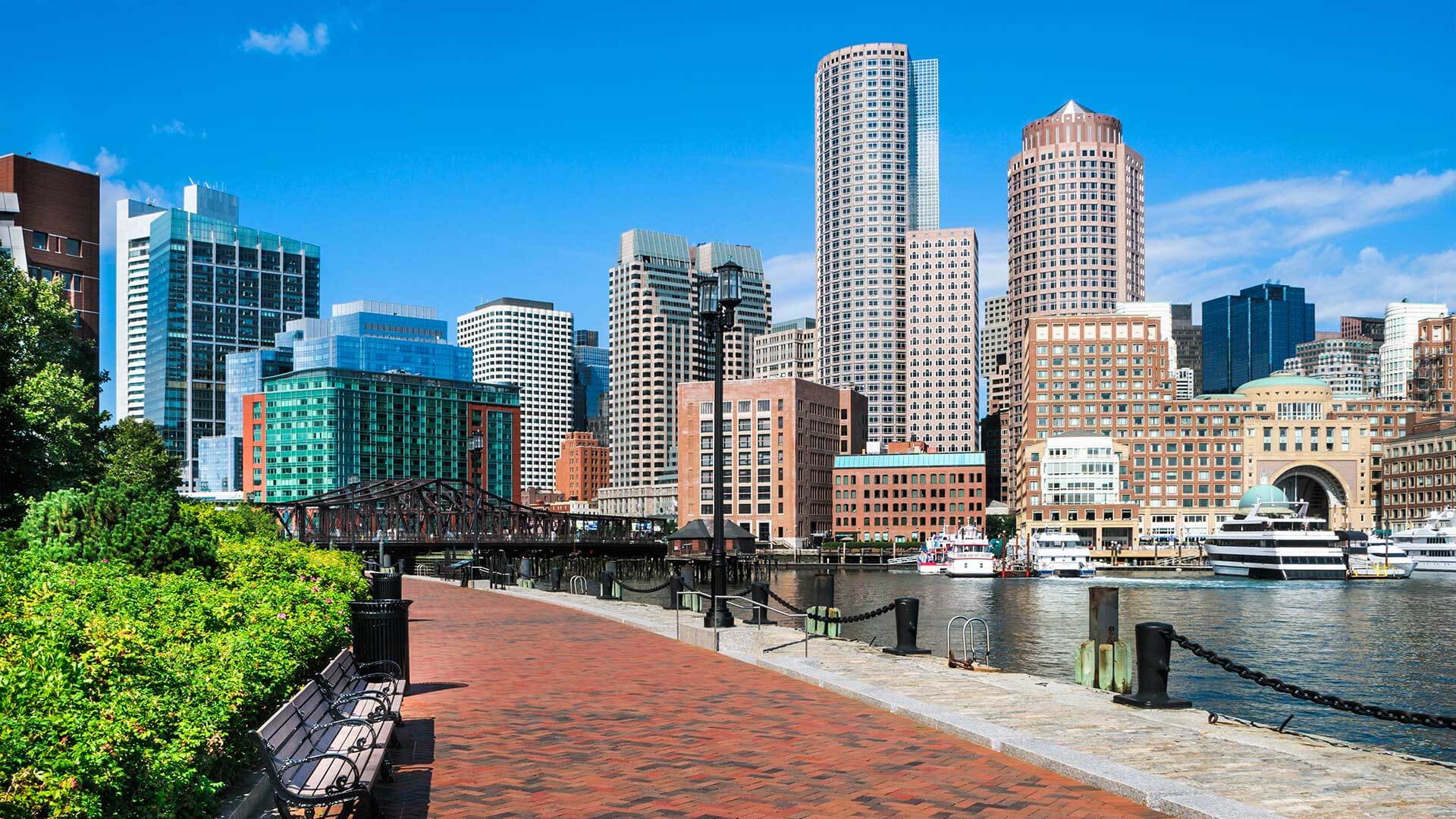
Boston, Massachusetts, stands as one of America’s most venerable cities, a testament to enduring history and pivotal moments that shaped a nation. To truly grasp its age is to embark on a journey through centuries of settlement, revolution, and innovation. Officially founded on September 17, 1630, by Puritan colonists from England, Boston is an impressive 393 years old as of 2023. This makes it one of the oldest cities in the United States, predating the nation itself by nearly 150 years. Its venerable age is not merely a number; it is deeply ingrained in the city’s cobblestone streets, historic architecture, and the very spirit of its people. From its earliest days as a burgeoning Puritan settlement to its instrumental role in the American Revolution and its subsequent evolution into a global hub for education, medicine, and technology, Boston’s history is a rich tapestry of human endeavor. Exploring the layers of its past reveals not just how old Boston is, but how profoundly its age has influenced its identity as a living landmark of American heritage.
The Genesis of a New World City: Puritan Foundations
The story of Boston’s age begins not with a grand declaration but with the arduous journey of a dedicated group of English Puritans seeking religious freedom and the opportunity to establish a society based on their deeply held beliefs. Their arrival on the shores of the New World marked the dawn of a new era for both the continent and for what would become one of its most significant urban centers.
The Arrival of the Puritans and the Massachusetts Bay Company
The year 1630 was pivotal. A fleet of 11 ships, carrying approximately 700 English Puritans, arrived in the Massachusetts Bay area. These colonists were part of the Massachusetts Bay Company, granted a royal charter by King Charles I to establish a colony in New England. Led by Governor John Winthrop, a visionary figure who famously spoke of building a “city upon a hill,” the Puritans initially settled in what is now Charlestown. However, the scarcity of fresh water prompted them to seek a more suitable location. Guided by a local Native American named William Blackstone, they crossed the Charles River to a narrow peninsula known as Shawmut, characterized by three prominent hills and a reliable spring. It was here, on September 17, 1630, that they officially founded the town, naming it Boston, after the town in Lincolnshire, England, from which many of the prominent colonists hailed. This act of naming and settling officially began Boston’s long and illustrious timeline, making it a nearly four-century-old entity.
Early Challenges and Growth on the Shawmut Peninsula
The early years were fraught with challenges. The harsh New England winters, unfamiliar terrain, and difficulties in cultivating crops led to significant hardship and loss of life. Yet, the resolve of the Puritan settlers, driven by their religious conviction and community spirit, allowed Boston to not only survive but thrive. The peninsula’s natural harbor proved to be an immense advantage, facilitating trade and communication with England and other colonies. As the population grew, the town’s governance evolved, centered around town meetings that fostered a uniquely democratic tradition, setting a precedent for future American political thought. Education was prioritized early on, leading to the establishment of Harvard College in nearby Cambridge in 1636, making it the oldest institution of higher learning in the United States and underscoring Boston’s foundational commitment to intellectual pursuits. By the late 17th century, Boston had become the largest town in British North America, a bustling port city with a burgeoning economy and a strong sense of self-governance, laying the groundwork for its future role as a revolutionary beacon.
A Crucible of Revolution: Boston’s Pivotal 18th Century
Boston’s age is particularly defined by its incendiary role in the 18th century, a period when it transformed from a prosperous colonial town into the very heart of American resistance against British rule. The city’s inhabitants, steeped in a tradition of self-reliance and intellectual discourse, were among the first to openly challenge imperial authority, setting in motion the events that would culminate in the birth of an independent nation.
Seeds of Dissent and Iconic Acts of Defiance
As the British Parliament began to impose a series of taxes and restrictive policies—such as the Sugar Act, Stamp Act, and Townshend Acts—on its American colonies, Boston became a hotbed of discontent. The city’s merchants, intellectuals, and common citizens keenly felt the economic burdens and perceived infringements on their rights as Englishmen. Figures like Samuel Adams, John Hancock, and Paul Revere emerged as fiery leaders, galvanizing public opinion. The tension escalated, leading to pivotal confrontations. The Boston Massacre in March 1770, where British soldiers fired into a crowd of protesting colonists, killing five, including Crispus Attucks, became a rallying cry against tyranny. Three years later, in December 1773, the infamous Boston Tea Party saw colonists disguised as Mohawk Indians dump 342 chests of tea into Boston Harbor in protest of the Tea Act. These acts of defiance, steeped in the city’s long-standing tradition of independent thought, solidified Boston’s reputation as the “Cradle of Liberty.”
Iconic Revolutionary Sites: Walking the Freedom Trail
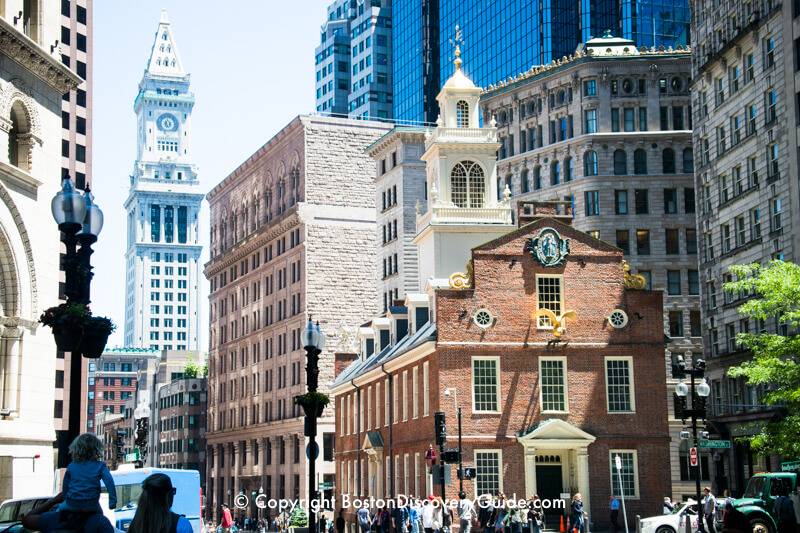
The profound historical significance of Boston’s role in the Revolution is preserved in an extraordinary collection of landmarks, many of which are connected by the famous Freedom Trail. This 2.5-mile red-lined path weaves through the city, inviting visitors to physically trace the steps of patriots. Sites like Faneuil Hall, known as the “Cradle of Liberty,” where Samuel Adams and others delivered impassioned speeches. The Old North Church is famed for the “one if by land, two if by sea” signal that launched Paul Revere’s midnight ride. The Paul Revere House, the oldest building in downtown Boston, offers a glimpse into the life of the famous silversmith. Further along the trail are the Old State House, site of the Boston Massacre, and the Old South Meeting House, where the Boston Tea Party was orchestrated. Finally, the majestic Bunker Hill Monument in Charlestown commemorates one of the first major battles of the Revolution. These enduring structures are not merely old buildings; they are living testaments to Boston’s crucial role in forging a new nation, showcasing how its age is synonymous with the very origins of American independence.

Industrial Powerhouse and Cultural Hub: 19th and 20th Century Evolution
Following the Revolutionary War, Boston, still relatively young as a nation’s city but already old in terms of settlement, rapidly transformed. Its deep harbor, entrepreneurial spirit, and intellectual foundations propelled it into a new era of growth, shaping its identity as a leading American city throughout the 19th and 20th centuries.
Post-Revolutionary Expansion and Economic Boom
The early 19th century saw Boston emerge as a vital center for trade, manufacturing, and finance. Its port, already well-established, flourished with increased maritime commerce, particularly in the China trade and whaling industries. Wealth generated from these ventures fueled significant urban development and infrastructural improvements. The construction of canals and, later, railways connected Boston to the burgeoning agricultural and industrial centers of the interior, solidifying its position as a major economic powerhouse in New England and beyond. Industries such as textiles, shoe manufacturing, and machinery thrived, drawing waves of immigrants from Ireland, Italy, and other parts of Europe, who contributed significantly to the city’s growing workforce and diverse cultural fabric. This period of rapid expansion demonstrated Boston’s adaptability and resilience, building upon its historical foundations to embrace new opportunities.
Intellectual and Abolitionist Spirit: A Legacy of Thought
Boston’s commitment to intellectual and social progress, rooted in its Puritan origins, deepened considerably in the 19th century. The city became a beacon for education and a powerful voice in social reform movements. Institutions like Boston University and the Massachusetts Institute of Technology (MIT) were founded, joining Harvard in making the Boston area a global leader in academia and research. The Boston Public Library, established in 1848, was the first large free municipal library in the United States, underscoring the city’s dedication to public education and access to knowledge.
Crucially, Boston also became a hotbed for the abolitionist movement. Prominent figures like William Lloyd Garrison and Frederick Douglass found fertile ground for their anti-slavery efforts in Boston, with many of the city’s churches and public halls serving as vital meeting places for activists. The city’s intellectual and moral fervor played a significant role in shaping national debates and ultimately contributed to the push for civil rights, demonstrating how Boston, even as it aged, continued to be at the forefront of societal change. This blend of economic dynamism and progressive thought ensured Boston’s enduring influence far beyond its initial colonial footprint.
Modern Boston: Preserving the Past, Shaping the Future
Today, Boston continues to evolve, skillfully blending its deep historical roots with the demands of a dynamic 21st-century global city. Its age is not a burden but a defining characteristic, offering a unique sense of place that attracts residents, businesses, and tourists alike. The city stands as a living testament to the successful integration of historic preservation with forward-thinking urban development.
Urban Renewal and Historic Preservation: A Delicate Balance
The latter half of the 20th century saw Boston undergo significant urban renewal efforts, particularly in areas like the West End and the transformation of its waterfront. While some projects, like the infamous Central Artery, dramatically altered the urban landscape, a strong emphasis on historic preservation also emerged. Neighborhoods like the Beacon Hill and the North End have maintained much of their historic charm, with strict regulations protecting their architectural integrity. The ambitious “Big Dig” project, which buried the Central Artery underground, not only revitalized downtown Boston but also created new public spaces, such as the Rose Fitzgerald Kennedy Greenway, linking disparate parts of the city and enhancing pedestrian access to the waterfront. This ongoing commitment ensures that Boston’s historic landmarks, from the Massachusetts State House to the venerable King’s Chapel and Granary Burying Ground, remain integral parts of its modern identity.
Enduring Legacy: Boston’s Age as a Cornerstone of its Character
Boston’s nearly four centuries of existence have bequeathed it an unparalleled legacy. Its age is evident in the very fabric of the city: the narrow, winding streets of its oldest neighborhoods, contrasting sharply with the grid patterns of newer expansions; the rich architectural styles spanning four centuries, from colonial brick to glass skyscrapers; and the numerous historic landmarks that stand as silent witnesses to pivotal moments in American history. Beyond the physical, Boston’s age has instilled in it a distinct character – a blend of intellectual rigor, civic pride, and a deep respect for its past. It remains a city where the echoes of Revolutionary War patriots can be felt on the Freedom Trail, while simultaneously serving as a global leader in biotech, education, and innovation. This continuous dialogue between past and present defines modern Boston, making its remarkable age not just a historical fact, but the cornerstone of its enduring appeal as a city of profound significance.
In conclusion, Boston, Massachusetts, is more than just an old city; it is a living museum, a testament to nearly 400 years of American history. From its Puritan beginnings in 1630 to its current status as a vibrant global hub, every cobblestone, every historic building, and every cultural institution tells a story of perseverance, revolution, and progress. Its age is not merely a number, but a rich narrative that continues to unfold, making Boston a timeless landmark in the grand tapestry of the United States.
LifeOutOfTheBox is a participant in the Amazon Services LLC Associates Program, an affiliate advertising program designed to provide a means for sites to earn advertising fees by advertising and linking to Amazon.com. Amazon, the Amazon logo, AmazonSupply, and the AmazonSupply logo are trademarks of Amazon.com, Inc. or its affiliates. As an Amazon Associate we earn affiliate commissions from qualifying purchases.