
Navigating the intricacies of local laws is a fundamental aspect of an informed and responsible lifestyle, whether you’re a long-term resident of a state or a visitor exploring its diverse offerings. Understanding what is permissible, particularly concerning items related to personal safety, is crucial for maintaining legal compliance and peace of mind. For those living in or traveling through California, a common question often arises regarding the legality of carrying batons. This article delves into California’s specific statutes on batons, providing an insightful and professional guide to ensure your personal preparedness aligns with state law.
Understanding California’s Stance on Self-Defense Tools
California maintains a strict and comprehensive legal framework governing various types of weapons, including those often considered for self-defense. The state’s approach is designed to balance individual rights with public safety, often leading to nuanced regulations that differ significantly from other jurisdictions. For anyone prioritizing a lifestyle of legal adherence and personal security, grasping these distinctions is paramount.
The Legal Framework for “Battering Devices”
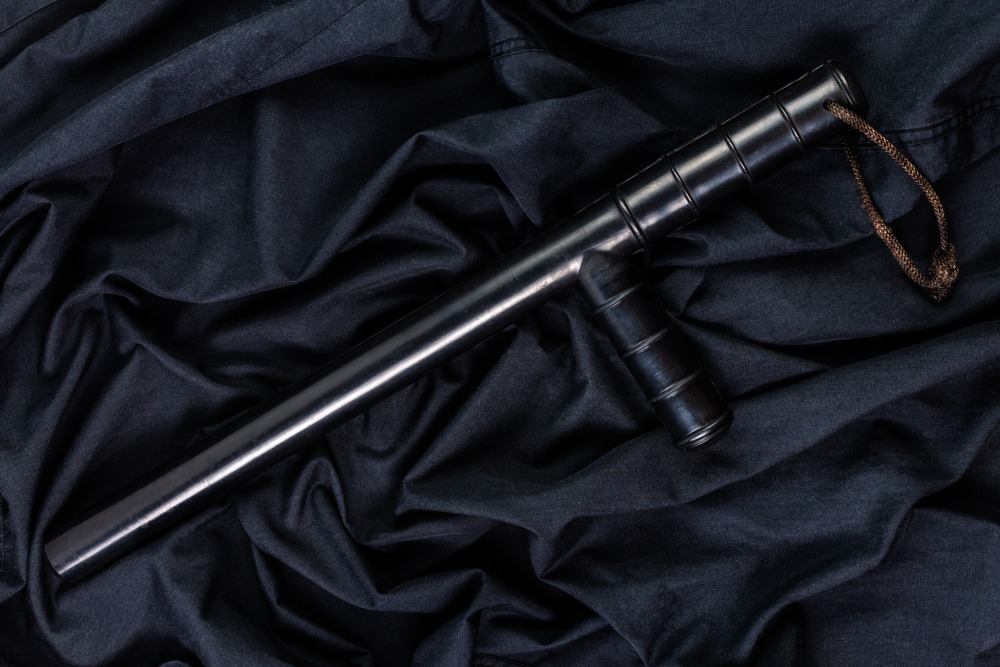
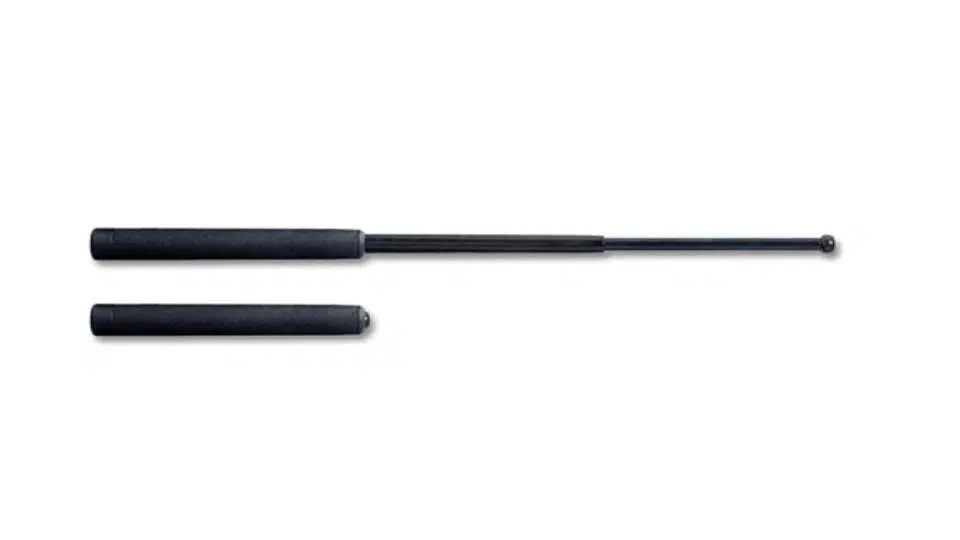
In California, batons fall under a broader category of weapons that are heavily regulated, if not outright prohibited, for civilian possession. The term “baton” itself can encompass a range of devices, from expandable tactical batons to fixed-length nightsticks. California Penal Code 16590 lists several items as “generally prohibited weapons,” which include “billy” clubs, “blackjacks,” “saps,” “slungshots,” and “coshes.” While not always explicitly named as “batons,” many common batons used for self-defense purposes would likely be classified under these categories due to their design and intended use as impact weapons. The law primarily focuses on the object’s capacity to inflict serious bodily injury and its typical use, rather than merely its common nomenclature. This broad interpretation is essential for citizens to understand; what might be marketed as a “self-defense tool” elsewhere could be a prohibited weapon in California.
Categories of Prohibited Weapons
California’s Penal Code outlines several specific categories of weapons that are illegal to manufacture, import, sell, possess, or carry. These categories are extensive and aim to cover a wide array of devices that could be used as offensive or defensive weapons. Batons are frequently caught in the net of “billy” clubs or similar blunt impact weapons. The law doesn’t necessarily distinguish between types of batons (e.g., rigid vs. collapsible) when determining their prohibited status for general civilian possession. Instead, it looks at their fundamental nature as devices designed for striking or bludgeoning. This classification means that merely owning such an item, even if it’s kept at home and never carried publicly, could lead to legal repercussions. For individuals committed to a responsible lifestyle, this necessitates a thorough review of any items they possess that could be construed as prohibited weapons under California law.
Intent and Context: Key Legal Distinctions
While the possession of certain batons is generally prohibited, the law can sometimes consider the context and intent behind their possession or use. However, relying on intent as a defense for possessing a prohibited weapon is a precarious position. The primary focus of California law is on the object itself. If the item is classified as a prohibited weapon, its mere presence can be problematic. Where intent does play a role is often in the use of an otherwise legal item as a weapon (e.g., using a flashlight to strike someone). However, for items specifically designed as weapons and classified as prohibited (like many batons), the intent argument is significantly weakened, if not entirely negated, regarding possession charges. For a lifestyle that values safety and legal compliance, it is far safer to avoid possessing prohibited items rather than relying on a complex and potentially unfavorable legal defense based on intent.
Specifics of Baton Legality: Possession and Use
Delving deeper into the practical implications of California’s laws, it’s critical to understand not just what is prohibited, but who is prohibited from possessing it, and under what circumstances. This knowledge is especially important for individuals who prioritize a prepared lifestyle, ensuring their choices are fully compliant with state regulations.
Possession Restrictions for Civilians
For the vast majority of California civilians, the possession of batons, particularly those that fall under the “billy,” “blackjack,” or similar definitions, is illegal. This prohibition extends beyond merely carrying them in public; it includes possession in one’s home, vehicle, or any other private property. The law does not make exceptions for personal self-defense when it comes to prohibited weapons. This means that even if you feel a baton is necessary for your personal safety, possessing one could lead to felony charges. Penalties can range from significant fines to imprisonment, underscoring the serious nature of these prohibitions. For a lifestyle committed to legal adherence, this strict interpretation means that batons are generally off-limits for civilian self-defense purposes in California. Understanding this restriction is a cornerstone of responsible living within the state.
Law Enforcement and Security Exceptions
It’s important to note that the blanket prohibition on batons does have specific, narrow exceptions. These exceptions primarily apply to authorized personnel who carry batons as part of their official duties. Law enforcement officers, including police officers, sheriff’s deputies, and certain federal agents, are legally authorized to possess and use batons. Similarly, licensed security guards, when properly trained and operating within the scope of their employment and licensure, may also be authorized to carry batons. However, these authorizations are not universal; they are typically granted by employers and are subject to strict training requirements and agency policies. For a civilian, simply having a security guard license (if it doesn’t specifically authorize baton carry for their role) or claiming to be “in training” does not grant an exemption. These exceptions are highly regulated and do not extend to general civilian use, highlighting the state’s intent to restrict such weapons to individuals with specific training, authority, and accountability.
The Concept of “Open Carry” vs. “Concealed Carry” for Such Items
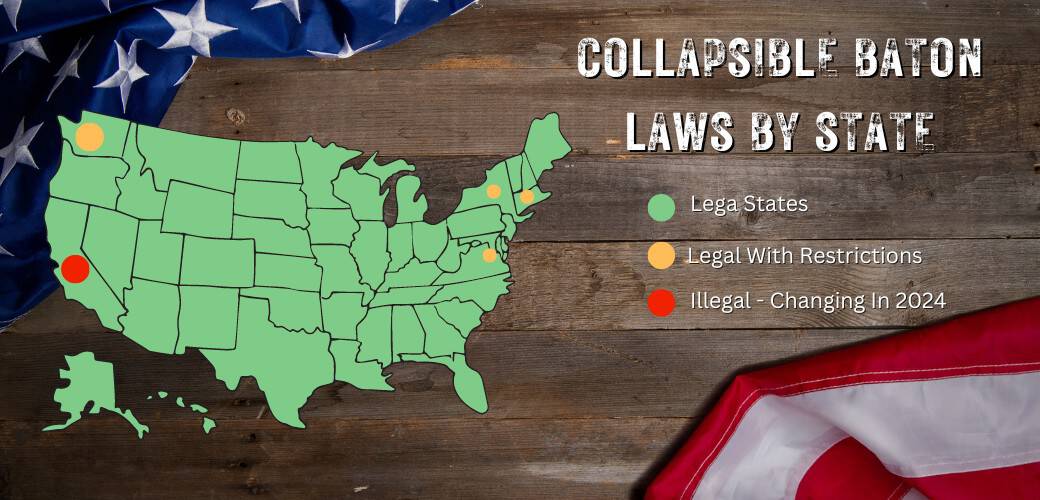
Unlike firearms, where “open carry” versus “concealed carry” often dictates specific licensing requirements, for prohibited weapons like batons in California, the distinction is largely moot. Since the possession itself is illegal for civilians, whether it’s openly displayed or concealed does not change its unlawful status. There is no legal “permit” available for a civilian to openly or concealed carry a baton for self-defense in California. Any form of possession, whether overt or covert, carries the same legal risk. This is a critical point for anyone considering bringing such an item into California or acquiring one within the state. The legal consequences are tied to the act of possession, irrespective of how the item is carried.
Implications for California Residents and Visitors
The detailed legal framework surrounding batons in California carries significant implications for both permanent residents and temporary visitors. Understanding these ramifications is a vital component of a well-considered lifestyle that prioritizes personal safety and legal compliance, especially when exploring the diverse landscapes and urban centers of the Golden State.
Risks of Unlawful Possession
The risks associated with the unlawful possession of a baton in California are substantial and should not be underestimated. As previously mentioned, possession of a prohibited weapon can lead to felony charges. A felony conviction can result in severe penalties, including lengthy prison sentences, hefty fines, and a permanent criminal record. Beyond the immediate legal consequences, a felony conviction can have far-reaching impacts on an individual’s life, affecting employment opportunities, housing, voting rights, and the ability to travel internationally. For those pursuing a lifestyle that values freedom and opportunity, avoiding such legal entanglements is paramount. The potential fallout from an unlawful possession charge far outweighs any perceived benefit of carrying a prohibited self-defense tool. This underscores the importance of being fully informed and making responsible choices about what you carry and possess in California.
Traveling Through California with Self-Defense Items
For travelers entering California from other states or countries, the state’s strict weapon laws can pose unexpected challenges. Laws regarding self-defense tools vary widely across jurisdictions. An item perfectly legal to own and carry in one state might be a prohibited weapon upon crossing the California border. This is particularly true for batons and similar impact weapons. Travelers must exercise extreme caution and proactively research California’s specific laws before entering the state with any item that could be construed as a weapon. Even if you have a valid permit to carry a specific weapon in your home state, it may not be recognized in California, especially for prohibited items like batons. The safest approach for those pursuing a lifestyle of seamless and worry-free travel is to leave potentially prohibited items at home when visiting California or to seek definitive legal advice on specific items beforehand.
Alternatives for Personal Safety
Given the strict regulations on batons, individuals in California seeking to enhance their personal safety must explore legal alternatives. A proactive lifestyle focused on safety involves more than just carrying a tool; it encompasses awareness, training, and utilizing legally permissible deterrents. Non-lethal options such as pepper spray (with specific legal restrictions on canister size and content), personal alarms, and flashlights (which can be used for illumination and, in extremis, as a legal impact device if not primarily designed as a weapon) are often permissible. Furthermore, self-defense training, focusing on de-escalation techniques, situational awareness, and unarmed combat, can significantly enhance one’s ability to protect themselves without resorting to prohibited weapons. Embracing these legal and effective strategies is a cornerstone of a responsible and secure lifestyle in California, ensuring safety without compromising legal standing.
Responsible Living and Legal Compliance
In conclusion, maintaining an informed and legally compliant lifestyle in California is a continuous process that requires diligence and proactive engagement with the legal landscape. For an issue as critical as personal safety and the legality of self-defense tools like batons, this commitment becomes even more vital.
Staying Informed: The Dynamic Nature of Law
Laws are not static; they evolve with societal changes, legislative priorities, and court interpretations. What might be legal today could be subject to new restrictions tomorrow, or existing laws might be enforced with renewed vigor. For individuals who make legal compliance a cornerstone of their lifestyle, staying informed about California’s Penal Code, particularly sections related to weapons, is an ongoing responsibility. Regularly checking official state legislative websites, reputable legal news sources, or consulting legal professionals can help ensure that one’s practices remain aligned with current statutes. This proactive approach prevents inadvertent violations and reinforces a commitment to responsible citizenship.
Seeking Professional Legal Advice
While this article provides an insightful overview of baton legality in California, it is imperative to understand that it does not constitute legal advice. The specifics of any individual’s situation can vary significantly, and the interpretation of law can be complex. For definitive answers regarding specific items, personal circumstances, or potential legal issues, consulting with a qualified attorney specializing in California weapons law is always the recommended course of action. A legal professional can offer tailored guidance, clarify ambiguities, and provide the most accurate assessment of your rights and responsibilities. This step is crucial for anyone whose lifestyle demands absolute certainty in legal matters, especially concerning personal liberty and potential criminal charges.
Embracing a Proactive Approach to Safety
Ultimately, a truly responsible and secure lifestyle in California involves a holistic approach to personal safety that extends beyond merely possessing a physical tool. It emphasizes situational awareness, conflict avoidance, de-escalation techniques, and continuous self-improvement through training in legally permissible self-defense methods. By understanding and adhering to California’s strict laws regarding batons and other prohibited weapons, residents and visitors alike can navigate the state safely and legally. The commitment to a lifestyle of legal compliance, informed decision-making, and proactive safety measures ensures peace of mind and fosters a harmonious existence within the Golden State.
LifeOutOfTheBox is a participant in the Amazon Services LLC Associates Program, an affiliate advertising program designed to provide a means for sites to earn advertising fees by advertising and linking to Amazon.com. Amazon, the Amazon logo, AmazonSupply, and the AmazonSupply logo are trademarks of Amazon.com, Inc. or its affiliates. As an Amazon Associate we earn affiliate commissions from qualifying purchases.