
The question “Are fires still going in California?” is a common one, reflecting both genuine concern and a broad generalization that often overshadows the reality of traveling within this vast and diverse state. Wildfires have undeniably become a significant ecological and social factor in California’s landscape, often dominating national and international headlines. However, the perception that the entire state is perpetually ablaze or uniformly affected by these events can be misleading for potential travelers.
California is a sprawling region, boasting an incredible array of climates, topographies, and unique ecosystems, from pristine coastlines and towering redwood forests to arid deserts and majestic mountain ranges. While fire is an integral, albeit often devastating, part of certain ecosystems within the state, its presence is usually localized and seasonal. Understanding the dynamics of California wildfires, their actual impact on travel, and how to plan a safe and enjoyable trip is crucial for anyone considering a visit. This article aims to provide an insightful, professional, and engaging guide for travelers, helping to demystify the situation and empower informed decision-making when exploring the Golden State.

Understanding California’s Wildfire Dynamics
To effectively plan travel in California, it’s essential to move beyond the sensational headlines and grasp the nuanced reality of wildfires within the state. These events are complex, influenced by a confluence of environmental factors, human activity, and the changing global climate.
The Annual Cycle and Contributing Factors
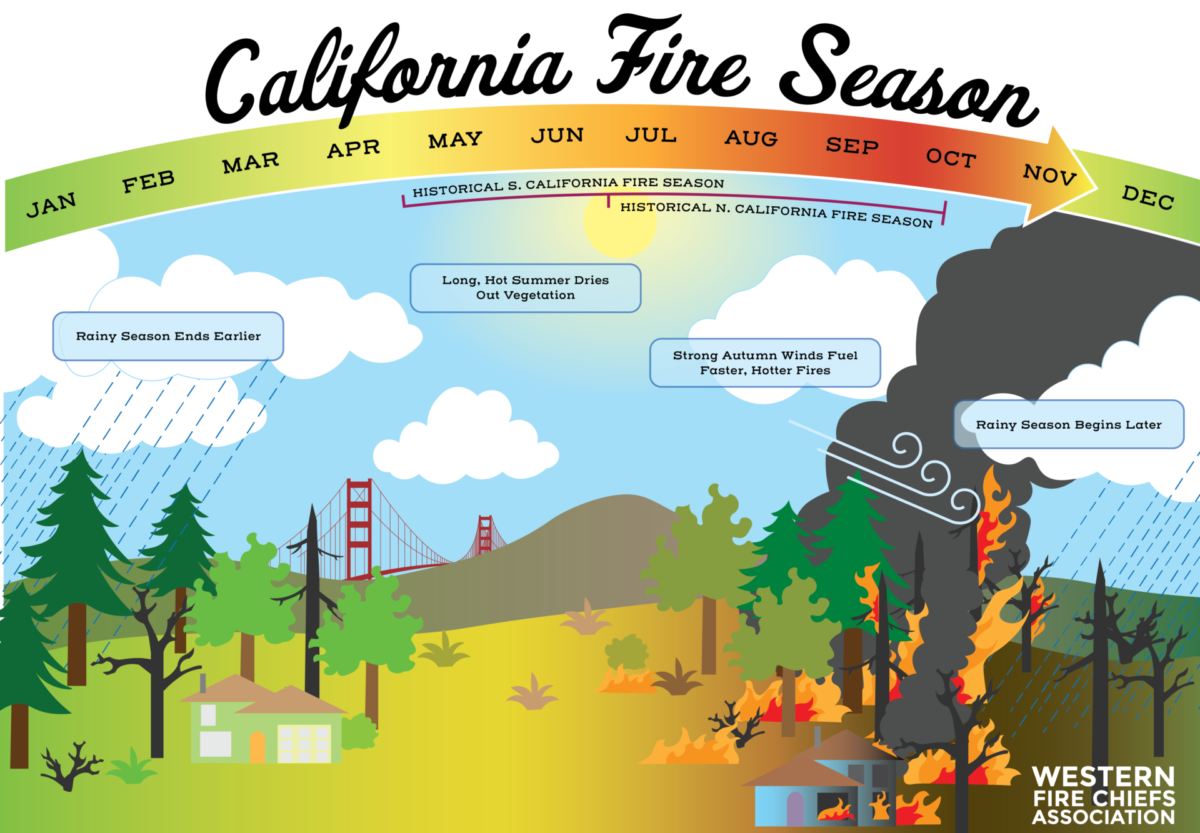
California experiences a predictable “fire season,” typically spanning from late spring through late autumn, peaking in late summer and fall. However, due with prolonged droughts and rising temperatures, this season has lengthened, with fires now occurring year-round in some areas. Several key factors contribute to this phenomenon:
- Climate Change: Higher average temperatures and reduced precipitation lead to drier vegetation, creating ideal conditions for fires to ignite and spread rapidly.
- Drought: Multi-year droughts stress vegetation, making it more susceptible to ignition and increasing fuel loads.
- Vegetation Types: California’s diverse ecosystems include highly flammable chaparral, brush, and dense forests that, under dry conditions, act as ready fuel.
- Topography: Steep slopes and canyons can funnel winds and accelerate fire spread, making containment challenging.
- Winds: Iconic wind patterns like the Santa Ana Winds in Southern California and the Diablo Winds in Northern California are notorious for fanning flames and carrying embers long distances, turning small fires into massive infernos overnight.
Geographic Distribution: Localized Events, Not Statewide Blazes
One of the most critical points for travelers to understand is that wildfires are localized events. A major fire in one part of California does not mean the entire state is compromised. For instance, a fire burning near Los Angeles will have no direct impact on travel to San Francisco, Yosemite National Park, or Lake Tahoe.
Wildfires tend to occur in specific regions most susceptible to the contributing factors mentioned above. These often include:
- Forests and Wildland-Urban Interface (WUI) Areas: Regions where development meets wildlands, particularly in the foothills and mountains, are at higher risk.
- Inland Valleys and Canyons: Areas prone to intense heat and wind conditions.
- Specific Mountain Ranges: The Sierra Nevada and various coastal ranges have historically experienced significant fire activity.
Coastal areas, especially those directly bordering the Pacific Ocean, often have different microclimates with higher humidity, making large-scale fires less common directly along the immediate shoreline, though adjacent hills and canyons can be vulnerable.
The Tangible and Intangible Impacts on Travel
While wildfires are localized, their impacts on travel can be multifaceted, extending beyond direct destruction to include air quality, access, and even the psychological comfort of visitors. Understanding these impacts helps travelers make informed decisions and adjust their plans if necessary.
Direct Impacts: Safety, Access, and Infrastructure
The most immediate and severe impacts of wildfires on travel are direct threats to safety, accessibility, and infrastructure:
- Evacuations and Closures: When a fire threatens populated areas or natural landmarks, immediate evacuations are ordered, and roads leading to or through affected zones are closed. This can lead to the closure of national parks (like portions of Yosemite National Park or Redwood National and State Parks during severe fire events), state parks, hiking trails, and even entire communities.
- Destruction of Property: In severe cases, fires can destroy homes, businesses, hotels, and tourist attractions. While thankfully rare in major tourist hubs, this can be devastating for smaller, fire-prone communities or specific natural sites.
- Road Closures: Key highways and scenic routes, such as sections of Highway 1 through Big Sur, can be closed for safety reasons or due to damage, necessitating significant detours and affecting travel itineraries.
Indirect Impacts: Air Quality and Perceptual Challenges
Even if a fire is not directly in your intended destination, its indirect effects can still influence your trip:
- Air Quality Concerns (Smoke): Smoke plumes from large wildfires can travel hundreds of miles, significantly impacting air quality in downwind areas. Elevated levels of particulate matter can cause respiratory issues, reduce visibility, and simply make outdoor activities unpleasant. Checking the Air Quality Index (AQI) becomes as important as checking the weather forecast.
- Psychological Impact: News of wildfires can understandably create anxiety for travelers, leading to cancellations or reluctance to visit, even if their intended destination is entirely safe and unaffected. This can have a ripple effect on the tourism economy of unaffected regions.
- Reduced Tourism in Nearby Areas: Businesses in areas adjacent to active fire zones, even if not directly threatened, can suffer from reduced tourism as visitors opt for perceived safer destinations further afield.
Despite these challenges, it’s crucial to reiterate that vast portions of California remain open, safe, and welcoming throughout the year, even during periods of elevated fire activity elsewhere. Many popular destinations, particularly coastal cities and major metropolitan areas, are often far removed from active fire zones.
Strategic Planning for a California Trip Amidst Fire Season
Traveling to California during fire season doesn’t have to be daunting. With proper preparation, real-time information, and a flexible mindset, you can still enjoy an incredible experience. The key is to be proactive and informed.

Essential Resources for Real-time Information
Accurate and up-to-date information is your most valuable asset when planning or embarking on a trip to California during fire season. Relying on reliable official sources is paramount:
- CalFire (California Department of Forestry and Fire Protection): This is the primary authority for wildfire information in California. Their website provides incident maps, status updates on active fires, and general fire prevention information.
- Air Quality Index (AQI) Websites: Websites like AirNow.gov or PurpleAir.com offer real-time air quality data by location, allowing you to monitor smoke levels in your chosen destination and surrounding areas. This is especially useful for planning outdoor activities.
- National Park Service and California State Parks Websites: If your itinerary includes parks like Yosemite National Park, Joshua Tree National Park, or Big Sur State Parks, check their official websites for current conditions, closures, and fire alerts.
- Local County Emergency Services and Tourism Bureaus: Local authorities often provide the most granular information on specific area impacts. Many tourism boards will also provide updates relevant to visitors.
- Caltrans (California Department of Transportation): For road conditions and closures, Caltrans’ QuickMap service is invaluable, providing real-time traffic and highway information.
Flexible Booking and Comprehensive Travel Insurance
Given the unpredictable nature of wildfires, building flexibility into your travel plans is a smart strategy:
- Review Cancellation Policies: When booking flights, accommodations, and tours, carefully review cancellation and change policies. Opt for refundable options if possible, or understand the fees associated with modifications.
- Consider Travel Insurance: A comprehensive travel insurance policy can offer peace of mind. Ensure it covers “cancel for any reason” (CFAR) if you want the flexibility to cancel due to wildfire concerns, even if your destination isn’t directly impacted. Standard policies might only cover cancellations due to mandatory evacuations or direct damage to your destination. Check the terms and conditions carefully regarding natural disasters.
- Backup Plans: Have alternative destinations or activities in mind. If a fire impacts your primary hiking destination, consider a coastal town or a less fire-prone region as a backup.
Pre-Trip Research and Local Advisories
Beyond real-time checks, thorough research before your trip is vital:
- Monitor News from Reputable Sources: Stay informed through major news outlets, but cross-reference information with official government and fire agency sites to avoid misinformation.
- Consult with Locals/Travel Experts: If possible, reach out to local tourism offices, hotels, or travel agents in your destination for their insights on current conditions and best practices.
- Understand Fire Season Risks: While you can’t predict every fire, knowing which areas are historically more prone during certain months can help you plan your itinerary. For example, high elevation forest regions in August and September might carry a higher risk than coastal cities.
By adopting these proactive planning strategies, travelers can significantly mitigate potential disruptions and ensure a safer, more enjoyable experience in California.
Embracing Responsible Travel and Community Support
Visiting California during fire season also presents an opportunity to be a responsible traveler, contributing positively to local communities and fostering environmental stewardship. Your choices can make a difference.
Supporting Local Communities and Recovery Efforts
Tourism is a cornerstone of California’s economy, and local businesses can be profoundly impacted by wildfires, whether directly or indirectly. By choosing to visit unaffected areas, you help sustain these communities:
- Continue to Visit Safe Areas: The best way to support California is to continue your travel plans to destinations that are open and safe. Your tourist dollars support local businesses, hospitality workers, and the broader economy.
- Purchase Locally: Spend your money at local shops, restaurants, and attractions. This directly injects funds into the community.
- Consider Volunteering or Donating: If you feel compelled to assist, research reputable local charities or organizations involved in wildfire relief and recovery efforts. Many communities rely on such support for rebuilding.
Fire Safety Awareness for Travelers
Every visitor plays a role in preventing human-caused wildfires. Adhering to fire safety guidelines is not just a recommendation, it’s a responsibility:
- Be Mindful of Fire Restrictions: Always check for current fire restrictions, especially when visiting national forests, state parks, or campgrounds. This includes bans on campfires, charcoal grills, or specific types of open flames. Never assume a campfire is allowed.
- Proper Disposal of Smoking Materials: Never toss cigarette butts out of car windows or leave them unattended. Use designated receptacles.
- Vehicle Precautions: Ensure your vehicle is properly maintained, as dragging chains or faulty catalytic converters can spark fires. Be cautious when parking in dry grass, as hot exhaust pipes can ignite vegetation.
- Adhere to “Leave No Trace” Principles: Pack out everything you pack in. Avoid any actions that could inadvertently start a fire.
- Emergency Preparedness: Familiarize yourself with local emergency procedures and evacuation routes, especially if staying in a rural or wildland-adjacent area. Have a plan for quick departure if necessary.
Environmental Stewardship and Understanding Fire’s Role
While destructive, fire is also a natural process in many of California’s ecosystems. Understanding this broader context can deepen your appreciation for the state’s natural beauty:
- Learn About Forest Management: Take the opportunity to learn about the complexities of forest health, prescribed burns, and the efforts being made to create more fire-resilient landscapes.
- Support Conservation Efforts: Consider donating to organizations dedicated to forest restoration, wildlife habitat recovery, and sustainable land management practices.
By embracing these principles, travelers can not only enjoy a safe and enriching experience in California but also contribute positively to the state’s resilience and recovery efforts.
In conclusion, the question “Are fires still going in California?” is best answered with nuance and context. While wildfires are an undeniable reality, they are typically localized events that do not blanket the entire state. With diligent planning, reliance on official information sources, a flexible travel mindset, and a commitment to responsible tourism, you can absolutely explore and enjoy the vast majority of California’s incredible destinations. The Golden State remains a vibrant and welcoming destination for travelers who are informed, prepared, and respectful of its natural environment.
LifeOutOfTheBox is a participant in the Amazon Services LLC Associates Program, an affiliate advertising program designed to provide a means for sites to earn advertising fees by advertising and linking to Amazon.com. Amazon, the Amazon logo, AmazonSupply, and the AmazonSupply logo are trademarks of Amazon.com, Inc. or its affiliates. As an Amazon Associate we earn affiliate commissions from qualifying purchases.