
For many travelers venturing to the Golden State, California represents a land of innovation, freedom, and forward-thinking policies. With the groundbreaking legalization of cannabis in recent years, a natural question arises for those interested in wellness, alternative therapies, or simply exploring the state’s evolving cultural landscape: what is the legal status of psychedelics in California? For tourists planning their itineraries and seeking unique experiences, understanding this complex and rapidly shifting legal terrain is paramount. The answer isn’t a simple yes or no; it’s a nuanced reality involving federal law, state initiatives, and varying local ordinances that can significantly impact a visitor’s experience and legal standing. This guide aims to provide clarity, offering essential information and practical tips for anyone considering California as a destination where discussions around psychedelics are increasingly open.
Navigating California’s Shifting Psychedelic Landscape
The legal environment surrounding psychedelics in California is a dynamic tapestry woven from federal mandates, state legislative efforts, and distinct local policies. For visitors, grasping these layers is crucial to avoid unintended legal complications and make informed decisions during their stay.
The Current Legal Framework: A Nuanced Reality
At the federal level, the legal status of most psychedelic substances across the United States remains unchanged: they are classified as Schedule I controlled substances by the Drug Enforcement Administration (DEA). This classification, which includes substances like psilocybin, LSD, MDMA, and DMT, signifies a high potential for abuse and no currently accepted medical use. Consequently, under federal law, the manufacture, distribution, possession, and use of these substances are illegal.
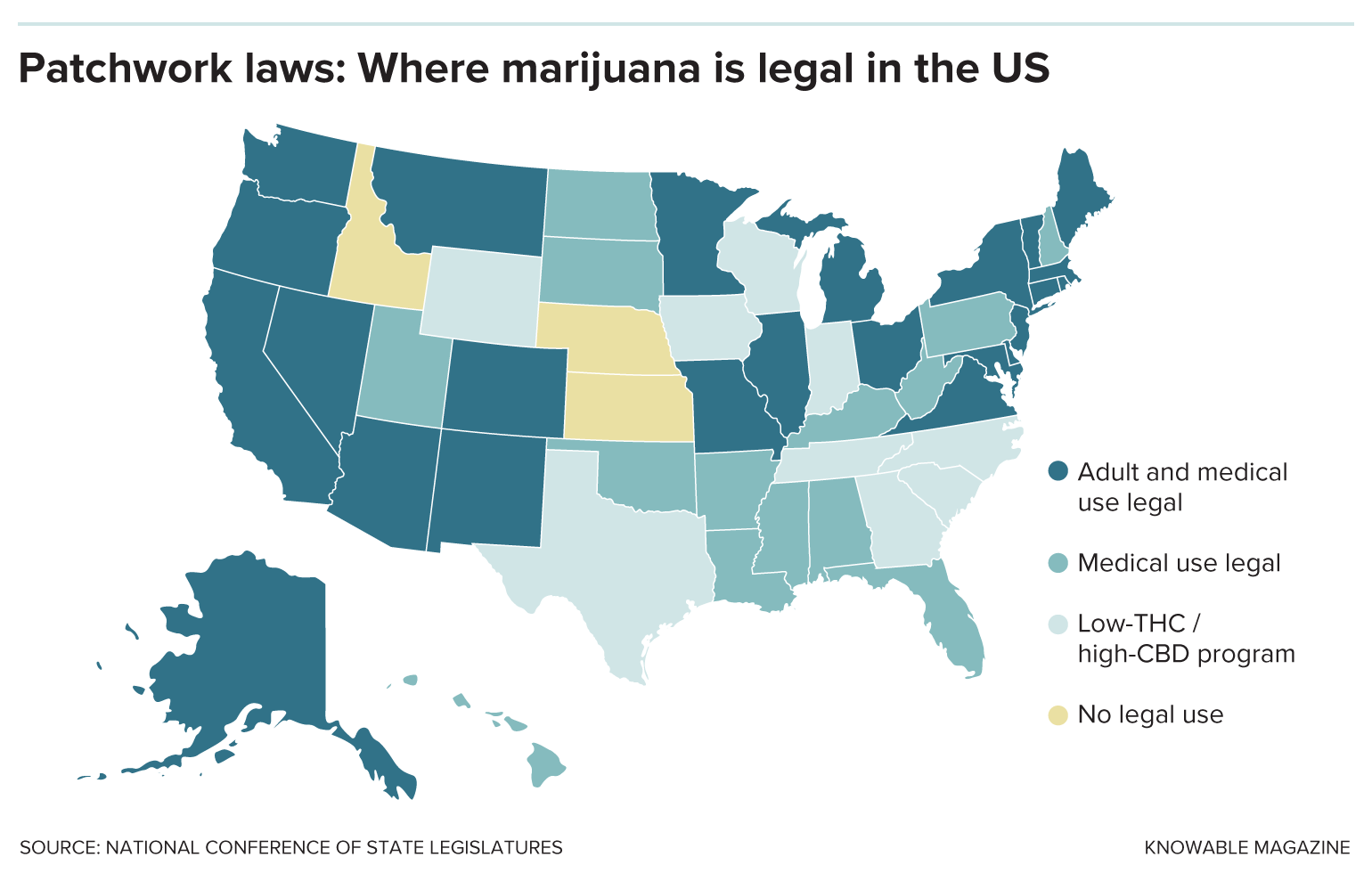
However, California, often at the forefront of progressive drug policy reform, has begun to carve out its own path. While the state has not outright legalized psychedelics in the way it did with recreational cannabis, there’s a discernible trend towards re-evaluating punitive measures associated with these substances. This divergence between federal and state approaches creates a complex legal landscape where state-level actions, though significant, do not override federal prohibition. For tourists, this means that while certain state or local policies might reduce penalties, the federal illegality still looms large, especially when considering interstate travel or activities on federal land within California.
Decriminalization vs. Legalization: Understanding the Distinction
Understanding the difference between decriminalization and legalization is perhaps the most critical piece of information for any tourist interested in psychedelics in California. These terms are often conflated, leading to significant misunderstandings about what is legally permissible.
Decriminalization refers to reducing the penalties for possession or use of a substance, often treating it more like a minor traffic infraction than a criminal offense. In decriminalized jurisdictions, individuals found with small amounts of a substance might face fines or administrative penalties rather than arrest, jail time, or a criminal record. Crucially, decriminalization does not make the substance legal; it remains illegal, but the enforcement priorities and consequences are softened. There is no legal framework for commercial sale, production, or distribution in a decriminalized environment.
Legalization, on the other hand, means that a substance is fully lawful for specific uses (e.g., recreational, medical) under a regulated system. This typically involves government oversight of production, distribution, and sale, often with taxation and age restrictions, similar to the current framework for cannabis in California.
Currently, no psychedelics are legalized for recreational use in California. While some California cities have moved to decriminalize certain natural psychedelics, this solely means reduced penalties for personal possession and cultivation, not a green light for commercial transactions or widespread public consumption. Tourists should be acutely aware that purchasing or selling these substances remains illegal, even in decriminalized areas, and participating in such activities can lead to legal consequences.
Key Psychedelics and Their Status in the Golden State
The term “psychedelics” encompasses a broad range of substances, each with its own specific legal nuances in California. For visitors, knowing the distinct status of common psychedelics is essential for making informed decisions.
Psilocybin (Magic Mushrooms): A Focus on Decriminalization Efforts
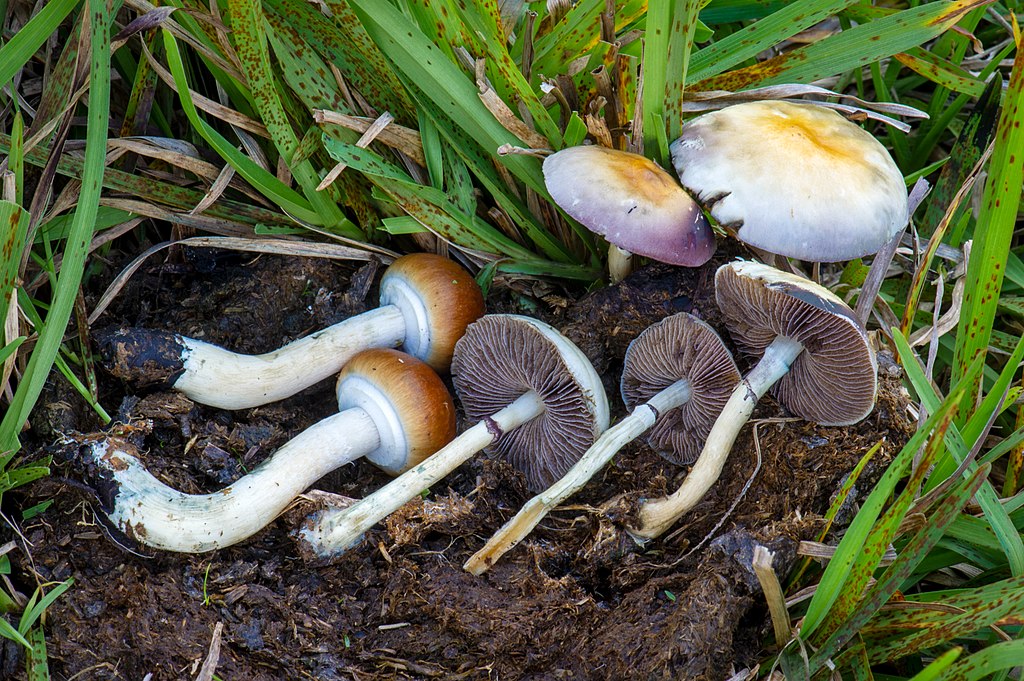
Psilocybin, the psychoactive compound found in “magic mushrooms,” has been at the forefront of the psychedelic reform movement in California. Several cities within the state have taken steps to decriminalize natural psychedelics, which include psilocybin mushrooms.
- Oakland was the first city in California to decriminalize “entheogenic plants” in 2019, making the arrest and prosecution of individuals for the personal possession and cultivation of psilocybin mushrooms and other natural psychedelics among the lowest priority for law enforcement.
- Santa Cruz followed suit in early 2020, passing a similar resolution that deprioritizes arrests for adult possession and cultivation of natural entheogens.
- San Francisco joined these ranks in 2022, broadly decriminalizing natural psychedelics and making their personal adult use, possession, and cultivation the city’s lowest law enforcement priority.
It is absolutely vital for tourists to understand that these are local ordinances, not state laws, and they represent decriminalization, not legalization. This means:
- Personal Use Only: The measures apply strictly to personal possession and cultivation for individual use. They do not permit the sale, distribution, or public consumption of psilocybin.
- No Commercial Market: There are no legal dispensaries or stores where tourists can purchase psilocybin mushrooms, unlike cannabis. Any establishment purporting to sell them is operating illegally.
- State and Federal Laws Still Apply: Outside of these specific city limits, psilocybin remains illegal under state law. Even within these cities, state and federal agencies can still enforce laws against psilocybin. Tourists risk fines, arrest, and other penalties if they possess, sell, or distribute psilocybin, especially in larger quantities.
DMT, Ayahuasca, and Mescaline: What Travelers Need to Know
Beyond psilocybin, other natural psychedelics like DMT (often found in plants used to make ayahuasca) and mescaline (from cacti like peyote) also fall under the umbrella of entheogens that have seen some decriminalization efforts in the aforementioned cities.
However, the legal status of ayahuasca specifically has an added layer of complexity due to religious freedom protections. Certain religious organizations, such as the Santo Daime and União do Vegetal (UDV), have received specific federal exemptions to use ayahuasca in religious ceremonies under strict conditions, based on the Religious Freedom Restoration Act. This is a very narrow exemption and does not extend to general recreational use or participation in unregulated ceremonies. For tourists, attending an ayahuasca ceremony not explicitly sanctioned by a federally recognized religious exemption carries significant legal risks, as the substance remains federally illegal.
Mescaline derived from non-peyote cacti (e.g., San Pedro cactus) has also been part of decriminalization efforts in some California cities. However, the peyote cactus, a source of mescaline, has additional protections under federal law for use by members of the Native American Church, making its possession and use by non-members generally illegal and distinct from other entheogenic plants. Tourists should exercise extreme caution and assume these substances are illegal for general use.
MDMA and LSD: Prescription vs. Recreational Use
Synthetic psychedelics like MDMA (ecstasy/molly) and LSD (acid) have a different legal trajectory in California compared to natural entheogens. These substances have not been subject to decriminalization efforts at the local level.
- MDMA is currently undergoing advanced clinical trials for its potential therapeutic use, particularly in treating PTSD, with promising results. The Food and Drug Administration (FDA) has granted MDMA “Breakthrough Therapy” designation for this purpose. This means there’s a possibility that MDMA could eventually become available by prescription in supervised therapeutic settings, potentially within a few years. However, this is far from recreational legalization. For tourists, possessing or consuming MDMA outside of an authorized clinical trial setting is illegal and carries significant penalties.
- LSD also remains strictly illegal at both federal and state levels for recreational use. While it has historical significance and ongoing research interest, there have been no significant decriminalization or legalization movements for LSD in California cities or at the state level.
Therefore, tourists should understand that while there’s a growing medical and scientific interest in these compounds, their recreational use or possession in California remains fully illegal, with no local decriminalization ordinances to reduce penalties.
Therapeutic and Wellness Tourism: The Emerging Frontier
The growing public interest and scientific research into psychedelics have paved the way for an emerging niche within wellness tourism. However, for visitors to California, it’s crucial to distinguish between legitimate, highly regulated research and the unregulated, often illegal, “underground” scene.
Clinical Trials and Research: Access for California Residents and Visitors?
California is a hub for medical and scientific research, and several institutions are involved in clinical trials exploring the therapeutic potential of psychedelics like psilocybin and MDMA. These trials are rigorously regulated by the FDA and require participants to meet strict eligibility criteria.
For tourists, access to these clinical trials is extremely limited. Participation typically requires a specific diagnosis (e.g., severe PTSD, depression), residency within the area for ongoing follow-ups, and a lengthy screening process. These are not “experiences” that can be booked like a spa treatment. Therefore, visitors should not come to California with the expectation of easily accessing psychedelic-assisted therapy through legitimate channels. Any claims of “legal” psychedelic therapy outside of a recognized, FDA-approved clinical trial or a specific religious exemption should be viewed with extreme skepticism.
Retreats and Ceremonies: The Unregulated Grey Areas
The decriminalization efforts and increasing public discourse have regrettably led to a proliferation of “psychedelic retreats” and “ceremonies” operating in California. These range from underground gatherings to more public, yet legally ambiguous, wellness centers. For tourists, engaging with such services presents a host of significant risks:
- Legal Jeopardy: Most of these operations are not legally sanctioned. Participants, whether residents or tourists, can face legal consequences for possessing or using illegal substances, even if they claim to be part of a “spiritual” or “wellness” experience. Law enforcement may still intervene, and ignorance of local laws is not a defense.
- Safety Concerns: Unregulated settings lack medical oversight, proper screening for contraindications, and standardized dosages. This can lead to serious psychological distress, physical health complications, and even medical emergencies without adequate support or intervention.
- Exploitation and Fraud: The unregulated nature also makes participants vulnerable to predatory practices, unqualified facilitators, and fraudulent claims. Tourists, being unfamiliar with local dynamics, are particularly susceptible.
Tourists are strongly advised to exercise extreme caution when encountering advertisements or recommendations for such retreats. The allure of a “transformative experience” should never overshadow the importance of personal safety and legal compliance.
Practical Considerations for Tourists in California
For any traveler to California curious about the psychedelic landscape, a prudent approach is paramount. Understanding the nuances and potential pitfalls can ensure a safe and legally compliant visit.
Legal Risks and Consequences for Possession or Use
Despite local decriminalization in some areas, the overarching legal framework in California and the United States still classifies most psychedelics as illegal. For tourists, this means:
- Fines and Penalties: Even in decriminalized cities, possession of larger quantities or evidence of intent to distribute can lead to significant fines, arrest, and even felony charges.
- Federal Land: National Parks, forests, and other federal lands within California are subject to federal law, where psychedelics are strictly illegal, regardless of local city ordinances. Many popular tourist destinations fall under federal jurisdiction.
- Impact on Travel: An arrest or conviction, even for a minor offense, can have serious implications for international travelers, potentially affecting visa status or future entry into the United States.
- No Legal Protection: Unlike cannabis, there are no established legal avenues for tourists to purchase or consume psychedelics, leaving them exposed to legal risks from illicit markets.
Informed Decisions: Prioritizing Safety and Legality
For visitors to California, making informed decisions about psychedelics requires a commitment to legality and personal safety.
- Do Your Research: If you’re considering visiting a specific city with decriminalization policies, understand the precise scope of those policies. Remember, decriminalization is not legalization.
- Respect Local Laws: Adhere to all local, state, and federal laws. When in doubt, assume a substance is illegal.
- Avoid Illicit Markets: Do not attempt to purchase psychedelics from unregulated sources. These markets are illegal and can expose you to dangerous, mislabeled, or adulterated substances.
- Prioritize Safety: If you are interested in the therapeutic potential of psychedelics, explore legal avenues such as participation in clinical trials in your home country or legitimate medical tourism destinations where such treatments are fully sanctioned.
The Future Outlook: What Tourists Can Expect Next
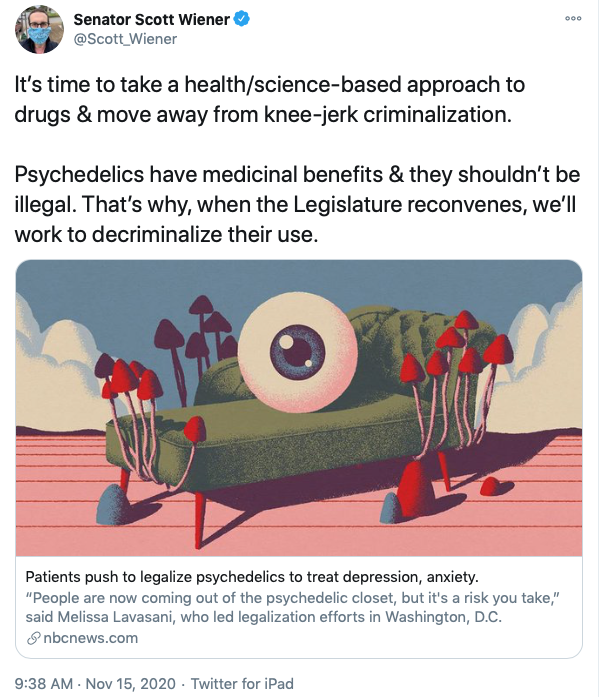
The landscape of psychedelic legality in California is continuously evolving. There are ongoing legislative efforts at the state level to further reform psychedelic laws, including bills that seek to decriminalize a broader range of natural psychedelics statewide or even explore regulated therapeutic models. While some of these initiatives may gain traction, their outcome and implementation timeline remain uncertain.
For the foreseeable future, tourists to California should operate under the assumption that psychedelics are generally illegal for recreational use. While the state remains a beacon for progressive thought, navigating its complex legal framework requires diligence, respect for the law, and a strong emphasis on personal safety. The best “tip” for any tourist is to enjoy California’s myriad of legal attractions and experiences, and to stay informed about any future legal changes that might impact the availability of psychedelic-assisted therapies in regulated, safe, and legal settings.
LifeOutOfTheBox is a participant in the Amazon Services LLC Associates Program, an affiliate advertising program designed to provide a means for sites to earn advertising fees by advertising and linking to Amazon.com. Amazon, the Amazon logo, AmazonSupply, and the AmazonSupply logo are trademarks of Amazon.com, Inc. or its affiliates. As an Amazon Associate we earn affiliate commissions from qualifying purchases.